
Create Delicious Sugar-Free Coffee Syrups Easily
Quick answer
- Use a sugar substitute like erythritol, stevia, or monk fruit.
- Combine your sweetener with water and flavorings in a saucepan.
- Simmer gently until thickened, avoiding a rolling boil.
- Strain for a smoother texture if using whole flavorings.
- Store in an airtight container in the refrigerator.
- Experiment with different flavor combinations for variety.
Who this is for
- Coffee drinkers looking to reduce sugar intake without sacrificing flavor.
- Home baristas who enjoy customizing their coffee drinks with syrups.
- Individuals seeking cost-effective alternatives to store-bought sugar-free syrups.
If you’re a coffee drinker looking to reduce sugar intake without sacrificing flavor, consider using a high-quality sugar-free coffee syrup. It’s a fantastic way to enjoy your favorite beverages guilt-free.
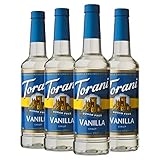
- Sugar Free Vanilla Syrup: This sugar free flavored syrup delivers rich, pure vanilla taste with zero sugar and zero calories; Add a splash to coffee, lattes, tea, sodas and more
- Skip The Extra Calories: Enjoy drinks, desserts, and other treats made with our Sugar Free syrups, sweetened with sucralose and naturally fat free; 0 Calories, 0 Sugar, 0 Carbs, Keto Friendly, Gluten Free, and Kosher
- Embrace Your Inner Flavorista: Torani makes a wide array of syrups and sauces in tantalizing flavors to help you create your own homemade coffeehouse favorites, fruity delights and custom soda creations
- Authentic Coffeehouse Flavor: From caramel to French vanilla to hazelnut and everything in between, our syrups and sauces are here to help you create tantalizing lattes, cappuccinos, cold brews and frappes
- Mix Up Some Magic: Discover how our syrups can help you make truly creative flavored teas, lemonades, smoothies, Italian sodas, coffees, cocktails, mocktails, snow cones, sparkling waters and more
What to check first
- Sweetener Type: Different sugar substitutes have varying sweetness levels and can behave differently when heated. Some may require specific ratios or additional ingredients for desired texture. Research your chosen sweetener’s properties.
- Flavoring Ingredients: Ensure all your flavorings are suitable for consumption and align with your dietary preferences. Natural extracts and spices are generally good choices.
- Storage Container: A clean, airtight glass bottle or jar is ideal for storing your homemade syrup to maintain freshness and prevent contamination.
Step-by-step (how to make your own sugar free coffee syrup)
1. Gather your ingredients: This includes your chosen sugar substitute, water, and desired flavorings (e.g., vanilla extract, cinnamon sticks, citrus zest).
- What “good” looks like: All ingredients are measured and ready for use.
- Common mistake: Not having all ingredients pre-measured. This can lead to rushing the process and potential errors.
2. Combine sweetener and water: In a saucepan, mix your sugar substitute with water. A common starting point is a 1:1 ratio of sweetener to water, but this can vary depending on the sweetener’s potency.
- What “good” looks like: The sweetener is mostly dissolved in the water, with minimal clumping.
- Common mistake: Using too much or too little water, which affects the final syrup consistency. Start with a conservative amount and adjust later if needed.
3. Add flavorings: Incorporate your chosen flavorings into the mixture. For extracts, add them towards the end of the simmering process to preserve their delicate aromas. For spices or citrus peels, add them at the beginning to infuse their flavor.
- What “good” looks like: Flavorings are evenly distributed throughout the liquid.
- Common mistake: Adding heat-sensitive extracts too early, which can cause their flavor to dissipate.
4. Heat gently: Place the saucepan over medium-low heat. Stir occasionally until the sweetener is fully dissolved.
- What “good” looks like: The liquid is warm and the sweetener is completely dissolved, with no gritty texture remaining.
- Common mistake: Using high heat, which can cause the syrup to scorch or the sweetener to break down, affecting taste.
5. Simmer to thicken: Once dissolved, reduce the heat to low and let the mixture simmer gently. Avoid a rolling boil. Simmer for 5-15 minutes, or until the syrup reaches your desired consistency. It will thicken further as it cools.
- What “good” looks like: The syrup coats the back of a spoon evenly and has a slightly thicker, syrupy texture.
- Common mistake: Over-simmering, which can result in a candy-like consistency or a burnt taste.
6. Remove from heat: Once the syrup has thickened to your liking, remove the saucepan from the burner.
- What “good” looks like: The syrup is no longer actively bubbling.
- Common mistake: Leaving the syrup on the heat for too long, leading to over-thickening.
7. Steep (if using whole ingredients): If you used ingredients like cinnamon sticks, star anise, or citrus peel, let them steep in the hot syrup for another 10-20 minutes to fully infuse their flavors.
- What “good” looks like: The syrup has absorbed the desired aroma and taste from the steeped ingredients.
- Common mistake: Not steeping long enough, resulting in a weak flavor profile.
8. Strain the syrup: Carefully pour the syrup through a fine-mesh sieve or cheesecloth into your storage container. This removes any solid flavorings or impurities, creating a smooth syrup.
- What “good” looks like: The syrup is clear and free of any solid particles.
- Common mistake: Not straining, which can leave small particles in the syrup and affect its texture and appearance.
9. Cool completely: Allow the syrup to cool to room temperature before sealing the container.
- What “good” looks like: The syrup is no longer warm to the touch.
- Common mistake: Sealing a warm container, which can create condensation and potentially lead to spoilage.
10. Store in the refrigerator: Once cooled, seal your sugar-free coffee syrup tightly and store it in the refrigerator. It should last for 2-4 weeks, depending on the ingredients used.
- What “good” looks like: The syrup is stored in a clean, airtight container in a cold environment.
- Common mistake: Storing at room temperature, which significantly reduces shelf life and can promote bacterial growth.
Common mistakes (and what happens if you ignore them)
| Mistake | What it causes | Fix |
|---|---|---|
| Using high heat | Scorched flavor, breakdown of sweetener, inconsistent texture. | Use low to medium-low heat and stir frequently. |
| Over-simmering | Syrup becomes too thick, candy-like, or burnt. | Simmer for shorter periods and check consistency by spoon coating. Syrup thickens as it cools. |
| Not straining properly | Gritty texture, presence of solid particles in the syrup. | Use a fine-mesh sieve or cheesecloth for a smooth, clear syrup. |
| Adding extracts too early | Loss of delicate flavor and aroma due to heat degradation. | Add liquid extracts like vanilla or almond towards the end of the simmering process or after removing from heat. |
| Using the wrong sweetener ratio | Syrup is too sweet, not sweet enough, or has an off-flavor. | Start with a known ratio for your sweetener and adjust to taste. Check sweetener’s potency. |
| Not dissolving sweetener fully | Gritty texture in the final syrup. | Ensure sweetener is completely dissolved before simmering by stirring well in warm water. |
| Storing at room temperature | Reduced shelf life, potential for spoilage and bacterial growth. | Always store homemade sugar-free syrups in an airtight container in the refrigerator. |
| Using impure water | Off-flavors in the syrup, potential for spoilage. | Use filtered or distilled water for the cleanest taste and best shelf life. |
| Not cleaning equipment thoroughly | Contamination, off-flavors, and reduced shelf life. | Ensure all pots, utensils, and storage containers are clean and dry before starting. |
| Incorrect steeping time for spices | Weak flavor or overpowering, bitter taste from over-steeping. | Steep for recommended times and taste periodically to achieve desired flavor intensity. |
Decision rules (how to make your own sugar free coffee syrup)
- If your sweetener is highly potent (e.g., stevia, monk fruit), then start with a lower sweetener-to-water ratio because you can always add more sweetness later.
- If you desire a thicker syrup, then simmer for a longer period, but watch carefully to avoid burning.
- If you are using whole spices like cinnamon sticks or star anise, then add them at the beginning of the heating process to allow maximum flavor infusion.
- If you are using liquid extracts like vanilla or almond, then add them towards the end of the cooking process or after removing from heat to preserve their delicate aromas.
- If your syrup seems too thin after cooling, then you can gently reheat it and simmer for a few more minutes to thicken it further.
- If your syrup has an undesirable aftertaste from the sweetener, then try blending it with another sweetener or adjusting the flavorings.
- If you want to add a touch of richness, then consider adding a tiny amount of a sugar-free flavoring that mimics caramel or butterscotch.
- If you are unsure about the sweetness level, then taste a small amount of the syrup once it has cooled slightly.
- If you want to prevent crystallization, then ensure the sweetener is fully dissolved and avoid boiling the syrup vigorously.
- If you notice any signs of mold or off-smell, then discard the syrup immediately as it has likely spoiled.
FAQ
Q: What are the best sugar substitutes for coffee syrup?
A: Popular choices include erythritol, xylitol (be cautious if you have pets, as it’s toxic to them), stevia, and monk fruit. Each has a different sweetness profile and can affect texture.
Q: How long does homemade sugar-free coffee syrup last?
A: Stored properly in an airtight container in the refrigerator, most sugar-free syrups will last about 2-4 weeks. Always check for any signs of spoilage before using.
Q: Can I make a sugar-free simple syrup?
A: Yes, a sugar-free simple syrup is essentially a sugar substitute dissolved in water and simmered to a syrupy consistency. The process is very similar to making regular simple syrup but with a sugar substitute.
Q: What if my syrup is too thin?
A: If your syrup is too thin after cooling, you can gently reheat it and simmer for a few more minutes. Remember that syrups thicken considerably as they cool, so don’t over-thicken while it’s hot.
Q: What if my syrup is too thick?
A: If your syrup is too thick, you can carefully add a small amount of water or a sugar-free liquid (like unsweetened almond milk) and gently reheat it to thin it out.
Q: Can I use fruit purees for flavor?
A: Yes, you can use fruit purees, but they may introduce natural sugars and affect the shelf life. Strain them well to avoid pulp and be aware that they might require a shorter storage time.
Q: How do I make a sugar-free vanilla syrup?
A: Combine your preferred sugar substitute and water in a saucepan. Heat until dissolved, then add vanilla extract and a touch of vanilla bean paste or a scraped vanilla bean for extra flavor. Simmer briefly, strain if needed, and cool.
Q: Can I use artificial sweeteners like aspartame or sucralose?
A: While some artificial sweeteners can be used, they may not hold up well to heat or provide the desired syrup texture. Sugar alcohols and stevia/monk fruit blends are often preferred for their heat stability and mouthfeel.
What this page does NOT cover (and where to go next)
- Detailed nutritional breakdowns of specific sugar substitutes. (Next, research the glycemic index and specific properties of your chosen sweetener.)
- Advanced flavor pairing techniques or complex syrup recipes. (Next, explore resources on culinary flavor profiles and advanced mixology.)
- Commercial-grade syrup production methods. (Next, consult food science literature or professional beverage guides.)