
Crafting Delicious Coffee Filling for Your Macarons
Quick Answer
- Use a high-quality espresso or strong brewed coffee for the most intense flavor.
- Ensure your coffee is cooled completely before incorporating it into your filling base.
- Balance the coffee flavor with sweetness and fat from butter or cream cheese.
- Aim for a smooth, pipeable consistency that holds its shape.
- Consider adding a touch of complementary flavor like chocolate or caramel.
- Taste and adjust seasoning throughout the process for the perfect balance.
Who This Is For
- Home bakers looking to elevate their macaron game with sophisticated flavors.
- Patisserie enthusiasts seeking to replicate café-quality coffee macarons.
- Anyone who loves the combination of delicate macarons and rich coffee.
What to Check First
Brewer Type and Filter Type
The type of coffee maker and filter you use will impact the clarity and intensity of your coffee. Espresso machines produce a concentrated shot, ideal for bold flavor. Drip brewers, depending on the filter (paper, metal, cloth), can yield different body and clarity. French presses offer a richer, more full-bodied brew due to the metal filter allowing more oils through.
Water Quality and Temperature
Filtered water is crucial for a clean coffee taste, free from off-flavors that tap water can impart. For brewing coffee specifically for your filling, aim for water just off the boil, typically between 195°F and 205°F. This temperature range is optimal for extracting the best flavors from the coffee grounds.
Grind Size and Coffee Freshness
The grind size should match your brewing method. Espresso requires a very fine grind, while a drip machine needs a medium grind, and a French press a coarse grind. Freshly roasted and ground coffee beans will provide the most vibrant flavor. Pre-ground coffee can lose its aromatic compounds quickly.
Coffee-to-Water Ratio
When brewing coffee solely for your filling, you’ll want a higher coffee-to-water ratio than you might use for drinking. This means using more coffee grounds for the amount of water to achieve a concentrated flavor. For example, instead of a 1:15 ratio, you might aim for 1:8 or 1:10 for a stronger brew.
Cleanliness/Descale Status
Any residue in your coffee maker or brewing equipment can impart stale or bitter flavors into your coffee. Ensure all parts of your brewer are clean and free from old coffee oils. If you use a coffee machine, regularly descale it according to the manufacturer’s instructions to maintain optimal performance and taste.
Step-by-Step: Brewing Coffee for Macaron Filling
1. Select Your Coffee Beans: Choose high-quality beans, ideally freshly roasted. Consider the roast level – a medium to dark roast often offers a richer, more robust flavor suitable for desserts.
- What “good” looks like: Beans that are fragrant and visually appealing, without excessive oil or signs of staleness.
- Common mistake: Using old, stale beans that lack aroma and flavor.
- How to avoid: Purchase beans from a reputable roaster and check the roast date. Store them in an airtight container away from light and heat.
For the most intense coffee flavor in your macarons, start with high-quality espresso beans. Freshly roasted beans will provide the best aroma and taste.
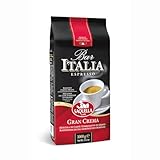
- AUTHENTIC ITALIAN ESPRESSO EXPERIENCE: From Saquella Caffè, family coffee roasters in Italy since 1856 — blending heritage, passion, and quality in every bean.
- FULL-BODIED & CREAMY FLAVOR: A signature Arabica and Robusta blend that delivers a bold espresso with a thick, velvety crema and lingering chocolate notes.
- MEDIUM-DARK ROAST: Carefully roasted for a rich aroma and balanced taste — smooth yet intense, ideal for espresso, cappuccino, or macchiato.
- CONSISTENT QUALITY: Beans are slow-roasted and expertly blended to ensure uniform extraction and a true Italian café-style experience at home.
- MADE IN ITALY: Imported directly from Italy — Saquella Bar Italia Gran Crema is the choice of professional baristas and espresso lovers worldwide.
2. Grind Your Coffee: Grind the beans just before brewing to preserve maximum flavor. The grind size depends on your brewing method. For a concentrated brew, a fine to medium-fine grind is often best.
- What “good” looks like: A consistent grind size, free from excessive dust or very large chunks.
- Common mistake: Grinding too fine (can lead to bitterness and a muddy brew) or too coarse (leading to weak flavor).
- How to avoid: Use a quality burr grinder and experiment with settings until you achieve the desired consistency for your chosen method.
3. Heat Your Water: Heat filtered water to the optimal brewing temperature, typically between 195°F and 205°F.
- What “good” looks like: Water that has reached the target temperature without boiling vigorously.
- Common mistake: Using boiling water, which can scald the coffee grounds and extract bitter compounds.
- How to avoid: Use a thermometer or an electric kettle with temperature control. If using a stovetop kettle, let it rest for about 30 seconds after it boils.
4. Brew Your Coffee: Use a method that yields a concentrated coffee liquid. Espresso is ideal. Alternatively, you can brew a very strong drip coffee or use a Moka pot. Aim for a higher coffee-to-water ratio for intensity.
- What “good” looks like: A rich, aromatic coffee liquid with a deep color.
- Common mistake: Brewing too weak, which will result in a diluted coffee flavor in your filling.
- How to avoid: Measure your coffee grounds and water accurately. For drip, use a ratio like 1:8 or 1:10 (coffee to water by weight).
5. Filter the Coffee (if necessary): If you brewed using a method that leaves sediment (like a French press), strain the coffee through a fine-mesh sieve or a coffee filter to remove solids.
- What “good” looks like: A clear, sediment-free liquid.
- Common mistake: Leaving fine grounds in the coffee, which can create an unpleasant texture.
- How to avoid: Pour slowly and use a very fine sieve or a paper coffee filter.
6. Cool the Coffee Completely: This is a critical step. Warm or hot coffee will melt buttercreams, curdle ganaches, or destabilize other filling bases.
- What “good” looks like: The coffee liquid is at room temperature or chilled.
- Common mistake: Adding warm coffee to your filling base, causing it to split or become greasy.
- How to avoid: Allow the coffee to cool on the counter, or speed up the process by placing the container in an ice bath.
7. Measure for Your Recipe: Once cooled, measure the precise amount of coffee needed for your chosen macaron filling recipe.
- What “good” looks like: The correct volume or weight of coffee as specified by your recipe.
- Common mistake: Eyeballing the amount, leading to an inconsistent flavor profile.
- How to avoid: Use measuring cups or a kitchen scale for accuracy.
8. Incorporate into Filling Base: Gently whisk the cooled coffee into your prepared filling base (e.g., buttercream, ganache, cream cheese frosting).
- What “good” looks like: A smooth, homogenous filling with no streaks or separation.
- Common mistake: Adding the coffee too quickly or in large amounts, which can cause the base to break.
- How to avoid: Add the coffee gradually, whisking continuously until fully incorporated.
9. Taste and Adjust: Sample the filling and adjust sweetness, coffee intensity, or add complementary flavors as needed.
- What “good” looks like: A balanced flavor that highlights the coffee without being overpowering or too sweet.
- Common mistake: Not tasting and adjusting, resulting in a filling that is too bland, too sweet, or unbalanced.
- How to avoid: Taste frequently and make small adjustments. Consider a pinch of salt to enhance flavors.
10. Chill and Pipe: Allow the filling to chill and firm up in the refrigerator, making it easier to pipe onto your macaron shells.
- What “good” looks like: A firm but pliable filling that holds its shape when piped.
- Common mistake: Trying to pipe a filling that is too soft, leading to messy macarons.
- How to avoid: Chill the filling until it reaches the desired consistency for piping.
Common Mistakes (and What Happens If You Ignore Them)
| Mistake | What It Causes | Fix |
|---|---|---|
| Using stale or low-quality coffee | Weak, bitter, or off-flavors in the filling. | Use freshly roasted, high-quality beans. |
| Grinding coffee incorrectly | Under-extracted (weak) or over-extracted (bitter) coffee flavor. | Match grind size to brewing method; use a burr grinder for consistency. |
| Using water that is too hot or too cold | Scalded coffee (bitter) or under-extracted (weak) flavor. | Brew between 195°F and 205°F. |
| Brewing coffee too weak | Macaron filling lacks a discernible coffee flavor. | Increase the coffee-to-water ratio for a concentrated brew. |
| Adding warm coffee to the filling base | Filling base splits, curdles, or becomes greasy. | Ensure coffee is completely cooled to room temperature or chilled before incorporating. |
| Not filtering out fine coffee grounds | Gritty texture in the macaron filling. | Strain brewed coffee through a fine-mesh sieve or paper filter. |
| Over-mixing after adding coffee | Can destabilize certain filling bases (like buttercream), causing them to break. | Add coffee gradually and mix until just combined. |
| Forgetting to taste and adjust | Filling is too sweet, not coffee-forward enough, or unbalanced. | Taste frequently during the process and adjust sweetness, coffee strength, or add a pinch of salt. |
| Using the filling before it’s chilled | Filling is too soft to pipe neatly onto macarons. | Chill the filling until it reaches a firm but pipeable consistency. |
| Adding too much liquid coffee at once | Can make the filling too loose and difficult to handle. | Incorporate liquid ingredients slowly and in stages. |
Decision Rules
- If your macaron shells taste bland, then increase the coffee concentration in your filling because a strong filling can complement a neutral shell.
- If your filling tastes bitter, then reduce the amount of coffee used or try a less dark roast because darker roasts can be more prone to bitterness.
- If your filling is too sweet, then add a touch more coffee or a tiny pinch of salt because salt enhances other flavors and can balance sweetness.
- If your filling base splits (e.g., buttercream separates), then try whisking it vigorously on low speed or slowly re-incorporating a small amount of liquid because sometimes it can be salvaged.
- If you want a more intense coffee flavor without adding more liquid, then consider using espresso powder dissolved in a minimal amount of hot water because it’s highly concentrated.
- If your filling is too firm to pipe, then gently warm it slightly or stir in a teaspoon of milk or cream because this will loosen its consistency.
- If you’re using a cream cheese filling, then ensure the coffee is very well cooled, as cream cheese can curdle more easily than butter-based fillings.
- If you’re aiming for a mocha macaron, then consider adding a small amount of high-quality cocoa powder to your coffee filling base because it complements coffee beautifully.
- If your brewed coffee tastes watery, then you likely need to grind your beans finer or use more coffee grounds for the amount of water because this indicates under-extraction.
- If your filling has an unpleasant aftertaste, then check the freshness of your coffee beans and ensure your brewing equipment is clean because off-flavors often stem from these issues.
FAQ
What kind of coffee is best for macaron filling?
For the most robust flavor, use a high-quality espresso or a very strong brewed coffee. Medium to dark roasts generally offer a richer profile that stands up well in a sweet dessert.
How much coffee should I use?
This depends on your recipe and desired intensity. It’s best to start with a concentrated coffee brew and measure it according to your specific filling recipe. Aim for a higher coffee-to-water ratio during brewing than you would for drinking.
Can I use instant coffee?
While instant coffee is a quick option, it often lacks the nuanced flavor of freshly brewed coffee. If you use it, choose a high-quality brand and dissolve it thoroughly in the smallest amount of hot water possible to avoid adding excess liquid.
My filling split after adding coffee, what happened?
This usually occurs if the coffee was too warm, or if it was added too quickly to a fat-based filling like buttercream. The temperature shock or excessive liquid can cause the emulsion to break.
How do I make my coffee filling smoother?
Ensure your coffee is completely cooled and free of any grounds. Incorporate it gradually into your filling base while whisking continuously. If using a ganache, ensure the chocolate and cream are properly emulsified before adding the coffee.
Can I make coffee filling ahead of time?
Yes, most coffee fillings can be made a day or two in advance and stored in an airtight container in the refrigerator. Allow it to come to room temperature or gently re-whisk it before piping.
How do I prevent a bitter coffee flavor?
Use fresh, good-quality beans. Ensure your water temperature is correct (195-205°F), and avoid over-extracting your coffee. If brewing, don’t let the grounds sit in hot water for too long.
What if I want a coffee and chocolate filling?
You can add unsweetened cocoa powder or melted dark chocolate to your coffee filling base. Ensure the cocoa powder is sifted to avoid lumps, and melt the chocolate separately before incorporating it.
What This Page Does Not Cover (and Where to Go Next)
- Specific recipes for coffee macaron filling (e.g., buttercream, ganache, cream cheese).
- Troubleshooting common macaron shell issues (e.g., no feet, cracked shells).
- Detailed comparisons of different coffee bean origins and their flavor profiles.
- Advanced techniques for latte art or decorative coffee elements on macarons.