
Coffee’s Effect on Hair Color: Fact or Fiction?
Quick answer
- There is no scientific evidence that drinking coffee changes the natural color of your hair.
- Coffee’s color is due to compounds like melanoidins, which are not absorbed and deposited in hair follicles in a way that alters natural pigmentation.
- Topical application of coffee, such as in rinses or masks, can temporarily stain hair strands, especially lighter hair.
- This staining effect is superficial and washes out over time, not a permanent change to hair’s natural pigment.
- Hair color is primarily determined by genetics and melanin production within the hair follicles.
- Any perceived change from consuming coffee is likely coincidental or due to other factors.
Key terms and definitions
- Melanin: The primary pigment responsible for human hair, skin, and eye color.
- Eumelanin: A type of melanin that produces black and brown hair colors.
- Pheomelanin: A type of melanin that produces red and yellow hair colors.
- Hair Follicle: The structure in the skin that produces hair. Hair color is determined here.
- Melanocytes: Cells located in the hair follicle that produce melanin.
- Topical Application: Applying a substance directly to the surface, such as hair or skin.
- Staining: A superficial discoloration that adheres to the surface of hair, rather than altering its internal pigment.
- Oxidation: A chemical process that can lighten or change hair color, often due to sun exposure or chemical treatments.
- Melanoidins: Brown-colored compounds formed during the roasting of coffee beans, contributing to coffee’s color and flavor.
- Natural Hair Color: The genetically determined color of hair, established by the type and amount of melanin produced.
How it works
- Your hair color is set by specialized cells called melanocytes within each hair follicle.
- These melanocytes produce melanin (eumelanin for browns/blacks, pheomelanin for reds/yellows).
- The melanin is then incorporated into the hair shaft as it grows out of the follicle.
- Once the hair shaft emerges, its color is fixed; it does not change from within due to dietary intake.
- When you drink coffee, the compounds are digested and metabolized by your body.
- These compounds do not travel to the hair follicles in a way that would alter melanin production or hair pigmentation.
- The dark color of coffee comes from compounds like melanoidins, which are too large and complex to be absorbed and deposited in the hair shaft to change its color permanently.
- If coffee is applied topically, its pigments can temporarily adhere to the outer layer of the hair shaft.
- This topical staining is most noticeable on lighter or porous hair and is not a permanent alteration of the hair’s natural color.
- The staining effect typically fades with washing and exposure to environmental factors.
What affects the result
- Genetics: The primary determinant of hair color, dictating the type and amount of melanin produced.
- Age: Melanin production decreases over time, leading to graying hair.
- Sun Exposure: UV radiation can break down melanin, causing hair to lighten or develop highlights.
- Chemical Treatments: Dyes, bleaches, and perms can significantly alter hair color and structure.
- Nutritional Deficiencies: Severe deficiencies in certain vitamins or minerals might rarely impact hair health, but not its inherent color.
- Hormonal Changes: Fluctuations during pregnancy or certain medical conditions can sometimes affect hair texture or shedding, but rarely natural color.
- Medications: Some drugs can have side effects that include changes in hair pigmentation, but this is uncommon.
- Hair Porosity: How open the hair cuticle is affects how well topical treatments (like coffee rinses) can penetrate and stain the hair.
- Initial Hair Color: Lighter hair colors (blonde, light brown, gray) will show topical coffee staining more readily than dark brown or black hair.
- Application Method (for topical coffee): The concentration of coffee, duration of application, and frequency of rinsing will influence the intensity and longevity of any temporary stain.
- Water Quality: Hard water can sometimes leave mineral deposits that affect hair appearance, though not its underlying color.
- Shampoo and Conditioner: Certain hair products can strip away temporary stains more quickly or, conversely, help preserve them.
Pros, cons, and when coffee matters for hair color
- Pros of using coffee topically (not drinking it) for hair color:
- Temporary Darkening: Can offer a subtle, temporary darkening or enriching of existing brown tones.
- Natural Option: Perceived as a more natural alternative to chemical dyes for temporary color.
- Added Shine: Some users report increased shine due to coffee’s acidity.
- Cost-Effective: An inexpensive way to experiment with temporary hair tinting.
- Cons of using coffee topically:
- Not Permanent: The effect is short-lived and washes out easily.
- Limited Color Change: Cannot significantly lighten hair or achieve dramatic color shifts.
- Messy Application: Can be messy to apply and rinse out.
- Potential Staining: May stain skin, clothing, or shower surfaces.
- Effectiveness Varies: Results depend heavily on individual hair type, porosity, and original color.
- No Effect on Natural Pigmentation: Does not alter the melanin production in the hair follicle.
- When coffee’s color properties matter (topically):
- When you want a very subtle, temporary darkening of light brown or gray hairs.
- As a temporary refresh for existing brown hair color.
- For adding warmth or richness to dull brown hair.
- If you are trying to avoid chemical hair dyes for a short-term, superficial effect.
- As a natural, low-commitment experiment for hair tinting.
- When coffee’s color properties do NOT matter (drinking it):
- If you’re hoping to change your natural hair color permanently.
- If you expect your hair to become brown from consuming coffee.
- When seeking significant or lasting color changes.
- As a solution for gray hair reversal or prevention through consumption.
If you’re looking for a more natural way to temporarily tint your hair, a strong coffee rinse can offer a subtle darkening effect, especially for lighter or gray strands. For a more permanent and vibrant color change, consider exploring natural hair dye options like henna.
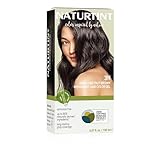
- Enriched with plant-based ingredients for visibly healthier hair
- No ammonia, no parabens, no heavy metals
- USDA BioPreferred Certified and ISO 16128 compliant
- Easy, mess-free application for beautiful color at home
- Forever cruelty-free and vegan
Common misconceptions
- Drinking coffee will turn your hair brown: This is a myth. Consuming coffee does not alter the melanin in your hair follicles.
- Coffee is a natural hair dye: While topical application can temporarily stain hair, it’s not a dye in the traditional sense as it doesn’t penetrate the hair shaft to permanently change its pigment.
- Coffee can reverse gray hair: There is no scientific evidence that either consuming or topically applying coffee can reverse the graying process.
- The caffeine in coffee changes hair color: Caffeine’s primary effect is as a stimulant; it does not interact with hair pigmentation.
- Coffee makes your hair grow faster and darker: While some topical caffeine studies exist regarding hair growth, there’s no link to hair darkening or color change.
- Coffee stains hair permanently: Any staining from topical coffee is superficial and temporary, washing out over time.
- Coffee works like henna for hair color: Henna is a plant-based dye that chemically bonds with keratin in the hair, offering a more permanent stain than coffee. Coffee does not work in the same way.
- The darker the coffee, the darker your hair will get: While darker roasts might have more intense pigments for topical staining, the effect is still temporary and superficial.
While coffee can offer a temporary stain, it’s important to distinguish this from a true hair dye. For significant and lasting color changes, traditional hair dye products are designed to penetrate the hair shaft and alter pigment more effectively.

- 100% GRAY COVERAGE: Ammonia-free⁴ color delivers 100% gray coverage and up to 8 weeks of vibrant color; works on all hair types
- HAIR LOOKS HEALTHIER: Up to 94% silkier² and up to 9X shinier hair³; leaves hair in better condition than before coloring
- HELPS REPAIR HAIR: Bond Repair Complex + Vegan Keratin Fillers help repair hair
- LOVE THE CONDITIONER FROM THE COLORSILK BOX?: Now its yours for everyday use; grab After Color Conditioner to lock in color and boost shine
- COMPLETE YOUR COLOR ROUTINE: Use ColorSilk with Bond Repair to achieve rich, vibrant color, then follow with Revlon After Color Collection, designed to keep your color vibrant & hair strong between colorations
FAQ
Q: Does drinking coffee make your hair brown?
A: No, drinking coffee does not change your natural hair color. Hair color is determined by genetics and melanin produced in the hair follicles, which is not affected by ingested coffee.
Q: Can I use coffee as a natural hair dye?
A: You can use a strong coffee rinse to temporarily stain your hair, especially if it’s light or gray. However, it’s not a permanent dye and will wash out over time.
Q: Will coffee help cover gray hairs?
A: Topically applied strong coffee can offer a very temporary, subtle camouflage for some gray hairs by staining them. It will not permanently cover them or prevent new gray growth.
Q: How long does coffee’s staining effect last on hair?
A: The temporary staining from a coffee rinse typically lasts for a few washes, depending on your hair’s porosity and how often you shampoo.
Q: Is it safe to put coffee on my hair?
A: Generally, yes, applying brewed coffee topically to hair is considered safe for most people. However, always ensure the coffee has cooled to a comfortable temperature to avoid burns.
Q: Does coffee affect hair growth or thickness?
A: Some studies suggest that topical caffeine might stimulate hair growth in certain conditions, but this is separate from its color. Drinking coffee has no proven direct effect on hair thickness or growth rate.
What this page does NOT cover (and where to go next)
- Detailed recipes and application methods for topical coffee hair rinses.
- The science behind how chemical hair dyes work to alter hair color.
- Specific medical conditions that can affect hair color or growth.
- The potential benefits or drawbacks of caffeine consumption on overall health.
- Commercial hair care products that claim to enhance or alter hair color.
- The use of other natural ingredients for hair coloring or conditioning.
This page focuses on the myth of coffee affecting hair color. For a wide range of options to alter or enhance your hair’s appearance, exploring dedicated hair color products is the best next step.

- New look and name, same trusted Original Formula results that will restore your natural color. Just for Men Shampoo-In Color, Deep Dark Brown, is hair coloring that restores your original hair color by targeting gray hair for a natural look unlike other dyes.
- Always natural-looking results. This patented gray target technology formula blends with your original hair color for professional results. Up to 3 applications per box, great for large areas of gray or touch ups.
- Choose from 15 different shades ranging from sandy blond to jet black. When in doubt or unsure of which to choose, always go with the lighter shade. Includes keratin, olive oil and vitamin E but no ammonia for stronger, healthier-looking hair
- Long-Lasting - Will not wash out; Lasts up to 8 weeks until the grey grows back; We know every man is different so our hair coloring product is here when those grey hairs begin to grow back
- Fast & Easy - Pour color base into applicator bottle. Shake & apply. Works in 5 easy minutes. Follow all instructions on the enclosed leaflet. Perform a skin allergy test 48 hours before use, and always use the gloves provided to avoid staining