
Coffee’s Effect on Bladder Control: Causes and Solutions
Quick answer
- Coffee is a diuretic, meaning it increases urine production, which can lead to more frequent bathroom trips.
- Caffeine, a stimulant in coffee, can also irritate the bladder muscle, potentially causing urgency or leakage.
- For some individuals, the acidity of coffee can contribute to bladder irritation.
- Not everyone experiences these effects; sensitivity varies greatly.
- Solutions often involve moderation, timing, and exploring alternatives.
What this problem usually is (and is not)
- This issue typically relates to how the compounds in coffee, primarily caffeine and acids, interact with your urinary system.
- It’s usually not a sign of a serious underlying medical condition, but rather a physiological response to a beverage.
- This is not about “addiction” to coffee, but about the body’s reaction to its chemical components.
- It’s important to distinguish between temporary urgency caused by coffee and chronic incontinence, which requires medical attention.
- This is not an exhaustive guide to all bladder control issues; if symptoms persist or are severe, consult a healthcare professional.
Likely causes (triage list)
Diuretic Effect:
- Increased Fluid Intake: Simply drinking more liquid, including coffee, means more fluid needs to be processed by your kidneys.
- Confirm by noting if your urine output increases significantly after drinking coffee, regardless of other factors.
- Caffeine’s Stimulant Action: Caffeine can stimulate the detrusor muscle in the bladder wall, leading to involuntary contractions.
- Confirm by observing if symptoms align with your caffeine consumption, and if switching to decaf reduces them.
Bladder Irritation:
- Acidity: The natural acids in coffee can directly irritate the bladder lining in sensitive individuals.
- Confirm by noticing if symptoms worsen with darker roasts or if symptoms improve when drinking less acidic beverages.
- Other Coffee Compounds: Beyond caffeine and acidity, other less-understood compounds in coffee might play a role.
- Confirm by testing different types of coffee or brewing methods to see if effects change.
Individual Sensitivity:
- Genetics and Physiology: How your body metabolizes caffeine and responds to bladder stimuli is unique.
- Confirm by observing if family members have similar sensitivities or if your reactions change over time.
- Existing Bladder Conditions: Pre-existing conditions like overactive bladder (OAB) can make you more susceptible to coffee’s effects.
- Confirm by discussing your symptoms with a doctor to rule out or manage underlying conditions.
Fix it step-by-step (brew workflow)
1. Assess Your Current Consumption:
- What to do: Keep a log for a few days noting how much coffee you drink, when, and any bladder symptoms you experience.
- What “good” looks like: A clear pattern emerges between coffee intake and bladder issues.
- Common mistake: Not being specific enough with your log, leading to inaccurate conclusions. Avoid vague entries like “drank coffee.”
2. Consider Decaffeination:
- What to do: Switch to decaffeinated coffee. Note that decaf still contains trace amounts of caffeine.
- What “good” looks like: A significant reduction or elimination of bladder urgency and frequency.
- Common mistake: Assuming decaf has zero caffeine and expecting immediate, complete relief if trace amounts still affect you.
If you’re looking to reduce caffeine’s impact, switching to decaffeinated coffee is a great first step. While it still contains trace amounts of caffeine, it can significantly lessen bladder irritation for many.
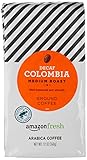
- Balanced, full-bodied medium roast with a smooth finish
- One 12-ounce bag of ground coffee
- Decaffeinated
- 100% Arabica coffee grown in Colombia
- Roasted and packed in the U.S.A.
3. Reduce Overall Intake:
- What to do: Gradually decrease the number of cups you drink per day or the strength of your brew.
- What “good” looks like: More manageable bladder control and fewer disruptive bathroom trips.
- Common mistake: Cutting back too drastically, which can lead to withdrawal symptoms like headaches and making it harder to stick to the change.
4. Time Your Consumption Wisely:
- What to do: Avoid drinking coffee close to bedtime or before activities where bathroom access is limited.
- What “good” looks like: Fewer nighttime awakenings due to bladder urges and more confidence during outings.
- Common mistake: Forgetting to consider the diuretic effect’s timing, drinking coffee right before a long car ride or meeting.
5. Hydrate with Water:
- What to do: Drink plenty of plain water throughout the day, especially when consuming coffee.
- What “good” looks like: Diluted urine, which can be less irritating to the bladder, and overall better hydration.
- Common mistake: Replacing coffee with other caffeinated or sugary beverages, which can have similar or worse effects.
6. Explore Lower-Acidity Options:
- What to do: Try darker roasts or cold-brew coffee, which are often less acidic than lighter roasts.
- What “good” looks like: Reduced bladder irritation and discomfort, even if you still consume some caffeine.
- Common mistake: Not realizing that “less acidic” doesn’t mean “non-acidic” and still experiencing some irritation.
7. Consider Alternatives:
- What to do: Experiment with herbal teas (like chamomile or peppermint, but be mindful of individual sensitivities), chicory root “coffee,” or other caffeine-free beverages.
- What “good” looks like: Enjoying a warm beverage without the negative bladder side effects.
- Common mistake: Choosing alternatives that are also bladder irritants (e.g., citrus-flavored drinks).
For those who find even decaf coffee problematic, exploring coffee alternatives can be a game-changer. Consider options like chicory root ‘coffee’ or herbal teas to enjoy a warm beverage without the bladder-related side effects.
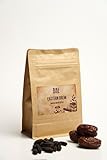
- CLOSE TO COFFEE TASTE: Experience a delightful Turkish-style sip with this coffee substitute; its flavor profile is made from healthy date seeds but resembles traditional coffee; perfect for those seeking a non coffee alternative
- CAFFEINE-FREE DELIGHT: Enjoy the rich aroma crafted from decaffeinated date seeds, you can enjoy the delicious taste of coffee without compromising on taste or experiencing side effects from caffeine
- VEGAN FRIENDLY CHOICE: Our herbal beverage is ideal for vegans or those following a plant-based diet; enjoy the closer-to-coffee taste without any animal products
- EASY TO MAKE: Our coffee alternative is made just like regular Turkish coffee; simply add one to two teaspoons of our ground Eastern Brew to your cezve filled with water for a perfect brew
- ORGANIC & HEALTHY: A healthy coffee alternative, date seeds are a natural source of antioxidants and polyphenols, which may help promote heart health; gluten-free, no artificial ingredients, colors, or flavors
8. Strengthen Pelvic Floor Muscles:
- What to do: Perform Kegel exercises regularly to strengthen the muscles that support bladder control.
- What “good” looks like: Improved ability to hold urine and reduced instances of leakage.
- Common mistake: Not performing Kegels correctly or consistently, which limits their effectiveness. Consult a physical therapist if unsure.
9. Consult a Healthcare Professional:
- What to do: If symptoms are severe, persistent, or concerning, see your doctor.
- What “good” looks like: A proper diagnosis and personalized treatment plan for any underlying bladder conditions.
- Common mistake: Self-diagnosing or delaying medical consultation when symptoms are significant.
Prevent it next time
- Moderation is Key: Be mindful of your daily coffee intake.
- Hydration Balance: Always pair coffee with adequate water.
- Timing Matters: Avoid late-day coffee consumption.
- Listen to Your Body: Pay attention to how different coffees affect you.
- Consider Decaf: Make decaf a regular part of your routine.
- Brew Wisely: Experiment with cold brews or darker roasts for lower acidity.
- Pelvic Floor Fitness: Incorporate Kegel exercises regularly.
- Regular Check-ups: Discuss any bladder concerns with your doctor.
- Read Labels: Be aware of other bladder irritants in your diet.
Common mistakes (and what happens if you ignore them)
| Mistake | What it causes | Fix |
|---|---|---|
| Drinking large amounts of coffee daily | Increased urinary frequency, urgency, and potential leakage. | Reduce daily intake gradually. |
| Consuming coffee close to bedtime | Frequent nighttime awakenings due to bladder urges, disrupting sleep. | Stop drinking coffee at least 4-6 hours before sleep. |
| Ignoring bladder signals after drinking coffee | Bladder irritation can worsen, leading to more severe urgency or spasms. | Pay attention to your body; reduce intake or switch to decaf if symptoms arise. |
| Relying solely on decaf without other changes | Trace amounts of caffeine or acidity might still cause issues for sensitive people. | If decaf doesn’t fully resolve symptoms, consider reducing overall fluid intake or exploring other alternatives. |
| Not drinking enough water | Concentrated urine can be more irritating to the bladder. | Increase plain water intake throughout the day, especially when drinking coffee. |
| Drinking very light or acidic roasts | Higher acidity can directly irritate the bladder lining. | Switch to darker roasts or cold brew, which are generally less acidic. |
| Skipping Kegel exercises | Weakened pelvic floor muscles can reduce bladder control over time. | Incorporate Kegel exercises into your daily routine; consult a physical therapist if unsure of proper technique. |
| Not consulting a doctor for persistent issues | Underlying conditions may go undiagnosed and untreated. | Seek medical advice for persistent or severe bladder control problems. |
| Assuming coffee is the <em>only</em> cause | Other dietary or lifestyle factors contributing to bladder issues are missed. | Keep a detailed food and symptom diary to identify all potential triggers, not just coffee. |
| Drinking coffee on an empty stomach | Can sometimes exacerbate acidity and irritation for sensitive individuals. | Try having coffee with or after a meal. |
Decision rules (simple if/then)
- If you experience increased urinary frequency after drinking coffee, then reduce your coffee intake because coffee is a diuretic.
- If you have sudden, strong urges to urinate after drinking coffee, then consider switching to decaf or reducing intake because caffeine can stimulate the bladder muscle.
- If your bladder irritation seems worse with certain types of coffee (e.g., light roasts), then try darker roasts or cold brew because acidity levels vary.
- If bladder symptoms occur primarily at night after drinking coffee, then avoid coffee in the afternoon and evening because its diuretic effect can disrupt sleep.
- If you experience bladder leakage along with urgency after coffee, then strengthen your pelvic floor muscles through Kegels because stronger muscles can improve control.
- If reducing coffee intake and switching to decaf doesn’t help, then increase your water intake because diluted urine is less irritating.
- If symptoms persist or worsen despite dietary changes, then consult a healthcare professional because there might be an underlying bladder condition.
- If you notice that drinking coffee on an empty stomach causes more issues, then try consuming it with food because food can buffer stomach acidity.
- If you are pregnant or have a known bladder condition, then discuss your coffee consumption with your doctor because these factors can increase sensitivity.
- If you experience discomfort or burning during urination after drinking coffee, then consider that acidity might be a significant factor and try less acidic brews.
- If you are sensitive to caffeine, then even small amounts in decaf might cause symptoms, so consider other caffeine-free alternatives.
FAQ
Q: Does decaf coffee still affect my bladder?
A: Yes, decaf coffee still contains trace amounts of caffeine and its acidity can still be a factor for sensitive individuals.
Q: How quickly do coffee’s effects on the bladder appear?
A: For most people, the diuretic effect can start within 30-60 minutes, while bladder irritation might be felt sooner or later depending on individual sensitivity.
Q: Can coffee cause incontinence?
A: While coffee can worsen existing bladder control issues or cause temporary urgency and leakage in some, it doesn’t typically cause chronic incontinence on its own.
Q: Is it safe to drink coffee if I have a bladder infection?
A: It’s generally advisable to avoid coffee and other irritants when you have a bladder infection, as it can worsen discomfort and delay healing. Consult your doctor.
Q: What are symptoms of bladder irritation from coffee?
A: Symptoms can include increased frequency, sudden urgency, a feeling of incomplete bladder emptying, or even leakage.
Q: Are there specific roasts of coffee that are better for bladder control?
A: Darker roasts and cold brews are often less acidic than lighter roasts and may be better tolerated by individuals sensitive to acidity.
Q: Can I still enjoy coffee if I have bladder control issues?
A: Many people can still enjoy coffee in moderation by making smart choices about timing, quantity, and type of coffee, and by staying well-hydrated.
Q: What is overactive bladder (OAB)?
A: OAB is a condition characterized by sudden, strong urges to urinate, often with leakage, and coffee can sometimes exacerbate these symptoms.
What this page does NOT cover (and where to go next)
- Detailed medical diagnosis of all bladder control disorders.
- Next steps: Consult a urologist or urogynecologist for a comprehensive evaluation.
- Specific treatment protocols for diagnosed bladder conditions like interstitial cystitis or severe OAB.
- Next steps: Discuss medication options, behavioral therapies, or surgical interventions with your doctor.
- The effects of other beverages (soda, alcohol, energy drinks) on bladder control.
- Next steps: Research common bladder irritants in beverages and diet.
- The role of diet and lifestyle in managing bladder health beyond coffee consumption.
- Next steps: Explore resources on bladder-friendly diets and general pelvic health.