
Coffee Maker Issues: Not Enough Water
Quick answer
- The most common reason your coffee maker isn’t producing enough brewed coffee is simply not adding enough water to the reservoir.
- Check that the water level in the reservoir is above the minimum fill line indicated by the manufacturer.
- Ensure the reservoir is properly seated and the lid is closed securely.
- Verify that no coffee grounds or other debris are blocking the water intake.
- If you’ve added the correct amount of water and still have issues, the problem might be a clogged internal line or a malfunctioning pump.
What this problem usually is (and is not)
- This problem usually means that the amount of water you intended to brew with is not reaching the brewing chamber.
- It’s typically not a sign of a complex electrical failure, though a faulty pump can mimic this issue.
- It’s also not usually a sign that your coffee grounds are the wrong coarseness, though very fine grounds can sometimes clog a filter and slow down the brew.
- We are focusing on situations where the brewed coffee output is significantly less than the water added, or no coffee brews at all.
- This guide assumes you’re using a standard drip coffee maker.
This guide assumes you’re using a standard drip coffee maker, like this reliable model.
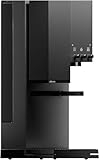
- 1. Three Levels of Automation for Any Skill Level: Choose from Autopilot, Copilot, or Free Solo mode. Autopilot handles the entire brewing process automatically. Copilot provides step-by-step guidance. Free Solo gives you full manual control. This coffee machine works for beginners and professional baristas alike.
- 2. Intuitive User Interface with Tactile Knobs and LED Matrix: The Studio features physical control knobs and a clear LED Matrix display. You can adjust grind size, water temperature, and flow rate in real time without navigating complicated touchscreen menus.
- 3. Full Customization via the xBloom App: Use the xBloom app to create, adjust, save, and share your favorite coffee recipes. Every brewing parameter can be fine-tuned and synced to the machine instantly. Your perfect cup is saved and repeatable.
- 4. Compostable xPod System for Minimal Waste and Maximum Flavor: Each xPod contains carefully selected whole beans and a built-in filter. Tap the recipe card, pour the beans into the grinder, place the pod into the dock, and press start. No capsules, no extra paper filters, no unnecessary waste.
- 5. What Is Included in the Box: The package includes the xBloom Studio, Omni Dripper 2 with Hyperflow Bottom, 10 paper filters, xPod Dock, Magnetic Dosing Cup, default recipe card, quick start guide, cleaning brush, universal power cord, and a 2-Year xbloom brand warranty. Everything you need is included—along with long-term peace of mind.
Likely causes (triage list)
Water Level and Reservoir
- Insufficient Water: The most straightforward cause. Did you fill the reservoir to the desired level, ensuring it’s above the minimum line?
- Reservoir Not Seated Properly: The reservoir needs to be firmly in place for water to flow into the machine.
- Reservoir Lid Ajar: If the lid isn’t closed, it can prevent the water from being drawn into the system correctly.
Coffee Grounds and Filter
- Overfilled Filter Basket: Too many grounds can create a blockage, preventing water from passing through efficiently.
- Clogged Filter: A paper filter that’s folded or a reusable filter clogged with fine grounds can impede water flow.
Machine Setup and Internal Issues
- Blocked Water Intake: Small particles or mineral buildup can obstruct the opening where water enters the brewing mechanism.
- Clogged Internal Brew Lines: Over time, mineral deposits can build up inside the machine, restricting water flow.
- Malfunctioning Pump (for some models): Some coffee makers have a pump that draws water from the reservoir. If it’s failing, it won’t move enough water.
Fix it step-by-step (brew workflow)
1. Check Water Level:
- What to do: Remove the coffee maker’s carafe and open the reservoir lid. Visually inspect the water level. Add fresh, cold water to the desired mark, ensuring it’s above the minimum fill line.
- What “good” looks like: The water level is clearly visible and within the recommended range indicated on the reservoir.
- Common mistake and how to avoid it: Forgetting to add water altogether. Always double-check the reservoir before starting a brew cycle.
2. Ensure Reservoir is Seated Correctly:
- What to do: Remove the water reservoir and then firmly reinsert it, making sure it clicks or sits flush against the machine.
- What “good” looks like: The reservoir feels secure and doesn’t wobble or have gaps.
- Common mistake and how to avoid it: Not pushing the reservoir all the way in. Listen for a click or feel for a secure fit.
3. Verify Reservoir Lid is Closed:
- What to do: Gently press down on the reservoir lid to ensure it’s fully closed and latched.
- What “good” looks like: The lid is flush with the reservoir and doesn’t spring open.
- Common mistake and how to avoid it: Leaving the lid slightly ajar. Make sure it seals properly.
4. Inspect Filter Basket and Filter:
- What to do: Remove the filter basket. If using a paper filter, ensure it’s properly seated and not folded. If using a reusable filter, check for clogs. Remove old grounds and rinse.
- What “good” looks like: The filter is neatly in place, and the basket is clean and free of obstructions.
- Common mistake and how to avoid it: Using too many coffee grounds. Stick to the recommended amount for your machine and coffee type.
5. Check for Blockages at Water Intake:
- What to do: With the reservoir removed, look into the area where the water flows from the reservoir into the machine. Gently probe with a toothpick or cotton swab if you see any visible debris.
- What “good” looks like: The opening is clear and unobstructed.
- Common mistake and how to avoid it: Forcing debris. Be gentle to avoid damaging internal components.
6. Run a Water-Only Brew Cycle:
- What to do: Reassemble the machine without coffee grounds. Fill the reservoir with water and run a full brew cycle.
- What “good” looks like: The machine brews a full pot of water, indicating that the water flow system is likely functioning.
- Common mistake and how to avoid it: Skipping this step. It helps isolate whether the issue is with water flow or coffee grounds.
7. Initiate a Cleaning Cycle (if applicable):
- What to do: If your machine has a cleaning cycle, follow the manufacturer’s instructions to run it. If not, you can often simulate one by brewing with a vinegar/water solution (check your manual first).
- What “good” looks like: The machine brews a full cycle, and any visible mineral buildup is flushed out.
- Common mistake and how to avoid it: Not descaling regularly. This can lead to clogs over time.
Prevent it next time
- Always Measure Water: Use the markings on your reservoir or carafe to add the correct amount of water for the number of cups you want.
- Use Filtered Water: This reduces mineral buildup, which is a common cause of clogs. Store unused water in a clean, sealed container.
- Don’t Overfill the Filter Basket: Follow the coffee maker’s recommendations for the maximum amount of grounds.
- Rinse Reusable Filters: Clean your reusable filter after each use to prevent grounds from hardening.
- Check Reservoir Seating: Ensure the water reservoir is properly locked into place before brewing.
- Keep Reservoir Lid Closed: Make sure the lid is securely shut to allow proper water flow.
- Clean Your Machine Regularly: Run a cleaning cycle or descale your coffee maker every 1-3 months, depending on your water hardness and usage.
- Inspect Water Intake Area: Periodically check the area where the reservoir connects to the machine for any debris.
- Perform Basic Safety Checks: Ensure the power cord is in good condition and the machine is placed on a stable, heat-resistant surface.
Common mistakes (and what happens if you ignore them)
| Mistake | What it causes | Fix |
|---|---|---|
| Not adding enough water | Significantly less brewed coffee than expected, or no coffee at all. | Add the correct amount of water to the reservoir, ensuring it’s above the minimum fill line. |
| Reservoir not seated properly | Water leaks from the base or doesn’t flow into the machine. | Remove and reinsert the reservoir, ensuring it’s firmly seated and locked into place. |
| Reservoir lid left ajar | Water flow is interrupted or leaks from the top of the reservoir. | Close the reservoir lid securely until it latches or sits flush. |
| Overfilling the filter basket with grounds | Slow brew time, overflow of water into the basket, or weak coffee. | Reduce the amount of coffee grounds. Consult your coffee maker’s manual for recommended fill levels. |
| Using a clogged reusable filter | Water backs up in the filter basket, leading to a messy overflow. | Thoroughly clean the reusable filter after each use, ensuring all grounds are removed. |
| Forgetting to put a filter in | Coffee grounds will end up in your carafe, making for a gritty and unpleasant cup. | Always ensure a filter (paper or reusable) is correctly placed in the filter basket before adding coffee grounds. |
| Not cleaning the machine regularly | Mineral buildup can clog internal lines, reducing water flow. | Descale your coffee maker every 1-3 months using a descaling solution or vinegar/water mixture, following manufacturer instructions. |
| Using tap water with high mineral content | Faster mineral buildup in the machine, leading to flow issues. | Use filtered or bottled water. Store unused water in a clean, sealed container. |
| Not running a water-only test brew | You might not know if the issue is water flow or coffee grounds. | Run a brew cycle with just water to confirm the machine’s water delivery system is working before troubleshooting coffee grounds. |
Decision rules (simple if/then)
- If you added less than the desired amount of water to the reservoir, then the machine will brew less coffee because it only has that much water to work with.
- If the water reservoir is not seated correctly, then water will not flow into the brewing chamber because the connection is broken.
- If the reservoir lid is open, then the water may not be drawn into the machine properly because the seal is incomplete.
- If the filter basket is overfilled with grounds, then the water may back up and brew slowly or overflow because the grounds are creating a blockage.
- If you ran a brew cycle with water only and it produced a full pot, then the problem is likely related to your coffee grounds or filter, not the machine’s water system.
- If you ran a brew cycle with water only and it produced very little water, then the issue is likely a clog in the machine’s water lines or a malfunctioning pump.
- If you see visible mineral buildup in the reservoir or on the heating element, then descaling the machine is necessary because mineral deposits restrict water flow.
- If the brewed coffee tastes weak or watery, and you are sure you added enough water, then check your coffee-to-water ratio and grind size because these can affect extraction.
- If water is leaking from the bottom of the machine, then check the reservoir seating and the seals because a faulty seal can cause leaks.
- If the machine is making unusual noises during the brew cycle, it could indicate a pump issue or a blockage, so it’s worth investigating potential clogs first.
FAQ
Q: My coffee maker is making a sputtering noise, but no coffee is coming out.
A: This often indicates a blockage. Ensure there’s enough water in the reservoir and check for clogged grounds or a blocked water intake.
Q: I added water, but the coffee maker won’t start brewing.
A: Double-check that the water reservoir is properly seated and the lid is closed. Also, ensure the machine is plugged in and the power button is pressed correctly.
Q: Why is only a small amount of coffee brewing, even though I filled the reservoir?
A: This could be due to a partially blocked water line, an improperly seated reservoir, or too many coffee grounds in the filter basket.
Q: Can I use hot tap water to speed up brewing?
A: It’s generally recommended to use cold, fresh water. Hot water can sometimes damage the machine or affect the taste of the coffee.
Q: How often should I descale my coffee maker?
A: The frequency depends on your water hardness and usage, but typically every 1-3 months is a good guideline.
Q: What if I accidentally put coffee grounds in the water reservoir?
A: Empty and clean the reservoir thoroughly. Then, run several cycles with just plain water to flush out any residual grounds.
Q: My coffee maker is old and has always brewed slowly. Is this normal?
A: Some older models may brew slower, but a significant decrease in brew speed or output usually indicates a problem like mineral buildup.
Q: What are those black specks in my coffee?
A: These are likely very fine coffee grounds that have bypassed the filter. Ensure your filter is properly seated and not damaged.
What this page does NOT cover (and where to go next)
- Specific troubleshooting for advanced brewing methods (e.g., espresso machines, pour-over setups). Refer to your specific brewer’s manual.
- Detailed electrical diagnostics for motor or heating element failures. If you suspect an electrical issue, consult a qualified technician.
- Troubleshooting unusual smells or tastes beyond general cleaning advice. This might require exploring coffee bean freshness or specific cleaning agents.
- Warranty claims or repair services. For persistent issues or if your machine is under warranty, contact the manufacturer.
- Finding replacement parts for specific models. Check the manufacturer’s website or authorized parts dealers.