
Brewing Illy Coffee: Tips for a Perfect Cup
Quick answer
- Use freshly ground Illy beans for the best flavor.
- Start with filtered water. It makes a big difference.
- Dial in your grind size. Too fine or too coarse messes things up.
- Get your coffee-to-water ratio right. It’s the foundation.
- Keep your brewer clean. Seriously, clean it often.
- Pre-heat your brewer and mug. Warmth is key for flavor.
Who this is for
- Anyone who just bought Illy coffee and wants to make it taste its best at home.
- Folks who are brewing Illy but feel like it’s just “okay” and want to level up.
- Coffee lovers who appreciate a quality bean and want to unlock its full potential.
What to check first
Brewer type and filter type
Your brewer dictates a lot. Are you using an espresso machine, a drip brewer, a French press, or maybe a Moka pot? Each has its own sweet spot. And what about the filter? Paper filters can strip away some oils, while metal filters let more through. For Illy, especially their espresso roasts, a brewer that can handle pressure like an espresso machine or Moka pot is often preferred. But don’t sweat it if you’re using drip; just adjust your expectations and technique.
Water quality and temperature
This is a biggie. If your tap water tastes funky, your coffee will too. Use filtered or bottled water. Aim for water that’s around 195-205°F (90-96°C) for most brewing methods. Too hot, and you’ll scorch the grounds. Too cool, and you’ll get weak, sour coffee. Most automatic drip machines don’t hit this sweet spot, so if you’re serious, consider a kettle with temperature control.
Grind size and coffee freshness
Illy beans are roasted for a specific flavor profile. To get that, you need to grind them fresh. Pre-ground coffee loses its aroma and flavor fast. For espresso, you’ll need a very fine grind. Drip coffee needs a medium grind, and a French press likes it coarse. Think of it like this: espresso is like powdered sugar, drip is like table salt, and French press is like coarse sea salt. Freshness means grinding right before you brew.
To truly experience the rich flavor profile Illy is known for, start with high-quality Illy coffee beans, ensuring they are freshly roasted.
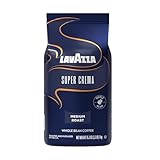
- SUPER CREMA: A 2.2 lb whole bean coffee bag ideal for espresso preparation
- INTENSITY AND ROAST: This full-bodied medium roast offers a bold and creamy finish
- BLEND: Made from Arabica and Robusta beans, this naturally caffeinated blend is sourced from 15 coffee-growing countries around the world
- PREPARATION: Ideal for espresso preparation.
- BREWING GUIDE FOR SINGLE ESPRESSO: 0.28 oz of ground espresso delivers a 1 oz espresso shot
Coffee-to-water ratio
This is your recipe. A good starting point for most methods is a ratio of 1:15 to 1:18 (coffee to water by weight). So, for every gram of coffee, use 15 to 18 grams of water. If you’re measuring by volume, it’s roughly 1-2 tablespoons of coffee per 6 oz of water. Too little coffee, and it’ll be watery. Too much, and it can be overpowering or bitter. A scale is your best friend here.
For precise and consistent brewing, a reliable coffee scale is an invaluable tool to accurately measure your coffee-to-water ratio.

- Barista-Level Precision: A 0.1g high-precision sensor with a rapid refresh rate responds instantly to changes in weight, helping you achieve consistent results across espresso, pour over, drip coffee, Chemex, V60, and filter coffee brewing.
- Integrated Brew Timer: A built-in count-up and count-down timer tracks bloom, extraction, and espresso shots. Ideal for dialing in espresso, timing Chemex and V60 pour over recipes, or steeping tea. Auto-shutoff helps preserve battery life between brews.
- Durable Waterproof Silicone Cover: The heat-resistant, dishwasher-safe silicone cover helps protect the coffee scale's spacious 5.25" x 5.25" weighing surface from splashes, spills, and hot equipment. The grooved surface provides added stability and makes cleanup quick and easy.
- Versatile Measurement Options: Quick-tare and 6 unit options make it easy to weigh coffee beans, espresso shots, matcha portions, and more. Choose from g, ml, lb, lb:oz, oz, and fl oz for added flexibility in the kitchen and coffee bar.
- Intuitive Design: A bright dual-color LCD display clearly separates weight and timer readings, while simple controls make daily brewing easy. Includes 3 AAA batteries and is backed by 5 years of coverage, with support from our St. Louis-based team whenever you need a hand.
Cleanliness/descale status
Nobody likes stale coffee oils or mineral buildup. Regularly clean your brewer. For drip machines, descaling every 1-3 months is a good idea, depending on your water hardness. For espresso machines, it’s even more critical. A dirty machine will make even the best beans taste off. It’s like trying to cook a gourmet meal in a greasy pan – just doesn’t work.
Step-by-step (brew workflow)
1. Gather your gear.
- What to do: Get your Illy beans, grinder, brewer, filter (if needed), scale, kettle, and mug ready.
- What “good” looks like: Everything is within easy reach and clean. No last-minute scrambling.
- Common mistake: Forgetting a key piece of equipment. Avoid this by doing a quick check before you start.
2. Heat your water.
- What to do: Heat filtered water to your target temperature, usually 195-205°F (90-96°C).
- What “good” looks like: Water is at the correct temperature and ready to go.
- Common mistake: Using boiling water. This can scorch your coffee. Let it cool for about 30-60 seconds after boiling.
3. Weigh your coffee beans.
- What to do: Use your scale to weigh out the desired amount of whole Illy beans. A common starting point is 15-20 grams for a standard cup.
- What “good” looks like: Precise measurement for consistent results.
- Common mistake: Guessing the amount. This leads to inconsistent brews.
4. Grind your beans.
- What to do: Grind the weighed beans to the appropriate size for your brewing method.
- What “good” looks like: Freshly ground coffee with an aroma that fills the room.
- Common mistake: Grinding too fine or too coarse. This is a common culprit for bad taste.
5. Prepare your brewer and filter.
- What to do: Rinse your paper filter with hot water (if using one) to remove papery taste and pre-heat the brewer. Discard the rinse water.
- What “good” looks like: A clean, pre-heated brewing device.
- Common mistake: Not rinsing the paper filter. This can leave a papery taste in your cup.
6. Add grounds to the brewer.
- What to do: Carefully add your freshly ground Illy coffee into the prepared brewer.
- What “good” looks like: An even bed of grounds.
- Common mistake: Spilling grounds. This wastes coffee and makes a mess.
7. Bloom the coffee (if applicable).
- What to do: For pour-over or French press, pour just enough hot water (about twice the weight of the coffee) to saturate all the grounds. Let it sit for 30 seconds.
- What “good” looks like: The coffee grounds expand and release CO2, forming a bubbly “bloom.”
- Common mistake: Skipping the bloom. This can lead to uneven extraction and a flat taste.
8. Complete the brew.
- What to do: Slowly and evenly pour the remaining hot water over the grounds, following the technique for your specific brewer.
- What “good” looks like: A steady stream of coffee filling your carafe or mug.
- Common mistake: Pouring too fast or unevenly. This can cause channeling and under-extraction.
9. Let it finish.
- What to do: Allow all the water to drip through or steep for the recommended time.
- What “good” looks like: The brewing process is complete, and you have a full carafe or mug.
- Common mistake: Stopping the brew too early or letting it go too long. This messes with extraction.
10. Serve and enjoy.
- What to do: Pour your freshly brewed Illy coffee into a pre-heated mug.
- What “good” looks like: A delicious, aromatic cup of coffee.
- Common mistake: Drinking it lukewarm. Pre-heating your mug makes a difference.
Common mistakes (and what happens if you ignore them)
| Mistake | What it causes | Fix |
|---|---|---|
| Using stale, pre-ground coffee | Flat, dull, and weak flavor. Lost aromatics. | Grind beans fresh, right before brewing. |
| Incorrect grind size | Too fine: bitter, clogged brewer. Too coarse: weak, sour. | Adjust your grinder based on brew method. Consult brew guides. |
| Wrong water temperature | Too hot: burnt, bitter. Too cool: sour, weak. | Use a thermometer or temp-controlled kettle. Aim for 195-205°F (90-96°C). |
| Inconsistent coffee-to-water ratio | Weak or overly strong coffee. | Use a scale to weigh coffee and water for precision. |
| Dirty brewer or equipment | Stale, off-flavors, bitter aftertaste. | Clean your brewer regularly. Descale automatic machines periodically. |
| Not pre-heating brewer/mug | Coffee cools too quickly, losing aroma and flavor. | Rinse your brewer and mug with hot water before brewing. |
| Skipping the bloom | Uneven extraction, flat taste, less body. | Always bloom your coffee for about 30 seconds before the main pour. |
| Pouring water too quickly/unevenly | Channeling, under-extraction, weak spots. | Pour slowly and steadily, ensuring all grounds are saturated. |
| Using tap water with off-flavors | Unpleasant taste that masks coffee notes. | Use filtered or bottled water for a cleaner, more neutral base. |
| Letting coffee sit on a hot plate too long | Burnt, bitter, and stale coffee. | Brew only what you’ll drink immediately or transfer to a thermal carafe. |
Decision rules (simple if/then)
- If your coffee tastes bitter, then try a coarser grind because a finer grind can over-extract.
- If your coffee tastes sour or weak, then try a finer grind because a coarser grind can under-extract.
- If your coffee tastes burnt, then your water might be too hot, so let it cool slightly before brewing.
- If your coffee tastes like old socks, then your brewer probably needs cleaning because stale oils build up.
- If your coffee tastes bland, then check your coffee-to-water ratio; you might be using too little coffee.
- If your coffee is consistently inconsistent, then invest in a good burr grinder and a scale for precision.
- If you’re using a French press and get a lot of sediment, then ensure your grind is coarse enough because fine grinds will slip through the filter.
- If your drip coffee maker brews too slowly, then your grind might be too fine, or the machine needs descaling.
- If your espresso is too watery and has no crema, then your grind is likely too coarse or not tamped firmly enough.
- If your coffee tastes muddy, then your filter might be damaged or your grind is too fine for the method.
- If you taste a papery flavor, then you probably didn’t rinse your paper filter adequately.
FAQ
What’s the best Illy coffee roast for beginners?
Illy’s Classico (medium roast) is a great starting point. It’s balanced and forgiving, making it easier to get a good cup while you’re learning.
Can I use Illy coffee for cold brew?
Absolutely. Illy’s medium or dark roasts work well for cold brew. Just use a coarser grind and a longer steep time.
How often should I clean my coffee maker?
For daily use, rinse the parts that touch coffee after each brew. Deep clean and descale your machine every 1-3 months, depending on usage and water hardness.
My Illy espresso tastes weak. What’s wrong?
This usually means your grind is too coarse, your tamping pressure is too light, or you’re not using enough coffee. Adjust one variable at a time.
Is it okay to reuse coffee grounds?
No. Reusing grounds leads to weak, under-extracted coffee. You only get one good brew out of each batch of grounds.
What’s the deal with blooming coffee?
Blooming releases trapped CO2 gas from fresh coffee. This allows for more even water contact and better extraction, leading to a more flavorful cup.
Should I store Illy beans in the fridge or freezer?
Generally, no. For everyday use, store whole beans in an airtight container at room temperature, away from light and heat. Freezing can introduce moisture and odors.
How can I make my Illy coffee taste richer?
Try a slightly finer grind, a slightly hotter water temperature (within the recommended range), or a slightly higher coffee-to-water ratio. Ensure your beans are fresh.
What this page does NOT cover (and where to go next)
- Specific troubleshooting for every single brand and model of coffee maker.
- Detailed explanations of advanced brewing techniques like siphon or AeroPress.
- Comparisons of different Illy coffee origins or specific flavor profiles.
- How to fix major mechanical issues with your coffee equipment.
Next, you might want to explore guides on specific brewing methods, learn more about the science of extraction, or dive into the world of different coffee origins and roast levels.
