
Coffee And Fat Gain: The Truth Revealed
Quick answer
- Coffee itself doesn’t directly cause fat gain.
- It’s the additives like sugar, cream, and syrups that pack on calories.
- Black coffee has virtually no calories.
- Caffeine can slightly boost metabolism, but it’s not a magic bullet for weight loss.
- Consuming too many high-calorie coffee drinks can lead to a calorie surplus, causing fat gain.
- Focus on what you add to your coffee, not just the coffee itself.
Key terms and definitions
- Calorie Surplus: When you consume more calories than your body burns. This is the primary driver of fat gain.
- Metabolism: The process your body uses to convert food and drink into energy.
- Caffeine: A natural stimulant found in coffee beans, known for its energy-boosting effects.
- Adipose Tissue: The scientific term for body fat.
- Empty Calories: Calories from foods or drinks that offer little nutritional value. Sugary coffee drinks often fall into this category.
- Thermogenesis: The process by which your body burns calories to produce heat. Caffeine can slightly increase this.
- Insulin: A hormone that regulates blood sugar. Sugary drinks can spike insulin levels.
- Nutrient Density: Foods and drinks that provide a high amount of nutrients relative to their calorie content. Black coffee is nutrient-dense in terms of antioxidants.
How it works
- Coffee beans are roasted and ground.
- Hot water is passed through the grounds.
- This process extracts soluble compounds like oils, acids, and caffeine.
- These compounds create the flavor, aroma, and stimulant effects of coffee.
- Black coffee is essentially flavored water with a bit of caffeine.
- The calories in your coffee drink come from what you add to it.
- Sugar, cream, milk, and flavored syrups are calorie-dense ingredients.
- When these ingredients are added in significant amounts, the calorie count of your drink can skyrocket.
- Your body stores excess calories as fat, regardless of their source.
For the freshest and most flavorful coffee, grinding your own beans at home is a game-changer. A good coffee bean grinder can elevate your daily brew.
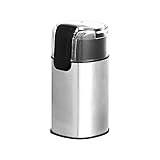
Amazon Basics Fast Electric Coffee Grinder for Home Use, Easy to Use Coffee Bean and Spice Grinder with Heavy-Duty Stainless Steel Grind Blades
- Electric coffee bean grinder appliance for home use
- Can grind 30 grams/1 ounce of beans for drip coffee brewing in 10 seconds
- Grind coffee beans, herbs, spices, grains, nuts, and more
- Clear safety lid allows you to easily see the results in progress
- Heavy-duty stainless steel grind blade
What affects the result
- Additives: This is the big one. Sugar, cream, whole milk, flavored syrups, whipped cream – they all add calories. A fancy latte can easily pack 300-500 calories. That’s a lot!
- Portion Size: A 12-oz mocha is different from a 20-oz venti. More volume usually means more calories, especially if additives are involved.
- Frequency of Consumption: Drinking a high-calorie coffee drink every day adds up much faster than having one occasionally.
- Overall Diet: If your coffee habit is pushing you into a calorie surplus for the day, then yes, it contributes to fat gain. It’s part of the bigger picture.
- Individual Metabolism: Some people naturally burn more calories than others. This plays a role, but it doesn’t negate the impact of a calorie surplus.
- Caffeine’s Metabolic Boost: While caffeine can slightly increase metabolism, the effect is generally modest and temporary. It’s unlikely to offset a poor diet.
- Type of Milk/Creamer: Skim milk has fewer calories than whole milk or heavy cream. Non-dairy options vary.
- Artificial Sweeteners: While they don’t add calories, their long-term effects are still debated by some.
- Timing of Consumption: Some research suggests that consuming calories later in the day might impact fat storage differently, but this is complex and not fully understood.
- Hydration Levels: Sometimes people mistake thirst for hunger. Staying hydrated can help manage appetite.
- Sleep Quality: Poor sleep can mess with your hormones that regulate appetite and fat storage.
- Stress Levels: Chronic stress can also influence hormones and lead to increased fat storage.
If you love creamy coffee but want to cut down on calories, consider using a low-calorie coffee creamer. It’s a simple swap that can make a big difference.

Splenda Sugar Free, Low Calorie Sweet Cream Coffee Creamer, 8 Fl Ounces Bottle (Pack of 6)
- The information below is per-pack only
- GREAT TASTE: Experience the rich creamy flavor of Sweet Cream with this velvety smooth liquid coffee creamer without the added sugar like other brands
- SUGAR FREE: Your health is important to us! We have removed the sugar and corn syrup while keeping the taste you expect with a traditional liquid coffee creamer. This delicious creamer is also Gluten free and Lactose free with 0g Trans Fat.
- REDUCED CALORIE: 55% fewer calories than regular flavored creamer - reduced from 35 to 15 calories per serving
- SWEETENED WITH SPLENDA: At Splenda, we offer sweet and simple solutions for those who want to make healthy choices without sacrificing taste.
Pros, cons, and when it matters
- Pro: Black coffee is virtually calorie-free. Great for hydration and flavor without the guilt.
- Con: High-calorie coffee drinks are calorie bombs. A daily caramel macchiato can be a major contributor to fat gain if not accounted for.
- Pro: Caffeine can offer a temporary metabolic boost. It might help burn a few extra calories, but don’t rely on it.
- Con: Sugar-laden drinks spike insulin. This can lead to energy crashes and cravings, potentially leading to overeating.
- Pro: Coffee is packed with antioxidants. Good for overall health.
- Con: Dependence on sugary drinks can be a habit. Breaking it might be tough, but worth it for health.
- Pro: Coffee can improve focus and alertness. Useful for getting things done.
- Con: Overconsumption of caffeine can lead to jitters or sleep issues. Not ideal for weight management.
- Pro: Coffee can be a social ritual. Enjoying a coffee with friends is a good thing.
- Con: The “coffee shop diet” is a real thing. Relying on expensive, calorie-dense drinks can drain your wallet and add inches.
- Pro: It matters if you’re trying to lose or maintain weight. Being mindful of your coffee order is key.
- Con: It matters less if you’re active and have a balanced diet. A treat coffee once in a while won’t derail you.
Enjoying your coffee on the go doesn’t have to mean single-use waste. Invest in some stylish reusable coffee cups to keep your drink warm and help the environment.
![Karat 16 oz Paper Hot Coffee Cups [1000 ct] Disposable, Leak-Resistant Double Poly-Lined Cups for Hot Beverages, 90mm (C-K516)](https://m.media-amazon.com/images/I/31rRGtP8ehL._SL160_.jpg)
Karat 16 oz Paper Hot Coffee Cups [1000 ct] Disposable, Leak-Resistant Double Poly-Lined Cups for Hot Beverages, 90mm (C-K516)
- Karat Paper Hot Cup, 16 oz, Stock Print (Case of 1000)
- Size: 16oz
- Print: Coffee
- Diameter: 90mm
- Available Sizes: 8oz, 10oz, 12oz, 16oz, 20oz, and 24oz
Common misconceptions
- Myth: Coffee itself makes you fat. False. It’s the extras.
- Myth: Drinking coffee will automatically make you gain weight. Not true if you drink it black or with minimal, low-calorie additions.
- Myth: Caffeine is a powerful fat-burning agent. It has a mild effect, but it’s not a substitute for diet and exercise.
- Myth: All coffee drinks are unhealthy. Nope. Black coffee is fine.
- Myth: You need to cut out coffee to lose weight. Not at all. Just be smart about it.
- Myth: Decaf coffee has no effect on your body. Decaf still has some caffeine and zero calories.
- Myth: Artificial sweeteners are completely harmless. While they don’t add calories, their long-term impact is still a subject of research.
- Myth: Coffee dehydrates you. Coffee is mostly water. You still need to drink plenty of water, but coffee doesn’t actively dehydrate you.
- Myth: The bitterness of black coffee means it’s unhealthy. Bitterness often comes from beneficial compounds.
- Myth: If it tastes good, it’s bad for you. Not always true, but sugary, creamy drinks are often culprits.
FAQ
- Does black coffee make you gain fat? No, black coffee has almost no calories and won’t cause fat gain on its own.
- How many calories are in a typical coffee drink? It varies wildly. A black coffee might be 5 calories, while a large flavored latte with whipped cream can easily exceed 500 calories. Always check the nutritional info if you can.
- Can caffeine help me lose weight? Caffeine can slightly boost your metabolism, but the effect is small and temporary. It’s not a magic weight-loss solution.
- What are the healthiest ways to drink coffee? Stick to black coffee, or add a splash of skim milk or a sugar substitute if needed. Avoid sugary syrups and excessive cream.
- If I add sugar to my coffee, will I gain fat? Yes, if the added sugar contributes to a calorie surplus. Sugar adds calories, and excess calories lead to fat gain.
- Is it okay to have a fancy coffee drink once in a while? Absolutely! Enjoying a treat is part of a balanced life. Just be mindful of how often you do it and how it fits into your overall diet.
- Does the type of coffee bean matter for fat gain? No, the origin or type of coffee bean doesn’t directly impact fat gain. It’s what you add to the brewed coffee that counts.
- Can I drink coffee on a keto diet? Yes, black coffee or coffee with heavy cream and no sugar is generally keto-friendly. Just be mindful of hidden carbs in flavored creamers.
What this page does NOT cover (and where to go next)
- Specific calorie counts for every coffee shop drink. (Check the cafe’s website or ask.)
- Detailed scientific studies on caffeine and metabolism. (Search academic databases for research papers.)
- Recipes for low-calorie coffee drinks. (Look for healthy recipe blogs.)
- The impact of artificial sweeteners on gut health. (Consult health and nutrition resources.)
- Specific weight loss plans that incorporate coffee. (Talk to a registered dietitian or nutritionist.)