
Coffee And Anxiety: How They Are Connected
Quick answer
- Caffeine is a stimulant that can mimic or worsen anxiety symptoms.
- Individual sensitivity to caffeine varies significantly due to genetics and other factors.
- Symptoms like jitters, increased heart rate, and restlessness are common with high caffeine intake.
- Decaffeinated coffee may still contain trace amounts of caffeine, but is unlikely to trigger anxiety in most.
- Hydration, food intake, and sleep quality can all influence how coffee affects you.
- Understanding your personal tolerance is key to enjoying coffee without anxiety.
What this problem usually is (and is not)
- This problem is often a direct physiological response to caffeine, a stimulant.
- It is commonly experienced as increased heart rate, nervousness, restlessness, and difficulty concentrating.
- It is not typically a sign of a severe underlying medical condition, though it can exacerbate existing anxiety disorders.
- It is not usually a sign of coffee “going bad” or an allergic reaction to coffee itself (though allergies exist, they manifest differently).
- It is not a universal experience; many people consume coffee without any anxiety symptoms.
- It is not a psychological addiction to coffee in the same way as other substances, but rather a physical dependence on caffeine.
Likely causes (triage list)
- Caffeine sensitivity: Some individuals metabolize caffeine more slowly due to genetic factors, leading to higher and prolonged levels in their system.
- How to confirm: Try reducing your caffeine intake significantly or switching to decaf for a few days to see if symptoms improve.
- Dosage too high: Consuming too much caffeine at once or over the course of a day can overwhelm your system.
- How to confirm: Track your daily caffeine intake from all sources (coffee, tea, energy drinks, chocolate) and compare it to general recommendations (e.g., 400mg/day for most adults).
- Empty stomach: Drinking coffee on an empty stomach can lead to a faster absorption of caffeine and a more pronounced effect.
- How to confirm: Try consuming coffee after a meal or with a snack and observe any changes in your anxiety levels.
- Sleep deprivation: Being tired can make you more sensitive to caffeine’s stimulating effects, potentially leading to increased anxiety.
- How to confirm: Ensure you’re getting adequate sleep (7-9 hours for most adults) and see if your response to coffee changes.
- Underlying anxiety disorder: For individuals with pre-existing anxiety or panic disorders, caffeine can act as a trigger or worsen symptoms.
- How to confirm: Consult with a healthcare professional if you suspect an underlying anxiety condition.
- Other medications or supplements: Certain medications (e.g., some asthma drugs, decongestants) or supplements can interact with caffeine, amplifying its effects.
- How to confirm: Review your current medications and supplements with a doctor or pharmacist.
- Dehydration: Caffeine is a mild diuretic, and not staying adequately hydrated can exacerbate feelings of jitters or discomfort.
- How to confirm: Increase your water intake throughout the day, especially when consuming coffee.
Fix it step-by-step (brew workflow)
1. Assess your current caffeine intake:
- What to do: Keep a log of all caffeine sources (coffee, tea, soda, energy drinks) and their approximate caffeine content for a few days.
- What “good” looks like: You have a clear picture of your daily caffeine consumption, including when you consume it.
- Common mistake: Underestimating caffeine from non-coffee sources. Avoid this by checking labels or looking up average caffeine content online.
2. Gradually reduce caffeine:
- What to do: Instead of quitting cold turkey, slowly decrease your daily intake by about 25-50mg every few days.
- What “good” looks like: You experience fewer withdrawal symptoms (headache, fatigue) while reducing.
- Common mistake: Abruptly stopping caffeine, which can lead to severe withdrawal. Avoid this by tapering down over time.
3. Switch to lower-caffeine options:
- What to do: Consider espresso (often less caffeine per serving than drip coffee), cold brew (can be less acidic and some find it less anxiety-inducing), or decaf.
- What “good” looks like: You still enjoy the ritual and flavor of coffee with less stimulant effect.
- Common mistake: Assuming all decaf is caffeine-free. Avoid this by understanding that decaf still contains trace amounts (typically 2-15mg per cup).
If you’re looking to enjoy the ritual of coffee without the jitters, consider switching to decaf. While it still contains trace amounts of caffeine, it’s generally much lower and can be a great option for managing anxiety.
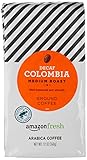
- Balanced, full-bodied medium roast with a smooth finish
- One 12-ounce bag of ground coffee
- Decaffeinated
- 100% Arabica coffee grown in Colombia
- Roasted and packed in the U.S.A.
4. Drink coffee with food:
- What to do: Always consume coffee after or with a meal, especially one containing protein and healthy fats.
- What “good” looks like: Caffeine absorption is slowed, leading to a gentler, more sustained effect.
- Common mistake: Drinking coffee on an empty stomach, which can lead to a rapid caffeine spike. Avoid this by planning your coffee consumption around meals.
5. Stay hydrated:
- What to do: Drink a glass of water before your coffee and continue to hydrate throughout the day.
- What “good” looks like: You feel less jittery and avoid dehydration-related discomfort.
- Common mistake: Relying solely on coffee for hydration. Avoid this by consciously drinking water.
6. Monitor your body’s response:
- What to do: Pay attention to how you feel after different amounts and types of coffee. Note any changes in heart rate, mood, or energy levels.
- What “good” looks like: You develop an awareness of your personal caffeine tolerance.
- Common mistake: Ignoring subtle signs of discomfort until anxiety becomes overwhelming. Avoid this by tuning into your body early.
7. Consider alternative beverages:
- What to do: Explore herbal teas, warm milk, or other non-caffeinated drinks for comfort or ritual.
- What “good” looks like: You have satisfying alternatives for when you want to avoid caffeine.
- Common mistake: Feeling deprived if you cut back on coffee. Avoid this by finding new favorite warm drinks.
If you find yourself needing to cut back on caffeine, exploring coffee alternatives can be a game-changer. There are many delicious herbal teas and other non-caffeinated drinks that can satisfy your need for a warm beverage.

- CLOSE TO COFFEE TASTE: Experience a delightful Turkish-style sip with this coffee substitute; its flavor profile is made from healthy date seeds but resembles traditional coffee; perfect for those seeking a non coffee alternative
- CAFFEINE-FREE DELIGHT: Enjoy the rich aroma crafted from decaffeinated date seeds, you can enjoy the delicious taste of coffee without compromising on taste or experiencing side effects from caffeine
- VEGAN FRIENDLY CHOICE: Our herbal beverage is ideal for vegans or those following a plant-based diet; enjoy the closer-to-coffee taste without any animal products
- EASY TO MAKE: Our coffee alternative is made just like regular Turkish coffee; simply add one to two teaspoons of our ground Eastern Brew to your cezve filled with water for a perfect brew
- ORGANIC & HEALTHY: A healthy coffee alternative, date seeds are a natural source of antioxidants and polyphenols, which may help promote heart health; gluten-free, no artificial ingredients, colors, or flavors
8. Prioritize sleep and stress management:
- What to do: Ensure you’re getting adequate rest and practicing stress-reducing techniques (e.g., meditation, exercise).
- What “good” looks like: Your overall well-being is improved, making you less susceptible to caffeine-induced anxiety.
- Common mistake: Using coffee as a substitute for sleep. Avoid this by addressing the root cause of fatigue.
Prevent it next time
- Know your limits: Understand your personal caffeine sensitivity and stick to a daily maximum.
- Hydrate consistently: Drink plenty of water throughout the day, especially when consuming coffee.
- Eat before you drink: Always have coffee after or with a meal to slow caffeine absorption.
- Choose wisely: Opt for lower-caffeine options like decaf, half-caf, or lighter roasts if sensitive.
- Time your intake: Avoid coffee too close to bedtime (typically 6-8 hours before) to protect sleep quality.
- Prioritize sleep: Adequate sleep reduces the need for excessive caffeine and your sensitivity to it.
- Manage stress: High stress levels can amplify caffeine’s anxiety-inducing effects.
- Listen to your body: Pay attention to early signs of jitters or nervousness and adjust accordingly.
Common mistakes (and what happens if you ignore them)
| Mistake | What it causes | Fix |
|---|---|---|
| Drinking coffee on an empty stomach | Rapid caffeine absorption, leading to sudden jitters, increased heart rate, and potential stomach upset. | Always drink coffee with or after a meal; a small snack can also help. |
| Consuming too much caffeine | Overstimulation, heightened anxiety, restlessness, difficulty sleeping, and potentially panic attacks in susceptible individuals. | Track your daily caffeine intake and gradually reduce it to a comfortable level. |
| Ignoring individual sensitivity | Persistent anxiety, discomfort, and a negative association with coffee, even at moderate doses. | Experiment with lower doses, decaf, or different coffee types to find your personal tolerance. |
| Drinking coffee too late in the day | Disrupted sleep patterns, difficulty falling asleep, and reduced sleep quality, which can worsen anxiety the next day. | Avoid caffeine at least 6-8 hours before your intended bedtime. |
| Not staying hydrated | Dehydration, which can mimic or exacerbate feelings of jitters, lightheadedness, and general discomfort. | Drink a glass of water before and with your coffee, and throughout the day. |
| Using coffee to mask fatigue | A cycle of relying on caffeine, leading to poor sleep, increased anxiety, and eventual burnout. | Prioritize consistent, adequate sleep and address the root causes of fatigue. |
| Combining caffeine with other stimulants | Exaggerated stimulant effects, leading to severe anxiety, rapid heart rate, and potential health risks. | Be aware of other stimulant sources (medications, energy drinks) and avoid combining them with high caffeine. |
| Not considering underlying anxiety | Caffeine can trigger or worsen symptoms for those with existing anxiety disorders, leading to significant distress. | Consult a healthcare professional if you suspect an underlying anxiety condition. |
| Consuming highly acidic coffee | While not directly causing anxiety, can lead to stomach discomfort that adds to overall unease. | Try lower-acid coffees like cold brew or darker roasts, or add milk/cream to buffer acidity. |
Decision rules (simple if/then)
- If you feel jittery or restless after coffee, then your caffeine intake is likely too high for your current sensitivity because your body is overstimulated.
- If you experience a sudden rush of anxiety after coffee, then try drinking it with a meal because food slows caffeine absorption, leading to a gentler effect.
- If you have trouble sleeping after drinking coffee, then you are likely consuming it too late in the day because caffeine has a long half-life and can stay in your system for hours.
- If decaf coffee still makes you feel slightly anxious, then you might be very sensitive to even trace amounts of caffeine or experiencing a placebo effect because decaf is not 100% caffeine-free.
- If your anxiety symptoms are severe or persistent even after reducing caffeine, then consult a healthcare professional because there might be an underlying condition.
- If you notice increased heart rate and nervousness, then check your total daily caffeine intake from all sources because it’s easy to overlook hidden caffeine.
- If you rely on coffee to get through the day due to fatigue, then prioritize improving your sleep habits because caffeine is not a sustainable substitute for rest.
- If you’re taking new medications and experience heightened anxiety with coffee, then discuss potential interactions with your doctor or pharmacist because some drugs can amplify caffeine’s effects.
- If you feel dehydrated and anxious, then increase your water intake because dehydration can worsen feelings of discomfort and nervousness.
If your anxiety symptoms are severe or persistent even after reducing caffeine, it might be worth exploring anxiety relief supplements. Always consult with a healthcare professional before starting any new supplement regimen.

- Balance Daily Stress: Includes one 6-count bottle of ONNIT New MOOD Occasional Stress Support Supplement, IGENTM certified to verify label claims about the presence of GMOs for trusted daily support.
- Support a Normal Daily Stress Response: This relaxation and mood-balancing supplement, IGENTM Non-GMO Tested for label transparency, combines 5-HTP, Magnesium, Tryptophan, and our herbal tranquility blend with Valerian and Chamomile Extract to help you manage occasional stress.
- Promotes a Restful Night’s Sleep: Formulated with Valerian extract and 5-HTP, ONNIT New MOOD helps support a calm mind and body before bed for restful sleep—IGENTM Non-GMO Tested for your peace of mind.
- Perfect For Daily Use: This dietary supplement contains herbs and compounds that support serotonin levels and can be taken daily or whenever you desire a calm, balanced mood—IGENTM Non-GMO Tested for quality assurance.
- Quality Ingredients: Developed to promote relaxation and a balanced mood for a great night's sleep, this caffeine-, gluten-, and soy-free formula is IGENTM Non-GMO Tested for uncompromised quality.
FAQ
Q: Can decaf coffee cause anxiety?
A: While unlikely for most, decaf coffee still contains trace amounts of caffeine (typically 2-15mg per cup). For individuals extremely sensitive to caffeine, or those experiencing a strong placebo effect, it’s possible to feel some anxiety.
Q: How much caffeine is too much if I have anxiety?
A: This varies greatly by individual. General guidelines suggest limiting caffeine to 200mg or less per day if you are prone to anxiety. It’s best to start with a very low dose and gradually increase to find your personal comfort level.
Q: Does the type of coffee matter for anxiety?
A: Not significantly in terms of the caffeine itself, as caffeine is caffeine regardless of the roast or brew method. However, some people find darker roasts or cold brew to be less acidic, which might indirectly reduce stomach discomfort that can contribute to overall unease.
Q: Can coffee withdrawal cause anxiety?
A: Yes, caffeine withdrawal can cause symptoms like anxiety, irritability, headache, and fatigue. These symptoms typically appear 12-24 hours after your last dose and can last for several days.
Q: Is there a way to make coffee less anxiety-inducing?
A: Yes, try drinking it with food, staying well-hydrated, choosing lower-caffeine options, and reducing your overall intake. Ensuring good sleep and managing stress can also make you less susceptible to caffeine-induced anxiety.
Q: Should I avoid coffee completely if I have anxiety?
A: Not necessarily. Many people with anxiety can still enjoy coffee in moderation. The key is to understand your personal tolerance, listen to your body’s signals, and adjust your intake accordingly. Some may find complete avoidance is best for them.
What this page does NOT cover (and where to go next)
- Specific medical diagnoses of anxiety disorders. Consult a healthcare professional for diagnosis and treatment.
- Detailed information on caffeine’s biochemical pathways in the brain. Look for scientific articles on neuropharmacology.
- Comprehensive guides to managing severe anxiety or panic attacks. Seek resources from mental health organizations.
- Information on specific coffee brands’ caffeine content. Check individual product labels or manufacturer websites.
- The full range of health benefits and risks associated with long-term coffee consumption. Explore general health and nutrition resources.