
Choosing Your Next Coffee Maker: A Guide
Quick Answer
- Most standard drip coffee makers brew 8-12 cups, perfect for families or offices.
- Single-serve machines are great for one person, typically making 6-12 oz.
- Espresso machines vary wildly, from small home units to commercial beasts.
- French presses and pour-overs are manual, so “how much” is up to you and your beans.
- Consider your daily coffee habit and how many people you usually brew for.
- Think about counter space and storage before you buy.
Key Terms and Definitions
- Drip Coffee Maker: The most common type, heating water and dripping it over coffee grounds.
- Single-Serve Brewer: Makes one cup at a time, often using pods or grounds.
- Espresso Machine: Forces hot water under pressure through finely-ground coffee.
- French Press: A manual brewer where grounds steep in hot water, then are pressed down.
- Pour-Over: A manual method where hot water is poured slowly over grounds in a filter.
- Carafe: The pot that holds brewed coffee in a drip machine.
- Grind Size: How coarse or fine your coffee beans are ground; crucial for extraction.
- Brew Ratio: The proportion of coffee grounds to water used.
- Extraction: The process of dissolving coffee solubles into water.
- Bloom: The initial release of CO2 when hot water first hits fresh coffee grounds.
How It Works
- Drip Machines: Water heats in a reservoir, travels up a tube, and showers over grounds in a filter basket. Gravity pulls the brewed coffee into a carafe. Simple, reliable.
- Single-Serve: These often use a pump to heat and force water through a packed coffee pod or a small amount of grounds. Quick and convenient for one.
- Espresso Machines: High pressure is key. Water is heated and forced through a puck of finely-ground, tamped coffee. This rapid extraction yields a concentrated shot.
- French Press: You add hot water to grounds in the carafe, let it steep for a few minutes, then push a plunger to separate the grounds from the liquid. Full immersion brewing.
- Pour-Over: Hot water is poured in a controlled manner over coffee grounds in a filter cone. The brew drips directly into your mug or server. It’s a hands-on ritual.
- Water Heating: Most machines use a heating element to bring water to the optimal brewing temperature, typically between 195-205°F.
- Grounds Saturation: Proper saturation ensures all coffee particles are exposed to water for even extraction.
- Filtration: Paper, metal, or cloth filters remove coffee grounds, affecting the final body and clarity of the brew.
What Affects the Result
- Water Quality: Tap water can have minerals or chlorine that mess with taste. Filtered water is usually best.
- Grind Size: Too fine, and you get bitter coffee. Too coarse, and it’s weak. Match it to your brewer.
- Coffee-to-Water Ratio: This is huge. Too much coffee, it’s strong. Too little, it’s weak. A good starting point is 1:15 to 1:18 (grams of coffee to grams of water).
- Water Temperature: Too hot burns the coffee; too cool under-extracts. Around 195-205°F is the sweet spot for most methods.
- Freshness of Beans: Stale beans are just… sad. Use beans roasted within the last few weeks for the best flavor.
- Grinder Type: A burr grinder gives a consistent grind. Blade grinders chop unevenly. Big difference.
- Brew Time: How long the water is in contact with the grounds. Too short or too long can ruin it.
- Brewer Type: Drip, espresso, French press – they all extract differently and yield different results.
- Cleanliness: Old coffee oils build up and make everything taste rancid. Clean your gear regularly.
- Water Pressure (Espresso): Crucial for espresso machines. Too little or too much pressure impacts the shot.
- Agitation: Stirring or swirling during brewing can affect extraction, especially in manual methods.
- Bean Roast Level: Lighter roasts might need slightly hotter water or longer brew times than darker roasts.
Pros, Cons, and When It Matters
- Drip Coffee Makers:
- Pros: Easy to use, brews multiple cups, convenient. Great for busy mornings.
- Cons: Can be inconsistent, flavor can be less nuanced than manual methods.
- When it matters: Feeding a crowd, needing a quick pot before work.
- Single-Serve Brewers:
- Pros: Fast, convenient, no wasted coffee if you only want one cup.
- Cons: Pods can be expensive and create waste, less control over brewing variables.
- When it matters: Solo drinker, office breakroom, late-night craving.
- Espresso Machines:
- Pros: Makes true espresso, lattes, cappuccinos. Intense flavor.
- Cons: Can be expensive, require a learning curve, need a good grinder.
- When it matters: You love espresso-based drinks and want to make them at home.
- French Press:
- Pros: Full-bodied coffee, rich flavor, no paper filters needed. Simple to operate.
- Cons: Can have sediment in the cup, requires coarse grind. Cleanup can be a bit messy.
- When it matters: You like a robust cup and don’t mind a little grit.
- Pour-Over:
- Pros: Clean cup, bright flavors, high degree of control. A satisfying ritual.
- Cons: Requires technique, time, and attention. Not for the rushed.
- When it matters: You enjoy the process and want to taste the subtle notes of your coffee.
- Automatic Pour-Over Machines:
- Pros: Mimics manual pour-over with automation. Good compromise.
- Cons: Can be pricey, still requires good beans and grind.
- When it matters: You want pour-over quality without the constant attention.
- Moka Pot:
- Pros: Brews strong, espresso-like coffee on the stovetop. Relatively inexpensive.
- Cons: Can be tricky to get right, potential for burnt taste if overheated.
- When it matters: You want a strong, concentrated coffee without an espresso machine.
- Cold Brew Makers:
- Pros: Smooth, low-acid coffee concentrate. Easy to make large batches.
- Cons: Takes a long time (12-24 hours). Requires planning.
- When it matters: You prefer iced coffee or a less acidic brew.
For those who enjoy a clean, bright cup and a hands-on brewing ritual, a pour-over coffee maker offers exceptional control and flavor. This particular pour-over set is highly recommended for its design and performance.

- Pour Over Coffee: Manual Pour Over Coffee Maker allows you to brew an excellent cup of Coffee in minutes
- Stainless steel: Includes a new and improved permanent, stainless steel mesh filter that helps extract your coffee's aromatic oils and subtle flavors instead of being absorbed by a paper filter
- Coffee Carafe: Made of durable, heat-resistant borosilicate glass with Cork Band detailing that is both functional and elegant; single wall
- Quick and Easy: Simply add coarse ground Coffee to filter, pour a small amount of water in a circular motion over ground Coffee until soaked then add the remaining water and let drip
- Servings: Pour Over Coffee Maker makes 8 cups of Coffee, 4 oz each; dishwasher safe
If you prefer a rich, full-bodied brew, a classic French press is an excellent choice. This durable model is a favorite for its simplicity and robust flavor.

- Wash in warm, soapy water before first use and dry thoroughly
- Not for stovetop use
- Turn lid to close spout
- Easy-to-clean glass carafe
For an excellent balance of convenience and quality, consider a highly-rated drip coffee maker like this one. It’s perfect for brewing multiple cups with ease.
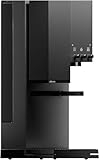
- 1. Three Levels of Automation for Any Skill Level: Choose from Autopilot, Copilot, or Free Solo mode. Autopilot handles the entire brewing process automatically. Copilot provides step-by-step guidance. Free Solo gives you full manual control. This coffee machine works for beginners and professional baristas alike.
- 2. Intuitive User Interface with Tactile Knobs and LED Matrix: The Studio features physical control knobs and a clear LED Matrix display. You can adjust grind size, water temperature, and flow rate in real time without navigating complicated touchscreen menus.
- 3. Full Customization via the xBloom App: Use the xBloom app to create, adjust, save, and share your favorite coffee recipes. Every brewing parameter can be fine-tuned and synced to the machine instantly. Your perfect cup is saved and repeatable.
- 4. Compostable xPod System for Minimal Waste and Maximum Flavor: Each xPod contains carefully selected whole beans and a built-in filter. Tap the recipe card, pour the beans into the grinder, place the pod into the dock, and press start. No capsules, no extra paper filters, no unnecessary waste.
- 5. What Is Included in the Box: The package includes the xBloom Studio, Omni Dripper 2 with Hyperflow Bottom, 10 paper filters, xPod Dock, Magnetic Dosing Cup, default recipe card, quick start guide, cleaning brush, universal power cord, and a 2-Year xbloom brand warranty. Everything you need is included—along with long-term peace of mind.
Common Misconceptions
- “Darker roast always means more caffeine.” Nope. Caffeine content is pretty similar across roasts. Dark roasts are just roasted longer, burning off more sugars and oils, not caffeine.
- “Pods are the only way for single-serve.” Many single-serve machines also have reusable filters for using your own grounds. Check the specs.
- “Espresso is just strong coffee.” It’s different. The pressure and fine grind create a unique extraction and crema.
- “Any coffee maker will do if you use good beans.” The brewer matters. A great bean in a bad brewer still tastes meh.
- “You need a fancy, expensive machine for great coffee.” Not always. A good pour-over setup or a clean French press can make amazing coffee for way less cash.
- “More coffee grounds equals stronger coffee.” Not necessarily. It can also lead to over-extraction and bitterness. It’s about the ratio.
- “You can just use any old mug.” While true, pre-heating your mug can keep your coffee warmer longer. Little things matter.
- “Coffee makers are self-cleaning.” They wish. Regular descaling and cleaning are essential for good taste and longevity.
- “Instant coffee is just finely ground beans.” It’s actually brewed coffee that’s had the water removed. Totally different process.
FAQ
Q: How much coffee does a standard 12-cup coffee maker actually make?
A: A “cup” on most US coffee makers is actually only 5-6 ounces, not a full 8-ounce measuring cup. So, a 12-cup maker yields about 60-72 ounces.
Q: What’s the difference between a 4-cup and a 12-cup drip coffee maker in terms of brewing?
A: The main difference is the size of the reservoir and carafe. The brewing mechanism is usually the same, but smaller machines might heat water slightly faster.
Q: How much coffee grounds do I need for a single-serve machine?
A: This depends heavily on the machine and your preference. For machines with reusable filters, start with about 15-20 grams and adjust from there. Check your machine’s manual.
Q: Do I need a special grinder for espresso?
A: Yes, generally. Espresso requires a very fine, consistent grind. A good burr grinder capable of fine settings is crucial. Blade grinders won’t cut it.
Q: How much coffee can a French press make?
A: French presses come in various sizes, from 3-cup (about 12 oz) to 8-cup (about 32 oz) or even larger. You control the amount by how much water and coffee you add.
Q: Is it worth it to get a coffee maker with a built-in grinder?
A: It can be convenient, but often the grinders aren’t as high-quality as a standalone burr grinder. If you’re serious about coffee, a separate grinder is usually better.
Q: How much counter space does a coffee maker take up?
A: This varies greatly. Small single-serve machines are compact, while 12-cup drip makers and larger espresso machines can take up significant real estate. Measure your space!
Q: How do I know if my coffee maker is brewing at the right temperature?
A: Most home machines don’t have indicators. For drip machines, look for models certified by the Specialty Coffee Association (SCA) for proper temperature control. For manual methods, a thermometer is your friend.
What This Page Does Not Cover (and Where to Go Next)
- Specific brand recommendations and comparisons. (Next: Research reviews for brands that fit your budget and needs.)
- Detailed troubleshooting for specific machine malfunctions. (Next: Consult your coffee maker’s user manual or the manufacturer’s support.)
- Advanced brewing techniques like siphon or Aeropress. (Next: Explore dedicated guides for these unique brewing methods.)
- The nuances of water chemistry and its impact on coffee flavor. (Next: Look into resources on water filtration and coffee brewing science.)
- The history of coffee makers. (Next: Dive into coffee history articles or books.)