
Choosing the Best Coffee Maker For Your Home
Quick answer
- Consider your preferred brew method (drip, pour-over, espresso, etc.) to narrow down options.
- Determine your daily coffee volume to ensure the maker has adequate capacity.
- Look for models with good temperature control for optimal extraction.
- Prioritize ease of cleaning and maintenance for long-term satisfaction.
- Set a budget, but remember that higher quality often means better coffee and durability.
- Check the physical footprint to ensure it fits your counter space.
Buying priorities
When deciding how to buy a good coffee maker, consider these factors to match your needs:
- Brew Method: Different methods yield different coffee experiences. Do you prefer a classic drip, a rich espresso, or a hands-on pour-over? This is fundamental to your choice.
- Capacity: How much coffee do you drink daily, or how many people will be using the machine? A single-serve brewer suits one person, while a 12-cup carafe is better for families.
- Temperature Control: Consistent water temperature (ideally between 195°F and 205°F) is crucial for proper coffee extraction and flavor. Look for brewers that maintain this range.
- Filter Type: Some machines use paper filters, others permanent mesh filters. Paper filters offer cleaner cups and easier disposal, while permanent filters are more eco-friendly but require rinsing.
- Ease of Cleaning: A coffee maker that’s difficult to clean can quickly become a hassle. Look for removable, dishwasher-safe parts or easy-access reservoirs.
- Footprint: Measure your available counter space. Some machines, especially espresso makers, can be quite large.
- Brew Speed: How quickly do you need your coffee? Drip brewers are generally fast, while some pour-over methods or espresso machines take more time and involvement.
- Programmability: Features like auto-start timers can be convenient for having coffee ready when you wake up.
- Durability: Look for sturdy construction and reliable brands. A well-built machine can last for years.
- Cost of Ownership: Factor in not just the initial purchase price, but also the cost of filters, cleaning solutions, and potentially specialized coffee beans.
Feature comparison for coffee makers
Understanding these features will help you decide how to buy a good coffee maker for your specific needs:
- Brew Method: Drip machines are convenient for larger batches, while single-serve pod systems offer speed and variety. Pour-over provides manual control for nuanced flavors, and espresso machines create concentrated shots.
- Capacity: Options range from single-serve (6-12 oz) for individual use, to 4-cup, 8-cup, or 12-cup carafes for multiple servings. Some espresso machines have dual spouts for two shots.
- Temperature Control: Basic machines might not have precise control, leading to under-extracted or burnt-tasting coffee. Higher-end models often feature PID controllers for consistent temperature.
- Filter Type: Paper filters are common for drip and pour-over, offering a clean taste. Permanent mesh filters are reusable but can let through more sediment. Espresso machines use pressurized portafilter baskets.
- Cleaning: Drip brewers often have removable baskets and carafes. Single-serve machines may require descaling more frequently. Espresso machines need regular cleaning of the portafilter, group head, and steam wand.
- Footprint: Compact single-serve brewers take up minimal space. Standard drip machines are medium-sized. Espresso machines, especially those with grinders and milk frothers, can be quite large and heavy.
- Carafe Material: Glass carafes are common but don’t retain heat well without a hot plate. Thermal carafes keep coffee hot for hours without additional heating, preventing a “burnt” taste.
- Grinder Integration: Some machines include a built-in grinder, offering convenience and fresh-ground coffee, but often at a higher price point and with more cleaning steps.
- Water Reservoir: Can range from small, fixed reservoirs that need refilling for each brew, to large, removable tanks that simplify refilling and cleaning.
- Pressure (Espresso): Espresso machines require significant pressure (typically 9 bars) to extract coffee. Cheaper “espresso style” makers may not achieve this, leading to weaker results.
- Steam Wand (Espresso): Essential for milk-based drinks. Manual wands offer more control, while automatic frothers provide convenience.
- Programmability: Basic timers for auto-start are common. More advanced machines might offer brew strength settings, temperature adjustments, or even app control.
How to choose a good coffee maker step-by-step
Choosing the right coffee maker involves a systematic approach to ensure you get a machine that fits your lifestyle.
1. Identify Your Preferred Coffee Style
- What to do: Think about the type of coffee you enjoy most. Do you crave a quick, strong espresso, a large mug of drip coffee, or a carefully crafted pour-over?
- What “good” looks like: You have a clear idea if you’re a “drip coffee person,” an “espresso enthusiast,” or someone who appreciates manual brewing.
- Common mistake: Buying a trendy machine without considering if its output matches your daily preference. Avoid ending up with an espresso maker when you only drink large black coffees; it will feel like overkill.
If you primarily drink large mugs of black coffee, a classic drip coffee maker is likely your best bet. For convenience and consistent results, consider a reliable drip coffee maker like this one.
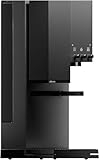
- 1. Three Levels of Automation for Any Skill Level: Choose from Autopilot, Copilot, or Free Solo mode. Autopilot handles the entire brewing process automatically. Copilot provides step-by-step guidance. Free Solo gives you full manual control. This coffee machine works for beginners and professional baristas alike.
- 2. Intuitive User Interface with Tactile Knobs and LED Matrix: The Studio features physical control knobs and a clear LED Matrix display. You can adjust grind size, water temperature, and flow rate in real time without navigating complicated touchscreen menus.
- 3. Full Customization via the xBloom App: Use the xBloom app to create, adjust, save, and share your favorite coffee recipes. Every brewing parameter can be fine-tuned and synced to the machine instantly. Your perfect cup is saved and repeatable.
- 4. Compostable xPod System for Minimal Waste and Maximum Flavor: Each xPod contains carefully selected whole beans and a built-in filter. Tap the recipe card, pour the beans into the grinder, place the pod into the dock, and press start. No capsules, no extra paper filters, no unnecessary waste.
- 5. What Is Included in the Box: The package includes the xBloom Studio, Omni Dripper 2 with Hyperflow Bottom, 10 paper filters, xPod Dock, Magnetic Dosing Cup, default recipe card, quick start guide, cleaning brush, universal power cord, and a 2-Year xbloom brand warranty. Everything you need is included—along with long-term peace of mind.
2. Determine Your Daily Coffee Volume and Capacity Needs
- What to do: Consider how many people drink coffee in your household and how many cups they consume per day.
- What “good” looks like: You know if you need a single-serve brewer, a 4-cup, 8-cup, or 12-cup machine.
- Common mistake: Getting a 12-cup machine for one person, leading to wasted coffee or a machine that’s too large for the counter. Avoid overbuying capacity if you mostly brew for yourself.
3. Set Your Budget
- What to do: Establish a realistic price range for your coffee maker, remembering that higher quality often correlates with better performance and durability.
- What “good” looks like: You have a minimum and maximum spending limit in mind, allowing you to filter options effectively.
- Common mistake: Only focusing on the lowest price. A very cheap machine might not last long or produce good coffee, leading to dissatisfaction. Avoid prioritizing price over basic functionality and quality.
4. Evaluate Counter Space and Footprint
- What to do: Measure the available space on your kitchen counter where the coffee maker will reside. Consider height, width, and depth.
- What “good” looks like: You have specific dimensions in inches, ensuring the machine will fit comfortably under cabinets and between other appliances.
- Common mistake: Assuming all coffee makers are compact. Espresso machines, especially, can be bulky. Avoid buying a machine that’s too big and then having to store it away after each use.
5. Prioritize Key Features (e.g., Temperature, Programmability)
- What to do: Decide which features are “must-haves” versus “nice-to-haves.” Is consistent brew temperature crucial? Do you need a programmable timer?
- What “good” looks like: You have a short list of 2-3 non-negotiable features that will significantly impact your daily coffee routine.
- Common mistake: Getting overwhelmed by a long list of features you’ll rarely use. Avoid paying extra for bells and whistles that don’t enhance your core coffee experience.
6. Consider Ease of Cleaning and Maintenance
- What to do: Research how easy it is to clean the machine you’re considering. Look for removable, dishwasher-safe parts and straightforward descaling processes.
- What “good” looks like: The cleaning routine seems manageable and doesn’t deter you from regular maintenance, which is vital for machine longevity and coffee taste.
- Common mistake: Neglecting cleaning, which leads to mineral buildup, slower brewing, and poor-tasting coffee. Avoid machines with intricate parts that are hard to reach and clean.
7. Read Reviews and Check Certifications
- What to do: Look for reviews from other users regarding performance, durability, and customer service. For drip brewers, look for SCAA (Specialty Coffee Association of America) certification if high quality is a priority.
- What “good” looks like: You have a balanced understanding of a machine’s pros and cons from multiple sources, not just manufacturer claims.
- Common mistake: Relying solely on a single review or brand marketing. Avoid making a purchase without cross-referencing user experiences.
8. Make Your Final Decision
- What to do: Based on your research and priorities, select the coffee maker that best aligns with your needs and budget.
- What “good” looks like: You feel confident in your choice, knowing you’ve considered all the important factors.
- Common mistake: Rushing the decision or second-guessing yourself after purchase. Avoid buyer’s remorse by being thorough in your initial selection process.
Common mistakes when choosing how to buy a good coffee maker (and what happens if you ignore them)
| Mistake | What it causes | Fix |
|---|---|---|
| Ignoring brew method preference | You end up with a machine that makes coffee you don’t enjoy, or is too much effort. | Clearly define your preferred coffee style (drip, espresso, pour-over) before shopping. |
| Underestimating capacity needs | You constantly have to brew multiple batches, or run out of coffee. | Assess daily coffee consumption for all household members. |
| Overlooking counter space | The machine doesn’t fit, or makes your kitchen feel cramped. | Measure your available counter space (height, width, depth) before buying. |
| Prioritizing price over quality | The machine breaks quickly, brews poor-tasting coffee, or requires frequent replacement. | Set a realistic budget that allows for decent quality and features you need. |
| Neglecting cleaning requirements | Mineral buildup, mold, slow brewing, and bad-tasting coffee. | Choose a machine with easily accessible and cleanable parts; commit to regular descaling. |
| Not checking water temperature | Coffee is under-extracted (sour) or over-extracted (bitter). | Look for machines that maintain water between 195°F and 205°F. |
| Buying too many features | You pay extra for functions you never use, adding complexity. | Identify your “must-have” features and stick to them. |
| Ignoring filter type | You dislike the taste (sediment) or constantly run out of paper filters. | Decide if you prefer paper filters for a clean cup or a reusable mesh filter. |
| Not considering brew time | You’re always waiting too long for your morning coffee. | Factor in how quickly you need your coffee brewed each day. |
| Forgetting about noise level | A loud grinder or pump can be disruptive, especially in the morning. | Read reviews for mentions of noise, particularly for espresso machines or those with integrated grinders. |
Decision rules for how to buy a good coffee maker
Here are some simple “if/then” rules to guide your purchase:
- If you primarily drink large mugs of black coffee, then choose a drip coffee maker with a thermal carafe because it’s convenient and keeps coffee hot without burning.
- If you crave strong, concentrated coffee and enjoy milk-based drinks, then opt for an espresso machine because it provides the necessary pressure and steam for these beverages.
- If you want the freshest possible coffee with minimal effort, then consider a drip machine with a built-in burr grinder because it grinds beans immediately before brewing.
- If you have limited counter space, then look for a compact single-serve brewer or a smaller 4-cup drip machine because they have a smaller footprint.
- If you need coffee ready as soon as you wake up, then select a programmable coffee maker with an auto-start timer because it automates your morning brew.
- If you prioritize a clean, sediment-free cup, then choose a machine that uses paper filters because they effectively trap fines and oils.
- If you are environmentally conscious and want to reduce waste, then consider a machine with a reusable mesh filter or a pour-over setup because they minimize disposable components.
- If you’re on a tight budget but still want good quality, then focus on a basic drip coffee maker from a reputable brand because they offer reliable performance without unnecessary features.
- If you enjoy the ritual and control of brewing, then a pour-over setup is ideal because it allows precise control over water temperature, flow rate, and bloom.
- If you frequently entertain or have a large family of coffee drinkers, then a 10-12 cup drip coffee maker is suitable because it can brew a large volume efficiently.
- If you value consistent brewing temperature for optimal flavor, then look for models with SCAA certification or precise temperature control because this ensures proper extraction.
- If you dislike frequent cleaning, then choose a machine with easily removable, dishwasher-safe parts and a simple descaling process because it simplifies maintenance.
For those who enjoy the ritual and control of brewing, a pour-over setup is ideal. This method allows for precise control over water temperature and flow, resulting in a nuanced cup, and a quality pour over coffee maker can elevate the experience.

- Pour Over Coffee: Manual Pour Over Coffee Maker allows you to brew an excellent cup of Coffee in minutes
- Stainless steel: Includes a new and improved permanent, stainless steel mesh filter that helps extract your coffee's aromatic oils and subtle flavors instead of being absorbed by a paper filter
- Coffee Carafe: Made of durable, heat-resistant borosilicate glass with Cork Band detailing that is both functional and elegant; single wall
- Quick and Easy: Simply add coarse ground Coffee to filter, pour a small amount of water in a circular motion over ground Coffee until soaked then add the remaining water and let drip
- Servings: Pour Over Coffee Maker makes 8 cups of Coffee, 4 oz each; dishwasher safe
FAQ
What’s the ideal water temperature for brewing coffee?
The ideal water temperature for brewing coffee is generally between 195°F and 205°F. This range ensures optimal extraction of flavors from the coffee grounds without burning them or leaving them under-extracted.
Do I need a coffee maker with a built-in grinder?
Not necessarily, but a built-in burr grinder can significantly improve the freshness and flavor of your coffee. If you already have a good separate grinder or prefer pre-ground coffee, it’s not a must-have feature.
How often should I clean my coffee maker?
You should rinse the carafe and brew basket daily. A more thorough cleaning, including descaling to remove mineral buildup, should be done every 1-3 months depending on your water hardness and usage.
What’s the difference between a glass and thermal carafe?
A glass carafe typically sits on a heating plate, which can “cook” the coffee over time, leading to a burnt taste. A thermal carafe is insulated and keeps coffee hot for hours without additional heat, preserving its flavor.
Are single-serve coffee makers worth it?
Single-serve coffee makers offer convenience, speed, and variety, especially for individuals or households where different people prefer different types of coffee. However, they can be more expensive per cup and generate more waste if using pods.
What is SCAA certification?
SCAA (Specialty Coffee Association of America) certification for drip coffee makers indicates that the machine meets specific standards for brewing quality, including proper water temperature, brew time, and extraction percentage, ensuring an excellent cup of coffee.
What this page does NOT cover (and where to go next)
- Specific brand comparisons and model recommendations (check product reviews).
- Detailed coffee grinding techniques and grinder types (explore guides on coffee grinders).
- In-depth coffee bean selection and roasting profiles (research coffee bean origins and roasts).
- Advanced espresso machine maintenance and repair (consult your machine’s manual or professional services).
- Home coffee roasting methods (look into dedicated home roasting resources).
- Water filtration systems for coffee (investigate water quality and filtration options).
