
Choosing a Single-Cup Coffee Maker
Quick answer
- Single-cup coffee makers are great for quick, fresh brews.
- They range from simple pour-over setups to automated machines.
- Consider your budget, counter space, and how much effort you want to put in.
- Think about the type of coffee you like – bold espresso or a classic drip.
- Some are super basic, others have fancy bells and whistles.
- It’s all about matching the brewer to your daily grind.
For a versatile and efficient option, consider a modern single-cup coffee maker that can handle both pods and ground coffee.
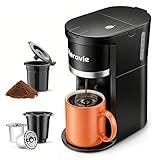
- Brew in Two Ways: Horavie single serve coffee maker supports both k pod and ground coffee, offering flexible brew sizes from 6 to 12oz to meet your varying coffee needs. Whether you want a quick cup or to savor a slow drink, it handles both with ease
- Safe and High-Quality Materials: Made from BPA-free and heat-resistant materials, this single cup coffee maker ensures durability and safety. The built-in water tank with view window allows you to monitor the water level at any time, preventing issues during brewing
- One-Touch Quick Brewing: This coffee machine combines fast brewing technology with one button operation mode that is simple and fast for any user. Simply press the button and enjoy hot coffee in just 120s, perfect for busy mornings or office use
- Compact Size fits Anywhere: Whether at home, in the office, or while traveling, the Horavie small coffee maker seamlessly fits into your lifestyle. Its compact design and light weight make it ideal for small kitchens, office or RVs, especially in space-limited environments
- Descaling Reminder & Self-Cleaning: The mini one cup coffee maker features an automatic descaling reminder that illuminates in red when cleaning is needed. Simply add a descaling solution and press the buttons for 2 seconds to initiate the self-cleaning process. This feature helps prevent clogging and ensures optimal performance, significantly extending the lifespan of your K-Pod coffee maker
Key terms and definitions
- Single-serve brewer: A coffee maker designed to brew one cup at a time.
- Drip coffee: Coffee brewed by letting hot water pass through coffee grounds in a filter.
- Pour-over: A manual brewing method where hot water is poured over grounds in a filter.
- Espresso: Concentrated coffee brewed by forcing hot water under pressure through finely-ground coffee.
- K-Cup: A proprietary plastic pod containing pre-portioned coffee grounds, used in specific brewers.
- Grounds: Finely or coarsely broken coffee beans.
- Bloom: The initial release of CO2 from fresh coffee grounds when hot water is added.
- Ratio: The proportion of coffee grounds to water used in brewing.
- Extraction: The process of dissolving soluble compounds from coffee grounds into water.
- Portafilter: A device used in espresso machines to hold the coffee grounds.
How a Single-Cup Coffee Maker Works
- Most single-cup makers use a system to heat water and then pass it through coffee grounds.
- Drip-style single-cup machines often have a small reservoir and a heating element.
- Water is heated and then dripped over grounds held in a filter basket.
- Pod-based systems pierce a sealed container of coffee.
- Hot water is then forced through the pod and into your mug.
- Espresso-style single-cup makers use pressure to extract a concentrated shot.
- They often involve tamping grounds into a small basket or using a pressurized pod.
- Some manual brewers, like pour-overs, rely on gravity and your steady hand.
- You control the water temperature and pour speed.
- The goal is always to get the right amount of flavor out of the beans.
If you enjoy a more hands-on approach and precise control over your brew, a pour-over coffee maker offers an excellent manual brewing experience.

- Pour Over Coffee: Manual Pour Over Coffee Maker allows you to brew an excellent cup of Coffee in minutes
- Stainless steel: Includes a new and improved permanent, stainless steel mesh filter that helps extract your coffee's aromatic oils and subtle flavors instead of being absorbed by a paper filter
- Coffee Carafe: Made of durable, heat-resistant borosilicate glass with Cork Band detailing that is both functional and elegant; single wall
- Quick and Easy: Simply add coarse ground Coffee to filter, pour a small amount of water in a circular motion over ground Coffee until soaked then add the remaining water and let drip
- Servings: Pour Over Coffee Maker makes 8 cups of Coffee, 4 oz each; dishwasher safe
What Affects Your Single Cup Coffee Result
- Water quality: Tap water can have off-flavors. Filtered is usually best.
- Coffee freshness: Pre-ground coffee loses flavor fast. Whole beans ground right before brewing win.
- Grind size: Too fine can lead to bitterness. Too coarse can result in weak coffee.
- Coffee-to-water ratio: Too little coffee makes it weak. Too much can make it too strong or bitter.
- Water temperature: Too hot can scorch the grounds. Too cool won’t extract enough flavor. Aim for around 195-205°F.
- Brew time: How long the water is in contact with the grounds. Too short is weak, too long is bitter.
- Brewer type: Drip, espresso, AeroPress, pour-over – they all do things differently.
- Pressure (for espresso): The force used to push water through the grounds. Crucial for espresso.
- Filter type: Paper filters can absorb oils. Metal filters let more through.
- Bean roast level: Darker roasts are often less acidic but can be more bitter if over-extracted.
- Your technique: Especially important for manual methods like pour-over.
- Cleanliness of the brewer: Old coffee oils can make your next cup taste stale.
Pros, Cons, and When It Matters
- Pro: Freshness: Brews one cup at a time, so it’s always fresh.
- Con: Pod waste: Many pod systems create a lot of plastic waste.
- Pro: Speed: Many single-cup makers are super fast for a quick caffeine fix.
- Con: Limited capacity: Obviously, you only get one cup. Not for a crowd.
- Pro: Variety (pods): Pod machines offer a huge range of coffee flavors and types.
- Con: Cost per cup (pods): Pods can be more expensive than buying bulk coffee.
- Pro: Simplicity: Some are as easy as pressing a button.
- Con: Control (auto machines): You might have less control over brewing variables.
- Pro: Space-saving: Many single-cup brewers are compact, good for small kitchens.
- Con: Initial cost: Some high-end espresso single-cup machines can be pricey.
- Pro: Consistency: Automated machines can deliver a consistent cup every time.
- Con: Flavor limitations: Some methods might not produce the nuanced flavors of larger batch brews.
- When it matters: If you live alone or have different coffee preferences in your household, a single-cup brewer is a no-brainer. If you’re a coffee connoisseur who loves to dial in every detail, a manual method might be more your speed. For busy mornings, speed is king.
Common Misconceptions
- Myth: All single-cup coffee tastes the same. Nope. The brewer, coffee, and your technique all play a role.
- Myth: Pods are always lower quality. Not necessarily. Some brands use good beans, but freshness can be an issue.
- Myth: Single-cup means weak coffee. Absolutely not. You can get strong, concentrated brews like espresso.
- Myth: You need expensive equipment for good single-cup coffee. False. Simple pour-over setups can be very affordable and make amazing coffee.
- Myth: All single-cup machines are bad for the environment. Some pod systems are, but reusable pods or non-pod machines are much better.
- Myth: You can’t make good espresso at home without a huge machine. Wrong. Compact, single-cup espresso makers exist.
- Myth: Coffee makers clean themselves. Uh, no. Regular cleaning is key for good taste and longevity.
- Myth: Dark roast coffee is always stronger. Darker roasts are roasted longer, which changes the flavor profile, not necessarily caffeine content.
- Myth: The hotter the water, the better the coffee. Too hot can burn the grounds. There’s a sweet spot.
- Myth: All coffee grounds are the same. Grind size matters a lot depending on the brewing method.
FAQ
Q: How do I choose the right grind size for my single-cup brewer?
A: Check your brewer’s manual. Generally, drip-style needs a medium grind, espresso needs very fine, and French press needs coarse.
Q: Can I use my own coffee grounds in a pod-style brewer?
A: Some machines allow for reusable pods, which you can fill with your favorite grounds. It’s a good way to save money and reduce waste.
Q: How often should I clean my single-cup coffee maker?
A: It’s best to rinse it after each use and do a deeper clean (descaling) every month or so, depending on your water hardness and usage.
Q: What’s the difference between a single-cup drip maker and a pod machine?
A: Drip makers use loose grounds in a filter, giving you more control. Pod machines use pre-portioned, sealed pods for convenience, but offer less customization.
For those who prefer the classic taste and simplicity, a reliable single-cup drip coffee maker is a great choice for everyday use.
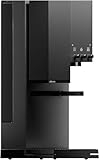
- 1. Three Levels of Automation for Any Skill Level: Choose from Autopilot, Copilot, or Free Solo mode. Autopilot handles the entire brewing process automatically. Copilot provides step-by-step guidance. Free Solo gives you full manual control. This coffee machine works for beginners and professional baristas alike.
- 2. Intuitive User Interface with Tactile Knobs and LED Matrix: The Studio features physical control knobs and a clear LED Matrix display. You can adjust grind size, water temperature, and flow rate in real time without navigating complicated touchscreen menus.
- 3. Full Customization via the xBloom App: Use the xBloom app to create, adjust, save, and share your favorite coffee recipes. Every brewing parameter can be fine-tuned and synced to the machine instantly. Your perfect cup is saved and repeatable.
- 4. Compostable xPod System for Minimal Waste and Maximum Flavor: Each xPod contains carefully selected whole beans and a built-in filter. Tap the recipe card, pour the beans into the grinder, place the pod into the dock, and press start. No capsules, no extra paper filters, no unnecessary waste.
- 5. What Is Included in the Box: The package includes the xBloom Studio, Omni Dripper 2 with Hyperflow Bottom, 10 paper filters, xPod Dock, Magnetic Dosing Cup, default recipe card, quick start guide, cleaning brush, universal power cord, and a 2-Year xbloom brand warranty. Everything you need is included—along with long-term peace of mind.
Q: Are there any single-cup coffee makers that make espresso?
A: Yes, there are specific single-cup espresso machines designed for this. They often use pressure to extract a concentrated shot.
Q: How much coffee should I use for a single cup?
A: A common starting point is a 1:15 to 1:18 ratio of coffee to water. For an 8oz cup, that’s roughly 15-17 grams of coffee. Always check your brewer’s recommendations.
Q: Is it worth it to buy a single-cup coffee maker if I only drink coffee occasionally?
A: If you value fresh, hot coffee and want to avoid stale pots, even occasional use can be worth it. They’re great for guests with different tastes too.
Q: What does “bloom” mean when brewing coffee?
A: The bloom is when you first add hot water to fresh coffee grounds. They release CO2, which creates bubbles. Letting it bloom for about 30 seconds can improve flavor.
What this page does NOT cover (and where to go next)
- Specific brand comparisons and reviews. Look for reviews on your favorite coffee sites.
- Detailed troubleshooting for specific error codes or malfunctions. Consult your brewer’s manual.
- The history of coffee brewing. Dive into coffee history blogs for that.
- Advanced latte art techniques. That’s a whole different skill set, my friend.
- Sourcing rare or exotic coffee beans. Explore specialty coffee roaster websites.