
Can You Brew Coffee Using a Water Filter?
Quick answer
- Yes, you can brew coffee using a water filter, but it depends on the type of water filter.
- Standard pitcher-style water filters are for purifying drinking water, not for brewing coffee directly.
- Coffee makers often have built-in water filters or require separate paper or metal filters.
- Using a clean, appropriate filter designed for coffee brewing is crucial for good taste.
- Always use filtered water for brewing to improve coffee flavor.
Who this is for
- Home coffee drinkers who are curious about the role of water filters in their brew.
- Individuals looking to improve the taste of their daily coffee by understanding filtration.
- Anyone considering purchasing a new coffee maker and wants to know about filter options.
What to check first
Brewer type and filter type
Before brewing, identify your coffee maker. Is it a drip machine, a pour-over setup, an AeroPress, a French press, or something else? Each brewer uses a specific type of filter. Drip machines and pour-overs typically use cone or basket-shaped paper filters, while French presses use a metal mesh filter. AeroPress offers both paper and metal filter options. Using the wrong filter type can lead to a messy brew, poor extraction, or coffee grounds in your cup.
Water quality and temperature
The water you use significantly impacts coffee flavor. If your tap water has a strong taste or odor, using a water filter (like a pitcher filter) to purify it before brewing is highly recommended. For brewing, aim for water between 195°F and 205°F (90°C and 96°C). Water that’s too cool will result in under-extraction, leading to sour, weak coffee. Water that’s too hot can scorch the grounds, producing a bitter taste.
If your tap water has a strong taste or odor, using a water filter (like a pitcher filter) to purify it before brewing is highly recommended for a cleaner cup.
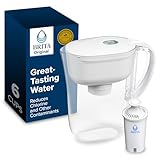
- CERTIFIED WATER FILTRATION: WQA NSF/ANSI certified Brita Metro water filter pitcher reduces chlorine taste and odor, copper, mercury, cadmium and more — delivering great-tasting filtered water right from your tap
- SMARTLIGHT FILTER INDICATOR: Brita's most accurate and precise pitcher filter change indicator tells you exactly when to replace your Standard filter — every 40 gallons or about 2 months for best results
- MINI-FRIDGE-FRIENDLY DESIGN: This 6-cup BPA-free water pitcher is space-efficient and fits in most mini-fridges; easy-fill lid makes refilling simple; perfect for dorm rooms
- REPLACE UP TO 300 PLASTIC BOTTLES: One Standard filter replaces up to 300 single-use 16.9 oz plastic bottles — save money and reduce plastic waste when you switch to Brita
- STANDARD FILTER COMPATIBILITY: Standard filters work with all Brita pitchers and dispensers except Stream; *substances reduced may not be in all users' water — for use with potable water only. See certifications
Grind size and coffee freshness
The size of your coffee grounds is critical for proper extraction. Coarser grinds are for French presses, medium grinds for drip coffee makers, and finer grinds for espresso machines. Freshly ground coffee beans offer the best flavor. Pre-ground coffee can lose its aromatic compounds quickly. Store whole beans in an airtight container away from light and heat.
Coffee-to-water ratio
A good starting point for the coffee-to-water ratio is 1:15 to 1:18, meaning for every 1 gram of coffee, you use 15 to 18 grams of water. For example, if you’re using 30 grams of coffee, you’d use 450 to 540 grams (or roughly 16 to 19 oz) of water. Adjust this ratio based on your personal preference for strength. Too little coffee will result in weak, watery coffee, while too much can lead to an overly intense or bitter brew.
Cleanliness/descale status
A clean coffee maker is essential for good-tasting coffee. Mineral buildup (scale) from water can affect the brewer’s performance and impart off-flavors. Regularly clean your coffee maker according to the manufacturer’s instructions. This usually involves running a descaling solution or a vinegar-water mixture through the machine. A clean brewer ensures pure water contact with the coffee grounds, allowing their true flavors to shine.
Step-by-step (brew workflow)
1. Prepare your coffee maker: Ensure your brewer is clean and assembled correctly. If it uses a basket or cone filter, place it in the designated holder.
- What “good” looks like: The brewer is free of old grounds and residue, and the filter basket is properly seated.
- Common mistake: Using a dirty brewer or a filter that isn’t fully in place, leading to leaks or grounds in the final cup.
- Avoid by: Always rinsing your brewer and checking filter placement before starting.
2. Heat your water: Bring fresh, filtered water to the ideal brewing temperature of 195°F to 205°F (90°C to 96°C).
- What “good” looks like: Water is hot but not boiling, reaching the target temperature range.
- Common mistake: Using water that’s too hot (boiling) or too cool, impacting extraction.
- Avoid by: Using a thermometer or letting boiling water sit for 30-60 seconds before pouring.
3. Grind your coffee beans: Grind your coffee to the appropriate size for your brewing method (e.g., medium for drip, coarse for French press).
- What “good” looks like: Grounds are consistently sized for your brewer, with minimal fines.
- Common mistake: Using pre-ground coffee that’s stale, or grinding too fine/coarse for the method.
- Avoid by: Grinding beans right before brewing and using a burr grinder for consistency.
4. Add coffee grounds to the filter: Measure your coffee grounds using your preferred ratio and add them to the filter.
- What “good” looks like: The correct amount of coffee is evenly distributed in the filter.
- Common mistake: Eyeballing the amount of coffee, leading to inconsistent strength.
- Avoid by: Using a kitchen scale for accurate measurement.
5. Bloom the coffee (for pour-over/drip): Pour just enough hot water over the grounds to saturate them evenly, then wait 30 seconds.
- What “good” looks like: The coffee grounds expand and release CO2, forming a “bloom.”
- Common mistake: Skipping the bloom, which can lead to uneven extraction and a sour taste.
- Avoid by: Gently pouring water in a circular motion until all grounds are wet.
6. Begin brewing: Slowly and evenly pour the remaining hot water over the coffee grounds.
- What “good” looks like: Water flows through the grounds at a steady rate, extracting flavor.
- Common mistake: Pouring water too quickly or unevenly, causing channeling and poor extraction.
- Avoid by: Pouring in controlled, circular motions, working from the center outwards.
7. Allow to finish dripping: Let all the water pass through the coffee grounds into the carafe or mug.
- What “good” looks like: The brewing process is complete, and no water is pooling in the filter.
- Common mistake: Stopping the brew too early or letting it drip too long, affecting strength and taste.
- Avoid by: Letting the machine complete its cycle or observing the flow rate during manual brewing.
8. Remove the filter and grounds: Once brewing is complete, carefully remove and discard the used coffee filter and grounds.
- What “good” looks like: The filter and grounds are removed cleanly without spills.
- Common mistake: Leaving wet grounds in the brewer, which can lead to mold and odor.
- Avoid by: Disposing of used grounds promptly and rinsing the filter basket.
9. Serve and enjoy: Pour your freshly brewed coffee into a mug.
- What “good” looks like: Aromatic, flavorful coffee ready to drink.
- Common mistake: Letting brewed coffee sit on a hot plate for too long, which can make it taste burnt.
- Avoid by: Transferring coffee to a thermal carafe or enjoying it immediately.
Common mistakes (and what happens if you ignore them)
| Mistake | What it causes | Fix |
|---|---|---|
| Using tap water without filtering | Off-flavors from chlorine, minerals, or impurities; inconsistent taste. | Use filtered water (pitcher filter, faucet filter, or bottled) for a cleaner, more consistent cup. |
| Using a dirty brewer or filter basket | Stale, bitter, or musty flavors; reduced brewing efficiency. | Clean your brewer and filter basket regularly with soap and water; descale periodically. |
| Incorrect grind size | Under-extracted (sour) or over-extracted (bitter) coffee; grounds in cup. | Match grind size to your brewer type (coarse for French press, medium for drip, fine for espresso). |
| Water temperature too low | Under-extraction, leading to weak, sour, or grassy coffee. | Heat water to 195°F-205°F (90°C-96°C). |
| Water temperature too high (boiling) | Over-extraction, scorching the grounds and causing bitter, burnt flavors. | Let boiling water sit for 30-60 seconds before pouring, or use a temperature-controlled kettle. |
| Inconsistent coffee-to-water ratio | Coffee that is too weak or too strong, leading to a less enjoyable experience. | Use a kitchen scale to measure both coffee grounds and water for precision. |
| Skipping the coffee bloom | Uneven extraction, resulting in a sour or flat taste. | Pour a small amount of hot water over the grounds to wet them, let it sit for 30 seconds to degas. |
| Pouring water too quickly or unevenly | Channeling (water bypassing grounds), leading to weak and uneven extraction. | Pour water slowly and deliberately in circular motions, ensuring all grounds are saturated. |
| Using stale coffee beans | Flat, dull, or oxidized flavors; lack of aroma and complexity. | Buy whole beans from reputable roasters, store them properly, and grind just before brewing. |
| Not cleaning the carafe | Coffee can develop a stale, oily film that affects subsequent brews. | Wash the carafe thoroughly after each use. |
Decision rules (simple if/then)
- If your tap water tastes strongly of chlorine, then use filtered water for brewing because chlorine can negatively impact coffee flavor.
- If your coffee tastes sour, then try a finer grind or hotter water because these can help with under-extraction.
- If your coffee tastes bitter, then try a coarser grind or slightly cooler water because these can help with over-extraction.
- If your coffee is consistently too weak, then increase the amount of coffee grounds you use because a higher coffee-to-water ratio leads to a stronger brew.
- If your coffee is consistently too strong, then decrease the amount of coffee grounds or increase the water volume because a lower coffee-to-water ratio leads to a weaker brew.
- If you notice a burnt or stale taste, then check if your brewer needs descaling or cleaning because mineral buildup and old coffee residue can impart off-flavors.
- If your pour-over is channeling (water flowing through in streams), then ensure your grind is consistent and pour water more slowly and evenly because this helps prevent uneven extraction.
- If your French press coffee is muddy or has too many fines, then ensure your grind is coarse enough and avoid pressing too hard because this can force fines through the mesh filter.
- If your coffee maker is taking longer to brew than usual, then it likely needs descaling because mineral buildup can restrict water flow.
- If your coffee lacks aroma and complexity, then ensure you are using freshly roasted and freshly ground beans because these are key to vibrant coffee flavor.
- If your coffee tastes metallic, then ensure your brewer’s water reservoir and components are made of food-grade materials and are clean because some plastics or metals can leach flavors.
FAQ
Can I just pour hot water through a Brita filter into a mug?
No, a standard pitcher-style water filter like a Brita is designed to purify drinking water, not to be used as a coffee brewing device. It doesn’t have the right structure or flow rate for proper coffee extraction.
Does the type of water filter in my coffee maker matter?
Yes, the filter in your coffee maker (whether it’s a paper filter, a reusable metal filter, or a charcoal filter in the reservoir) plays a role in the final cup. Paper filters remove more oils and fine sediment, while metal filters allow more oils and body through.
Should I use filtered water for my coffee, even if my tap water tastes fine?
It’s generally recommended to use filtered water for brewing coffee. Even if your tap water tastes acceptable, it may contain minerals or trace elements that can affect the nuanced flavors of coffee. Filtering can lead to a cleaner, more consistent taste.
How often should I replace the filter in my coffee maker’s reservoir?
This depends on the specific model and manufacturer recommendations. Many coffee makers with built-in water filters suggest replacing them every 1-2 months or after a certain number of brews. Always check your brewer’s manual for guidance.
What happens if I use a paper coffee filter in a French press?
A paper filter is not designed for a French press. It would likely clog quickly, prevent the coffee from brewing properly, and you wouldn’t be able to press the plunger down. You’ll end up with a messy, underextracted brew.
Can I reuse a paper coffee filter?
It’s generally not recommended to reuse paper coffee filters. They are designed for single use. Reusing them can lead to mold growth, impart stale flavors, and compromise the integrity of the filter, potentially allowing grounds into your coffee.
How do I know if my water is the right temperature for brewing?
The ideal range is 195°F to 205°F (90°C to 96°C). If you don’t have a temperature-controlled kettle, bring water to a boil, then let it sit off the heat for about 30-60 seconds before pouring.
What’s the difference between a water filter pitcher and a coffee maker filter?
A water filter pitcher (like Brita) is for purifying the water you drink. A coffee maker filter (paper or metal) is designed to hold coffee grounds during the brewing process and allow water to pass through, extracting flavor.
What this page does NOT cover (and where to go next)
- Specific recommendations for water filter brands or coffee maker models.
- Detailed chemical analysis of water composition and its impact on coffee.
- Advanced brewing techniques like siphon or cold brew preparation.
Next, you might want to explore guides on choosing the best coffee beans for your preferred brewing method, understanding different coffee grinder types, or learning about specific pour-over techniques.