
Brewing Coffee Without A Charcoal Filter: Is It Safe?
Quick Answer
- Yes, you can brew coffee without a charcoal water filter.
- The primary function of a charcoal filter in coffee makers is to improve water taste by removing impurities.
- Brewing without one may result in a slightly different taste, but it is generally safe.
- If your coffee maker’s design requires a filter for proper operation (like some pour-over devices), you should use the specified filter type.
- Always ensure your coffee maker is clean, regardless of filter use.
- For the best taste, consider using filtered water even if your brewer doesn’t have a charcoal filter.
Who This Is For
- Home coffee drinkers who have misplaced or run out of charcoal filters for their coffee maker.
- Individuals curious about the impact of water filtration on their daily brew.
- Anyone looking for simple ways to troubleshoot or understand their coffee brewing process better.
What to Check First
Brewer Type and Filter Type
- What to check: Identify your coffee maker’s specific brewing mechanism and any filter requirements. Does it use a paper filter, a permanent metal filter, or a system that relies on a removable charcoal cartridge?
- Why it matters: Some brewers are designed to function with a specific filter type for optimal water flow and coffee extraction. For example, a pour-over cone needs a filter to hold the grounds, while a drip machine’s basket also requires one. A charcoal filter is often an additional component within the water reservoir or carafe, not a structural necessity for the brewing process itself.
- What “good” looks like: You know your brewer type and its filter needs. If it has a designated spot for a charcoal filter, it’s likely for taste enhancement rather than essential function. If it uses a paper or metal filter for the grounds, ensure you have the correct size and type.
Water Quality and Temperature
- What to check: Assess your tap water’s taste and smell. Also, verify that your coffee maker is heating water to the appropriate temperature range.
- Why it matters: Water is the main ingredient in coffee. If your tap water has a strong chlorine or mineral taste, brewing without a charcoal filter (which aims to reduce these) will make that taste more prominent in your coffee. Proper water temperature, typically between 195°F and 205°F, is crucial for extracting the best flavors from your coffee grounds.
- What “good” looks like: Your tap water tastes neutral or pleasant. Your coffee maker consistently heats water to the optimal brewing temperature. If your water tastes off, consider using bottled or filtered water as an alternative to a charcoal filter.
If your tap water has a strong chlorine or mineral taste, brewing without a charcoal filter will make that taste more prominent in your coffee. Consider using a replacement water filter cartridge to improve the taste of your water.
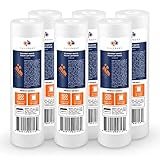
- Superior Sediment Filter Performance: This 5 micron water filter captures contaminants like rust, sand, dirt, and sludge with ease. Thanks to its multi-layered design, this sediment water filter replacement ensures your water is clean and clear.
- Easy Installation & Quick Replacement: With its universal fit, the 10x2.5 water filter installs in most standard filter housings within minutes. Spend less time on maintenance and more time enjoying fresh filtered water from your home water filter.
- Premium Food-Grade Material: Crafted from food-grade polypropylene, this 5 micron sediment filter delivers high standards of safety. Its melt-blown construction ensures no fiber shedding, giving you a reliable and clean well water filtration solution.
- Continuous Water Flow with No Pressure Drop: Designed for efficiency, Aquaboon house water filter provides stable water flow without reducing pressure. Whole house water filter replacement prevents blockages, ensuring a smooth, uninterrupted water supply.
- Extend Equipment Life with Advanced Filtration: The 5 micron water filter cartridge also extends the life of your home appliances by reducing buildup of harmful particles. Invest in sediment filters for well water to protect your valuable equipment.
Grind Size and Coffee Freshness
- What to check: Ensure your coffee beans are freshly roasted and ground to the correct consistency for your brewing method.
- Why it matters: The freshness of your coffee beans significantly impacts flavor. Stale coffee will taste flat and lack aroma, regardless of water filtration. The grind size is equally important; too fine can lead to over-extraction and bitterness, while too coarse can result in weak, under-extracted coffee.
- What “good” looks like: Your coffee beans were roasted within the last few weeks. They are ground just before brewing, and the particle size is appropriate for your brewer (e.g., medium for drip, finer for espresso, coarser for French press).
Coffee-to-Water Ratio
- What to check: Measure your coffee grounds and water accurately for each brew.
- Why it matters: The ratio of coffee to water dictates the strength and balance of your brew. Too little coffee will result in a weak, watery cup, while too much can lead to an overly strong, bitter, or even sour taste. A common starting point is the “golden ratio” of 1:15 to 1:18 (coffee to water by weight).
- What “good” looks like: You’re using a consistent measurement system, whether by weight (grams) or volume (tablespoons/cups), and adhering to a recognized ratio. For example, using 2 tablespoons of coffee for every 6 oz of water is a common starting point.
Cleanliness/Descale Status
- What to check: Inspect your coffee maker for any visible coffee residue or mineral buildup.
- Why it matters: Old coffee oils can turn rancid and impart bitter, unpleasant flavors into your fresh brew. Mineral buildup (scale) from hard water can affect water temperature and flow, leading to poor extraction and potentially damaging your machine over time. A clean machine is essential for good-tasting coffee.
- What “good” looks like: Your coffee maker’s carafe, brew basket, and water reservoir are clean and free of debris. You have recently descaled your machine if you have hard water or if the manual recommends it.
Step-by-Step: Brewing Without a Charcoal Filter
This workflow assumes a standard drip coffee maker where the charcoal filter is an optional component for water taste.
1. Prepare Your Coffee Maker:
- What to do: Ensure the brew basket is clean and empty. If your machine has a separate compartment for a charcoal filter, ensure it’s either removed or you’re using a new one if you choose to.
- What “good” looks like: The brew basket is spotless, and you’ve made a conscious decision about whether to use a charcoal filter for this brew.
- Common mistake: Leaving old grounds or residue in the brew basket.
- How to avoid: Always rinse or wash the brew basket after each use.
2. Add Fresh Water:
- What to do: Fill the water reservoir with fresh, cold water. Use filtered water if your tap water has an undesirable taste.
- What “good” looks like: The reservoir contains the correct amount of water for your desired number of cups, and it tastes clean.
- Common mistake: Using water that has been sitting in the reservoir for a long time or using water with a strong taste.
- How to avoid: Empty and rinse the reservoir daily and refill with fresh water before each brew.
3. Insert Filter (if applicable):
- What to do: Place a clean paper filter or your permanent filter into the brew basket.
- What “good” looks like: The filter is correctly seated in the basket, ensuring proper water flow.
- Common mistake: Using the wrong size or type of filter, or not seating it properly, which can cause grounds to overflow.
- How to avoid: Always use the filter size recommended by your coffee maker’s manufacturer.
4. Measure and Add Coffee Grounds:
- What to do: Weigh or measure your whole coffee beans and grind them to the appropriate size for your brewer. Add the grounds to the filter.
- What “good” looks like: The coffee is ground consistently and to the correct coarseness, and the amount matches your desired ratio.
- Common mistake: Using pre-ground coffee that has lost its aroma or grinding too fine/coarse.
- How to avoid: Grind beans just before brewing and adjust grind size based on taste.
5. Position the Carafe:
- What to do: Place the coffee pot securely on the warming plate or under the brew basket.
- What “good” looks like: The carafe is properly aligned to catch all the brewed coffee.
- Common mistake: Forgetting to place the carafe, or placing it incorrectly, leading to a mess.
- How to avoid: Double-check the carafe’s position before starting the brew cycle.
6. Start the Brewing Cycle:
- What to do: Turn on your coffee maker.
- What “good” looks like: The machine begins to heat the water and drip coffee into the carafe.
- Common mistake: Forgetting to press the start button.
- How to avoid: Ensure the power switch is engaged and the brew cycle has initiated.
7. Monitor the Brew:
- What to do: Observe the brewing process. You should see water dripping steadily into the carafe.
- What “good” looks like: A consistent flow of coffee is filling the pot. The machine is not making unusual noises.
- Common mistake: Overfilling the brew basket, causing grounds to overflow and clog the machine.
- How to avoid: Adhere to recommended coffee-to-water ratios and ensure the grind size is appropriate.
8. Allow to Finish:
- What to do: Let the coffee maker complete its brewing cycle. Many machines will beep or shut off automatically.
- What “good” looks like: All the water from the reservoir has passed through the grounds and into the carafe.
- Common mistake: Removing the carafe too early, before brewing is complete, leading to a weak, incomplete cup.
- How to avoid: Wait for the brewing cycle to finish entirely.
9. Serve and Taste:
- What to do: Pour the coffee into your mug and taste it.
- What “good” looks like: You have a cup of coffee that tastes to your liking, with balanced flavors.
- Common mistake: Drinking coffee that has been sitting on the warming plate for too long, which can make it taste burnt or stale.
- How to avoid: Drink your coffee fresh, or transfer it to a thermal carafe if you won’t be drinking it immediately.
10. Clean Up:
- What to do: Discard the used coffee grounds and rinse the brew basket and carafe.
- What “good” looks like: Your coffee maker is clean and ready for the next use.
- Common mistake: Leaving used grounds in the filter or basket, leading to mold and stale odors.
- How to avoid: Promptly remove and dispose of used grounds and clean all components.
Common Mistakes (and What Happens If You Ignore Them)
| Mistake | What It Causes | Fix |
|---|---|---|
| Using stale coffee beans | Flat, dull, or bitter taste; lack of aroma. | Buy freshly roasted beans and grind just before brewing. |
| Incorrect grind size | Over-extraction (bitter) or under-extraction (weak, sour). | Adjust grind size for your specific brewer (e.g., medium for drip, coarse for French press). |
| Wrong coffee-to-water ratio | Coffee is too weak or too strong/bitter. | Use a scale for precise measurements or a consistent scoop/tablespoon method (e.g., 1:15 to 1:18 ratio). |
| Brewing with dirty equipment | Rancid, bitter, or off-flavors; potential for mold growth. | Clean your coffee maker thoroughly and regularly, including the carafe and brew basket. |
| Using poor-quality tap water | Unpleasant taste (chlorine, mineral notes) in the final cup. | Use filtered or bottled water if your tap water has an off-taste. |
| Water temperature too low or too high | Under-extraction (sour) or over-extraction (bitter); poor flavor development. | Ensure your coffee maker heats water to the optimal range (195°F-205°F); check manual if unsure. |
| Not rinsing paper filters before use | Paper taste in the coffee. | Briefly rinse paper filters with hot water before adding grounds. |
| Leaving coffee on a hot plate for too long | Coffee becomes burnt, bitter, and stale. | Drink coffee fresh, or transfer to a thermal carafe. |
| Forgetting to add a filter (for drip makers) | Grounds in your coffee, messy cleanup, and potential machine damage. | Always ensure a filter is in place before adding grounds and starting the brew. |
Decision Rules for Brewing Coffee Without a Charcoal Filter
- If your tap water tastes clean and neutral, then you can likely brew without a charcoal filter and expect a good taste because the primary role of the charcoal filter is to remove taste impurities.
- If your tap water has noticeable chlorine or mineral tastes, then brewing without a charcoal filter might result in those flavors being prominent in your coffee because the filter’s job is to reduce these.
- If your coffee maker’s design requires a filter for the grounds (like a paper filter in a drip machine or pour-over cone), then you must use that type of filter because it’s essential for the brewing process itself.
- If your coffee maker has a separate, optional charcoal filter for the water reservoir, then you can safely omit it for a brew if needed because it’s typically for taste enhancement, not structural brewing.
- If your coffee tastes weak, then check your coffee-to-water ratio and grind size because these are the most common culprits, not necessarily the absence of a charcoal filter.
- If your coffee tastes bitter, then consider if your grind size is too fine or your water temperature is too high, as these are more likely causes than not using a charcoal filter.
- If you are concerned about water quality and your brewer doesn’t have a charcoal filter, then use filtered or bottled water as a direct alternative to improve taste.
- If your coffee maker is making unusual noises or brewing slowly, then check for mineral buildup and descale, as this is unrelated to the charcoal water filter.
- If you are using a French press or other immersion brewer that doesn’t use paper filters or charcoal cartridges, then the concept of brewing “without a charcoal filter” is generally not applicable to its design.
- If you notice a significant difference in taste after brewing without a charcoal filter, then it’s likely due to the water’s natural impurities becoming more apparent.
If you are concerned about water quality and your brewer doesn’t have a charcoal filter, using filtered or bottled water is a direct alternative to improve taste. You might also want to explore other coffee brewing accessories that can enhance your overall coffee experience.

- Pour Over Coffee: Manual Pour Over Coffee Maker allows you to brew an excellent cup of Coffee in minutes
- Stainless steel: Includes a new and improved permanent, stainless steel mesh filter that helps extract your coffee's aromatic oils and subtle flavors instead of being absorbed by a paper filter
- Coffee Carafe: Made of durable, heat-resistant borosilicate glass with Cork Band detailing that is both functional and elegant; single wall
- Quick and Easy: Simply add coarse ground Coffee to filter, pour a small amount of water in a circular motion over ground Coffee until soaked then add the remaining water and let drip
- Servings: Pour Over Coffee Maker makes 8 cups of Coffee, 4 oz each; dishwasher safe
FAQ
Can I get sick from brewing coffee without a charcoal filter?
No, brewing coffee without a charcoal water filter is generally safe. The charcoal filter primarily affects the taste of the water by removing chlorine and other impurities. It does not remove any essential components from the water that would make the coffee unsafe to drink.
Will my coffee taste different without a charcoal filter?
Yes, your coffee might taste different. If your tap water contains minerals or chlorine, a charcoal filter helps to neutralize these tastes. Without it, those flavors may become more noticeable in your brewed coffee, potentially making it taste less clean or slightly metallic.
Do all coffee makers use charcoal filters?
No, not all coffee makers use charcoal filters. Many basic drip coffee makers, pour-over devices, and French presses do not have them. Charcoal filters are typically an optional feature found in some automatic drip coffee machines, often located in the water reservoir or carafe.
Is it okay to use a paper filter if I don’t have a charcoal filter?
Yes, it’s not only okay but often necessary. Paper filters are used to separate coffee grounds from the brewed coffee. If your brewer uses a paper filter for this purpose, you should always use one, regardless of whether it also has a charcoal filter for the water.
What if my coffee maker’s manual mentions a charcoal filter?
If your manual specifically mentions a charcoal filter, it’s usually for enhancing water taste. You can still brew coffee if you don’t have one, but the taste might be affected by your tap water’s quality. The manual might recommend using one for optimal flavor.
How do I know if my coffee maker needs a filter?
Your coffee maker needs a filter if it’s designed to hold coffee grounds and separate them from the liquid. This typically means a paper filter for drip machines or pour-overs, or a metal mesh filter for French presses. A charcoal filter is usually an optional add-on for water taste.
Should I clean my coffee maker if I’m not using a charcoal filter?
Absolutely. Cleaning your coffee maker is crucial for good-tasting coffee, whether you use a charcoal filter or not. Coffee oils can build up and turn rancid, affecting flavor, and mineral deposits can impact performance.
What This Page Does Not Cover (and Where to Go Next)
- Specific machine maintenance schedules: This guide provides general cleaning advice. For detailed descaling and cleaning procedures for your particular model, consult your coffee maker’s user manual.
- Advanced brewing techniques: This article focuses on basic brewing. For information on methods like pour-over, AeroPress, or espresso, further research into those specific techniques is recommended.
- Coffee bean sourcing and roasting: The article touches on freshness but doesn’t delve into the nuances of different bean origins, roast levels, or how to select high-quality beans.
- Troubleshooting specific machine errors: If your coffee maker is displaying error codes or malfunctioning in ways not related to taste or basic operation, refer to your manufacturer’s troubleshooting guide.