
Can Espresso Grounds Make Stronger Coffee?
Quick answer
- Using espresso grounds in a standard drip coffee maker will likely result in a bitter, over-extracted, and potentially weaker cup of coffee.
- Espresso requires a very fine grind, which can clog filters and lead to slow brewing or overflow in non-espresso machines.
- “Stronger” coffee can refer to caffeine content or flavor intensity; espresso grounds primarily impact flavor extraction.
- For a stronger brew with a drip maker, focus on adjusting your coffee-to-water ratio or using a darker roast.
- Espresso machines use high pressure to extract flavor quickly, a process not replicated by drip brewers.
- If you have espresso grounds, consider using them for recipes that call for finely ground coffee, like a Moka pot, or in baked goods.
For a stronger brew with your drip coffee maker, consider using a darker roast or adjusting your coffee-to-water ratio. If you’re in the market for a new one, this drip coffee maker is a reliable choice.
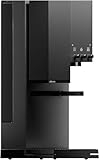
- 1. Three Levels of Automation for Any Skill Level: Choose from Autopilot, Copilot, or Free Solo mode. Autopilot handles the entire brewing process automatically. Copilot provides step-by-step guidance. Free Solo gives you full manual control. This coffee machine works for beginners and professional baristas alike.
- 2. Intuitive User Interface with Tactile Knobs and LED Matrix: The Studio features physical control knobs and a clear LED Matrix display. You can adjust grind size, water temperature, and flow rate in real time without navigating complicated touchscreen menus.
- 3. Full Customization via the xBloom App: Use the xBloom app to create, adjust, save, and share your favorite coffee recipes. Every brewing parameter can be fine-tuned and synced to the machine instantly. Your perfect cup is saved and repeatable.
- 4. Compostable xPod System for Minimal Waste and Maximum Flavor: Each xPod contains carefully selected whole beans and a built-in filter. Tap the recipe card, pour the beans into the grinder, place the pod into the dock, and press start. No capsules, no extra paper filters, no unnecessary waste.
- 5. What Is Included in the Box: The package includes the xBloom Studio, Omni Dripper 2 with Hyperflow Bottom, 10 paper filters, xPod Dock, Magnetic Dosing Cup, default recipe card, quick start guide, cleaning brush, universal power cord, and a 2-Year xbloom brand warranty. Everything you need is included—along with long-term peace of mind.
Key terms and definitions
- Espresso: A concentrated coffee beverage brewed by forcing hot water under high pressure through finely ground coffee beans.
- Grind Size: Refers to the coarseness or fineness of coffee particles after grinding. Espresso requires an extremely fine grind.
- Drip Coffee Maker: A common household appliance that brews coffee by allowing hot water to drip through coffee grounds held in a filter.
- Extraction: The process of dissolving soluble compounds from coffee grounds into water, which creates the flavor and aroma of coffee.
- Over-extraction: Occurs when coffee grounds are in contact with water for too long or the grind is too fine for the brewing method, leading to bitter flavors.
- Under-extraction: Happens when coffee grounds are not in contact with water long enough or the grind is too coarse, resulting in a weak, sour, or thin-tasting coffee.
- Brew Ratio: The proportion of coffee grounds to water used in brewing, typically expressed as grams of coffee to milliliters of water.
- Caffeine Content: The amount of caffeine present in a brewed coffee beverage. This is influenced by bean type, roast level, and brewing method.
- Flavor Intensity: The perceived strength and complexity of the coffee’s taste profile, distinct from caffeine level.
How it works
- Coffee brewing is a process of dissolving soluble solids from roasted coffee beans into water.
- The grind size of the coffee beans is critical because it determines the surface area exposed to water.
- Finer grinds have more surface area, allowing for faster extraction of soluble compounds.
- Espresso machines use high pressure (around 9 bars) to force water through a tightly packed puck of very fine grounds.
- This high pressure and fine grind create a short, intense extraction time, yielding a concentrated shot.
- Drip coffee makers rely on gravity and a slower flow rate for extraction.
- Using espresso grounds in a drip machine means the water will have a harder time passing through the fine particles.
- This restricted flow can lead to water pooling on top of the grounds, causing uneven saturation and prolonged contact.
- The result is often over-extraction of bitter compounds while failing to extract the desirable flavors effectively.
- The pressure in an espresso machine is what allows for such a fine grind and short brew time to produce a balanced, concentrated beverage.
What affects the result
- Grind Size: Espresso grounds are very fine. In a drip machine, this can choke the filter, leading to slow brewing and over-extraction of bitter flavors.
- Water Temperature: Optimal brewing temperature is typically between 195°F and 205°F. Too hot can scorch grounds, too cool can lead to under-extraction.
- Coffee-to-Water Ratio: A common starting point for drip coffee is 1:15 to 1:18 (e.g., 1 gram of coffee to 15-18 grams of water). Using too little coffee makes it weak; too much can lead to over-extraction if the grind isn’t right.
- Brew Time: How long the water is in contact with the coffee grounds. Espresso is brewed in about 25-30 seconds, while drip coffee can take several minutes.
- Water Quality: Filtered water is best. Hard water or water with off-flavors will negatively impact the taste of your coffee.
- Freshness of Coffee Beans: Freshly roasted and ground beans yield the best flavor. Stale coffee loses its aromatic oils and tastes flat.
- Roast Level: Darker roasts tend to produce a bolder, more intense flavor, which some people perceive as “stronger.” Lighter roasts retain more acidity and nuanced flavors.
- Brewer Type: Different brewers (drip, pour-over, French press, AeroPress, espresso machine) have distinct brewing mechanisms that interact with grind size and time differently.
- Turbulence/Agitation: How much the coffee grounds are disturbed during brewing. Gentle agitation can promote even extraction, while excessive stirring can lead to bitterness.
- Filter Type: Paper filters trap more oils, leading to a cleaner cup, while metal filters allow more oils through, resulting in a richer, fuller-bodied coffee.
- Pressure: Espresso brewing relies on significant pressure, which is absent in standard drip coffee makers. This pressure is key to extracting the characteristic espresso flavor profile.
- Bean Origin and Variety: Different coffee beans have unique inherent flavors and characteristics that will come through in the final cup, regardless of grind size.
Pros, cons, and when it matters
- Pro: Espresso grounds are designed for maximum flavor extraction in a short time under pressure.
- Con: Using espresso grounds in a drip coffee maker often leads to bitter, over-extracted coffee due to their fineness.
- Pro: For brewing methods that require a fine grind, like Moka pots or some AeroPress recipes, espresso grounds are ideal.
- Con: Espresso grounds can clog the filter in a drip machine, causing slow brewing, overflow, and a messy cleanup.
- Pro: If you’re aiming for a very concentrated coffee flavor that can stand up to milk and sugar, espresso grounds are the foundation.
- Con: The “strength” you might perceive from espresso grounds in a drip maker is likely bitterness, not necessarily more caffeine or a pleasant intensity.
- Pro: Espresso grounds can be used in baking or other culinary applications where a concentrated coffee flavor is desired.
- Con: Using espresso grounds in a drip coffee maker wastes good coffee and produces an unpalatable result.
- Pro: Understanding grind size helps you choose the right coffee for your specific brewing equipment.
- Con: Mistaking the fineness of espresso grounds for a guarantee of “stronger” drip coffee is a common error.
- Pro: Knowing when to use espresso grounds for their intended purpose maximizes your coffee enjoyment.
- Con: The high pressure required for espresso brewing is a critical factor that drip machines cannot replicate.
Common misconceptions
- Misconception: Espresso grounds will automatically make drip coffee stronger.
- Reality: They usually make it bitter and over-extracted, not necessarily stronger in a pleasant way.
- Misconception: “Strong” coffee means more caffeine.
- Reality: “Strong” often refers to flavor intensity. Caffeine content is more influenced by bean type and roast level.
- Misconception: All finely ground coffee is the same.
- Reality: Espresso grind is exceptionally fine and specific to high-pressure brewing.
- Misconception: If the coffee tastes bitter, it’s strong and good.
- Reality: Bitterness is often a sign of over-extraction, indicating an imbalance in the brew.
- Misconception: You can use any coffee grounds in any coffee maker.
- Reality: Grind size and brewing method must be matched for optimal results.
- Misconception: Espresso grounds will make a drip coffee taste like espresso.
- Reality: Espresso’s unique character comes from high pressure and a specific brewing process, not just the grind.
- Misconception: Using more grounds will always make coffee stronger.
- Reality: While ratio matters, if the grind is wrong for the brewer, more grounds can worsen the over-extraction.
- Misconception: Espresso is just dark, bitter coffee.
- Reality: Well-pulled espresso is balanced, with sweetness, acidity, and a rich crema, not just bitterness.
FAQ
Q: Will using espresso grounds in my drip coffee maker make it taste stronger?
A: It’s unlikely to make it taste “stronger” in a desirable way. You’ll likely get a bitter, over-extracted cup because the fine grounds will clog the filter and slow down the water flow, leading to poor extraction.
Q: Can I use my espresso grounds in a French press?
A: It’s generally not recommended. French presses work best with a coarse grind. Using espresso grounds could lead to excessive sediment and over-extraction, resulting in a muddy, bitter brew.
Q: How can I make my drip coffee taste stronger if I don’t have espresso grounds?
A: Adjust your coffee-to-water ratio. Use slightly more coffee grounds for the same amount of water. You can also try a darker roast, which often has a bolder flavor profile.
Q: What is the difference between espresso grind and drip coffee grind?
A: Espresso grind is very fine, like powdered sugar or flour, designed for high-pressure extraction. Drip coffee grind is typically medium to medium-coarse, allowing water to flow through at a moderate pace.
Q: Will espresso grounds give me more caffeine in my drip coffee?
A: Not necessarily. While finer grinds can extract more efficiently, the bitterness from over-extraction in a drip machine often overshadows any slight increase in caffeine. Caffeine content is more determined by the bean and roast.
Q: What should I do with leftover espresso grounds if I don’t have an espresso machine?
A: You can use them in a Moka pot, some AeroPress recipes, or even in baking for a concentrated coffee flavor in cakes, cookies, or brownies.
Q: Why does espresso need such a fine grind?
A: The fine grind, combined with high pressure, creates a dense puck that allows for a quick, efficient extraction of coffee solubles in a short amount of time (around 25-30 seconds).
Q: Can I just use less water with espresso grounds in my drip maker to make it stronger?
A: This is still not advisable. Even with less water, the fine grind will impede flow, leading to uneven extraction and bitterness. It’s best to match your grind to your brewing method.
What this page does NOT cover (and where to go next)
- Specific grind settings for various grinder models.
- Detailed comparisons of different coffee bean origins and their impact on flavor.
- Instructions on how to use specialized brewing equipment like espresso machines or Moka pots.
- In-depth analysis of water chemistry for optimal coffee brewing.
- Recommendations for specific coffee brands or roasters.
- Advanced techniques such as bloom control or specific pouring patterns for pour-over methods.