
Can Drinking Coffee Help You Lose Weight?
Quick Answer
- Coffee might give your metabolism a nudge.
- Caffeine can help burn more fat, especially during exercise.
- It can also curb your appetite, making you eat less.
- But don’t expect miracles. It’s not a magic bullet for weight loss.
- Black coffee is best. Sugar and cream add calories.
- Consistency is key, but listen to your body.
If you’re looking for a more controlled dose of caffeine without the coffee, consider exploring caffeine supplements.
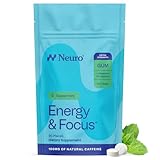
- Fast-Acting Nootropic - Our energy supplements deliver an extra boost of energy and clarity with a blend of natural caffeine, L-theanine, and vitamin b6 & b12. Your go-to chewing gum for work, exercise, and daily focus!
- Clean Energy - Each piece of our sugar free gum delivers 100mg of natural caffeine from green coffee beans for a smooth energy boost without crashes or jitters.
- The Perfect Balance - With 60mg of L-theanine per piece, our energy and focus formula promotes enhanced focus and stress reduction to smooth energy boosts.
- How to Use - Chew one piece of the caffeine gum whenever focus or energy is lacking. Ideal for mornings, pre-workout, or afternoon slumps. Effects typically kick in within minutes thanks to optimal absorption through the mouth.
- Made by Neuro, Backed by Science - At Neuro, we combine neuroscience with clean, science backed ingredients to help you do more, think better, and feel your best every single day.
Key Terms and Definitions
- Metabolism: The process your body uses to convert food and drink into energy. Think of it as your internal engine.
- Caffeine: The natural stimulant found in coffee beans. It’s what wakes you up.
- Thermogenesis: The body’s process of producing heat, which burns calories. Coffee can boost this.
- Lipolysis: The breakdown of fats in your body. Caffeine can encourage this.
- Appetite Suppressant: Something that helps reduce your desire to eat. Coffee can act like one.
- Basal Metabolic Rate (BMR): The number of calories your body burns at rest. Coffee might slightly increase this.
- Adipose Tissue: Body fat. Lipolysis breaks this down.
- Cortisol: A stress hormone. Too much can affect weight.
- Insulin Sensitivity: How well your body uses insulin. Coffee might improve this for some.
- Placebo Effect: When you believe something works, and it seems to, even if it’s not the substance itself.
How Coffee Can Potentially Aid Weight Management
- Metabolic Boost: Coffee, specifically the caffeine, can rev up your metabolism. This means your body might burn a few more calories throughout the day, even when you’re just chilling.
- Fat Burning Kickstart: Caffeine can encourage your body to break down fat cells. This process, called lipolysis, releases fatty acids into your bloodstream, making them available for energy.
- Pre-Workout Power-Up: Drinking coffee before a workout can enhance fat burning during that exercise. Your body might tap into fat stores more readily for fuel.
- Appetite Control: For some folks, coffee can make them feel less hungry. This might lead to eating fewer calories overall. It’s a subtle effect, but it counts.
- Increased Alertness and Energy: Feeling more energetic can translate to being more active. More movement means more calories burned. Simple math, right?
- Thermogenesis Support: Coffee can increase thermogenesis, the process where your body generates heat. This heat production burns calories.
- Potential Insulin Sensitivity Improvement: Some research suggests coffee might help improve insulin sensitivity. Better insulin management is generally good for metabolic health.
- Hydration (with a caveat): While coffee is mostly water, it’s also a diuretic. But for moderate consumption, it contributes to your daily fluid intake.
What Affects Coffee’s Impact on Your Weight
- Your Personal Genetics: How your body processes caffeine is unique. Some people are fast metabolizers, others are slow. This changes how much effect coffee has.
- Amount of Caffeine: More caffeine doesn’t always mean more benefit. Too much can lead to jitters and sleep problems, which can actually hinder weight loss.
- When You Drink It: Timing matters. Pre-workout is often cited for fat-burning benefits. Drinking it too late can mess with your sleep.
- What You Add to It: This is a big one. Black coffee is virtually calorie-free. Cream, sugar, syrups, and whipped cream? They add up fast. That latte can easily become a dessert.
- Your Diet Overall: Coffee isn’t a substitute for a healthy diet. If you’re eating junk, a cup of coffee won’t magically fix it.
- Your Activity Level: Coffee might help you burn a few extra calories, but it won’t replace regular exercise. You still gotta move.
- Sleep Quality: Poor sleep can mess with your hormones and increase cravings. If coffee disrupts your sleep, it could backfire.
- Tolerance: Over time, your body can build up a tolerance to caffeine. This means you might need more to get the same effect, or the effect might diminish.
- Brewer Type: While the core compounds are the same, different brewing methods extract different amounts of oils and solids. This usually affects flavor more than weight loss impact, though.
- Freshness of Beans: Fresher beans generally have more volatile compounds that contribute to flavor and aroma. This doesn’t directly impact weight loss but makes the experience better.
- Hydration Levels: Being well-hydrated is crucial for metabolism. Coffee can contribute, but don’t rely on it solely for fluids.
- Stress Levels: High stress can lead to increased cortisol, which can promote fat storage. While coffee can sometimes help with focus, it can also exacerbate stress for some.
Pros, Cons, and When It Matters
- Pro: Calorie-Free Base: Black coffee is a great way to get a flavor boost without adding calories. Perfect for those watching their intake.
- Con: Added Calories: Sugary, creamy coffee drinks are calorie bombs. They can easily undo any potential weight loss benefits.
- Pro: Metabolism Kick: It can give your metabolism a slight, temporary boost. Every little bit helps, right?
- Con: Jitters and Anxiety: Too much caffeine can make you feel on edge. Not ideal for anyone already dealing with stress.
- Pro: Enhanced Exercise Performance: For some, it can improve endurance and fat burning during workouts. Great for athletes or anyone hitting the gym.
- Con: Sleep Disruption: Drinking coffee too late in the day can wreck your sleep. And bad sleep is a weight loss killer.
- Pro: Appetite Suppression: It can help take the edge off hunger. This can be useful for managing snacking.
- Con: Digestive Issues: Some people find coffee upsets their stomach. Listen to your gut.
- Pro: Convenience: It’s readily available and easy to make at home. A quick fix for a morning boost.
- Con: Dependency: You can become reliant on it to feel functional. Not a sign of true health.
- Pro: Antioxidants: Coffee contains antioxidants, which are good for overall health. A bonus beyond weight management.
- Con: Individual Sensitivity: Not everyone reacts the same way. Some people are sensitive to caffeine’s effects.
- When It Matters: It matters most when you’re already committed to a healthy lifestyle. It’s a potential helper, not a primary driver. It matters if you drink it black or load it up.
Common Misconceptions About Coffee and Weight
- Myth: Coffee is a magic weight loss potion. Nope. It’s a small helper at best, not a standalone solution.
- Myth: The more coffee you drink, the more weight you’ll lose. Not true. Too much caffeine causes problems. Moderation is key.
- Myth: All coffee drinks are healthy. Absolutely not. Those fancy flavored lattes can be loaded with sugar and fat.
- Myth: Coffee makes you burn calories while you sleep. It might slightly boost your resting metabolism, but not significantly during sleep.
- Myth: Decaf coffee has no effect on weight. Decaf still has some caffeine, and other compounds that might have minor effects. But less caffeine means less of a stimulant effect.
- Myth: Coffee is dehydrating and bad for you. For moderate consumption, it contributes to fluid intake. It’s not like drinking pure alcohol.
- Myth: You can drink coffee anytime and still lose weight. Timing is important, especially regarding sleep.
- Myth: Coffee directly melts fat off your body. It helps your body access fat for fuel, but it doesn’t just make it disappear.
- Myth: Coffee causes weight gain. Only if you load it with high-calorie additions. Black coffee itself won’t make you gain weight.
- Myth: Coffee is addictive and you should avoid it. While caffeine can be habit-forming, moderate consumption is generally safe for most adults.
FAQ
- Does black coffee help you lose weight?
Yes, black coffee can potentially aid weight loss by boosting metabolism and curbing appetite. It’s the best way to drink it if weight management is your goal.
- How much coffee should I drink for weight loss?
Most studies suggest 2-4 cups of coffee per day is a reasonable range. Listen to your body; more isn’t always better.
- Can coffee replace a meal for weight loss?
No, coffee should not replace meals. It lacks essential nutrients and calories needed for a balanced diet.
- Is it better to drink coffee before or after a workout?
Drinking coffee about 30-60 minutes before a workout might enhance fat burning and performance.
- Will adding milk to my coffee hinder weight loss?
It depends on the milk and how much you add. A splash of skim milk has minimal impact, but larger amounts of whole milk or cream add calories.
- Does caffeine in coffee cause weight gain?
Caffeine itself doesn’t cause weight gain. In fact, it can help increase calorie expenditure. Weight gain comes from excessive calorie intake, often from what you add to your coffee.
- Can I drink coffee if I have high blood pressure?
Caffeine can temporarily raise blood pressure. If you have high blood pressure, talk to your doctor before increasing your coffee intake.
- Does coffee help with belly fat specifically?
Coffee might help mobilize fat stores, including from the abdominal area, but it’s not a targeted fat-loss solution for specific body parts.
- Is it okay to drink coffee on an empty stomach for weight loss?
Some people experience digestive upset drinking coffee on an empty stomach. It’s generally better to have it with or after a small meal.
- What’s the best type of coffee for weight loss?
The best “type” is simply black coffee. How it’s brewed (drip, pour-over, etc.) has less impact than what you add to it.
What This Page Does NOT Cover (And Where to Go Next)
- Specific Dietary Plans: This page doesn’t outline full diet plans. Look into balanced nutrition resources.
- Exercise Routines: We touched on workouts, but detailed exercise plans are a separate topic. Explore fitness guides.
- Medical Advice: If you have health conditions, consult a doctor or registered dietitian. This is general info.
- Supplements: We’re talking about coffee, not other weight loss supplements. Research those separately.
- Sleep Science: While mentioned, a deep dive into sleep hygiene is beyond this scope. Check out sleep resources.