
Can Coffee Help You Sober Up? Debunking the Myth
Quick answer
- Coffee does not sober you up; it can mask the effects of alcohol.
- Alcohol is metabolized by the liver, a process coffee does not influence.
- Caffeine is a stimulant that can make you feel more alert, but it doesn’t reduce your blood alcohol content (BAC).
- Combining alcohol and caffeine can lead to risky behavior because you may feel less impaired than you actually are.
- The only way to sober up is to give your body time to process the alcohol.
- Hydration and rest are more effective ways to support your body after consuming alcohol.
Key terms and definitions
- Alcohol Metabolism: The process by which your body breaks down alcohol, primarily in the liver, into less toxic substances.
- Blood Alcohol Content (BAC): A measure of the amount of alcohol in your bloodstream, typically expressed as a percentage.
- Caffeine: A stimulant found in coffee and other beverages that affects the central nervous system.
- Stimulant: A substance that increases activity in the central nervous system, leading to increased alertness and energy.
- Depressant: A substance that reduces the activity of the central nervous system, leading to relaxation and reduced inhibition. Alcohol is a depressant.
- Metabolize: To break down a substance within the body through chemical processes.
- Sedation: A state of calm or reduced consciousness, often induced by depressants.
- Alertness: A state of being aware and responsive to one’s surroundings.
- Impairment: A reduction in mental or physical function, such as coordination, judgment, or reaction time.
- Liver: The organ responsible for metabolizing alcohol.
How it works
- Alcohol is absorbed into your bloodstream after consumption.
- Your liver begins to metabolize alcohol at a relatively constant rate, typically around one standard drink per hour.
- Caffeine, a stimulant in coffee, acts on your brain and nervous system.
- Caffeine can increase alertness and make you feel more awake and less tired.
- This increased alertness can counteract the sedative effects of alcohol, making you feel less drunk.
- However, caffeine does not speed up the liver’s processing of alcohol.
- Your BAC remains the same regardless of whether you drink coffee.
- The perception of sobriety is not the same as actual sobriety; your cognitive functions and reaction times are still impaired by alcohol.
- Therefore, while coffee might make you feel more functional, it doesn’t reduce the amount of alcohol in your system.
- Relying on coffee to sober up can lead to a dangerous misjudgment of your own impairment.
While coffee can make you feel more alert, it doesn’t actually speed up your body’s processing of alcohol. If you’re looking for a way to boost alertness without the alcohol, consider a caffeine supplement.
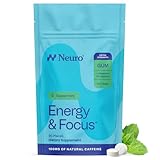
- Fast-Acting Nootropic - Our energy supplements deliver an extra boost of energy and clarity with a blend of natural caffeine, L-theanine, and vitamin b6 & b12. Your go-to chewing gum for work, exercise, and daily focus!
- Clean Energy - Each piece of our sugar free gum delivers 100mg of natural caffeine from green coffee beans for a smooth energy boost without crashes or jitters.
- The Perfect Balance - With 60mg of L-theanine per piece, our energy and focus formula promotes enhanced focus and stress reduction to smooth energy boosts.
- How to Use - Chew one piece of the caffeine gum whenever focus or energy is lacking. Ideal for mornings, pre-workout, or afternoon slumps. Effects typically kick in within minutes thanks to optimal absorption through the mouth.
- Made by Neuro, Backed by Science - At Neuro, we combine neuroscience with clean, science backed ingredients to help you do more, think better, and feel your best every single day.
What affects the result
- Amount of Alcohol Consumed: The more alcohol you drink, the higher your BAC will be, and the longer it will take for your body to process it.
- Body Weight and Composition: Larger individuals and those with a higher percentage of body water generally metabolize alcohol more slowly.
- Sex: Biological sex can influence alcohol metabolism due to differences in body composition and enzyme activity.
- Food Intake: Eating before or while drinking can slow the absorption of alcohol into the bloodstream, leading to a lower peak BAC.
- Genetics: Individual genetic factors can affect how efficiently your body metabolizes alcohol.
- Liver Health: A healthy liver is crucial for efficient alcohol metabolism; liver damage can impair this process.
- Hydration Levels: While not directly affecting alcohol metabolism, staying hydrated can help mitigate some of the negative effects of alcohol, like dehydration and headaches.
- Time: The passage of time is the only factor that allows your liver to metabolize alcohol and lower your BAC.
- Caffeine Intake: As discussed, caffeine can mask impairment but does not reduce BAC.
- Rate of Drinking: Consuming alcohol quickly leads to a higher and faster-rising BAC compared to drinking slowly.
- Medications: Certain medications can interact with alcohol, affecting its metabolism or intensifying its effects.
- Metabolic Rate: While not a primary driver for alcohol, a generally higher metabolic rate might slightly influence how quickly certain substances are processed, though alcohol metabolism is largely liver-dependent.
Pros, cons, and when it matters
- Pro: Increased Alertness: Coffee can make you feel more awake and less drowsy, which can be desirable in social situations.
- Con: Masking Impairment: This increased alertness can be dangerous as it might lead you to believe you are more sober than you are, increasing the risk of accidents or poor decisions.
- Pro: Potential for Reduced Headache: For some, hydration from coffee (if consumed without excessive alcohol) might help with mild alcohol-induced headaches later.
- Con: Dehydration: Coffee is a diuretic, meaning it can increase fluid loss. Alcohol is also dehydrating, so combining them can worsen dehydration.
- Pro: Social Ritual: For many, coffee is a familiar and comforting beverage that can be part of a social gathering.
- Con: Stomach Upset: Both coffee and alcohol can irritate the stomach lining, and consuming them together may exacerbate this.
- Pro: Enjoyment: Coffee has a distinct flavor and aroma that many people enjoy.
- Con: Disrupted Sleep: If consumed too late, caffeine can interfere with sleep, which is important for recovery after drinking.
- Context: Designated Driver Situations: If you are the designated driver, it’s crucial to be fully sober. Coffee will not help you achieve this.
- Context: Before Driving: Never drive after consuming alcohol, even if you’ve had coffee. Your judgment and reaction time are still compromised.
- Context: Recovering from a Night Out: While coffee won’t sober you up, it might help you feel more functional the morning after, but it’s not a substitute for rest and rehydration.
- Context: Avoiding Risky Behavior: Understanding that coffee doesn’t sober you up is vital for making safer choices regarding alcohol consumption and its aftermath.
Common misconceptions
- Myth: Coffee burns off alcohol. Coffee does not have any effect on the rate at which your liver metabolizes alcohol.
- Myth: Coffee cancels out the effects of alcohol. It can mask the feeling of being drunk by increasing alertness, but it doesn’t reduce your actual level of impairment.
- Myth: A cold shower will sober you up. Like coffee, a cold shower is a shock to the system that can make you feel more awake but does not affect your BAC.
- Myth: Eating greasy food after drinking will sober you up. Food can slow alcohol absorption if eaten beforehand, but it doesn’t speed up metabolism once alcohol is in your system.
- Myth: Coffee makes you a better driver when you’re drunk. Even if you feel more alert, your reaction time and judgment are still impaired by alcohol.
- Myth: Coffee helps your body process alcohol faster. The liver is the sole organ responsible for metabolizing alcohol, and its rate is largely fixed.
- Myth: Drinking more coffee means you can drink more alcohol. This is a dangerous misconception that can lead to severe alcohol poisoning.
- Myth: Coffee is a good hangover cure. While it might help with grogginess, it won’t address the underlying dehydration and other effects of alcohol.
- Myth: You can “sweat out” alcohol. Sweating, like urinating, is a way the body eliminates water and some waste products, but it does not significantly impact alcohol levels.
- Myth: Coffee reduces your blood alcohol content (BAC). BAC is a measure of alcohol in the blood, and only time and liver metabolism will reduce it.
FAQ
Q: If coffee doesn’t sober me up, what does?
A: The only thing that truly sober you up is time. Your liver metabolizes alcohol at a steady rate, and nothing you consume can speed this process up.
Q: Can I drink coffee and alcohol at the same time?
A: You can, but it’s important to be aware of the risks. Coffee can make you feel less impaired than you actually are, leading to potentially dangerous decisions.
Q: How long does it take to sober up after drinking alcohol?
A: It depends on how much you’ve had. On average, your body can process about one standard drink per hour. For significant amounts of alcohol, this can mean many hours.
Q: Does caffeine affect how alcohol is absorbed?
A: Caffeine does not significantly affect how quickly alcohol is absorbed into your bloodstream. It primarily affects how you perceive the effects of alcohol.
Q: Is it safe to drive after drinking coffee if I’ve been drinking alcohol?
A: No. Even if you feel more alert due to coffee, your judgment and reaction time are still impaired by alcohol. It is never safe to drive under the influence of alcohol.
Q: What are better ways to recover after drinking?
A: Focus on hydration by drinking plenty of water. Getting adequate rest is also crucial for your body to recover. Eating a balanced meal can help replenish nutrients.
Instead of relying on coffee, focus on rehydration and rest. Hydration tablets can be a convenient way to replenish electrolytes and support your body’s recovery after drinking.

- CHEWABLE ELECTROLYTE TABLETS: Delicious and chewable bite-sized electrolyte tablets packed with sodium, potassium, calcium, and magnesium: the main electrolytes lost through sweat.
- ELECTROLYTES THAT WORK FAST: These electrolyte chews are designed to absorb quickly, faster than the leading sports drink or electrolyte powders. Just chew it and feel the difference.
- CLEAN AND SIMPLE INGREDIENTS: Sodium, Potassium, Calcium, and Magnesium, No Artificial Colors or Sweeteners. Non-GMO, Vegan, Allergen Free. SaltStick FastChews is a dietary supplement and does not cure, mitigate, treat or prevent any disease.
- HOW TO USE: Just Chew It! Similar to a sweet tart. Simply chew 2 tablets every 30 minutes during exercise. Drink water as needed.
- SPORT ELECTROLYTE SUPPLEMENTS: For all workouts and sports when you sweat, from marathon training to hot yoga and hiking to cycling. Use any time fast acting electrolytes are needed.
Q: Can mixing coffee and alcohol cause health problems?
A: While not always, mixing them can exacerbate stomach irritation, worsen dehydration, and lead to a dangerous misjudgment of your impairment, increasing the risk of accidents.
Q: Will eating food help me sober up faster?
A: Eating food before or while drinking can slow the absorption of alcohol, leading to a lower peak BAC. However, eating food after you’ve been drinking does not speed up the metabolism of the alcohol already in your system.
What this page does NOT cover (and where to go next)
- Specific legal limits for BAC in different states or consequences of DUI.
- Detailed medical advice on alcohol poisoning or long-term alcohol abuse.
- Nutritional breakdowns of coffee or its specific health benefits/risks.
- Information on other substances that claim to sober you up.