
Can Coffee and Salt Cause Upset Stomach?
Quick answer
- Coffee alone can sometimes cause stomach discomfort due to its acidity and caffeine content.
- Adding a small pinch of salt to coffee is sometimes suggested to reduce bitterness, not to prevent upset stomach.
- Excessive salt intake, even in coffee, can lead to nausea, vomiting, and other health issues.
- The combination of coffee’s effects and too much salt can increase the likelihood of digestive upset.
- If you experience frequent upset stomach after coffee, consider your coffee type, brewing method, and overall diet.
- Consult a healthcare professional if symptoms persist or are severe.
What this problem usually is (and is not)
- This problem is usually about digestive sensitivity to coffee, often exacerbated by other factors.
- It is not typically a sign of coffee “going bad” unless the coffee itself is moldy or very old.
- It is often related to the amount of coffee consumed, the strength, or individual physiological responses.
- It is not a common side effect of a tiny pinch of salt in coffee, which is often imperceptible.
- It is not a substitute for medical advice if you have chronic digestive issues.
- It is not usually an indication of a major machine malfunction, but poor cleaning can contribute to off-flavors that might cause nausea.
Likely causes (triage list)
- Coffee Acidity: Darker roasts are often less acidic than lighter roasts, but all coffee contains acids. Some people are more sensitive to these naturally occurring acids.
- To confirm: Try switching to a low-acid coffee blend or a cold brew, which has lower acidity.
- Caffeine Sensitivity: High caffeine intake can stimulate the digestive system and, for some, cause nausea or stomach cramps.
- To confirm: Reduce your coffee intake or switch to decaffeinated coffee for a few days to see if symptoms improve.
- Adding Too Much Salt: While a tiny pinch of salt might balance bitterness, adding a significant amount can lead to electrolyte imbalance, nausea, and vomiting.
- To confirm: Observe if symptoms only occur when you add salt, especially if you add more than a very small amount.
- Empty Stomach: Drinking coffee on an empty stomach can sometimes irritate the stomach lining for sensitive individuals.
- To confirm: Try having a small meal or snack before your coffee and see if it makes a difference.
- Poor Quality or Stale Coffee: Off-flavors from old or poorly stored coffee, or even mold, can be unappetizing and cause stomach upset.
- To confirm: Check the roast date on your coffee beans and ensure proper storage in an airtight container away from light and heat.
- Brewing Method: Over-extraction can lead to a more bitter and potentially more irritating cup. Under-extraction can also taste unpleasant.
- To confirm: Experiment with different grind sizes and brew times. For example, if using a drip machine, ensure water is flowing at the correct rate.
- Pre-existing Conditions: Conditions like IBS, acid reflux, or ulcers can make individuals more prone to coffee-induced stomach upset.
- To confirm: This would require consultation with a healthcare provider.
If you’re sensitive to caffeine, switching to decaffeinated coffee can be a great way to enjoy your morning ritual without the digestive discomfort. You can find good decaf options like this one.
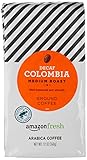
Amazon Fresh Decaf Colombia Ground Coffee, Medium Roast, 12 Ounce
- Balanced, full-bodied medium roast with a smooth finish
- One 12-ounce bag of ground coffee
- Decaffeinated
- 100% Arabica coffee grown in Colombia
- Roasted and packed in the U.S.A.
Fix it step-by-step (brew workflow)
1. Evaluate your coffee choice:
- What to do: Consider a darker roast or a coffee specifically labeled as low-acid.
- What “good” looks like: A coffee that tastes smooth and doesn’t immediately cause discomfort.
- Common mistake: Assuming all coffee is the same. Different beans and roasts have varying acidity levels. Avoid very light, highly acidic roasts if you’re sensitive.
2. Adjust your grind size:
- What to do: For drip or pour-over, aim for a medium grind, similar to table salt. For espresso, it’s much finer.
- What “good” looks like: A balanced extraction – not too bitter (over-extracted) or too sour (under-extracted).
- Common mistake: Using the wrong grind size for your brewing method, leading to over- or under-extraction. Ensure your grinder is set correctly.
3. Use appropriate water temperature:
- What to do: Aim for water between 195-205°F (90-96°C) for most brewing methods.
- What “good” looks like: Even extraction of coffee flavors without burning or under-extracting.
- Common mistake: Using boiling water (can burn the coffee) or water that’s too cool (leads to under-extraction and sourness). Use a thermometer if your machine doesn’t regulate temperature.
4. Measure your coffee-to-water ratio:
- What to do: A common starting point is 1:15 to 1:18 coffee to water by weight. For example, 2 tablespoons (about 10-12g) of coffee per 6 oz of water.
- What “good” looks like: A balanced strength, not too weak or too strong.
- Common mistake: Eyeballing measurements, which can lead to inconsistent and potentially over-strong coffee. Use a kitchen scale for accuracy.
5. Consider your brewing time:
- What to do: Follow recommended brew times for your method (e.g., 4-6 minutes for pour-over, 20-30 seconds for espresso).
- What “good” looks like: A full-bodied taste without excessive bitterness.
- Common mistake: Letting coffee sit on the grounds too long (over-extraction) or not long enough (under-extraction).
6. Assess your salt addition (if any):
- What to do: If adding salt, use only a tiny pinch (e.g., 1/16 teaspoon for a full pot).
- What “good” looks like: A subtle reduction in bitterness, not a salty taste.
- Common mistake: Adding too much salt, thinking more will improve flavor or prevent stomach issues. Too much salt is harmful.
7. Drink coffee with food:
- What to do: Have a light breakfast or snack before or with your coffee.
- What “good” looks like: Reduced stomach irritation.
- Common mistake: Consuming coffee on an empty stomach, which can be harsher for some digestive systems.
8. Stay hydrated:
- What to do: Drink water throughout the day, especially if you consume coffee.
- What “good” looks like: Feeling generally well and avoiding dehydration symptoms.
- Common mistake: Relying solely on coffee for hydration, which is not effective.
Prevent it next time
- Regular cleaning and descaling: Clean your coffee maker weekly and descale every 1-3 months to prevent mineral buildup and mold growth.
- Use filtered water: Hard water can affect taste and machine performance. Filtered water improves flavor and reduces scale.
- Store coffee properly: Keep whole beans in an airtight container, away from light, heat, and moisture. Grind right before brewing.
- Maintain correct coffee-to-water ratio: Use a scale to consistently measure coffee and water for optimal flavor and strength.
- Use the appropriate grind size: Match your grind to your brewing method to avoid over- or under-extraction.
- Proper filter use: Ensure filters are correctly placed and of the right size for your machine to prevent grounds from entering your cup.
- Limit salt to a tiny pinch: If you choose to add salt, use a minimal amount to avoid adverse effects.
- Don’t drink coffee on an empty stomach: Pair your coffee with food, especially if you are prone to stomach upset.
- Listen to your body: If a particular coffee or brewing method consistently causes issues, try an alternative.
Common mistakes (and what happens if you ignore them)
| Mistake | What it causes | Fix |
|---|---|---|
| Using too much salt in coffee | Nausea, vomiting, dehydration, electrolyte imbalance, high blood pressure. | Use a tiny pinch (1/16 tsp) or none at all. |
| Drinking coffee on an empty stomach | Acid reflux, stomach irritation, indigestion. | Eat a small meal or snack before or with your coffee. |
| Using stale or old coffee beans | Flat, bitter, or unpleasant taste; potential stomach upset from off-flavors. | Buy fresh beans, check roast dates, store in airtight container. |
| Incorrect grind size for brewing method | Over-extraction (bitter, harsh) or under-extraction (sour, weak). | Adjust grinder settings; consult your brewer’s manual for recommended grind. |
| Not cleaning your coffee maker regularly | Mold, mineral buildup, off-flavors, reduced machine lifespan, potential health issues. | Clean daily/weekly, descale every 1-3 months. |
| Using very hot or very cold water for brewing | Scalded coffee (bitter) or under-extracted coffee (sour). | Use water between 195-205°F (90-96°C). |
| Over-caffeination | Jitters, anxiety, increased heart rate, stomach upset, insomnia. | Reduce caffeine intake; consider decaf or half-caf options. |
| Ignoring symptoms of stomach upset | Chronic digestive issues, worsening of underlying conditions. | Adjust coffee habits, consult a healthcare professional if symptoms persist. |
| Guessing coffee-to-water ratio | Inconsistent flavor, overly strong or weak coffee. | Use a kitchen scale for precise measurements. |
Decision rules (simple if/then)
- If you feel nauseous immediately after drinking coffee, then consider reducing your caffeine intake or drinking it with food because caffeine can stimulate the digestive system.
- If your coffee tastes excessively bitter and causes stomach discomfort, then check your grind size and brewing time because over-extraction leads to bitterness and can be harder on the stomach.
- If you’ve added salt to your coffee and experience nausea or vomiting, then immediately stop adding salt or reduce it to a tiny pinch because too much salt can cause severe digestive distress.
- If your stomach issues persist even after adjusting your coffee habits, then consult a healthcare professional because there might be an underlying medical condition.
- If your coffee tastes “off” or moldy, then discard the coffee and thoroughly clean your machine because old or contaminated coffee can cause upset stomach.
- If you notice a metallic taste in your coffee, then descale your coffee maker because mineral buildup can affect flavor and potentially harbor bacteria.
- If you’re using a very light roast and experiencing stomach upset, then try a darker roast or a low-acid coffee because lighter roasts tend to have higher acidity.
- If your coffee is too weak or sour, then check your water temperature and ensure it’s within the 195-205°F range because under-extraction due to cool water can taste unpleasant and be less satisfying.
- If you frequently get stomach cramps after coffee, then try drinking water before and after your coffee because hydration can help mitigate digestive issues.
FAQ
- Can a tiny pinch of salt in coffee really cause an upset stomach? A tiny pinch (e.g., 1/16 teaspoon) is unlikely to cause upset stomach for most people. The issue typically arises from adding too much salt, which can lead to significant digestive problems.
- Does cold brew coffee help with stomach upset? Yes, cold brew is generally less acidic than hot brewed coffee because the cold water extraction process pulls out fewer acidic compounds. This can make it easier on sensitive stomachs.
- What’s the best way to reduce coffee’s acidity? You can try darker roasts, cold brew methods, or adding milk/cream. Some people also find low-acid coffee beans helpful.
- Is it better to drink coffee on an empty stomach or with food? For those prone to stomach upset, drinking coffee with food is often recommended. Food can help buffer the stomach lining against coffee’s acidity.
- How much caffeine is too much? Individual tolerance varies, but generally, exceeding 400 milligrams of caffeine per day (about four 8-oz cups of brewed coffee) can lead to side effects like jitters, anxiety, and stomach upset.
- Can old coffee cause stomach issues? While old coffee won’t necessarily “spoil” in a dangerous way, it can develop off-flavors and become bitter, which might contribute to nausea or an unpleasant experience. Moldy coffee, however, should always be discarded.
What this page does NOT cover (and where to go next)
- Detailed medical advice for chronic digestive conditions. Consult a doctor or gastroenterologist.
- Specific brand recommendations for low-acid coffee. Research brands known for this characteristic.
- Advanced coffee brewing techniques beyond basic adjustments. Explore resources on specific brew methods.
- Comprehensive guides on coffee machine maintenance and repair. Refer to your machine’s manual.
- In-depth nutritional analysis of coffee and salt. Consult a registered dietitian.