
Brewing Your Own Dandelion Coffee At Home
Quick answer
- Dandelion coffee is a caffeine-free alternative made from roasted dandelion roots.
- Roasting the roots is key to developing that deep, earthy flavor.
- You can brew it like regular coffee, using methods like drip, French press, or pour-over.
- Aim for a medium grind, similar to what you’d use for regular coffee beans.
- Freshly roasted roots yield the best taste.
- Experiment with ratios to find your perfect strength.
Who this is for
- Anyone looking for a caffeine-free coffee alternative.
- Folks who enjoy earthy, slightly bitter flavors.
- Home brewers interested in exploring unique, herbal beverages.
If you’re looking for a convenient way to enjoy a caffeine-free coffee alternative without the hassle of roasting your own roots, consider trying a pre-made caffeine-free coffee blend.
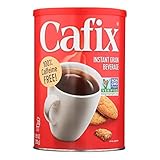
- Instant Beverage; 100% Caffeine Free
- No Artificial Ingredients
- No refined Sugar
What to check first
Brewer type and filter type
Your chosen brewing method matters. A French press will give you a bolder, more full-bodied cup. A drip machine or pour-over will be cleaner. Make sure your filter is suitable for the grind size you’ll be using. Paper filters catch more sediment, while metal filters let more oils through.
Water quality and temperature
This is huge for any brew. If your tap water tastes funky, your dandelion coffee will too. Filtered water is always a good bet. For brewing, aim for water just off the boil, around 200°F. Too hot can scorch the grounds; too cool won’t extract the flavor properly.
Grind size and coffee freshness
Freshness is king. If you’re roasting your own roots, grind them right before you brew. A medium grind, like coarse sand, usually works best for most methods. Too fine, and you’ll get sludge. Too coarse, and the flavor will be weak.
Coffee-to-water ratio
This is where you dial in your strength. A good starting point is about 1-2 tablespoons of roasted dandelion root per 6 oz of water. Think of it like regular coffee. You can always add more root if it’s too weak, or more water if it’s too strong.
Cleanliness/descale status
Seriously, a clean brewer makes a world of difference. Any old coffee oils or mineral buildup will mess with the flavor. Give your brewer a good scrub and descale it if needed. It’s a simple step that pays off big time.
Step-by-step (brew workflow)
1. Prepare your dandelion root: If you’ve grown and harvested your own, wash and thoroughly dry the roots. Then, roast them until they’re dark brown and fragrant. For store-bought, you’re likely good to go.
- What “good” looks like: Dark, fragrant roasted roots. No green bits.
- Common mistake: Not roasting enough. This leads to a weak, grassy flavor. Roast until they smell deep and coffee-like.
2. Grind the roasted roots: Use a grinder to achieve a medium grind, similar to coarse sand. Grind just before brewing for maximum flavor.
- What “good” looks like: Evenly sized particles, no dust.
- Common mistake: Grinding too fine. This clogs filters and creates sediment. Use a coarser setting if you’re unsure.
3. Heat your water: Bring fresh, filtered water to just off a boil, around 200°F.
- What “good” looks like: Steam rising, but not a rolling boil.
- Common mistake: Using boiling water. It can scorch the grounds and make the brew bitter. Let it sit for 30-60 seconds after boiling.
4. Prepare your brewer: If using a drip machine, insert your filter. For a French press, ensure it’s clean.
- What “good” looks like: A clean, ready-to-go brewing device.
- Common mistake: Forgetting to rinse paper filters. This can impart a papery taste. Give it a quick rinse with hot water.
5. Add grounds to the brewer: Measure your desired amount of ground dandelion root into your filter or French press. A good starting point is 1-2 tablespoons per 6 oz of water.
- What “good” looks like: An even bed of grounds.
- Common mistake: Scooping too much or too little. Start with the recommended ratio and adjust next time.
6. Bloom the grounds (optional but recommended): Pour just enough hot water over the grounds to saturate them. Let it sit for 30 seconds. This releases gases and prepares the grounds for extraction.
- What “good” looks like: The grounds puff up and release bubbles.
- Common mistake: Skipping this step. You miss out on a more even extraction.
7. Pour the remaining water: Slowly pour the rest of the hot water over the grounds, ensuring even saturation.
- What “good” looks like: A steady, controlled pour that wets all the grounds.
- Common mistake: Pouring too fast. This can create channels and lead to uneven extraction. Pour in stages if needed.
8. Let it brew: Allow the coffee to steep for the recommended time for your method. For French press, this is usually about 4 minutes. For pour-over, it’s a continuous drip.
- What “good” looks like: The aroma filling the air.
- Common mistake: Brewing for too long or too short. Too long can lead to bitterness; too short results in weak coffee.
9. Press or finish brewing: If using a French press, gently press the plunger down. For drip or pour-over, let the water finish dripping through.
- What “good” looks like: A clean separation of grounds from liquid.
- Common mistake: Plunging too hard or too fast. This can force fine grounds into your cup. Go slow and steady.
10. Serve immediately: Pour your dandelion coffee into your favorite mug. Enjoy it black or with your preferred additions.
- What “good” looks like: A rich, dark beverage.
- Common mistake: Letting it sit on a warmer. This can make it taste burnt. Brew only what you’ll drink.
Common mistakes (and what happens if you ignore them)
| Mistake | What it causes | Fix |
|---|---|---|
| Using unroasted dandelion roots | Grassy, unpleasant, weak flavor | Roast roots until dark brown and fragrant before grinding. |
| Grinding too fine | Muddy cup, clogged filters, bitter taste | Use a medium grind (coarse sand consistency) or coarser. |
| Using stale or poor-quality water | Off-flavors, dull taste | Use filtered water and ensure your brewer is clean. |
| Water temperature too high | Scorched grounds, bitter and harsh flavor | Aim for 200°F (just off the boil); let boiling water cool slightly. |
| Water temperature too low | Under-extraction, weak and sour flavor | Ensure water is hot enough (around 200°F). |
| Incorrect coffee-to-water ratio | Too weak or too strong | Start with 1-2 tbsp per 6 oz water and adjust to taste. |
| Over-extraction (brewing too long) | Bitter, astringent, unpleasant taste | Stick to recommended brew times for your method (e.g., 4 min for FP). |
| Under-extraction (brewing too short) | Weak, sour, watery flavor | Ensure adequate brew time and proper water temperature. |
| Dirty brewing equipment | Rancid flavors, off-notes, reduced extraction | Clean your brewer thoroughly after each use. |
| Not rinsing paper filters (if used) | Papery taste, masking the dandelion flavor | Rinse paper filters with hot water before adding grounds. |
| Leaving brewed coffee on a warmer | Burnt, stale, rubbery taste | Brew only what you plan to drink immediately. |
Decision rules (simple if/then)
- If your dandelion coffee tastes too weak, then add more roasted root per volume of water because you need more solids for extraction.
- If your dandelion coffee tastes too bitter, then try a coarser grind or a shorter brew time because over-extraction is likely.
- If your dandelion coffee tastes sour, then check your water temperature and grind size because under-extraction or too-cool water is common.
- If your brew is muddy or has a lot of sediment, then adjust your grind to be coarser or check your filter type because fine particles are getting through.
- If you notice a papery taste, then make sure you’re rinsing your paper filter thoroughly before brewing because residual paper flavor can be strong.
- If your brew tastes stale even when fresh, then check the freshness of your roasted roots or ensure your water is clean because these are key flavor components.
- If your French press plunger is hard to push, then your grind is likely too fine because it’s clogging the filter.
- If you’re getting a burnt taste, then ensure your water isn’t boiling and that you’re not leaving the brewed coffee on a heat source for too long because heat is the culprit.
- If you want a bolder cup, then try a slightly higher coffee-to-water ratio or a longer steep time because more contact means more flavor.
- If you want a lighter cup, then use less roasted root or a shorter steep time because less contact means less flavor.
- If your brew smells off before you even taste it, then check the cleanliness of your equipment or the quality of your roasted roots because something is introducing unwanted aromas.
FAQ
What exactly is dandelion coffee?
Dandelion coffee isn’t true coffee. It’s a beverage made by roasting and grinding the roots of the dandelion plant. It’s a popular caffeine-free alternative for those who enjoy a robust, earthy flavor.
For those interested in exploring a wider variety of unique, herbal beverages beyond just dandelion, there are many excellent herbal coffee blends available that offer diverse flavor profiles.

- HERBAL CHICORY COFFEE - Enjoy six bold, coffee-like blends featuring roasted chicory root, carob and barley. Rich, bold flavor that’s smoother and less acidic than coffee. Non-GMO, organic herbs. No artificial flavors, chemicals, MSG, or preservatives.
- BREW TEECCINO LIKE COFFEE - Our all-purpose grind brews in any kind of coffee maker. Perfect for a cappuccino or latte, delicious hot or iced. Quit coffee by blending with Teeccino & gradually weaning off over 2 weeks.
- NATURALLY CAFFEINE FREE - Experience an energy boost from nutrients, not stimulants. Perfect any time of day or night because it won’t interfere with sleep. Sugar-free Teeccino is a treat for the whole family.
- ACID FREE - Teeccino is naturally acid free, so it won’t disturb your digestion. Replace highly acidic decaf coffee - which still has caffeine - with our 100% naturally caffeine-free coffee alternative.
- PREBIOTICS FOR GUT HEALTH - Inulin from chicory root is a prebiotic soluble fiber that nourishes probiotics. Each cup supports good digestion with 650mg of inulin.
Can I use fresh dandelion roots?
Yes, you can, but they need to be thoroughly cleaned, dried, and then roasted until they’re dark brown and fragrant. Roasting is crucial for developing the coffee-like flavor. Many people opt for pre-roasted and ground dandelion root from health food stores to save time.
How strong should my dandelion coffee be?
This is really up to your personal preference. A good starting point is 1-2 tablespoons of roasted, ground dandelion root per 6 ounces of water. Taste it and adjust the ratio for your next brew until you find your sweet spot.
Does dandelion coffee have caffeine?
No, dandelion coffee is naturally caffeine-free. This makes it a great option for anyone sensitive to caffeine or looking to reduce their intake, especially in the evening.
What does dandelion coffee taste like?
It has a deep, earthy, and slightly bitter flavor profile, often compared to dark roasted coffee or chicory. The roasting process brings out a robust, sometimes nutty or chocolatey undertone. It’s definitely an acquired taste for some.
Can I add milk or sugar?
Absolutely! Just like regular coffee, you can customize dandelion coffee to your liking. Milk, cream, sweeteners, or even spices like cinnamon can complement its earthy notes.
How long should I brew dandelion coffee?
Brewing time depends on your method. For a French press, aim for about 4 minutes. For drip or pour-over, let the water flow through naturally. The key is to allow enough contact time for flavor extraction without overdoing it.
Is dandelion coffee good for you?
Dandelion root has been traditionally used for various health benefits, often related to digestion and liver support. However, it’s not a magic cure-all. Enjoy it as a tasty beverage, but don’t rely on it solely for health benefits.
What this page does NOT cover (and where to go next)
- Detailed instructions on growing and harvesting dandelion roots from scratch.
- Specific health claims or medicinal uses of dandelion root.
- Advanced roasting techniques for dandelion roots.
- Recipes for dandelion coffee cocktails or specialty drinks.
- Comparisons with other herbal coffee alternatives like chicory or roasted barley.