
Brewing the Perfect Iced Drip Coffee: A Step-by-Step Guide
Quick answer
- Use a good quality coffee bean, freshly ground.
- Brew coffee double-strength to account for ice melt.
- Chill your brewed coffee quickly.
- Use filtered water for the best taste.
- Don’t let your coffee sit around too long before chilling.
- Clean your brewer regularly.
Who this is for
- Anyone who loves a good cup of iced coffee but hates the watery disappointment.
- Home brewers looking to upgrade their iced coffee game beyond just pouring hot coffee over ice.
- Coffee enthusiasts who want to understand the science behind a balanced, flavorful cold brew.
What to check first
Brewer type and filter type
Your standard drip coffee maker is your friend here. Whether it’s a simple basket brewer or a fancier pour-over setup, it works. The key is the filter. Paper filters are great for a clean cup, catching oils and fine grounds. Metal filters let more oils through, giving a richer body. For iced coffee, a cleaner cup is often preferred, so paper filters usually win.
Your standard drip coffee maker is your friend here. If you’re looking for a reliable option, consider a quality drip coffee maker like this one to ensure consistent results.
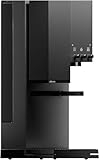
- 1. Three Levels of Automation for Any Skill Level: Choose from Autopilot, Copilot, or Free Solo mode. Autopilot handles the entire brewing process automatically. Copilot provides step-by-step guidance. Free Solo gives you full manual control. This coffee machine works for beginners and professional baristas alike.
- 2. Intuitive User Interface with Tactile Knobs and LED Matrix: The Studio features physical control knobs and a clear LED Matrix display. You can adjust grind size, water temperature, and flow rate in real time without navigating complicated touchscreen menus.
- 3. Full Customization via the xBloom App: Use the xBloom app to create, adjust, save, and share your favorite coffee recipes. Every brewing parameter can be fine-tuned and synced to the machine instantly. Your perfect cup is saved and repeatable.
- 4. Compostable xPod System for Minimal Waste and Maximum Flavor: Each xPod contains carefully selected whole beans and a built-in filter. Tap the recipe card, pour the beans into the grinder, place the pod into the dock, and press start. No capsules, no extra paper filters, no unnecessary waste.
- 5. What Is Included in the Box: The package includes the xBloom Studio, Omni Dripper 2 with Hyperflow Bottom, 10 paper filters, xPod Dock, Magnetic Dosing Cup, default recipe card, quick start guide, cleaning brush, universal power cord, and a 2-Year xbloom brand warranty. Everything you need is included—along with long-term peace of mind.
Water quality and temperature
This is huge. Your coffee is mostly water, right? If your tap water tastes funky, your coffee will too. Use filtered water. For iced coffee, the brewing temperature is still important. Aim for that sweet spot, usually between 195°F and 205°F, just like hot coffee. This extracts the best flavor before the chill.
Grind size and coffee freshness
Freshly roasted, freshly ground coffee is non-negotiable. Buy whole beans and grind them right before you brew. For drip coffee, a medium grind is usually best – think coarse sand. Too fine, and you’ll get bitterness and clogs. Too coarse, and your coffee will be weak.
Coffee-to-water ratio
This is where iced coffee gets tricky. Because ice melts and dilutes your brew, you need to compensate. A good starting point is to double the strength of your hot coffee. So, if you normally use 1:16 (coffee to water), try 1:8 for your iced coffee base. You can adjust from there.
Cleanliness/descale status
A dirty brewer is a flavor killer. Old coffee oils turn rancid and make everything taste bitter or stale. If you haven’t descaled your machine in a while, do it. A clean brewer means clean coffee. It’s like washing your dishes before cooking. Simple but crucial.
Step-by-step (brew workflow)
1. Measure your coffee beans.
- What “good” looks like: You’ve got the right amount for a double-strength brew, usually around 1:8 ratio (e.g., 30g coffee for 240g water).
- Common mistake: Guessing the amount.
- Avoid it by: Using a scale. It’s the most accurate way.
2. Grind your coffee beans.
- What “good” looks like: A medium, consistent grind.
- Common mistake: Using pre-ground coffee or a grind that’s too fine/coarse.
- Avoid it by: Grinding fresh, right before brewing, and aiming for that coarse sand texture.
3. Prepare your brewer.
- What “good” looks like: Filter is in place, brewer is clean.
- Common mistake: Forgetting to rinse the paper filter.
- Avoid it by: Rinsing the paper filter with hot water to remove any papery taste and preheat the brewer. Dump the rinse water.
4. Heat your water.
- What “good” looks like: Water is between 195°F and 205°F.
- Common mistake: Using boiling water or water that’s too cool.
- Avoid it by: Using a thermometer or letting your kettle sit for 30-60 seconds after boiling.
5. Add coffee grounds to the filter.
- What “good” looks like: Grounds are evenly distributed.
- Common mistake: Tamping down the grounds or leaving them uneven.
- Avoid it by: Gently shaking the filter basket to level the grounds.
6. Bloom the coffee (pour-over/manual drip).
- What “good” looks like: A small amount of water (twice the weight of the coffee) saturates the grounds, and they puff up.
- Common mistake: Skipping the bloom or using too much water.
- Avoid it by: Pouring just enough water to wet all the grounds, then waiting 30 seconds. This releases CO2 for better extraction.
7. Begin the main brew.
- What “good” looks like: A steady, controlled pour that saturates the grounds evenly. For automatic brewers, the machine does this.
- Common mistake: Pouring too fast or too slow, or unevenly.
- Avoid it by: For manual brews, pour in slow, concentric circles. For auto brewers, ensure the water reservoir is filled correctly.
8. Brew into a chilled container.
- What “good” looks like: Your double-strength coffee is brewing directly into a pitcher or carafe that’s already cold.
- Common mistake: Brewing into a room-temperature container.
- Avoid it by: Pre-chilling your brewing vessel in the freezer for at least 15 minutes.
9. Brew the remaining water.
- What “good” looks like: All the water has passed through the grounds, leaving a concentrated brew.
- Common mistake: Over-extracting by letting grounds sit in water too long.
- Avoid it by: Ensuring the brew cycle finishes within the typical 4-6 minutes for drip coffee.
10. Remove the spent grounds.
- What “good” looks like: The filter and grounds are removed promptly after brewing.
- Common mistake: Leaving the grounds in the brewer.
- Avoid it by: Discarding the filter and grounds immediately to prevent lingering stale flavors.
11. Chill the concentrated brew.
- What “good” looks like: The coffee is rapidly cooled.
- Common mistake: Letting the hot coffee sit on the counter.
- Avoid it by: Transferring the hot brew to the fridge or an ice bath for quick cooling.
12. Serve over ice.
- What “good” looks like: Your chilled, concentrated coffee poured over plenty of ice.
- Common mistake: Not using enough ice, or using old, freezer-burned ice.
- Avoid it by: Using fresh ice and filling your glass generously. Add a splash of cold water if it’s too strong for you.
Common mistakes (and what happens if you ignore them)
| Mistake | What it causes | Fix |
|---|---|---|
| Using stale coffee beans | Flat, dull, or bitter taste | Buy whole beans from a reputable roaster and grind just before brewing. |
| Incorrect grind size | Under-extracted (sour) or over-extracted (bitter) | Use a medium grind for drip; adjust based on your brewer. |
| Brewing at the wrong temperature | Poor extraction, off-flavors | Aim for 195°F-205°F. |
| Not accounting for ice melt | Watery, weak iced coffee | Brew your coffee double-strength. |
| Using tap water with off-flavors | Unpleasant taste in your coffee | Use filtered water. |
| Dirty brewer or stale filter | Rancid oils, bitter, stale taste | Clean your brewer regularly and descale it. Always use a fresh filter. |
| Brewing too quickly or too slowly | Inconsistent extraction, weak or bitter coffee | Maintain a steady pour and brew time (4-6 mins for drip). |
| Letting hot coffee sit before chilling | Oxidization, stale flavors, less fresh taste | Cool your concentrated brew as quickly as possible after brewing. |
| Using too little coffee | Weak, watery, unsatisfying iced coffee | Stick to your double-strength ratio. |
| Over-extracting the grounds | Bitter, harsh, unpleasant taste | Don’t let the brewed coffee sit on the grounds after the brew cycle is complete. |
Decision rules (simple if/then)
- If your iced coffee tastes watery, then increase your coffee-to-water ratio (use more coffee for the same amount of water) because ice melt dilutes the brew.
- If your iced coffee tastes bitter, then check your grind size and brew time; a grind that’s too fine or brewing too long can cause bitterness.
- If your iced coffee tastes sour, then your grind might be too coarse or your water temperature too low, leading to under-extraction.
- If your coffee smells stale, then check the freshness of your beans and the cleanliness of your brewer because stale beans and dirty equipment are the usual culprits.
- If you’re using an automatic drip machine, then make sure it’s set to brew a strong cup if it has that option, or manually increase your coffee dose.
- If you prefer a richer, more full-bodied iced coffee, then consider using a metal filter instead of paper, but be aware it might let more fine sediment through.
- If your iced coffee has a papery taste, then you likely didn’t rinse your paper filter adequately before brewing.
- If you’re in a hurry, then brewing a concentrated batch and chilling it quickly in an ice bath is faster than waiting for a full fridge chill.
- If your iced coffee tastes “off” and you can’t pinpoint why, then try using a different bag of fresh, recently roasted beans and fresh filtered water to rule out those variables.
- If your brewer is producing less coffee than it used to, then it’s likely time to descale it to remove mineral buildup.
FAQ
Q: Can I just pour hot coffee over ice?
A: You can, but it usually results in weak, watery coffee because the ice melts and dilutes it too much. Brewing double-strength is a much better approach.
Q: How much ice should I use?
A: Fill your serving glass generously with ice. The goal is to chill the coffee quickly without over-diluting it, so more ice is generally better.
Q: What kind of coffee beans are best for iced drip coffee?
A: Medium to dark roasts often work well, as their bolder flavors can stand up to the dilution from ice. However, experiment with lighter roasts if you prefer a brighter taste.
Q: Do I need a special coffee maker for iced drip coffee?
A: No, a standard drip coffee maker works great. You just need to adjust your brewing method, particularly the coffee-to-water ratio.
No, a standard drip coffee maker works great. You just need to adjust your brewing method, particularly the coffee-to-water ratio. However, if you plan to make iced coffee frequently, a dedicated iced coffee maker can simplify the process.

- BREW BY THE CUP OR CARAFE: Brews both K-Cup pods and coffee grounds.
- MULTISTREAM TECHNOLOGY: Saturates the grounds evenly to extract full flavor and aroma in every cup, hot or cold.
- BREW OVER ICE: Adjusts temperature for maximum flavor and less ice melt for single-cup iced coffees and teas.
- STRONG BREW & EXTRA HOT FUNCTIONALITY: Brews a stronger, more intense-flavored cup and the extra hot feature brews a hotter single cup.
- MULTIPLE BREW SIZES: Brew 6, 8, 10, or 12oz single cups or 6, 8, 10, or 12-cup carafes. 12-cup glass carafe specially designed to limit dripping.
Q: My iced coffee is always bitter. What am I doing wrong?
A: Bitterness often comes from over-extraction. Ensure your grind size isn’t too fine, your water temperature is correct, and you’re not brewing for too long.
Q: How long does brewed iced coffee last?
A: For the best flavor, it’s best to consume it within 24-48 hours. Store it in an airtight container in the refrigerator.
Q: Can I make cold brew instead of iced drip coffee?
A: Yes, cold brew is a different method that involves steeping coffee grounds in cold water for an extended period (12-24 hours). It produces a smoother, less acidic concentrate.
Q: What’s the ideal water temperature for brewing iced coffee?
A: The ideal brewing temperature is still between 195°F and 205°F, just like for hot coffee. This ensures proper extraction of flavors before chilling.
What this page does NOT cover (and where to go next)
- Specific recommendations for automatic drip coffee maker models. (Look for reviews focusing on brew quality and features.)
- Detailed explanations of different coffee bean varietals and their flavor profiles. (Explore coffee blogs and roaster websites.)
- Advanced brewing techniques like Aeropress or siphon coffee for iced beverages. (Search for guides on those specific brewing methods.)
- The science behind coffee extraction and solubility in depth. (Consult coffee brewing science resources.)
- Making flavored syrups or creams for your iced coffee. (Check out dessert and beverage recipe sites.)