
Recreate Dunkin’ Donuts Coffee Perfectly at Home
Quick answer
- Use a medium grind size, similar to coarse sand.
- Aim for a coffee-to-water ratio of about 1:15 (e.g., 1 gram of coffee to 15 grams of water).
- Use filtered water for the cleanest taste.
- Pre-heat your brewer and mug.
- Don’t over-extract; aim for a brew time of 4-5 minutes for most drip methods.
- Start with a good quality, medium-roast coffee bean that mimics Dunkin’s flavor profile.
Who this is for
- Anyone who loves Dunkin’ Donuts coffee but wants to save money or avoid the trip.
- Home brewers looking to nail a specific, familiar coffee taste.
- Coffee enthusiasts who enjoy the challenge of replicating a popular brew.
What to check first
Brewer type and filter type
Dunkin’ mainly uses commercial drip coffee makers, but at home, you’ll likely be using a standard drip machine, a pour-over, or maybe even a French press. The type of brewer dictates a lot. Paper filters are common for drip machines and pour-overs, while French presses use a metal mesh. Different filters can affect the body and clarity of your cup. Stick with what you have, but know it might change the nuance.
While Dunkin’ uses commercial machines, a reliable drip coffee maker is key for home brewing. This model is a great option for consistent results.
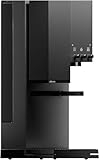
- 1. Three Levels of Automation for Any Skill Level: Choose from Autopilot, Copilot, or Free Solo mode. Autopilot handles the entire brewing process automatically. Copilot provides step-by-step guidance. Free Solo gives you full manual control. This coffee machine works for beginners and professional baristas alike.
- 2. Intuitive User Interface with Tactile Knobs and LED Matrix: The Studio features physical control knobs and a clear LED Matrix display. You can adjust grind size, water temperature, and flow rate in real time without navigating complicated touchscreen menus.
- 3. Full Customization via the xBloom App: Use the xBloom app to create, adjust, save, and share your favorite coffee recipes. Every brewing parameter can be fine-tuned and synced to the machine instantly. Your perfect cup is saved and repeatable.
- 4. Compostable xPod System for Minimal Waste and Maximum Flavor: Each xPod contains carefully selected whole beans and a built-in filter. Tap the recipe card, pour the beans into the grinder, place the pod into the dock, and press start. No capsules, no extra paper filters, no unnecessary waste.
- 5. What Is Included in the Box: The package includes the xBloom Studio, Omni Dripper 2 with Hyperflow Bottom, 10 paper filters, xPod Dock, Magnetic Dosing Cup, default recipe card, quick start guide, cleaning brush, and universal power cord. Everything you need is included.
Water quality and temperature
This is huge. Dunkin’ uses filtered water. If your tap water tastes funky, your coffee will too. Use filtered or bottled water. For most drip brewing, you want water just off the boil, around 195-205°F (90-96°C). Too hot, and you’ll scorch the grounds. Too cool, and you won’t extract enough flavor.
Grind size and coffee freshness
Dunkin’ uses a medium grind. Think coarse sand. Too fine, and you’ll get bitter, over-extracted coffee. Too coarse, and it’ll be weak and sour. Freshness matters too. Buy whole beans and grind them right before brewing. Stale coffee is a flavor killer.
Coffee-to-water ratio
This is your strength dial. A good starting point for replicating that Dunkin’ vibe is a ratio of about 1:15. That means for every gram of coffee, use 15 grams of water. So, if you’re using 30 grams of coffee, you’d use 450 grams (or ml) of water. Adjust this based on your preference – more coffee for stronger, less for weaker.
To nail that perfect 1:15 ratio consistently, a coffee scale is indispensable. It ensures you’re using the exact amount of coffee and water for optimal flavor.

- 𝗕𝗮𝗿𝗶𝘀𝘁𝗮-𝗟𝗲𝘃𝗲𝗹 𝗣𝗿𝗲𝗰𝗶𝘀𝗶𝗼𝗻: Featuring a 0.1 g sensor with rapid refresh rates, this coffee weight scale responds instantly to changes, giving you fine control over extraction for consistent pour-over and espresso results.
- 𝗜𝗻𝘁𝗲𝗴𝗿𝗮𝘁𝗲𝗱 𝗕𝗿𝗲𝘄 𝗧𝗶𝗺𝗲𝗿: This espresso weight scale includes a built-in timer to track bloom and extraction with count-up or down control, and auto shutoff extends battery life between sessions.
- 𝗗𝘂𝗿𝗮𝗯𝗹𝗲, 𝗦𝗽𝗶𝗹𝗹-𝗥𝗲𝘀𝗶𝘀𝘁𝗮𝗻𝘁 𝗕𝘂𝗶𝗹𝗱: A heat-resistant, dishwasher-safe silicone cover with an engineered fit shields the platform from spills and hot gear. The grooved surface stabilizes your brewing setup, making it an ideal scale for coffee.
- 𝗩𝗲𝗿𝘀𝗮𝘁𝗶𝗹𝗲 𝗠𝗲𝗮𝘀𝘂𝗿𝗲𝗺𝗲𝗻𝘁 𝗢𝗽𝘁𝗶𝗼𝗻𝘀: Quick-tare and multiple units - g, oz, lb, ml, and fl oz - make this small coffee scale ideal for weighing beans, shots, or everyday kitchen ingredients.
- 𝗜𝗻𝘁𝘂𝗶𝘁𝗶𝘃𝗲, 𝗪𝗼𝗿𝗸𝗳𝗹𝗼𝘄-𝗙𝗼𝗰𝘂𝘀𝗲𝗱 𝗗𝗲𝘀𝗶𝗴𝗻: A bright, easy-to-read display and simple controls keep your brewing routine smooth. Designed for clarity and clean operation, it also serves as a compact matcha scale.
Cleanliness/descale status
Seriously, clean your machine. Old coffee oils and mineral buildup from hard water can ruin even the best beans. Descale your brewer regularly according to the manufacturer’s instructions. A clean machine makes a clean-tasting cup. It’s the unsung hero of good coffee.
Step-by-step (brew workflow)
1. Gather your gear. Get your brewer, filter, grinder, scale, timer, and your favorite mug.
- What “good” looks like: Everything is clean and ready to go. No last-minute scrambling.
- Common mistake: Forgetting to pre-heat your mug. Cold mug = cold coffee faster. Avoid this by filling your mug with hot water while you brew.
2. Heat your water. Bring your filtered water to the target temperature, 195-205°F (90-96°C).
- What “good” looks like: Water is hot but not boiling furiously. Let it sit for about 30 seconds after it boils.
- Common mistake: Using boiling water. This burns the coffee. Avoid it by letting your kettle rest for a bit.
3. Grind your beans. Weigh your whole beans, then grind them to a medium consistency, like coarse sand.
- What “good” looks like: Evenly ground particles. No fine powder or huge chunks.
- Common mistake: Grinding too fine or too coarse. Too fine leads to bitterness; too coarse leads to weak coffee. Avoid this by using a good burr grinder and a consistent setting.
4. Prepare the brewer. Place your filter in the brewer. If using a paper filter, rinse it with hot water to remove any papery taste and pre-heat the brewer. Discard the rinse water.
- What “good” looks like: A clean, well-seated filter. No paper taste lingering.
- Common mistake: Not rinsing the paper filter. This leaves a papery taste. Avoid it by always doing a quick hot water rinse.
5. Add coffee grounds. Add your freshly ground coffee to the prepared filter.
- What “good” looks like: A level bed of grounds.
- Common mistake: Tamping the grounds down too hard. This can create channels for water to run through unevenly. Avoid this by gently shaking the brewer to level the grounds.
6. Bloom the coffee. Pour just enough hot water over the grounds to saturate them evenly (about twice the weight of the coffee). Let it sit for 30 seconds.
- What “good” looks like: The grounds expand and bubble, releasing CO2. This is called the bloom.
- Common mistake: Skipping the bloom. This traps CO2 and leads to uneven extraction and a duller taste. Avoid it by always blooming your coffee.
7. Begin pouring. Slowly and steadily pour the remaining hot water over the grounds in a circular motion. Aim for a consistent flow.
- What “good” looks like: Water is absorbed evenly by the grounds. No dry spots.
- Common mistake: Pouring too fast or all at once. This can cause water to bypass the grounds or lead to over-extraction. Avoid this by pouring slowly and deliberately.
8. Control brew time. For most drip methods, aim for a total brew time of 4-5 minutes.
- What “good” looks like: The water has finished dripping through the grounds within the target time.
- Common mistake: Brewing too long or too short. Too long makes it bitter; too short makes it sour. Avoid this by using a timer and adjusting your grind size if needed.
9. Remove the filter. Once the dripping stops, remove the spent grounds and filter.
- What “good” looks like: The filter is mostly empty and ready for disposal.
- Common mistake: Leaving the grounds in the brewer too long after brewing. This can lead to a stale, bitter taste. Avoid it by removing the filter promptly.
10. Serve and enjoy. Pour the coffee into your pre-heated mug.
- What “good” looks like: A hot, aromatic cup of coffee that tastes like you want it to.
- Common mistake: Letting it sit on a hot plate for too long. This cooks the coffee. Avoid it by drinking it fresh or transferring it to a thermal carafe.
Common mistakes (and what happens if you ignore them)
| Mistake | What it causes | Fix |
|---|---|---|
| Using tap water | Off-flavors, mineral buildup, inconsistent taste | Use filtered or bottled water. |
| Brewing with boiling water | Scorched, bitter coffee | Let water cool to 195-205°F (90-96°C) after boiling. |
| Grinding too fine | Bitter, over-extracted, muddy coffee | Use a medium grind; adjust to coarser if too bitter. |
| Grinding too coarse | Weak, sour, under-extracted coffee | Use a medium grind; adjust to finer if too sour. |
| Not rinsing paper filters | Papery taste in the coffee | Rinse paper filters with hot water before adding grounds. |
| Skipping the coffee bloom | Uneven extraction, dull flavor | Pour a small amount of water to wet grounds and let sit for 30 seconds. |
| Pouring water too fast/unevenly | Channeling, uneven extraction, weak coffee | Pour slowly and deliberately in a circular motion. |
| Brewing for too long (over-extraction) | Bitter, harsh, astringent taste | Aim for 4-5 minutes brew time; adjust grind if needed. |
| Brewing for too short (under-extraction) | Sour, weak, thin-bodied coffee | Aim for 4-5 minutes brew time; adjust grind if needed. |
| Not cleaning the brewer regularly | Stale, rancid coffee oils, poor flavor | Clean and descale your brewer regularly. |
| Using stale coffee beans | Flat, dull, uninspired flavor | Buy fresh, whole beans and grind just before brewing. |
Decision rules (simple if/then)
- If your coffee tastes bitter, then try a coarser grind because a finer grind can over-extract.
- If your coffee tastes sour, then try a finer grind because a coarser grind can under-extract.
- If your coffee tastes weak, then increase your coffee-to-water ratio (use more coffee) because you’re not using enough grounds.
- If your coffee tastes too strong, then decrease your coffee-to-water ratio (use less coffee) because you’re using too much.
- If your coffee has a papery taste, then make sure you’re rinsing your paper filter thoroughly because this removes the papery flavor.
- If your coffee tastes muddy, then check your grind size and filter type; a very fine grind or a metal filter can contribute to this.
- If your coffee is consistently tasting “off,” then check your water quality and ensure your brewer is clean because these are common culprits.
- If your brew time is consistently too short, then try a finer grind because this will slow down the water flow.
- If your brew time is consistently too long, then try a coarser grind because this will speed up the water flow.
- If your coffee cools down too quickly, then pre-heat your mug and carafe because a warm vessel will keep your coffee hot longer.
FAQ
What kind of coffee beans does Dunkin’ Donuts use?
Dunkin’ is known for its medium-roast coffee. They often use a blend of beans, focusing on a balanced, smooth flavor profile that’s not too acidic or too bitter. You can look for medium-roast blends from other brands that aim for a similar smooth, approachable taste.
How do I get that signature Dunkin’ smoothness?
Smoothness comes from a few things: the roast level (medium is key), proper extraction (not over or under-extracted), and good water quality. A medium grind and a controlled brew time are your best friends here.
Can I use my Keurig to make Dunkin’ coffee at home?
You can certainly use Dunkin’ K-cups if you have a Keurig machine. For a closer replication, though, grinding your own beans and using a drip or pour-over method will give you more control over the variables that affect taste.
My coffee tastes burnt. What did I do wrong?
This usually means your water was too hot, or you brewed for too long. Make sure your water is between 195-205°F (90-96°C) and try to keep your brew time around 4-5 minutes for drip methods.
How much coffee should I use for a pot?
A good starting point is a 1:15 coffee-to-water ratio. For a standard 10-cup pot (which is usually around 50 oz of water), you’d use about 33 grams of coffee. Adjust this ratio to your personal taste preference.
Is there a specific filter Dunkin’ uses?
Commercial Dunkin’ locations use commercial-grade drip brewers, often with specific paper filters designed for those machines. At home, standard basket-style paper filters for your drip machine are a good bet.
How can I make iced Dunkin’ coffee at home?
For iced coffee, you can brew your coffee double-strength using less water and then pour it over ice. Alternatively, you can use the “Japanese-style” method, brewing hot coffee directly onto ice, which chills it rapidly without diluting the flavor as much.
Why does my coffee taste watery?
A watery taste usually means under-extraction. This could be due to a grind that’s too coarse, not enough coffee grounds, or a brew time that’s too short. Check your grind size and coffee-to-water ratio first.
What this page does NOT cover (and where to go next)
- Specific commercial brewing equipment used by Dunkin’ Donuts.
- Detailed analysis of Dunkin’s proprietary coffee bean blends.
- Advanced brewing techniques like espresso or cold brew concentrates.
- Specific cleaning solutions or descaling agents (always check your brewer’s manual).
- Comparisons to other coffee shop chains.
Next, consider exploring different roast levels, experimenting with pour-over techniques, or diving into the science of extraction for a deeper understanding of home brewing.