
Brewing Tea With Ninja Coffee Bar
Quick Answer
- Your Ninja Coffee Bar can brew iced or hot tea using its existing coffee brewing functions.
- Use loose-leaf tea or tea bags, adjusting the amount based on desired strength.
- Select the “Specialty Brew” or “Over Ice” setting for optimal results.
- Pre-heat your carafe if brewing hot tea to maintain temperature.
- Experiment with tea-to-water ratios to find your perfect cup.
- Always use filtered water for the cleanest tea flavor.
If you’re looking to brew tea with your Ninja Coffee Bar, this versatile appliance can handle it. The Ninja Coffee Bar is a great all-in-one solution for coffee and tea lovers alike.
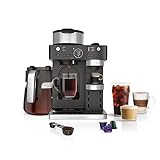
- BARISTA PLUS TECHNOLOGY: The 19-bar pressure system delivers ultra-flavorful espresso with a silky-smooth crema by brewing at the optimal temperature and pressure.
- COFFEEHOUSE DRINKS AT HOME: The built-in, fold-away frother allows you to create espresso-based cappuccinos, lattes, flat whites, and more.
- BREW SINGLE-SERVE ESPRESSO: Choose your favorite espresso capsule and brew up to 3 styles: Espresso (1.35 oz), Lungo (3.75 oz), and Over Ice (1 oz).
- BREW THROUGH COFFEE GROUNDS: Make a Classic, Rich, or Over Ice brew. Select 9 different sizes ranging from cup, to travel mug, to a full 12-cup carafe.
- VERSATILITY TO ENTERTAIN: Treat your guests to an espresso-based coffeehouse drink or brew a 12-cup carafe for the crowd.
Who This Is For
- Tea Drinkers with a Ninja Coffee Bar: If you own a Ninja Coffee Bar and enjoy both coffee and tea, this guide is for you.
- Iced Tea Enthusiasts: Those who love making iced tea at home will find the “Over Ice” function particularly useful.
- Beginner Brewers: If you’re new to brewing tea outside of a traditional kettle, this guide simplifies the process using your existing appliance.
What to Check First
Before you begin brewing tea in your Ninja Coffee Bar, a few key elements can significantly impact the final taste.
Brewer Type and Filter Type
Your Ninja Coffee Bar is designed to brew coffee, but its mechanics are adaptable for tea. The type of brew basket and filter it uses will influence how your tea leaves or bags are contained and how water flows through them.
- Check your Ninja Coffee Bar model: Some models may have specific attachments or brew baskets designed for different types of brewing. Refer to your user manual to understand your machine’s capabilities.
- Filter considerations: If you’re using loose-leaf tea, you’ll need a filter that can contain the leaves effectively. Your Ninja Coffee Bar likely comes with a permanent filter; for loose tea, you might consider using a disposable paper filter (if compatible and safe for your machine) or a fine-mesh tea infuser that fits within the brew basket. Tea bags generally don’t require additional filtering if placed directly in the brew basket.
Water Quality and Temperature
The foundation of any good beverage is water. The quality and temperature of your water are paramount for extracting the best flavors from your tea.
- Water Quality: Tap water can contain minerals and chlorine that affect tea’s taste. For the purest flavor, use filtered water. This is especially important for delicate teas where subtle notes are desired.
- Water Temperature: Different teas require different water temperatures for optimal brewing. While your Ninja Coffee Bar heats water to brewing temperatures suitable for coffee, you may need to adjust your approach for teas that need cooler water (like green or white teas) to avoid bitterness. For hot tea, the machine’s heated water is generally suitable. For iced tea, the machine’s “Over Ice” function compensates for dilution by brewing a concentrated batch.
Grind Size and Coffee Freshness
While this section is geared towards coffee, the concept of “freshness” applies to tea as well. The “grind size” equivalent for tea is the leaf cut or how finely the tea is processed.
- Tea Leaf Size: Loose-leaf teas come in various sizes, from large whole leaves to smaller broken pieces. Smaller pieces will steep faster and can sometimes lead to over-extraction if not managed carefully. Tea bags typically contain smaller, more broken leaves.
- Tea Freshness: Just like coffee, tea can lose its flavor over time. Store your tea in an airtight container away from light, heat, and moisture to preserve its aroma and taste. Use older tea for less critical brews or consider refreshing it by gently toasting it (for some tea types).
Coffee-to-Water Ratio
The ratio of coffee grounds to water is crucial for a balanced brew. For tea, this translates to the amount of tea leaves or bags you use in relation to the amount of water.
- Tea Strength: A general starting point for hot tea is about 1 teaspoon of loose-leaf tea or one tea bag per 6-8 oz of water. For iced tea, you’ll typically use more tea to account for dilution from ice, often doubling the amount or using the “Over Ice” setting.
- Experimentation: The “perfect” ratio is subjective and depends on the type of tea and your personal preference. Start with a recommended amount and adjust up or down in subsequent brews until you achieve your desired strength.
Cleanliness/Descale Status
A clean brewing system is essential for good flavor, whether you’re brewing coffee or tea. Mineral buildup and old coffee or tea residue can impart off-flavors.
- Regular Cleaning: Rinse the brew basket, carafe, and any removable parts after each use.
- Descaling: Follow your Ninja Coffee Bar’s manual for descaling instructions. This process removes mineral deposits that can affect water flow and temperature, and can also prevent buildup that might affect the taste of your tea. If your machine has a “Clean” cycle, run it periodically, especially if you notice any changes in brew time or taste.
Step-by-Step: Brewing Hot Tea in Your Ninja Coffee Bar
This workflow focuses on brewing a hot cup of tea using your Ninja Coffee Bar’s standard coffee brewing functions.
1. Prepare the Ninja Coffee Bar: Ensure the machine is plugged in and the water reservoir is filled to the desired level with filtered water.
- What “good” looks like: The machine is ready, and the water level in the reservoir is appropriate for the amount of tea you intend to brew.
- Common mistake: Forgetting to fill the water reservoir.
- Avoid it: Always double-check the water level before starting the brew cycle.
2. Add Tea to the Brew Basket: Place your chosen tea (loose-leaf in a filter or tea bags) into the brew basket.
- What “good” looks like: The tea is contained properly, and the brew basket is securely in place.
- Common mistake: Overfilling the brew basket, which can lead to grounds (or tea leaves) escaping.
- Avoid it: Use the recommended amount of tea for your water volume and ensure leaves/bags are not packed too tightly.
3. Select Brew Size: Choose the brew size corresponding to the amount of water in the reservoir.
- What “good” looks like: The selected brew size matches the water you’ve added.
- Common mistake: Mismatching brew size selection with water volume, which can result in an under-extracted or over-extracted brew.
- Avoid it: Pay attention to the markings on your water reservoir and select the corresponding cup size.
4. Select Brew Type: Choose the “Specialty Brew” setting if available, or the standard “Classic Brew.”
- What “good” looks like: The machine is set to a brewing mode that will optimize for tea extraction.
- Common mistake: Using a setting not designed for optimal flavor extraction, like a very fast brew if your machine has one.
- Avoid it: Consult your manual for the best setting for non-coffee beverages. “Specialty Brew” often offers a slower, more thorough saturation.
5. Pre-heat the Carafe (Optional but Recommended): If brewing into a thermal carafe, pour a small amount of hot water into it and let it sit for a minute, then discard.
- What “good” looks like: The carafe is warm to the touch, ready to receive hot tea.
- Common mistake: Brewing directly into a cold carafe, which can rapidly cool your tea.
- Avoid it: A simple rinse with hot water is a quick way to pre-heat.
6. Start the Brew Cycle: Press the “Brew” button.
- What “good” looks like: The machine begins to heat and dispense water over the tea.
- Common mistake: Forgetting to press “Brew” and waiting for it to start automatically.
- Avoid it: Always initiate the brew cycle manually.
7. Monitor the Brew: Watch as the water saturates the tea and drips into the carafe.
- What “good” looks like: A steady flow of brewed tea into the carafe.
- Common mistake: Leaving the brew unattended for too long, especially if using very fine tea leaves that could clog a filter.
- Avoid it: Stay nearby, especially for the first few brews, to ensure everything is flowing correctly.
8. Serve: Once brewing is complete, carefully remove the brew basket and serve the hot tea.
- What “good” looks like: A carafe filled with hot, aromatic tea.
- Common mistake: Pouring too quickly from the carafe, which can cause splashing.
- Avoid it: Pour gently and steadily.
Step-by-Step: Brewing Iced Tea in Your Ninja Coffee Bar
This workflow utilizes the “Over Ice” function for a perfectly chilled, non-diluted iced tea.
1. Prepare the Ninja Coffee Bar: Ensure the machine is plugged in. Fill the water reservoir with filtered water to the line corresponding to your desired brew size.
- What “good” looks like: The water reservoir is filled to the correct level for your iced tea batch.
- Common mistake: Not filling the water reservoir, or filling it to the wrong level.
- Avoid it: Use the markings on the reservoir to accurately measure your water.
2. Fill the Carafe with Ice: Fill the Ninja Coffee Bar’s carafe to the “Ice Fill Line” indicated for your selected brew size with fresh ice.
- What “good” looks like: The carafe is filled with ice up to the designated line.
- Common mistake: Not filling the carafe with enough ice, or filling it too high.
- Avoid it: Adhere to the “Ice Fill Line” to ensure proper dilution control.
3. Add Tea to the Brew Basket: Place your chosen tea (loose-leaf in a filter or tea bags) into the brew basket. For iced tea, you’ll typically use more tea than for hot tea to compensate for the ice. A good starting point is double the amount you’d use for hot tea.
- What “good” looks like: The tea is in the brew basket, and the amount is suitable for a concentrated brew.
- Common mistake: Using the same amount of tea as you would for hot tea, resulting in weak iced tea.
- Avoid it: Increase your tea quantity significantly for iced tea brews.
4. Place Brew Basket and Carafe: Ensure the brew basket is correctly seated and the ice-filled carafe is in position under the brew spout.
- What “good” looks like: All components are properly aligned and secure.
- Common mistake: Forgetting to place the carafe, or not seating the brew basket correctly.
- Avoid it: Visually confirm that the carafe is in place and the brew basket is fully inserted.
5. Select “Over Ice” Brew Setting: Press the “Over Ice” button.
- What “good” looks like: The “Over Ice” indicator light is illuminated.
- Common mistake: Accidentally selecting a different brew setting.
- Avoid it: Double-check that the correct button is pressed and illuminated.
6. Select Brew Size: Choose the brew size that matches the water level in your reservoir.
- What “good” looks like: The selected brew size corresponds to the water added.
- Common mistake: Selecting a brew size that doesn’t match the water volume.
- Avoid it: Match the brew size to the water in the reservoir.
7. Start the Brew Cycle: Press the “Brew” button.
- What “good” looks like: The machine begins brewing hot, concentrated tea directly over the ice.
- Common mistake: Not starting the brew cycle.
- Avoid it: Press the “Brew” button to initiate the process.
8. Brewing Process: The machine will brew a concentrated hot tea that immediately chills as it passes over the ice, melting some of the ice and diluting the concentrate to the perfect strength.
- What “good” looks like: A steady stream of hot liquid brewing over the ice, with the ice melting and the liquid level rising.
- Common mistake: The machine making unusual noises or not brewing.
- Avoid it: If issues arise, check that the brew basket isn’t clogged and that the water reservoir has enough water.
9. Serve and Enjoy: Once brewing is complete, gently stir the iced tea to ensure it’s fully chilled and mixed.
- What “good” looks like: A carafe of cold, refreshing iced tea.
- Common mistake: Serving immediately without stirring, potentially leaving some areas warmer than others.
- Avoid it: A gentle stir ensures even chilling and flavor distribution.
Common Mistakes (and What Happens If You Ignore Them)
| Mistake | What It Causes | Fix |
|---|---|---|
| Using tap water | Off-flavors, mineral buildup in the machine, dull tea taste. | Always use filtered or bottled water for brewing. |
| Using the wrong water temperature for tea | Bitter tea (if too hot for delicate teas), weak flavor (if too cool for black teas). | For hot tea, use the machine’s default. For delicate teas, let brewed water cool slightly before brewing, or use a separate kettle. |
| Incorrect tea-to-water ratio | Weak, watery tea; or overly strong, bitter tea. | Start with recommended ratios (e.g., 1 tsp per 6-8 oz water) and adjust to taste for subsequent brews. |
| Overfilling the brew basket | Grounds/leaves escaping into the carafe, resulting in a gritty or cloudy beverage. | Use the correct amount of tea, and ensure loose leaves are contained within a filter or infuser. |
| Not cleaning the machine regularly | Stale residue imparting off-flavors, reduced brewing efficiency, potential for mold. | Rinse parts after each use and descale according to manufacturer instructions. |
| Using stale tea | Flat, uninspired flavor; lack of aroma and vibrancy. | Store tea in an airtight container away from light and moisture. Use within 6-12 months for best results. |
| Not pre-heating a thermal carafe (hot tea) | Tea cools down too quickly, reducing the enjoyment of a hot beverage. | Briefly rinse the carafe with hot water before brewing. |
| Using too little ice for “Over Ice” | Diluted, weak iced tea; not cold enough. | Fill the carafe to the designated “Ice Fill Line” for your brew size. |
| Not selecting the “Over Ice” setting | Hot, diluted tea that is not properly chilled. | Always press the “Over Ice” button when brewing iced tea using that method. |
| Brewing tea in a dirty brew basket | A lingering coffee flavor or stale tea taste contaminating your new brew. | Thoroughly clean the brew basket after each use, especially if switching between coffee and tea. |
Decision Rules for Brewing Tea in Your Ninja Coffee Bar
- If you want hot tea, then use the “Classic Brew” or “Specialty Brew” setting because these are designed for optimal extraction at higher temperatures.
- If you want iced tea and want to avoid dilution, then use the “Over Ice” setting because it brews a concentrated tea that chills as it melts the ice.
- If your tea tastes weak, then increase the amount of tea you use in the next brew because a stronger tea-to-water ratio is needed.
- If your tea tastes bitter, then reduce the amount of tea, or consider using slightly cooler water (if brewing hot tea and your machine allows for adjustment, or by letting the hot water cool for a minute after brewing) because some teas are sensitive to high temperatures.
- If you are brewing loose-leaf tea, then ensure it is in a compatible filter or infuser to prevent sediment in your cup.
- If you notice any off-flavors, then clean or descale your Ninja Coffee Bar because residue can significantly impact taste.
- If you are brewing a delicate tea like white or green tea, then consider brewing it for a shorter duration or at a slightly lower temperature (if possible on your machine) to avoid extracting bitter compounds.
- If you are brewing black tea or herbal infusions, then you can generally use the machine’s full brew cycle and temperature as these teas are more robust.
- If you want to speed up the iced tea process, then ensure your carafe is filled to the “Ice Fill Line” and use the “Over Ice” setting for the most efficient chilling and dilution.
- If you are unsure about the tea amount, then start with the general guideline of 1 teaspoon of loose tea or 1 tea bag per 6-8 oz of water for hot tea, and double that for iced tea using the “Over Ice” method.
FAQ
Can I really brew tea in a coffee maker?
Yes, many coffee makers, including the Ninja Coffee Bar, can effectively brew tea. The heating and water dispensing mechanisms are suitable for steeping tea leaves or bags.
What kind of tea can I brew?
You can brew most types of tea, including black, green, white, oolong, herbal infusions, and fruit teas. Loose-leaf teas and tea bags are both compatible.
How much tea should I use?
For hot tea, a good starting point is about 1 teaspoon of loose-leaf tea or one tea bag per 6-8 oz of water. For iced tea using the “Over Ice” setting, you’ll typically use double this amount.
Will my tea taste like coffee?
If your Ninja Coffee Bar is not clean, your tea might pick up residual coffee flavors. Always ensure the machine is thoroughly cleaned and descaled before brewing tea.
What is the “Specialty Brew” setting for tea?
The “Specialty Brew” setting on some Ninja Coffee Bar models often brews at a slightly different temperature or saturation rate, which can be beneficial for extracting more flavor from tea leaves, similar to how it enhances coffee.
How do I make iced tea without it being watery?
Use the “Over Ice” function on your Ninja Coffee Bar. This brews a concentrated tea directly over ice, so the melting ice dilutes it to the perfect strength.
Do I need a special filter for loose-leaf tea?
Your Ninja Coffee Bar likely comes with a permanent filter. For loose-leaf tea, ensure the leaves are contained within this filter or use a fine-mesh tea infuser that fits inside the brew basket to prevent grounds from entering your cup.
Can I adjust the brew temperature for different teas?
While most Ninja Coffee Bar models don’t offer precise temperature control for tea brewing, you can let the hot water cool slightly after brewing if you’re concerned about over-extracting delicate teas like green or white.
How do I clean the Ninja Coffee Bar after brewing tea?
Rinse the brew basket, carafe, and any removable parts with warm water after each use. Periodically descale the machine according to the manufacturer’s instructions to remove mineral buildup.
What This Page Does Not Cover (And Where to Go Next)
- Specific temperature control for delicate teas: This guide assumes the machine’s standard brewing temperature is acceptable or that minor adjustments can be made by letting water cool. For precise temperature control, a dedicated tea kettle or a coffee maker with advanced temperature settings might be necessary.
- Advanced tea steeping techniques: This focuses on using your Ninja Coffee Bar as a primary brewing tool. Techniques like blooming tea leaves or specific steeping times for rare teas might require different equipment or methods.
- Comparisons with other tea brewing methods: This article is focused solely on using your Ninja Coffee Bar. For a broader understanding of tea brewing, explore guides on traditional kettles, French presses, or specialized tea makers.