
Brewing Green Tea Using Your Coffee Maker
Quick answer
- Use a clean coffee maker. Seriously, scrub it out.
- Opt for a paper filter, not a permanent metal one.
- Steep green tea leaves for a shorter time than coffee.
- Use cooler water than you would for coffee.
- Don’t overpack the filter basket.
- Taste and adjust. It’s your cup, after all.
Who this is for
- The curious home brewer looking to experiment.
- Anyone who wants a quick cup of tea without a separate kettle.
- Coffee lovers who want to maximize their existing equipment.
What to check first
Brewer type and filter type
Most drip coffee makers will work. But the filter? That’s key. A paper filter is your best bet here. It lets the tea flavor come through clean. Metal filters can let more fine particles through, which might make your tea a bit cloudy or bitter. I usually stick to paper for tea, just to keep things simple.
Most drip coffee makers will work for brewing green tea, and if you’re looking for a reliable option, this drip coffee maker is a solid choice.
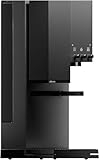
- 1. Three Levels of Automation for Any Skill Level: Choose from Autopilot, Copilot, or Free Solo mode. Autopilot handles the entire brewing process automatically. Copilot provides step-by-step guidance. Free Solo gives you full manual control. This coffee machine works for beginners and professional baristas alike.
- 2. Intuitive User Interface with Tactile Knobs and LED Matrix: The Studio features physical control knobs and a clear LED Matrix display. You can adjust grind size, water temperature, and flow rate in real time without navigating complicated touchscreen menus.
- 3. Full Customization via the xBloom App: Use the xBloom app to create, adjust, save, and share your favorite coffee recipes. Every brewing parameter can be fine-tuned and synced to the machine instantly. Your perfect cup is saved and repeatable.
- 4. Compostable xPod System for Minimal Waste and Maximum Flavor: Each xPod contains carefully selected whole beans and a built-in filter. Tap the recipe card, pour the beans into the grinder, place the pod into the dock, and press start. No capsules, no extra paper filters, no unnecessary waste.
- 5. What Is Included in the Box: The package includes the xBloom Studio, Omni Dripper 2 with Hyperflow Bottom, 10 paper filters, xPod Dock, Magnetic Dosing Cup, default recipe card, quick start guide, cleaning brush, universal power cord, and a 2-Year xbloom brand warranty. Everything you need is included—along with long-term peace of mind.
Water quality and temperature
Good water makes good tea. If your tap water tastes funky, your tea will too. Filtered water is usually the way to go. For green tea, water temp is a big deal. Too hot, and you’ll scorch the leaves. Think around 175°F to 185°F. Most coffee makers run hotter, so you might need to let the water cool a bit after it heats up.
Grind size and coffee freshness
Okay, this one’s a bit of a curveball. You’re not using coffee. But if you were using coffee for some reason (which you shouldn’t be for tea!), you’d want fresh beans ground right before brewing. For tea leaves, you want them loose, not ground like coffee. Whole or slightly broken leaves are perfect.
Coffee-to-water ratio
This is where it gets different. For coffee, we’re talking specific ratios. For tea, it’s more about taste. Start with about 1-2 teaspoons of loose green tea leaves per 6-8 ounces of water. You can always add more tea or water later if it’s not strong enough. It’s less science, more art.
Cleanliness/descale status
This is non-negotiable. If you just brewed coffee, your maker is full of coffee oils and residue. You do not want that in your green tea. Give the carafe, filter basket, and any removable parts a good scrub. If you haven’t descaled your machine in a while, now’s the time. Nobody likes bitter, stale-tasting tea.
Step-by-step (brew workflow)
1. Clean your coffee maker:
- What to do: Thoroughly wash the carafe, brew basket, and lid with soap and water. Run a cycle with just water to rinse.
- What “good” looks like: No coffee smell or residue left in the machine. Everything looks and smells fresh.
- Common mistake: Rushing this step. You’ll end up with coffee-flavored tea. Just take the extra few minutes.
2. Prepare the filter:
- What to do: Place a clean paper filter into the brew basket.
- What “good” looks like: The filter sits snugly in the basket without any gaps.
- Common mistake: Using a permanent filter. This can lead to a less clean taste. Stick to paper for this job.
3. Add green tea leaves:
- What to do: Measure your loose green tea leaves and add them to the paper filter. Start with 1-2 teaspoons per 8 oz of water.
- What “good” looks like: The leaves are spread out loosely in the filter. Not packed down.
- Common mistake: Overfilling the basket. This can cause water to bypass the leaves or lead to grounds getting into your tea.
4. Add water:
- What to do: Fill the water reservoir with fresh, filtered water. Use the amount you want to brew.
- What “good” looks like: The water level is clear and matches your desired tea volume.
- Common mistake: Using hot water directly from the tap. This can affect the taste and potentially damage your machine. Use cool, fresh water.
5. Heat the water (partially):
- What to do: Start the brew cycle. You want the water to heat up, but you’ll stop it before it gets too hot for green tea.
- What “good” looks like: The machine starts heating the water. You’re ready to intervene.
- Common mistake: Letting the coffee maker boil the water. This is way too hot for green tea.
6. Stop the brew cycle early:
- What to do: As soon as the water starts dripping into the carafe, pause or turn off the machine. Let the water sit in the reservoir for a minute or two to cool slightly.
- What “good” looks like: The machine is off, and the water has cooled a bit. It should be around 175°F-185°F.
- Common mistake: Forgetting to stop it. You’ll end up with boiling water, which is bad for green tea.
7. Restart and brew:
- What to do: Turn the coffee maker back on to complete the brewing cycle.
- What “good” looks like: Water drips through the leaves and into the carafe. The aroma of tea starts to fill the air.
- Common mistake: Letting it brew too long. Green tea can become bitter quickly.
8. Steep (optional, but recommended):
- What to do: Once the brewing is done, let the tea sit in the carafe for 1-3 minutes.
- What “good” looks like: The tea has a nice color and aroma.
- Common mistake: Drinking it immediately without letting it steep. The flavor might be weak.
9. Serve:
- What to do: Pour the tea into your favorite mug.
- What “good” looks like: A clear, fragrant cup of green tea.
- Common mistake: Over-steeping. This makes green tea bitter.
10. Taste and adjust:
- What to do: Take a sip. Is it too weak? Too strong? Adjust next time.
- What “good” looks like: A cup of tea you enjoy.
- Common mistake: Settling for a mediocre cup. Experimentation is key.
Common mistakes (and what happens if you ignore them)
| Mistake | What it causes | Fix |
|---|---|---|
| Not cleaning the coffee maker | Bitter, coffee-flavored tea | Thoroughly wash all parts before brewing tea. |
| Using a permanent metal filter | Cloudy tea, potential for bitter notes | Use a fresh paper filter for a cleaner brew. |
| Using boiling water | Scorched tea leaves, very bitter taste | Let water cool to 175°F-185°F before brewing. |
| Overfilling the brew basket | Uneven extraction, grounds in the carafe | Use 1-2 tsp of tea leaves per 8 oz water, spread loosely. |
| Not measuring tea leaves | Inconsistent flavor, weak or too strong tea | Start with a standard amount and adjust to your preference. |
| Letting tea steep too long | Harsh, bitter, astringent taste | Steep for 1-3 minutes. Taste often. |
| Using stale or poor-quality water | Flat, uninspired tea flavor | Use filtered or spring water for the best taste. |
| Not stopping the brew cycle early | Overheating the water, ruining the tea flavor | Pause the machine once water starts dripping, let it cool slightly. |
| Using coffee beans instead of tea leaves | You’ll make coffee, not tea. It’s that simple. | Use actual green tea leaves. |
Decision rules (simple if/then)
- If your tea tastes bitter, then reduce the water temperature next time because hotter water scorches green tea leaves.
- If your tea tastes weak, then use more tea leaves or steep for a minute longer because the flavor isn’t strong enough.
- If you notice coffee grounds in your tea, then check your filter to ensure it’s seated correctly and not damaged because a poor seal lets grounds through.
- If your tea has a stale, unpleasant taste, then clean your coffee maker thoroughly because old coffee oils are the likely culprit.
- If you want a smoother tea, then consider a lighter roast green tea because some varieties are naturally more robust.
- If your machine is dripping slowly, then your coffee maker might need descaling because mineral buildup can clog the system.
- If you want to experiment with different green teas, then start with a lower water temperature and shorter steep time for delicate varieties because they are more sensitive.
- If you’re brewing for a crowd, then make sure your carafe is large enough and consider making a stronger batch to dilute with hot water later because it’s easier to dilute than to strengthen.
- If your tea tastes metallic, then check your water source because some tap water can impart unwanted flavors.
- If you’re in a hurry, then skip the coffee maker and just use a kettle and infuser because it’s faster for a single cup.
FAQ
Can I just put tea bags in my coffee maker?
Sure, you can. Just place the tea bags in the filter basket where you’d normally put coffee grounds. You’ll still want to manage water temperature and clean the machine well.
Will my coffee maker ruin the tea flavor permanently?
Not usually, as long as you clean it thoroughly. Coffee oils can linger, but a good scrub and a water-only brew cycle should take care of most of it.
How much tea should I use?
A good starting point is 1 to 2 teaspoons of loose green tea leaves for every 8 ounces of water. Adjust based on how strong you like your tea.
Is this method good for all types of green tea?
It’s best for loose-leaf green teas. Tea bags work, but you get less control over steeping. Very delicate green teas might still be better steeped manually.
What if my coffee maker doesn’t have a pause button?
You can unplug it after the water starts dripping, let it cool for a minute, then plug it back in to finish. Just be careful with hot water and electricity.
Why is my green tea bitter?
Most likely, the water was too hot, or you steeped it for too long. Green tea is more delicate than coffee.
Can I use this for other teas?
You can try it with black or herbal teas, but always adjust water temperature and steeping time. Black teas can handle hotter water, while herbal teas might need longer steeps.
What this page does NOT cover (and where to go next)
- Specific temperature settings for every single type of green tea (check your tea packaging).
- How to use specialized tea brewing equipment like electric kettles with temperature control or tea infusers.
- Detailed guides on the health benefits of green tea.
- Recipes for iced green tea made with this method.
- Troubleshooting for specific coffee maker models.