
Brewing Cold Coffee Using Convenient Coffee Bags
Quick answer
- Use a coarse grind for best results.
- Let it steep for 12-24 hours.
- Use cold, filtered water.
- Stir halfway through steeping if you can.
- Strain thoroughly.
- Dilute to taste.
Who this is for
- Anyone who wants easy, portable cold brew.
- Campers and travelers who need a simple setup.
- Busy folks who want great coffee with minimal fuss.
For ultimate convenience, consider using pre-portioned coffee bags specifically designed for cold brew. These make the process incredibly simple, especially for campers and travelers.
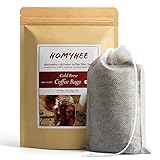
- Easy Use Cold Brew Coffee Filter Bags - over 1 cup capacity bags (4" x 6"), Recommended 100g grounds in 32oz mason jar. Use with your favorite cold brew coffee grounds, the cold brew bags filter well all kinds of coffee grounds, no matter coarse or fine
- Disposable, Use Without Mess - No need to rinse, wash another nylon mesh or cotton filter! This single use cold brew filter bags are as easy as: put the coffee grounds into this filter, brew with cool water and steeping in the fridge overnight (12-15 hours)
- Durable Material - Our cold brew coffee bags pack are made from natural commercially compostable fine fiber. Filter material is super-strong and resists tearing while filtering similar to paper. Great for use with: common cold brew system and most cold brew coffee maker
- Less Chunks - Each package contians 100 pcs of bags. Ultra fine mesh cold brew coffee bag means less sludge fines ending up in your coffee compared to plastic, cloth coffee sock or metal cold brew filters. The drawstring on each of our cold brew filter closes tight to retain all fine & coarse coffee grounds better than metal or plastic cold brew coffee makers.
What to check first
Brewer type and filter type
You’re using coffee bags, so that’s your brewer and filter all in one. Nice and simple. Just make sure the bag is intact and doesn’t have any holes. A sturdy mesh or paper bag works best.
Water quality and temperature
Use cold, filtered water. Tap water can sometimes have off-flavors that mess with your brew. Cold is the key here, obviously. No need for fancy water, just clean and cold.
Grind size and coffee freshness
This is a big one. You want a coarse grind, like sea salt. Too fine and you’ll get sediment and a bitter taste. Freshly ground coffee makes a world of difference. If you can, grind your beans right before you brew.
Coffee-to-water ratio
A good starting point is a 1:8 ratio – that’s 1 part coffee to 8 parts water. So, for a standard 12 oz bag, maybe 1.5 oz of coffee. You can adjust this later based on how strong you like it.
Cleanliness/descale status
Even though you’re using bags, make sure your container is clean. Any old coffee residue will make your new brew taste stale. A quick rinse is usually all it takes.
Step-by-step (brew workflow)
1. Measure your coffee.
- What it looks like: A pile of coarse grounds.
- Good looks: Consistent, coarse particles.
- Common mistake: Using pre-ground coffee that’s too fine. Avoid this by buying whole beans and grinding them yourself, or asking your local roaster for a coarse grind.
2. Add coffee to the bag.
- What it looks like: The bag is filled with grounds.
- Good looks: The bag is evenly filled, not packed too tight.
- Common mistake: Overfilling the bag. This restricts water flow and can lead to uneven extraction. Leave some wiggle room.
3. Place the bag in your container.
- What it looks like: The coffee bag is sitting in a clean jar or pitcher.
- Good looks: The bag is submerged or ready to be submerged.
- Common mistake: Using a container that’s too small. Your coffee needs space to expand.
4. Add cold, filtered water.
- What it looks like: Water is filling the container.
- Good looks: The water saturates all the coffee grounds evenly.
- Common mistake: Using hot or warm water. This will result in hot coffee, not cold brew. Stick to cold.
5. Stir gently.
- What it looks like: Grounds are getting wet.
- Good looks: All grounds are saturated.
- Common mistake: Vigorous stirring. You don’t want to break up the grounds too much. Just a gentle swirl is fine.
6. Seal and refrigerate (or steep at room temp).
- What it looks like: Container is closed and in a cool place.
- Good looks: It’s out of direct sunlight.
- Common mistake: Leaving it in a hot spot. This can mess with the extraction and potentially lead to off-flavors.
7. Steep for 12-24 hours.
- What it looks like: Time passes.
- Good looks: Patience. The longer it steeps, the stronger it gets.
- Common mistake: Impatience. Rushing the process means weak coffee. Trust the clock.
8. Remove the coffee bag.
- What it looks like: You’re pulling the bag out.
- Good looks: You’re squeezing out any excess liquid without tearing the bag.
- Common mistake: Squeezing too hard. This can force fine particles through the bag, making your coffee muddy.
9. Strain again if needed.
- What it looks like: Pouring through a fine-mesh sieve or cheesecloth.
- Good looks: A clean, clear liquid.
- Common mistake: Skipping this step if you see sediment. A second strain ensures a smooth cup.
10. Dilute to taste.
- What it looks like: Adding water or milk to your concentrate.
- Good looks: The perfect balance of flavor and strength for you.
- Common mistake: Drinking the concentrate straight. It’s meant to be diluted! Start with a 1:1 ratio and adjust.
Common mistakes (and what happens if you ignore them)
| Mistake | What it causes | Fix |
|---|---|---|
| Using too fine a grind | Cloudy, bitter, over-extracted coffee | Use a coarse grind. |
| Using stale coffee beans | Flat, dull flavor | Use freshly roasted, whole beans. |
| Not using filtered water | Off-flavors from tap water | Use cold, filtered water. |
| Using hot or warm water | Brews hot coffee, not cold brew | Always use cold water. |
| Overfilling the coffee bag | Poor water circulation, uneven extraction | Leave space in the bag for grounds to expand. |
| Not steeping long enough | Weak, watery coffee | Steep for at least 12 hours, up to 24. |
| Squeezing the coffee bag too hard | Sediment and bitterness in the final brew | Gently lift the bag out; avoid aggressive squeezing. |
| Not diluting the concentrate | Extremely strong, undrinkable coffee | Dilute with water or milk to your preferred strength. |
| Using a dirty brewing container | Stale, off-flavors | Clean your container thoroughly before brewing. |
| Not stirring the grounds initially | Dry pockets of coffee, uneven extraction | Ensure all grounds are saturated with water at the start. |
| Brewing in direct sunlight | Potential for off-flavors, inconsistent brew | Keep your brew in a cool, dark place. |
Decision rules (simple if/then)
- If your cold brew tastes weak, then increase the coffee-to-water ratio or steep for longer because more coffee or more time equals more extraction.
- If your cold brew is bitter, then check your grind size and make sure it’s coarse because fine grounds lead to bitterness.
- If you see a lot of sediment, then strain your brew a second time through a finer filter because the coffee bag might have let some fines through.
- If your cold brew tastes sour, then you might have under-extracted it, so try steeping for a bit longer or ensuring all grounds are saturated.
- If you’re brewing on a hot day, then consider using an insulated container to keep the water cool during steeping because temperature stability helps extraction.
- If you’re making a big batch, then use a larger container and more coffee bags to maintain your desired ratio because scaling up requires proportional adjustments.
- If you want a smoother finish, then gently lift the coffee bag out without squeezing because squeezing forces out bitter oils and sediment.
- If you’re short on time, then a 12-hour steep will give you a decent cold brew, but 18-24 hours yields a richer flavor because longer contact time allows for fuller extraction.
- If your coffee bag is tearing, then you might be using a bag not designed for cold brew, or you’re being too rough when removing it because the bag needs to hold up to the grounds and liquid.
- If you’re sensitive to caffeine, then be aware that cold brew concentrate can be quite potent, so dilute it more than you normally would because the extraction process can pull a lot of caffeine.
FAQ
How long does cold brew coffee last?
Cold brew concentrate can last in the refrigerator for about 1-2 weeks. Keep it in an airtight container.
Can I reuse the coffee grounds from the bag?
No, once brewed, the grounds are spent. Reusing them will result in weak, stale coffee.
What kind of coffee beans are best for cold brew?
Medium to dark roasts often work well, but really, any good quality bean you enjoy will do. A coarser grind is more important than the specific bean type.
Do I have to use a coffee bag?
No, you can also use a large mesh strainer or a French press, but coffee bags are designed for ultimate convenience and portability.
How much caffeine is in cold brew?
Cold brew concentrate typically has more caffeine than drip coffee because of the higher coffee-to-water ratio and longer steep time. Always dilute to your preference.
Can I make hot coffee with coffee bags?
While you could steep them in hot water, that’s not what they’re designed for and you won’t get the best flavor. Stick to cold water for cold brew.
What’s the difference between cold brew and iced coffee?
Cold brew is brewed cold over many hours, resulting in a smooth, less acidic concentrate. Iced coffee is usually just regular hot coffee that’s been chilled, which can sometimes taste more bitter or acidic.
How do I store my cold brew concentrate?
Keep it in an airtight container in the refrigerator. This prevents oxidation and keeps it fresh.
What this page does NOT cover (and where to go next)
- Specific brand recommendations for coffee bags. (Check camping gear or online retailers.)
- Advanced techniques like nitrogen infusion. (Look into specialty coffee equipment guides.)
- Detailed analysis of different coffee bean origins for cold brew. (Explore coffee roasting and origin guides.)
- Troubleshooting specific equipment failures. (Consult the manufacturer’s manual for your chosen brewer.)