
Brewing Coffee With Alkaline Water: What To Expect
Quick answer
- Alkaline water can affect coffee flavor, often making it taste smoother and less acidic.
- The pH level is the key factor; most brewing happens best in a neutral to slightly acidic range.
- You might need to adjust your coffee-to-water ratio or grind size to compensate.
- Some find it enhances sweetness, others find it mutes nuanced flavors.
- Experimentation is your best friend here.
- It’s generally safe, but taste is subjective.
Who this is for
- Coffee lovers curious about water’s impact on their brew.
- Home baristas looking to tweak their daily cup.
- Anyone who has alkaline water on hand and wonders if they can use it for coffee.
What to check first
Brewer type and filter type
Your setup matters. A pour-over will highlight water differences more than a simple drip machine. Paper filters absorb some oils, which can also alter the final taste, regardless of your water.
Water quality and temperature
This is the big one. If your alkaline water tastes off on its own, your coffee will too. For brewing, aim for water between 195°F and 205°F. Too hot, you burn it. Too cool, you under-extract.
Grind size and coffee freshness
Freshly roasted beans are crucial. A fine grind for espresso, coarser for French press. If your coffee tastes weak with alkaline water, try a slightly finer grind. If it’s bitter, go coarser.
Coffee-to-water ratio
A good starting point is 1:15 to 1:18 (coffee to water by weight). If your alkaline water makes the coffee taste dull, try a bit more coffee. If it’s too strong or bitter, use less.
Cleanliness/descale status
This is non-negotiable. Any gunk in your machine will ruin good beans and good water. Descale regularly, especially if you have hard water. A clean brewer lets the water’s properties shine through.
Step-by-step (brew workflow)
1. Start with fresh beans.
- What to do: Select whole beans roasted within the last few weeks.
- What “good” looks like: Beans that smell aromatic and haven’t been sitting on the shelf forever.
- Common mistake: Using stale, pre-ground coffee. This masks subtle water differences and leads to a flat taste. Avoid it by buying whole beans and grinding just before brewing.
Starting with high-quality, freshly roasted coffee beans is paramount for a delicious brew. Consider trying these fresh roasted coffee beans to ensure the best flavor foundation.
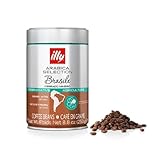
- Explore the individual taste and distinct aroma of each single origin Arabica coffee, found in the legendary illy blend, each highlighting the singular style, culture and flavor of these distinctive geographic region
- Carefully selected and meticulously roasted, illy coffee beans invoke a sensual beauty and poetry in the passionate coffee lover.
- Our unique pressurized coffee packaging preserves the flavor and complexity of the illy blend while enhancing the coffee’s aroma and ensuring optimal freshness.
- Each pressurized can contains 8.8oz of Whole Bean MonoArabica Brazil Single Origin Coffee.
- If you are not completely satisfied with your illy purchase, we will refund your order. No questions asked.
2. Heat your alkaline water.
- What to do: Heat your filtered alkaline water to the ideal brewing temperature, typically 195°F to 205°F.
- What “good” looks like: Water at the right temp, not boiling. A thermometer is your friend here.
- Common mistake: Boiling the water and letting it sit too long, or not heating it enough. Too hot burns the coffee; too cool results in sour, under-extracted flavors.
3. Grind your coffee.
- What to do: Grind your beans to the appropriate size for your brewing method (e.g., medium for drip, coarse for French press).
- What “good” looks like: A consistent grind that feels right for your brewer.
- Common mistake: Inconsistent grind size. This leads to uneven extraction, where some grounds are over-extracted (bitter) and others under-extracted (sour). Use a good burr grinder for uniformity.
4. Prepare your brewer.
- What to do: Rinse your filter (if using paper) and preheat your brewing device.
- What “good” looks like: A clean, warm brewer ready to go.
- Common mistake: Not rinsing paper filters. This can impart a papery taste to your coffee. Also, brewing into a cold mug or carafe will drop the coffee’s temperature too fast.
5. Add coffee grounds.
- What to do: Add the correct amount of ground coffee to your brewer. Aim for a ratio like 1:16 (e.g., 20g coffee to 320g water).
- What “good” looks like: A level bed of grounds, ready for the water.
- Common mistake: Not measuring accurately. Eyeballing it leads to inconsistent brews. Use a scale for precision, especially when experimenting with water.
Not measuring accurately can lead to inconsistent brews. Use a scale for precision, especially when experimenting with water, and this coffee scale can help you achieve the perfect coffee-to-water ratio every time.

- Barista-Level Precision: A 0.1g high-precision sensor with a rapid refresh rate responds instantly to changes in weight, helping you achieve consistent results across espresso, pour over, drip coffee, Chemex, V60, and filter coffee brewing.
- Integrated Brew Timer: A built-in count-up and count-down timer tracks bloom, extraction, and espresso shots. Ideal for dialing in espresso, timing Chemex and V60 pour over recipes, or steeping tea. Auto-shutoff helps preserve battery life between brews.
- Durable Waterproof Silicone Cover: The heat-resistant, dishwasher-safe silicone cover helps protect the coffee scale's spacious 5.25" x 5.25" weighing surface from splashes, spills, and hot equipment. The grooved surface provides added stability and makes cleanup quick and easy.
- Versatile Measurement Options: Quick-tare and 6 unit options make it easy to weigh coffee beans, espresso shots, matcha portions, and more. Choose from g, ml, lb, lb:oz, oz, and fl oz for added flexibility in the kitchen and coffee bar.
- Intuitive Design: A bright dual-color LCD display clearly separates weight and timer readings, while simple controls make daily brewing easy. Includes 3 AAA batteries and is backed by 5 years of coverage, with support from our St. Louis-based team whenever you need a hand.
6. Bloom the coffee.
- What to do: Pour just enough hot water over the grounds to saturate them, then wait 30-45 seconds.
- What “good” looks like: The grounds puff up and release CO2, creating a bubbly surface.
- Common mistake: Skipping the bloom. This step allows trapped gases to escape, leading to a more even extraction and better flavor.
7. Continue pouring.
- What to do: Slowly pour the remaining hot water over the grounds in a controlled manner, often in stages or a continuous spiral.
- What “good” looks like: A steady flow of water that saturates all the grounds evenly.
- Common mistake: Pouring too fast or unevenly. This can cause channeling, where water finds paths of least resistance, leading to under-extraction in some areas and over-extraction in others.
8. Let it drip/steep.
- What to do: Allow the coffee to finish brewing, whether it’s dripping through a filter or steeping in a press.
- What “good” looks like: The brewing process is complete within the expected time frame for your method.
- Common mistake: Brewing for too short or too long. Under-brewing yields weak, sour coffee; over-brewing results in bitter, harsh coffee.
9. Serve immediately.
- What to do: Pour your brewed coffee into a pre-warmed mug.
- What “good” looks like: A hot, aromatic cup of coffee.
- Common mistake: Letting coffee sit on a hot plate. This cooks the coffee and makes it taste burnt and stale. Brew what you’ll drink right away.
10. Taste and adjust.
- What to do: Sip your coffee. Note the flavor profile – is it smoother? Less acidic?
- What “good” looks like: A cup you enjoy!
- Common mistake: Not taking notes or making adjustments. If it’s not quite right, think about what you can tweak next time (grind, ratio, temp).
Common mistakes (and what happens if you ignore them)
| Mistake | What it causes | Fix |
|---|---|---|
| Using stale coffee beans | Flat, dull, or bitter coffee; no nuanced flavors. | Buy freshly roasted beans and grind them just before brewing. |
| Incorrect water temperature | Sour (too cool) or burnt/bitter (too hot) coffee. | Use a thermometer to aim for 195°F-205°F. |
| Inconsistent grind size | Uneven extraction, leading to both sour and bitter notes in the same cup. | Invest in a quality burr grinder for uniform particle size. |
| Not rinsing paper filters | A papery, unpleasant taste in your coffee. | Thoroughly rinse paper filters with hot water before adding coffee grounds. |
| Skipping the coffee bloom | Trapped CO2 leads to uneven extraction and a less flavorful cup. | Always perform the bloom phase for 30-45 seconds after the initial pour. |
| Pouring water too quickly | Channeling, where water bypasses some grounds, causing uneven extraction. | Pour water slowly and deliberately, using controlled pulses or a steady spiral motion. |
| Over-extraction (brewing too long) | Bitter, harsh, and astringent coffee. | Monitor brew time and stop the process when it’s complete for your method. |
| Under-extraction (brewing too short) | Sour, weak, and watery coffee with little body. | Ensure sufficient contact time between water and grounds; adjust grind size if needed. |
| Using a dirty brewer | Off-flavors, rancid oils, and generally unpleasant coffee. | Clean your brewer thoroughly after each use and descale regularly. |
| Not measuring coffee/water | Inconsistent results; hard to troubleshoot when things go wrong. | Use a kitchen scale to measure coffee beans and water by weight for precise ratios. |
| Letting coffee sit on hot plate | “Cooked” coffee that tastes burnt and loses its aroma and flavor. | Brew only what you plan to drink immediately or transfer to a thermal carafe. |
Decision rules (simple if/then)
- If your coffee tastes weak and sour with alkaline water, then try a finer grind because finer grinds increase surface area for better extraction.
- If your coffee tastes bitter and harsh with alkaline water, then try a coarser grind because coarser grinds reduce the risk of over-extraction.
- If you notice a lack of sweetness or brightness, then try increasing your coffee-to-water ratio slightly because more coffee can sometimes push through mineral impacts.
- If your coffee tastes dull and muted, then ensure your alkaline water isn’t excessively high in pH (above 8.5) because very high pH can strip delicate flavors.
- If you’re using alkaline water and your coffee still tastes acidic, then check your brewing temperature; it might be too low, causing under-extraction.
- If your coffee tastes overly smooth but lacks complexity, then consider trying a different coffee bean; some beans are naturally less complex.
- If you’re using a paper filter and the coffee tastes muted, then ensure you’ve rinsed the filter thoroughly because residual paper taste can interfere.
- If your coffee tastes flat, then check the freshness of your beans; alkaline water will highlight freshness, so stale beans will still taste bad.
- If you’re getting inconsistent results, then ensure your alkaline water source is consistent; variations in its pH or mineral content can affect the brew.
- If you want to experiment with alkalinity, then try diluting your alkaline water with a small amount of distilled water to lower the pH slightly and see how it affects the taste.
FAQ
Can I use any alkaline water for coffee?
Generally, yes. However, the specific mineral content and pH level of the alkaline water can influence the taste. It’s best to start with filtered alkaline water that tastes good on its own.
Will alkaline water make my coffee taste bad?
Not necessarily. Many people find it makes coffee taste smoother and less acidic. Others find it mutes some of the delicate flavors. It really comes down to personal preference and the specific water you’re using.
How does alkaline water affect coffee acidity?
Alkaline water has a higher pH than neutral water. This higher pH can neutralize some of the natural acids present in coffee, often resulting in a perceived reduction in acidity and a smoother mouthfeel.
Do I need to change my coffee-to-water ratio?
You might. If the alkaline water makes the coffee taste weaker or duller, you may want to slightly increase the amount of coffee you use. Conversely, if it makes the coffee too strong, use less coffee.
What about brewing with water that’s too alkaline?
Water with a very high pH (significantly above 8.5) can start to strip away the desirable aromatic compounds and oils in coffee, leading to a flat or even soapy taste. Most bottled alkaline waters fall within a reasonable range.
Is it safe to brew coffee with alkaline water?
Yes, it’s perfectly safe. The primary impact is on flavor, not on safety. Coffee brewing is a chemical process, and water is a key solvent.
How can I tell if my alkaline water is affecting the taste?
Brew the exact same coffee beans and grind using both your regular water and the alkaline water. Taste them side-by-side. Note any differences in bitterness, sweetness, acidity, and overall smoothness.
Should I descale my coffee maker more often if I use alkaline water?
It depends on the mineral content of your alkaline water. If it’s also hard water, you might need to descale more frequently. Check your brewer’s manual for recommendations.
What this page does NOT cover (and where to go next)
- Specific brands of alkaline water and their precise mineral compositions.
- Next step: Research bottled water reports or test your own water.
- Advanced water chemistry for coffee brewing (e.g., total dissolved solids, mineral ions beyond pH).
- Next step: Explore resources on water chemistry for specialty coffee.
- Detailed comparisons of various brewing methods with alkaline water.
- Next step: Experiment with your preferred brewing method and document results.
- The impact of alkaline water on espresso machine components or longevity.
- Next step: Consult your espresso machine’s manufacturer guidelines.