
Can Eggshells Reduce Coffee Acidity?
Quick Answer
- Adding crushed eggshells to coffee grounds can neutralize some acidity.
- Eggshells contain calcium carbonate, which acts as a natural antacid.
- The effect is generally mild and may not be noticeable to everyone.
- Properly cleaning and preparing eggshells is crucial for safety.
- This method is a home remedy and not a substitute for professional brewing advice.
- The impact on flavor can vary depending on the amount used and the coffee itself.
Key Terms and Definitions
- Acidity: In coffee, this refers to the bright, tangy, or tart flavors, not necessarily a low pH.
- pH Scale: A measure of how acidic or alkaline a substance is, ranging from 0 (highly acidic) to 14 (highly alkaline), with 7 being neutral.
- Calcium Carbonate: The primary chemical compound found in eggshells, also present in antacids like Tums.
- Neutralization: The process where an acid and a base react to form salt and water, reducing the overall acidity.
- Alkalinity: The opposite of acidity; a substance with a high pH.
- Brewing: The process of extracting flavor and compounds from coffee grounds using hot water.
- Roast Level: How long and at what temperature coffee beans are roasted, influencing flavor and acidity. Lighter roasts tend to be more acidic.
- Extraction: The process of dissolving soluble compounds from coffee grounds into water.
- Antacid: A substance that neutralizes stomach acid.
- Home Remedy: A traditional or folk treatment for a condition, often not scientifically proven.
How It Works
- Coffee beans naturally contain various acids, contributing to their complex flavor profile.
- These acids can sometimes be perceived as unpleasant sharpness or bitterness, especially in lighter roasts.
- Eggshells are primarily composed of calcium carbonate, a basic compound.
- When hot water passes through coffee grounds mixed with crushed eggshells, the calcium carbonate can react with some of the coffee’s acids.
- This reaction, a form of neutralization, converts some of the acids into less acidic compounds.
- The calcium carbonate acts similarly to an antacid, buffering the acidic components.
- The degree of neutralization depends on the amount of eggshell used and the concentration of acids in the coffee.
- The process occurs during the brewing stage, as water interacts with both the coffee and the eggshell particles.
- It’s important to note that this method primarily affects perceived acidity, not necessarily the overall pH of the brewed coffee to a significant degree.
If you’re interested in trying this natural method, make sure you have a good supply of clean eggshells. You can find specialized eggshells for gardening that are often pre-cleaned and ready for use.
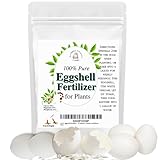
- Natural Pasteurized Eggshell Powder for Garden Plants
- Pure and Safe Fertilizer for all Plants in need of Calcium
- Egg Shell for Orchids African Violets Spider Plants Ivy Hoya Kalanchoe Tomatoes
- Blossom End Rot Cure
- Non Toxic and Safe
What Affects the Result
- Eggshell Preparation: Thoroughly cleaning and sterilizing eggshells is vital to remove bacteria and prevent off-flavors. Boiling or baking them can help.
- Grind Size of Eggshells: Finely crushed eggshells will have more surface area, potentially leading to better interaction with the coffee acids compared to larger pieces.
- Amount of Eggshells: Using too much can impart an undesirable chalky texture or flavor to the coffee, while too little may have a negligible effect.
- Coffee Bean Type: Different coffee beans have varying natural acid levels. Arabica beans are generally more acidic than Robusta beans.
- Roast Level: Lighter roasts retain more of the bean’s original acids, making them potentially more receptive to neutralization than dark roasts.
- Brewing Method: Methods like pour-over or drip coffee allow for controlled contact time, which might influence how effectively the eggshells can neutralize acidity compared to faster methods.
- Water Temperature: While not directly interacting with the eggshells, water temperature affects coffee extraction, which in turn influences the release of acids.
- Coffee-to-Water Ratio: A stronger brew (more coffee grounds to water) will have a higher concentration of acids, potentially making any neutralizing effect more apparent.
- Freshness of Coffee: Freshly roasted and ground coffee generally has a more vibrant and sometimes more pronounced acidity.
- Water Quality: The mineral content of your brewing water can subtly affect the perceived acidity of the final cup.
- Type of Acids Present: Coffee contains various organic acids (like citric and malic acids); eggshells might be more effective at neutralizing some types than others.
- Personal Perception: How much acidity you notice is subjective and can be influenced by your palate and expectations.
The brewing method itself can influence how well eggshells work. If you’re looking to experiment with different techniques, consider investing in some quality coffee brewing accessories to get the best results.

- Pour Over Coffee: Manual Pour Over Coffee Maker allows you to brew an excellent cup of Coffee in minutes
- Stainless steel: Includes a new and improved permanent, stainless steel mesh filter that helps extract your coffee's aromatic oils and subtle flavors instead of being absorbed by a paper filter
- Coffee Carafe: Made of durable, heat-resistant borosilicate glass with Cork Band detailing that is both functional and elegant; single wall
- Quick and Easy: Simply add coarse ground Coffee to filter, pour a small amount of water in a circular motion over ground Coffee until soaked then add the remaining water and let drip
- Servings: Pour Over Coffee Maker makes 8 cups of Coffee, 4 oz each; dishwasher safe
Pros, Cons, and When It Matters
- Pro: Can offer a natural, low-cost way to slightly reduce perceived coffee acidity.
- Con: May impart a chalky texture or subtle mineral flavor to the coffee.
- Pro: Uses a common household waste product, potentially reducing food waste.
- Con: Requires careful preparation (cleaning, sterilizing, crushing) to be safe and effective.
- Pro: Can be appealing to those seeking simple, DIY solutions for common coffee complaints.
- Con: The effect is often mild and may not significantly alter the taste for many coffee drinkers.
- Pro: Avoids adding chemical antacids or altering the coffee beans themselves.
- Con: Can be inconsistent; results may vary widely based on preparation and coffee.
- Pro: Might be helpful for individuals who experience stomach discomfort from coffee’s acidity.
- Con: Not a scientifically validated method for precise acidity control; professional advice is recommended for sensitive stomachs.
- Pro: Can be an interesting experiment for home baristas interested in tweaking their brew.
- Con: May not be suitable for those who appreciate or seek out the bright, acidic notes in certain coffees.
- Pro: Simple to implement if you have eggshells readily available.
- Con: The benefit might be outweighed by the effort involved in preparation and the potential for a less-than-ideal taste.
- When it Matters: This method might matter for casual home brewers looking for a simple, natural tweak to a favorite coffee that they find a bit too sharp. It’s less likely to be relevant for serious coffee enthusiasts who value the nuanced acidity of specialty beans or those with significant digestive issues.
Common Misconceptions
- Misconception: Eggshells will completely remove all acidity from coffee.
- Reality: Eggshells can only neutralize a portion of the acids present, leading to a milder taste, not a complete elimination.
- Misconception: You can just toss whole eggshells into your coffee maker.
- Reality: Eggshells must be thoroughly cleaned, sterilized, and finely crushed to be safe and potentially effective.
- Misconception: This method will make any coffee taste smooth.
- Reality: The effectiveness varies greatly depending on the coffee bean, roast, and brewing method. It won’t transform a fundamentally bitter coffee.
- Misconception: Using eggshells is a scientifically proven method for perfect coffee.
- Reality: It’s largely considered a home remedy or folk method, with limited scientific study on its precise impact.
- Misconception: The eggshell itself dissolves and disappears into the coffee.
- Reality: The calcium carbonate reacts, but the shell material itself doesn’t fully dissolve; it needs to be filtered out.
- Misconception: Raw eggshells are safe to use if washed.
- Reality: Raw eggshells can carry bacteria like Salmonella. Sterilization (boiling or baking) is recommended.
- Misconception: This will make your coffee taste like eggs.
- Reality: If prepared correctly and used in moderation, the flavor impact is usually subtle, more chalky or mineral-like than eggy.
- Misconception: Adding eggshells will increase the alkalinity of coffee to a significant degree.
- Reality: While it buffers acidity, the overall pH change is typically modest in a home brew setting.
FAQ
- Q: Do I need to cook the eggshells before using them?
A: Yes, it’s highly recommended. Boiling or baking eggshells helps sterilize them, removing potential bacteria like Salmonella and can also make them more brittle for easier crushing.
- Q: How finely should I crush the eggshells?
A: Aim for a fine powder, similar to the consistency of coarse salt or even finer. This increases the surface area for better interaction with the coffee acids.
- Q: How much eggshell should I use?
A: Start with a small amount, perhaps half a teaspoon of crushed shell per tablespoon of coffee grounds, and adjust from there. Too much can affect taste and texture.
- Q: Will this method work for all types of coffee?
A: It’s generally more noticeable with coffees that have a naturally higher acidity, such as light roasts. Dark roasts, which are less acidic, may show less of an effect.
- Q: Can I use eggshells with any brewing method?
A: This method is most commonly discussed with drip coffee or pour-over methods where grounds are filtered. It’s generally not recommended for espresso or French press where fine particles can be an issue.
- Q: What if my coffee tastes chalky after using eggshells?
A: You likely used too much eggshell, or the shells weren’t crushed finely enough. Reduce the amount or grind them finer for your next brew.
- Q: Is this method safe for people with sensitive stomachs?
A: While it can help reduce acidity, it’s not a medical treatment. If you have significant digestive issues with coffee, consult a healthcare professional.
- Q: Can I just reuse eggshells from breakfast?
A: Always clean them thoroughly and sterilize them before crushing and using them in your coffee to ensure safety and avoid unwanted flavors.
What This Page Does NOT Cover (and Where to Go Next)
- Specific pH measurements of coffee treated with eggshells: For precise measurements, you would need a pH meter and controlled laboratory conditions.
- Detailed chemical analysis of acid breakdown: This goes beyond home brewing and into chemistry.
- Comparison with commercial acidity reducers: This article focuses on the DIY eggshell method.
- Medical advice for stomach discomfort caused by coffee: If coffee consistently causes you pain, consult a doctor or registered dietitian.
- Advanced coffee roasting techniques: Understanding how roasting impacts acidity is a complex topic.
- The full spectrum of coffee flavor compounds: This article focuses on acidity, not the entire aroma and taste profile.