
Brewing Coffee Decoction Without a Filter
Quick answer
- You can make coffee decoction by boiling ground coffee in water and then letting the grounds settle.
- This method is simple and requires minimal equipment.
- Use medium-coarse to coarse grounds for easier settling.
- A longer steep time can increase extraction but also bitterness.
- Control bitterness by adjusting coffee-to-water ratio and boil time.
- Patience is key for clear decoction.
Who this is for
- Campers and hikers who want coffee with minimal gear.
- Home brewers looking for a rustic, old-school coffee experience.
- Anyone curious about traditional brewing methods.
What to check first
Brewer type and filter type
This method bypasses traditional filters. You’re essentially using your pot or kettle as the brewer. No paper or metal filters needed here.
Water quality and temperature
Good water makes good coffee. Filtered tap water or spring water is best. Avoid heavily chlorinated or mineral-heavy water. You’ll be boiling the water, so aim for a rolling boil initially.
Grind size and coffee freshness
Freshly ground coffee is always a win. For decoction, a medium-coarse to coarse grind works best. Think sea salt consistency. Too fine, and the grounds will stay suspended and make your coffee muddy.
Coffee-to-water ratio
A good starting point is around 1:15. That’s 1 part coffee to 15 parts water by weight. For example, 2 tablespoons of coffee to about 6 oz of water. Adjust to your taste.
To ensure accuracy in your coffee-to-water ratio, consider using a set of reliable measuring spoons.

- Treat Yourself To A Set Worth Having - With single metal construction and heavy duty premium Stainless Steel, these measuring spoons were built with endurance in mind. No more worrying about rusting or bending. Get this set that looks beautiful, performs incredibly and will seemingly last forever.
- Magnetic For Easy Use And Storage - These magnetic spoons let you use one spoon at a time and then they nest together for easy storage. Quickly grab the spoon you need without having to fumble with opening and closing a ring. They even have U.S. and metric measurement markings that are easy to read and won't fade or rub off. You'll wonder how you ever lived without them.
- Save Time And Hassle With Your New Favorite Tool - Dual sided: The oval end is narrow to fit into most spice jars. You won't need to shake spices onto the spoon so you will save more and waste less of your expensive spices. The round end is perfect for liquids. The spoons also lay flat on the counter without spilling their contents. Save precious time too since they are dishwasher safe.
- Complete, Accurate Set To Help You Get Healthy, Measure Medicine And More - Precise quantity of ingredients is what you need to get great results with cooking and baking. It's even easier now with the included Leveler that helps you measure the exact amount required the first time.
- You can also make tasty recipes to help you lose weight with these amazing spoons. 7 spoons in Convenient Sizes: 1/8 tsp, 1/4 tsp, 1/2 tsp, 3/4 tsp, 1 tsp, 1/2 Tbsp, 1 Tbsp plus Leveler.
Cleanliness/descale status
Make sure your pot or kettle is clean. Any residue can impart off-flavors. This method is forgiving, but starting clean is always smart.
Step-by-step (brew workflow)
1. Gather your gear. You’ll need a pot or kettle, coffee grounds, and water. A spoon for stirring is handy.
- What “good” looks like: Everything is ready to go.
- Common mistake: Forgetting the coffee. Don’t be that person.
For campers and hikers, a durable camping kettle like this one is perfect for brewing coffee decoction on the go.
![COLETTI Classic Camping Kettle 60 oz — Tea and Camp Kettle, NO Aluminum or Plastic, Ideal for Boiling Water [Blue Enamel]](https://m.media-amazon.com/images/I/51JDO4AvnVL._SL160_.jpg)
- TIMELESS CRAFTSMANSHIP—Built for the Wild, Crafted for a Lifetime – The COLETTI camping coffee pot is built to outlast the journey. Forged from reinforced steel and coated with imported German enamel, this camp kettle embodies classic outdoor cookware. Whether brewing cowboy coffee over open flames or boiling water on a stovetop, it delivers hot, pure, and steady coffee—because every great adventure starts with great coffee.
- PURE BREWING, NO COMPROMISES—100% Stainless Steel, Zero Plastic – This campfire kettle is made entirely from stainless steel—free from aluminum, plastic, and toxins. Designed for brewing cowboy coffee or boiling water, every pour is clean and untainted. Whether it’s coffee, tea, or another campfire favorite, trust this camp kettle to deliver pure, natural flavor. No plastic, no compromises—just quality brewing in the great outdoors.
- SIMPLE TO USE, EFFORTLESS TO CLEAN—Brewing Shouldn’t Be a Chore – No buttons, no plugs, no fuss. Just add grounds and hot water, and let time work its magic. Whether used as a coffee boiler or camp kettle, this outdoor essential was designed for simplicity. And when the last drop is gone? A quick rinse is all it takes to be ready for the next sunrise brew.
- AMERICAN ENGINEERING—Designed for the Backcountry, Trusted Everywhere – Crafted in the USA by a veteran-owned company, the COLETTI campfire kettle is built for those who know great coffee doesn’t need a roof overhead. Durable enough for the backcountry yet refined for the cabin, it’s perfect for boiling water at sunrise or brewing coffee over open flames. Wherever your adventure takes you, COLETTI ensures you can Make Great Coffee Anywhere.
- BUILT FOR LIFE, BACKED FOR LIFE—A Kettle That Won’t Quit – This camping coffee kettle is built to last—and we back it with a lifetime replacement guarantee. Whether brewing in rugged terrain or under the pines, COLETTI ensures you’re always ready to make the perfect cup. And if the road ever gets rough? Our US-based customer service team is here to help—because great coffee deserves great support.
2. Measure your water. Pour the desired amount of water into your pot or kettle.
- What “good” looks like: The right amount of water for your coffee.
- Common mistake: Guessing the water amount. This throws off your ratio.
3. Bring water to a boil. Heat the water until it reaches a rolling boil.
- What “good” looks like: Vigorous bubbling.
- Common mistake: Leaving the water unattended. Boilovers are a mess.
4. Remove from heat and add coffee. Take the pot off the burner. Immediately add your measured coffee grounds.
- What “good” looks like: Grounds hitting the hot water.
- Common mistake: Adding coffee to boiling water. This can scorch the grounds.
5. Stir gently. Give the grounds a quick, gentle stir to ensure they are all saturated.
- What “good” looks like: All grounds are wet.
- Common mistake: Vigorous stirring. This just keeps grounds suspended.
6. Cover and steep. Place a lid on the pot and let it steep. Aim for 5-10 minutes.
- What “good” looks like: A quiet pot, steeping.
- Common mistake: Peeking too much. Let it do its thing.
7. Let grounds settle. This is the crucial step. Let the pot sit undisturbed for another 5-10 minutes. The grounds should sink to the bottom.
- What “good” looks like: A clear-ish liquid on top, with a sediment layer at the bottom.
- Common mistake: Pouring too soon. Impatience leads to muddy coffee.
8. Pour carefully. Slowly and steadily pour the liquid coffee into your mug, trying to leave the settled grounds behind.
- What “good” looks like: Mostly clear coffee in your mug.
- Common mistake: Pouring too fast or tilting the pot too much. This stirs up the grounds.
9. Enjoy. Sip your hard-earned, filter-free coffee.
- What “good” looks like: A satisfying cup.
- Common mistake: Not appreciating the simplicity.
Common mistakes (and what happens if you ignore them)
| Mistake | What it causes | Fix |
|---|---|---|
| Using too fine a grind | Muddy coffee, grounds in your cup, over-extraction leading to bitterness. | Use a medium-coarse to coarse grind. Think coarse sand or sea salt. |
| Pouring too quickly | Grounds get stirred up and end up in your mug, making it gritty. | Pour slowly and steadily. Stop pouring when you see the sediment layer approaching the lip. |
| Not letting grounds settle long enough | Gritty, sludgy coffee. You’ll end up drinking more grounds than liquid. | Be patient. Give it at least 5-10 minutes after steeping for the grounds to settle completely. |
| Adding coffee to boiling water | Scorched coffee grounds, resulting in a burnt, bitter taste. | Remove the pot from the heat <em>before</em> adding the coffee grounds. |
| Over-steeping the coffee | Excessive bitterness and astringency due to over-extraction. | Stick to the recommended 5-10 minute steep time. Taste and adjust for future brews. |
| Using stale coffee | Flat, dull flavor. You won’t get the best out of the beans. | Use freshly roasted and freshly ground coffee for optimal flavor. |
| Using poor quality water | Off-flavors that detract from the coffee’s natural taste. | Use filtered or spring water. Avoid tap water with strong chlorine or mineral tastes. |
| Stirring too vigorously | Keeps grounds suspended, making settling harder and leading to a muddier cup. | Stir gently just to saturate the grounds. No need for a vigorous mix. |
| Not cleaning your pot | Lingering flavors from previous brews can taint your decoction. | Wash your pot thoroughly after each use. A quick rinse might not be enough. |
| Incorrect coffee-to-water ratio | Coffee that’s too weak or too strong and bitter. | Start with a 1:15 ratio (coffee to water) and adjust to your preference. |
Decision rules (simple if/then)
- If your coffee tastes weak, then add more coffee next time because your ratio is too high.
- If your coffee tastes too bitter, then try a coarser grind or a shorter steep time because you might be over-extracting.
- If you have grounds in your cup, then pour more slowly or let the grounds settle longer because you’re disturbing the sediment.
- If your coffee tastes burnt, then remove the pot from the heat before adding coffee because you might be scorching the grounds.
- If your coffee tastes flat, then use fresher beans because stale coffee lacks flavor.
- If your water tastes off, then use filtered water because water quality significantly impacts taste.
- If the grounds are hard to settle, then try a slightly coarser grind because fine particles take longer to sink.
- If you want a stronger brew without more bitterness, then increase the coffee-to-water ratio slightly and ensure grounds settle well because strength comes from more coffee, not just longer extraction.
- If you’re camping and have limited gear, then this decoction method is perfect because it requires only a pot and coffee.
- If you prefer a cleaner cup, then consider a French press or pour-over next time because this method inherently leaves some sediment.
FAQ
Can I use any type of coffee?
Yes, but whole beans ground fresh will give the best flavor. A medium-coarse to coarse grind is recommended for easier settling.
For the freshest and most flavorful decoction, we recommend starting with high-quality whole coffee beans and grinding them just before brewing.
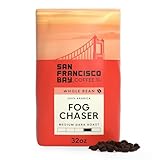
- Our iconic Fog Chaser is a blend of dark and medium roasted beans which results in a enjoyable medium dark roast coffee. It's a great combination of flavor, balance and smoothness that will chase away even the thickest morning fog.
- For finest taste, store in a cool, dark place and grind beans just berfore brewing
- QUALITY COFFEE: San Francisco Bay Coffee uses only 100% arabica coffee and certified Kosher coffee beans. Hand picked and grown in high altitude. We're so confident you'll love it, we back it with a satisfaction guarantee.
- SUSTAINABLY AND ECO- FARMED COFFEE: We offer a wide selection of sustainably grown, sourced, and packaged coffee from whole bean to ground, flavored to decaf, and much more.
- SF BAY COFFEE is a family owned, American made company with a rich tradition. Our reputation reflects on us as a family so if you're ever not happy with your purchase, call us and we'll make it right.
How much coffee should I use?
A good starting point is a 1:15 ratio of coffee to water by weight. For example, about 2 tablespoons of coffee for 6 ounces of water. Adjust to your taste.
What if I don’t have a pot? Can I use a kettle?
A kettle can work, but make sure it’s one you don’t mind adding grounds to. A pot with a wider opening might make stirring and pouring easier.
How long should I steep the coffee?
Steep for about 5-10 minutes after removing the pot from the heat. The goal is to extract flavor, not bitterness.
What’s the best way to get the grounds out?
The best way is to let them settle completely at the bottom. Then, pour the coffee slowly and steadily, leaving the last bit of liquid with the grounds in the pot.
Will this coffee be gritty?
It can be, depending on your grind size and pouring technique. Using a coarser grind and pouring carefully minimizes grit. Some people don’t mind a little sediment.
Can I reheat decoction coffee?
It’s best to drink it fresh. Reheating can make the coffee taste burnt and bitter. Brew only what you plan to drink.
Is this method safe for my pot?
As long as you’re using a pot suitable for stovetop use, it’s safe. Just avoid adding coffee to boiling water, which can scorch the grounds.
What this page does NOT cover (and where to go next)
- Specific coffee bean recommendations for decoction.
- Detailed explanations of extraction theory.
- Advanced techniques for achieving a perfectly clear cup without any sediment.
- Comparisons to other filterless brewing methods like Turkish coffee.
- How to use specialized decoction pots or equipment.