
How to Make Strong Coffee Decoction: Step-by-Step Guide
Quick Answer
- Use a coarser grind than you might think for decoction.
- A higher coffee-to-water ratio is key. Aim for 1:10 or even 1:8.
- Decoction usually involves boiling or simmering. Be careful with heat.
- A longer brew time extracts more solids.
- Start with fresh, quality beans. They’ll stand up to the process.
- Patience is a virtue here. Don’t rush the extraction.
Who This Is For
- Folks who like their coffee bold, intense, and with a real kick.
- Home brewers looking to explore traditional methods beyond drip or pour-over.
- Anyone who finds their current coffee just not “strong” enough, no matter what they try.
What to Check First
Brewer Type and Filter Type
Decoction isn’t tied to one specific brewer. Think moka pots, percolators, or even a simple saucepan for a stovetop brew. The filter matters. Metal filters let more oils and fine particles through, contributing to a heavier body and stronger flavor. Paper filters will catch more of that, giving a cleaner cup. For decoction, you often want that fuller body, so metal might be your friend.
Water Quality and Temperature
Good water makes good coffee. If your tap water tastes funky, your coffee will too. Filtered water is usually the way to go. For decoction, you’re often dealing with boiling or near-boiling temperatures. This is where things get serious. Too hot, and you’ll scorch the coffee, leading to bitter, unpleasant flavors. Aim for just off the boil, around 200-205°F (93-96°C), unless your specific decoction method calls for a rolling boil.
Grind Size and Coffee Freshness
This is a big one for decoction. Unlike espresso, which needs a fine grind, decoction often works best with a coarser grind. Think coarse sea salt. Too fine, and you risk over-extraction and bitterness, or clogging your brewer. Freshness is non-negotiable. Coffee loses its aromatic oils and flavor compounds quickly after roasting. Use beans roasted within the last few weeks for the best results.
Freshness is non-negotiable for a strong decoction. For the best results, use coffee beans fresh roasted within the last few weeks.
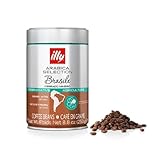
- Explore the individual taste and distinct aroma of each single origin Arabica coffee, found in the legendary illy blend, each highlighting the singular style, culture and flavor of these distinctive geographic region
- Carefully selected and meticulously roasted, illy coffee beans invoke a sensual beauty and poetry in the passionate coffee lover.
- Our unique pressurized coffee packaging preserves the flavor and complexity of the illy blend while enhancing the coffee’s aroma and ensuring optimal freshness.
- Each pressurized can contains 8.8oz of Whole Bean MonoArabica Brazil Single Origin Coffee.
- If you are not completely satisfied with your illy purchase, we will refund your order. No questions asked.
Coffee-to-Water Ratio
This is your primary lever for strength. For a standard cup, you might use a 1:15 or 1:16 ratio. For strong decoction, you’re pushing that ratio way down. Start with 1:10. That means for every 10 grams of water, you use 1 gram of coffee. Some people even go as low as 1:8 for a truly intense brew. It’s a balancing act to avoid it becoming syrupy and undrinkable.
Cleanliness/Descale Status
Nobody likes stale coffee oils gumming up the works. If your brewer isn’t clean, you’re brewing with yesterday’s mistakes. For decoction methods, especially stovetop ones, mineral buildup can affect heat transfer and taste. Regularly clean your equipment. If you have a machine, descale it according to the manufacturer’s instructions. It makes a world of difference.
Step-by-Step: How to Make Strong Coffee Decoction
Here’s a general workflow. Remember, specific methods might vary.
1. Heat Your Water: Get your filtered water heating. For most decoction, you want it just off the boil, around 200-205°F (93-96°C).
- Good Looks Like: Water steaming gently, not aggressively bubbling.
- Common Mistake: Letting water go to a full, rolling boil for too long. This scorches the coffee. Avoid by pulling it off the heat a minute or two before you need it.
2. Grind Your Coffee: Grind your fresh beans to a coarse consistency, like coarse sea salt.
- Good Looks Like: Uniform particles, not a powder.
- Common Mistake: Grinding too fine. This leads to bitterness and potential clogging. Grind right before you brew for maximum freshness.
3. Measure Coffee and Water: Weigh your coffee and water. Aim for a strong ratio, like 1:10 (e.g., 30g coffee to 300g water).
- Good Looks Like: Precise measurements. A kitchen scale is your best friend here.
- Common Mistake: Guessing. Inconsistent ratios lead to inconsistent strength. Use a scale, seriously.
4. Add Coffee to Brewer: Place your coarse grounds into your chosen decoction brewer (e.g., saucepan, moka pot chamber).
- Good Looks Like: Grounds settled evenly.
- Common Mistake: Tamping down the grounds too hard, especially in a moka pot. This restricts water flow. Just level them gently.
5. Add Hot Water: Pour the heated water over the coffee grounds. Ensure all grounds are saturated.
- Good Looks Like: Even saturation. No dry pockets.
- Common Mistake: Pouring too fast or unevenly. This can create channeling, where water bypasses some grounds. A gentle, circular pour works best.
6. Brew (Simmer/Steep): This is where the decoction happens. Depending on your method, you might bring it to a low simmer or let it steep.
- Good Looks Like: Gentle heat application or a controlled steep. You’re looking for extraction, not boiling off all the liquid.
- Common Mistake: Letting it boil aggressively. This burns the coffee. Keep the heat low and controlled.
7. Control Brew Time: Allow the coffee to extract for an extended period, typically 5-10 minutes, depending on the method.
- Good Looks Like: A rich, dark liquid forming.
- Common Mistake: Rushing the process. You need time for those solubles to dissolve. Be patient.
8. Separate Grounds: Once brewing is complete, separate the liquid coffee from the grounds.
- Good Looks Like: Clear coffee, no grounds in the cup.
- Common Mistake: Letting grounds sit in the brew too long after the heat is off. This can lead to over-extraction and bitterness.
9. Serve Immediately: Pour your strong decoction into your cup.
- Good Looks Like: A dark, aromatic, and potent brew.
- Common Mistake: Letting it sit on a heat source. This continues to cook the coffee and makes it bitter.
10. Dilute (Optional): If it’s too strong, add a little hot water or milk to taste.
- Good Looks Like: A balanced flavor profile you enjoy.
- Common Mistake: Not tasting before adding anything. You might dilute it too much.
Common Mistakes (and What Happens If You Ignore Them)
| Mistake | What It Causes | Fix |
|---|---|---|
| Grinding too fine for decoction | Bitter, muddy coffee; clogged brewer | Use a coarser grind (like sea salt). Check your grinder settings. |
| Using stale coffee beans | Flat, lifeless, weak flavor | Use beans roasted within the last 2-4 weeks. Store them properly. |
| Water too hot (boiling aggressively) | Scorched, burnt, bitter taste | Heat water to 200-205°F (93-96°C), or just off the boil. |
| Incorrect coffee-to-water ratio | Too weak or too syrupy/intense | Use a scale and aim for ratios like 1:10 or 1:8 for strong decoction. |
| Not preheating brewer/cup | Inconsistent temperature; cooler coffee | Warm your brewer and cup with hot water before brewing. |
| Over-extracting (too long brew time) | Harsh, bitter, astringent taste | Stick to recommended brew times for your specific decoction method. |
| Under-extracting (too short brew time) | Sour, weak, underdeveloped flavor | Ensure adequate contact time between water and coffee. |
| Using poor quality water | Off-flavors, muted aroma | Use filtered or spring water. Avoid distilled water. |
| Not cleaning equipment regularly | Stale oils impart rancid, unpleasant flavors | Clean your brewer and grinder after every use. |
| Tamping grounds too hard | Restricted water flow, uneven extraction, weak brew | Gently level grounds; avoid pressing them down. |
Decision Rules
- If your coffee tastes bitter and harsh, then try a coarser grind because finer grinds over-extract easily with decoction methods.
- If your coffee tastes weak and sour, then increase your coffee-to-water ratio or brew time because you’re likely under-extracting.
- If your coffee tastes flat and dull, then check your bean freshness and grind size because stale beans lose their vibrant flavors.
- If your coffee has a burnt or scorched flavor, then reduce your brewing temperature or time because excessive heat destroys delicate coffee compounds.
- If your decoction is too thick and syrupy, then dilute it with a little hot water or milk because you’ve likely used a very high coffee-to-water ratio.
- If you notice sediment in your cup, then check your filter type or grind size because a metal filter or too fine a grind can lead to fines in the brew.
- If your coffee tastes consistently “off” regardless of other changes, then check your water quality because tap water impurities can significantly impact flavor.
- If your brewer is slow to brew or tastes off, then it’s time to clean or descale it because old coffee oils and mineral buildup are the likely culprits.
- If you want a more intense flavor without just adding more coffee, then experiment with a slightly longer bloom phase (if applicable) to allow initial degassing.
- If your brew is unevenly extracted, then ensure you’re saturating all the grounds evenly when adding water.
FAQ
What exactly is coffee decoction?
Decoction is a traditional brewing method where coffee grounds are typically boiled or simmered with water. It’s known for producing a very strong, full-bodied cup. Think of it as a more robust, concentrated form of coffee.
Is decoction the same as espresso?
No, they are different. Espresso uses high pressure and a very fine grind to force hot water through coffee. Decoction usually involves simmering or boiling grounds directly in water, often with a coarser grind.
Can I make decoction with a standard drip coffee maker?
Generally, no. Drip machines are designed for a specific flow rate and temperature, not for boiling or simmering. You’d need a different type of brewer like a moka pot, percolator, or even a simple saucepan.
How much coffee should I use for decoction?
Start with a higher ratio than you might normally. A good starting point is 1 part coffee to 10 parts water (1:10). You can go as low as 1:8 for a very strong brew, but be careful not to make it undrinkable.
What kind of coffee beans are best for decoction?
Medium to dark roasts often perform well in decoction methods because their flavors are more developed and can stand up to the intense brewing process. However, experiment with lighter roasts if you prefer.
Why does my decoction taste bitter?
Bitterness is often caused by over-extraction. This can happen if your grind is too fine, your brew time is too long, or your water is too hot. Try adjusting one of these variables at a time.
How do I avoid sediment in my decoction?
Using a coarser grind size helps prevent fine particles from passing through your filter. If you’re using a metal filter, some sediment is normal. Ensure your grounds aren’t too fine for the brewer you’re using.
Can I add milk and sugar to decoction?
Absolutely! Because decoction is so strong, it holds up very well to additions like milk, cream, and sugar. Many people enjoy it as a base for robust coffee drinks.
What This Page Does Not Cover (And Where to Go Next)
- Specific recipes for moka pots or percolators. These methods have unique nuances.
- The science of coffee extraction and solubility. We kept it practical.
- Advanced techniques like blooming or specific pour-over patterns, which aren’t typical for decoction.
- Detailed comparisons of different metal filter types.
- Recommendations for specific coffee bean origins or roast profiles beyond general guidance.