
Easy Cold Brew Coffee At Home
Quick answer
- Use a coarse grind. It’s key for cold brew.
- Aim for a 1:8 coffee to water ratio. Adjust to your taste.
- Let it steep for 12-24 hours. Longer means stronger.
- Filter it well. A clean cup is a good cup.
- Store it in the fridge. It lasts about two weeks.
- Dilute to drink. It’s a concentrate, remember.
Who this is for
- Anyone who wants smooth, low-acid coffee.
- Folks who dislike bitter brews.
- Campers and travelers who want easy coffee on the go.
What to check first
Brewer type and filter type
Cold brew is pretty forgiving. You can use a French press, a mason jar with a cheesecloth, or a dedicated cold brew maker. The filter is important. Too fine, and you’ll get sediment. Too coarse, and you’ll have a weak brew. Paper filters can work, but often cloth or metal filters are preferred for cold brew to let more oils through.
The filter is important for cold brew. For a cleaner cup with more oils, consider using reusable coffee filters made of cloth or metal, which are often preferred over paper filters.
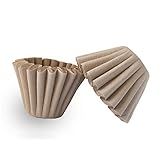
- HIGHT QUILTY - Sturdy sides won't collapse during brewing. This minimizes coffee grounds getting into your coffee.
- SIZE - Made to fit coffee makers from 1 cup up to 4 cup. The dimensions of this filter are: Base Diameter 1.99", Side Height 2.75".
- WIDE COMATIBILITY RANGE-Value pack of 50 counts disposable basket coffee filters.
- EASY CLEAN UP - Disposable filters mean that you can easily throw away without needing to clean out a metal filter.
- APPLICATION - Great for Food Service or office and home use.bring your creativity to DIY beautiful coffee filter flowers.
Water quality and temperature
Tap water is usually fine, but if yours tastes off, your coffee will too. Filtered water is best. For cold brew, the temperature isn’t critical. Room temperature is standard. Some people even use cold water straight from the tap. Just don’t use hot water. That’s for hot coffee.
Grind size and coffee freshness
This is crucial for cold brew. You want a coarse grind, like breadcrumbs or coarse sea salt. This prevents over-extraction and makes filtering easier. Freshly ground beans are always best. Pre-ground coffee can work in a pinch, but it loses flavor fast.
Coffee-to-water ratio
This is where you dial in your personal preference. A common starting point is 1:8 (coffee to water by weight). So, 1 ounce of coffee to 8 ounces of water. Some prefer 1:4 for a super concentrate, others 1:10 for something lighter. Don’t be afraid to experiment.
Cleanliness/descale status
Give your gear a good clean. Old coffee oils can turn rancid and make your brew taste bad. If you’re using an automatic brewer, make sure it’s descaled. Mineral buildup affects flavor and performance. A clean setup means a clean taste.
Step-by-step (how to make coffee cold brew)
1. Measure your coffee beans. Use a scale for accuracy. A good starting point is 1:8 ratio. For example, 4 ounces of beans.
- What “good” looks like: Consistent weight.
- Common mistake: Eyeballing it. This leads to inconsistent results. Use a scale.
2. Grind the coffee beans. Aim for a coarse grind. Think coarse sea salt.
- What “good” looks like: Evenly sized particles. No fine dust.
- Common mistake: Grinding too fine. This makes filtering a nightmare and can lead to bitter coffee.
3. Combine coffee and water. Put the grounds in your brewer. Add your measured water.
- What “good” looks like: All grounds are saturated.
- Common mistake: Not fully saturating the grounds. Some dry pockets will lead to weak spots. Gently stir if needed.
4. Steep the mixture. Cover it and let it sit at room temperature. 12 to 24 hours is the sweet spot.
- What “good” looks like: You can see the color deepening over time.
- Common mistake: Steeping for too short a time. You won’t get full flavor extraction.
5. Begin filtering. If using a French press, slowly press the plunger. If using a jar, strain through cheesecloth or a fine-mesh sieve.
- What “good” looks like: The liquid is separating from the grounds.
- Common mistake: Rushing the filtering process. This can push fine sediment through.
6. Double filter if necessary. For an extra-clean cup, run the liquid through a paper filter or a clean cloth.
- What “good” looks like: Clear, sediment-free liquid.
- Common mistake: Skipping this if you want a super-smooth brew. It makes a difference.
7. Transfer to a clean container. Use a glass jar or bottle.
- What “good” looks like: The concentrate is safely stored.
- Common mistake: Leaving it in a dirty container. This compromises freshness.
8. Dilute to taste. This is a concentrate. Mix with water or milk. Start with a 1:1 ratio.
- What “good” looks like: A balanced, enjoyable coffee drink.
- Common mistake: Drinking it straight. It’s too strong. Dilute it.
9. Chill and serve. Refrigerate the concentrate. It’s best served cold.
- What “good” looks like: Cold, refreshing coffee.
- Common mistake: Letting it sit out at room temperature for too long after brewing. Keep it cool.
Common mistakes (and what happens if you ignore them)
| Mistake | What it causes | Fix |
|---|---|---|
| Using a fine coffee grind | Bitter, over-extracted coffee; difficult filtering | Use a coarse grind (like sea salt). |
| Not steeping long enough | Weak, watery coffee; under-extracted flavor | Steep for at least 12 hours, up to 24. |
| Using tap water with off-flavors | Bad-tasting coffee | Use filtered or bottled water. |
| Not cleaning your equipment | Rancid, stale coffee flavors | Wash all brewing gear thoroughly after each use. |
| Using stale coffee beans | Flat, dull, lifeless coffee | Use freshly roasted beans; grind just before brewing. |
| Not diluting the concentrate | Overpowering, bitter, undrinkable coffee | Mix with water or milk; start with a 1:1 ratio and adjust. |
| Over-agitating during steeping | Can lead to over-extraction and sediment | Gentle stirring to ensure saturation is fine; avoid vigorous shaking. |
| Filtering too quickly | Sediment in your final cup | Filter slowly and patiently. |
| Not storing the concentrate properly | Coffee degrades quickly; develops off-flavors | Store in an airtight container in the refrigerator. |
Decision rules (simple if/then)
- If your cold brew tastes weak, then increase the coffee-to-water ratio (use more coffee or less water) because you need more grounds to extract flavor.
- If your cold brew tastes too bitter, then try a coarser grind or shorten the steeping time because over-extraction causes bitterness.
- If you have a lot of sediment in your cup, then filter more slowly or use a finer secondary filter because you’re letting grounds pass through.
- If your cold brew tastes sour, then ensure your coffee is fresh and consider a slightly longer steep time because under-extraction can lead to sourness.
- If you want a stronger concentrate, then use a higher coffee-to-water ratio (like 1:4) because this packs more coffee into the same amount of water.
- If you’re short on time, then use the shorter end of the steeping range (12 hours) because it’s still effective, just slightly less intense.
- If your water has a strong chlorine smell, then use filtered water because chlorine will negatively impact your coffee’s flavor.
- If you notice oily residue on your equipment, then clean it thoroughly because old oils can go rancid and ruin your brew.
- If you’re new to cold brew, then start with a 1:8 ratio and 18 hours of steeping because it’s a balanced starting point.
- If you prefer a brighter flavor profile, then consider a medium roast coffee because darker roasts can sometimes be too mellow for cold brew.
FAQ
What’s the best coffee bean for cold brew?
Medium to dark roasts often work well. They have lower acidity and a fuller body that shines in cold brew. But really, any good quality bean you enjoy can be used. Experiment to find your favorite.
How long does cold brew concentrate last?
Stored properly in an airtight container in the fridge, it should last about two weeks. After that, the flavor starts to degrade. It’s best to brew smaller batches if you don’t go through it quickly.
Can I use hot water to speed up cold brew?
No, that defeats the purpose of cold brew. Using hot water will extract different compounds and result in a different flavor profile, closer to iced hot coffee. Cold brew relies on time, not heat, for extraction.
What’s the difference between cold brew and iced coffee?
Cold brew is brewed with cold water over a long period, resulting in a smooth, low-acid concentrate. Iced coffee is typically hot-brewed coffee that has been cooled down and served over ice, often resulting in a more bitter taste.
Do I have to use a special cold brew maker?
Nope. A mason jar, a French press, or even a pitcher with a filter will work just fine. Dedicated makers just offer convenience and sometimes a cleaner filtering system.
How much coffee should I use for my cold brew?
A good starting point is a 1:8 ratio of coffee to water by weight. For example, 4 ounces of coffee to 32 ounces of water. You can adjust this ratio based on how strong you like your coffee.
Why is my cold brew cloudy?
This usually happens if your grind is too fine or if you filtered too quickly. Fine coffee particles are making their way into your concentrate. Try a coarser grind next time or a more thorough filtering process.
Can I reheat cold brew?
You can, but it defeats some of the benefits of cold brew, like its low acidity. If you must, gently warm it up. It’s really meant to be enjoyed cold.
What this page does NOT cover (and where to go next)
- Specific brand recommendations for coffee beans or brewing equipment. (Next: research reviews for specific products that fit your budget.)
- Advanced techniques like Japanese-style iced coffee or nitro cold brew. (Next: explore dedicated guides on these methods if you’re looking to level up.)
- Detailed explanations of coffee bean origins and their impact on flavor. (Next: dive into coffee tasting notes and origin profiles.)
- Troubleshooting specific brewing machine errors. (Next: consult your brewer’s manual or manufacturer support.)