
Brew Sugar Cookie Flavored Coffee
Quick Answer
- Use high-quality, fresh coffee beans.
- Infuse your brew with sugar cookie flavor using extracts or syrups.
- Start with the right coffee-to-water ratio.
- Ensure your water is at the optimal brewing temperature.
- Grind your beans just before brewing.
- Keep your equipment clean.
Who This Is For
- Home brewers looking to experiment with unique flavors.
- Anyone who loves the taste of sugar cookies and wants it in their coffee.
- Coffee enthusiasts eager to create personalized drinks without a fancy espresso machine.
What to Check First
Brewer Type and Filter Type
Your brewing method matters. A drip machine, pour-over, or French press will all yield different results. Make sure your filter is clean and the right size for your brewer. A paper filter can sometimes mute subtle flavors, while a metal filter lets more oils through.
Water Quality and Temperature
Good coffee starts with good water. Tap water can have off-flavors. Consider filtered or bottled water. For most brewing methods, aim for water between 195°F and 205°F. Too hot, and you’ll scorch the grounds. Too cool, and you won’t extract enough flavor.
Grind Size and Coffee Freshness
Freshly roasted and ground coffee is key. Pre-ground coffee loses its aroma and flavor fast. Grind your beans right before you brew. The grind size should match your brewer. Coarse for French press, medium for drip, fine for espresso (though we’re not doing espresso here).
Coffee-to-Water Ratio
This is where you balance strength. A good starting point for most methods is around 1:15 to 1:18 (coffee to water by weight). For example, 20 grams of coffee to 300-360 grams (or ml) of water. Adjust this to your taste. More coffee means a stronger brew.
Cleanliness/Descale Status
Gunk build-up is the enemy of good coffee. If your brewer hasn’t been cleaned or descaled recently, it’s time. Mineral deposits and old coffee oils can make even the best beans taste bitter or stale. A clean machine is a happy machine.
Step-by-Step: How to Make Sugar Cookie Coffee
1. Gather your ingredients. You’ll need your favorite coffee beans, a sugar cookie flavor source (like extract or syrup), and clean brewing equipment.
- What “good” looks like: Everything is prepped and ready to go. No last-minute scrambling.
- Common mistake: Forgetting a key ingredient or realizing your sugar cookie syrup is empty. Avoid this by doing a quick inventory check.
For a delicious sugar cookie twist, consider using a high-quality sugar cookie coffee syrup to infuse your brew.

- Vanilla Syrup: Inspired by premium vanilla flavor, there is nothing plain about the clean, pure and creamy flavor of this syrup that is perfect for lattes, brewed and iced coffees
- Flavoring Syrups: Made with pure cane sugar, natural flavors and cold-filtered water, Torani Original Syrups provide gold-standard flavors and vibrant colors to create amazing drink experiences
- Authentic Coffeehouse Flavor: From caramel to French vanilla to hazelnut—and everything in between—our syrups and sauces are here to help you create tantalizing lattes, cappuccinos, cold brews and frappes
- Find Your Recipe: We are here to help you create tantalizing drinks for every taste, occasion, and mood; Mix up some magic with caramel, lavender, pumpkin pie, hazelnut, chocolate, and many more flavors
- Flavor For All: Discover how Torani can help you make truly creative flavored teas, lemonades, smoothies, milkshakes, Italian sodas, coffees, cocktails, mocktails, snow cones, sparkling waters and more
2. Heat your water. Get your water to the ideal brewing temperature, between 195°F and 205°F.
- What “good” looks like: Water is at temperature, not boiling furiously or lukewarm.
- Common mistake: Using boiling water or water that’s too cool. Use a thermometer or let boiling water sit for about 30-60 seconds.
3. Measure and grind your coffee beans. Weigh out your beans based on your desired coffee-to-water ratio. Grind them to the appropriate size for your brewer.
- What “good” looks like: Freshly ground coffee with a nice aroma.
- Common mistake: Using pre-ground coffee or the wrong grind size. This leads to weak or bitter coffee.
To ensure the freshest flavor, invest in a good coffee bean grinder; freshly ground beans make a significant difference.
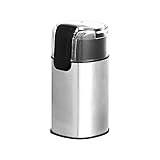
- Electric coffee bean grinder appliance for home use
- Can grind 30 grams/1 ounce of beans for drip coffee brewing in 10 seconds
- Grind coffee beans, herbs, spices, grains, nuts, and more
- Clear safety lid allows you to easily see the results in progress
- Heavy-duty stainless steel grind blade
4. Prepare your brewer. Place your filter in the brewer. If using a paper filter, rinse it with hot water to remove paper taste and preheat your brewer. Discard the rinse water.
- What “good” looks like: A clean, preheated brewing device ready for coffee.
- Common mistake: Forgetting to rinse the paper filter. This can impart a papery flavor to your brew.
5. Add coffee grounds. Put your freshly ground coffee into the prepared filter. Gently shake it to level the bed of grounds.
- What “good” looks like: An even layer of coffee grounds.
- Common mistake: Packing the grounds down too tightly. This impedes water flow and can lead to over-extraction.
6. Add your sugar cookie flavor. This is where the magic happens. Add your sugar cookie extract or syrup. If using extract, start with a small amount (e.g., 1/4 to 1/2 teaspoon) and add more to taste later. If using syrup, you might add 1-2 tablespoons, depending on sweetness and flavor intensity. You can add it directly to the grounds or to the water. Adding to the grounds can help distribute the flavor.
- What “good” looks like: The flavor element is incorporated evenly.
- Common mistake: Adding too much extract at once. It’s easier to add more than to take away overpowering flavor.
7. Bloom the coffee (for pour-over/drip). Pour just enough hot water over the grounds to saturate them evenly. Let it sit for 30 seconds. You’ll see the coffee “bloom” and release CO2.
- What “good” looks like: A gentle bubbling and expansion of the coffee bed.
- Common mistake: Skipping the bloom or pouring too much water. This step helps degas the coffee for a more even extraction.
If you’re using a pour-over method, a dedicated pour over coffee maker can help you achieve precise control over the brewing process.

- Pour Over Coffee: Manual Pour Over Coffee Maker allows you to brew an excellent cup of Coffee in minutes
- Stainless steel: Includes a new and improved permanent, stainless steel mesh filter that helps extract your coffee's aromatic oils and subtle flavors instead of being absorbed by a paper filter
- Coffee Carafe: Made of durable, heat-resistant borosilicate glass with Cork Band detailing that is both functional and elegant; single wall
- Quick and Easy: Simply add coarse ground Coffee to filter, pour a small amount of water in a circular motion over ground Coffee until soaked then add the remaining water and let drip
- Servings: Pour Over Coffee Maker makes 8 cups of Coffee, 4 oz each; dishwasher safe
8. Continue brewing. Slowly pour the remaining water over the grounds in a controlled manner (e.g., in concentric circles for pour-over). Aim for a total brew time appropriate for your method (typically 2-4 minutes for pour-over/drip).
- What “good” looks like: A steady stream of coffee flowing into your carafe or mug.
- Common mistake: Pouring too fast or unevenly. This can cause channeling, where water bypasses some grounds.
9. Finish the brew. Once all the water has passed through the grounds, remove the brewer.
- What “good” looks like: The brewing process is complete, and you have a full carafe or mug.
- Common mistake: Leaving the brewer on the grounds for too long. This can lead to bitter flavors.
10. Taste and adjust. Pour a cup. Taste it. Does it have enough sugar cookie flavor? Is it sweet enough? Add more extract or a touch of sweetener if needed.
- What “good” looks like: A delicious, balanced cup of coffee that tastes like sugar cookies.
- Common mistake: Not tasting and adjusting. You brewed it for a reason – make sure it tastes great!
11. Clean up. Discard the used grounds and rinse your equipment immediately.
- What “good” looks like: Clean equipment, ready for the next brew.
- Common mistake: Leaving wet grounds in the filter or unrinsed equipment. This leads to mold and bad smells.
Common Mistakes (and What Happens If You Ignore Them)
| Mistake | What It Causes | Fix |
|---|---|---|
| Using stale, pre-ground coffee | Weak, flat, or bitter flavor; lack of aroma | Buy whole beans and grind them just before brewing. |
| Incorrect grind size | Under-extraction (sour, weak) or over-extraction (bitter) | Match grind size to your brew method (coarse for French press, medium for drip). |
| Water temperature too high | Scorched coffee, bitter and harsh taste | Let boiling water sit for 30-60 seconds before brewing; use a thermometer. |
| Water temperature too low | Under-extracted, weak, sour coffee | Ensure water is between 195°F and 205°F. |
| Improper coffee-to-water ratio | Too weak or too strong/overpowering | Start with 1:15 to 1:18 ratio and adjust to your preference. |
| Dirty brewing equipment | Off-flavors, metallic taste, stale coffee | Clean and descale your brewer regularly according to manufacturer instructions. |
| Using poor quality water | Unpleasant background flavors, masks coffee notes | Use filtered or bottled water. |
| Over-extraction (too long a brew time) | Bitter, astringent, harsh taste | Monitor brew time and remove grounds once brewing is complete. |
| Under-extraction (too short a brew time) | Sour, weak, lacking body and sweetness | Ensure adequate contact time between water and coffee grounds. |
| Adding too much flavoring extract | Overpowering, artificial, or chemical taste | Start with small amounts of extract; add more to taste after brewing. |
Decision Rules
- If your coffee tastes sour, then your water was likely too cool or your grind was too coarse, or you didn’t brew long enough because under-extraction occurred.
- If your coffee tastes bitter, then your water was likely too hot, your grind was too fine, or you brewed too long because over-extraction occurred.
- If your sugar cookie flavor is too weak, then add a bit more extract or syrup next time because you didn’t use enough flavoring.
- If your sugar cookie flavor is too strong and artificial, then use less extract next time because too much can taste chemical.
- If your coffee tastes like old socks, then your equipment needs cleaning and descaling because residue is affecting the flavor.
- If your brew is too weak, then use more coffee grounds or less water next time because your ratio is off.
- If your brew is too strong, then use less coffee grounds or more water next time because your ratio is off.
- If you want a cleaner cup, then use a paper filter because it traps more oils than a metal filter.
- If you want a richer cup with more body, then consider a French press or metal filter because they allow more oils to pass through.
- If your coffee tastes flat, then use freshly roasted beans and grind them right before brewing because freshness is key.
- If you’re unsure about the right amount of flavoring, then start with a small amount and taste as you go because it’s easier to add more.
FAQ
Can I add sugar cookie syrup directly to my coffee grounds?
Yes, you can. Adding syrup or extract to the grounds before brewing can help distribute the flavor more evenly throughout the coffee as it brews.
How much sugar cookie extract should I use?
Start very small, like 1/4 to 1/2 teaspoon for a standard 12-oz cup. Extracts are potent. You can always add more after brewing, but you can’t take it away.
Will this make my coffee sweet?
It depends on the flavoring you use. Pure extracts won’t add sweetness. Sugar cookie syrups often contain sugar, so they will sweeten your coffee. You might still need to add sweetener to taste.
Can I use this method with any coffee maker?
Generally, yes. This method works for drip coffee makers, pour-overs, and French presses. The key is adapting the grind size and brew time to your specific brewer.
What if I don’t have sugar cookie extract or syrup?
You can get creative! Try adding a pinch of cinnamon and a tiny bit of almond extract (if you like that flavor profile, as it’s often found in sugar cookies). You could also try a sugar cookie flavored creamer.
How do I prevent the sugar cookie flavor from tasting artificial?
Use high-quality extracts or syrups. Also, ensure you’re using good, fresh coffee beans, as a strong coffee base will balance the added flavor better.
Can I make a big batch of sugar cookie coffee?
Yes, you can scale up the recipe. Just maintain your coffee-to-water ratio and the amount of flavoring relative to the coffee volume. Taste and adjust as you go.
Is sugar cookie coffee bad for my coffee maker?
Not if you clean it properly. Syrups can leave a sticky residue, so rinse your equipment thoroughly after each use. Regular descaling is also important, especially if you use a lot of flavored syrups.
What This Page Does Not Cover (and Where to Go Next)
- Specific brand recommendations for coffee beans or flavoring extracts. (Look for reviews on specialty coffee sites.)
- Detailed instructions for every single type of coffee maker. (Consult your brewer’s manual.)
- Advanced latte art or milk steaming techniques. (Search for “latte art tutorials”.)
- The science of coffee extraction in extreme detail. (Explore coffee brewing science resources.)