
Boiling Coffee Grounds: A Method for Making Coffee
Quick answer
- Yes, you can boil coffee grounds to make coffee. It’s a simple, no-fuss method.
- This technique is often called Cowboy Coffee or Campfire Coffee.
- It’s best for situations where you have minimal equipment.
- Expect a bolder, sometimes grittier cup than other methods.
- Control the boil time to manage strength and bitterness.
- Use fresh, coarsely ground coffee for best results.
Who this is for
- Campers and backpackers who need coffee with minimal gear.
- Anyone looking for a straightforward, traditional coffee brewing method.
- Folks who enjoy a strong, robust cup and don’t mind a bit of sediment.
What to check first
Brewer type and filter type
This method doesn’t really use a “brewer” in the typical sense. You’ll likely use a pot or kettle. No paper filters here. If you’re feeling fancy, you might use a metal sieve later, but it’s not essential.
Water quality and temperature
Good water makes good coffee. If your tap water tastes off, your coffee will too. Use filtered water if you can. You’re going to boil this water, so it’ll be hot. That’s the point.
Grind size and coffee freshness
This is crucial for boiling coffee grounds. You want a coarse grind, like sea salt. Too fine, and you’ll get mud. Freshly ground beans are always better. Pre-ground stuff goes stale fast.
For the best results, consider using a high-quality coarse ground coffee specifically designed for methods like this.
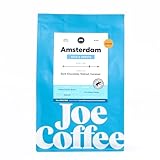
- Rich, sweet, and comforting, Amsterdam is the perfect drip coffee option for those who seek a deeper roast profile.
- We select the components for this coffee for their ability to stand up to a more developed roast, without ever tasting over-roasted or smoky. Instead, we pull out classic notes of chocolate, nut, and toffee.
- One 12 ounce bag
Coffee-to-water ratio
A good starting point is about 1-2 tablespoons of coffee per 6 oz of water. This is flexible. Like it strong? Add more. Like it weak? Back off. It’s your coffee, your rules.
Cleanliness/descale status
Make sure your pot or kettle is clean. Old coffee residue will mess with the flavor. If you’re using a pot that’s seen better days, give it a good scrub.
Step-by-step (brew workflow)
1. Add water to your pot.
- What “good” looks like: You’ve measured the right amount of water for the coffee you want to make.
- Common mistake: Eyeballing it. You end up with too much or too little. Measure your water.
A durable camping kettle is perfect for this method, allowing you to easily measure and boil your water.
![COLETTI Classic Camping Kettle 60 oz — Tea and Camp Kettle, NO Aluminum or Plastic, Ideal for Boiling Water [Blue Enamel]](https://m.media-amazon.com/images/I/51JDO4AvnVL._SL160_.jpg)
- TIMELESS CRAFTSMANSHIP—Built for the Wild, Crafted for a Lifetime – The COLETTI camping coffee pot is built to outlast the journey. Forged from reinforced steel and coated with imported German enamel, this camp kettle embodies classic outdoor cookware. Whether brewing cowboy coffee over open flames or boiling water on a stovetop, it delivers hot, pure, and steady coffee—because every great adventure starts with great coffee.
- PURE BREWING, NO COMPROMISES—100% Stainless Steel, Zero Plastic – This campfire kettle is made entirely from stainless steel—free from aluminum, plastic, and toxins. Designed for brewing cowboy coffee or boiling water, every pour is clean and untainted. Whether it’s coffee, tea, or another campfire favorite, trust this camp kettle to deliver pure, natural flavor. No plastic, no compromises—just quality brewing in the great outdoors.
- SIMPLE TO USE, EFFORTLESS TO CLEAN—Brewing Shouldn’t Be a Chore – No buttons, no plugs, no fuss. Just add grounds and hot water, and let time work its magic. Whether used as a coffee boiler or camp kettle, this outdoor essential was designed for simplicity. And when the last drop is gone? A quick rinse is all it takes to be ready for the next sunrise brew.
- AMERICAN ENGINEERING—Designed for the Backcountry, Trusted Everywhere – Crafted in the USA by a veteran-owned company, the COLETTI campfire kettle is built for those who know great coffee doesn’t need a roof overhead. Durable enough for the backcountry yet refined for the cabin, it’s perfect for boiling water at sunrise or brewing coffee over open flames. Wherever your adventure takes you, COLETTI ensures you can Make Great Coffee Anywhere.
- BUILT FOR LIFE, BACKED FOR LIFE—A Kettle That Won’t Quit – This camping coffee kettle is built to last—and we back it with a lifetime replacement guarantee. Whether brewing in rugged terrain or under the pines, COLETTI ensures you’re always ready to make the perfect cup. And if the road ever gets rough? Our US-based customer service team is here to help—because great coffee deserves great support.
2. Bring water to a boil.
- What “good” looks like: Vigorous bubbling. You’re aiming for that rolling boil.
- Common mistake: Letting it boil too long. You’ll evaporate too much water and make your coffee too concentrated. Watch it.
3. Remove pot from heat.
- What “good” looks like: The boiling stops, but the water is still very hot.
- Common mistake: Leaving it on the heat. This leads to over-extraction and bitterness. Get it off the flame.
4. Add coffee grounds.
- What “good” looks like: Coarse grounds are added evenly to the hot water.
- Common mistake: Adding grounds before the water boils. You lose control of the extraction. Wait for the boil, then remove.
5. Stir gently.
- What “good” looks like: All the grounds are wet. A quick, gentle stir is all you need.
- Common mistake: Aggressively stirring. This can break up the grounds and create more sediment. Easy does it.
6. Let it steep.
- What “good” looks like: The coffee is steeping for about 3-5 minutes. You’ll see it darkening.
- Common mistake: Steeping too long. This is where bitterness really sets in. Set a timer.
7. Add a splash of cold water (optional).
- What “good” looks like: A small amount of cold water hits the surface. This helps settle the grounds.
- Common mistake: Adding too much cold water. You’ll dilute your coffee too much. Just a splash.
8. Pour carefully.
- What “good” looks like: You’re pouring slowly into your mug, leaving the settled grounds behind in the pot.
- Common mistake: Pouring too fast or tilting the pot too much. This stirs up the sediment. Go slow.
9. Enjoy your coffee.
- What “good” looks like: A hot, strong cup of coffee. Embrace the bits.
- Common mistake: Complaining about a little grit. It’s part of the charm.
Common mistakes (and what happens if you ignore them)
| Mistake | What it causes | Fix |
|---|---|---|
| Using fine grounds | Muddy coffee, excessive sediment, bitter taste | Use coarse, sea-salt-sized grounds. Check your grinder settings. |
| Boiling grounds for too long | Bitter, over-extracted, burnt flavor | Remove from heat immediately after boiling. Steep for 3-5 minutes. |
| Not removing pot from heat | Scorched grounds, harsh, acrid taste | Take the pot off the heat before adding grounds. |
| Adding grounds to cold water | Weak, underdeveloped flavor, uneven extraction | Always add grounds to hot, just-boiled water. |
| Stirring too aggressively | More sediment, cloudy coffee | Stir gently only to wet the grounds. |
| Steeping for too long (over 5 mins) | Bitter, astringent, unpleasant aftertaste | Set a timer for 3-5 minutes. |
| Pouring too quickly or with a tilt | Grounds sloshing into your mug | Pour slowly and steadily, leaving the last bit in the pot. |
| Using stale coffee beans | Flat, dull flavor, lacks aroma | Use freshly roasted and ground beans. |
| Using poor quality water | Off-flavors, muted coffee notes | Use filtered or good-tasting tap water. |
| Not cleaning the pot between uses | Stale, rancid coffee flavor | Wash your pot thoroughly after each use. |
Decision rules (simple if/then)
- If your coffee tastes bitter, then you likely boiled the grounds for too long or steeped them too long because over-extraction is the main culprit.
- If your coffee is weak and watery, then you probably used too little coffee or too much water because the ratio is off.
- If your coffee has a lot of floaty bits, then you likely used grounds that were too fine or poured too aggressively because sediment control is key.
- If you’re camping with no special gear, then boiling grounds is a great option because it requires only a pot and heat.
- If you want a clean cup like from a pour-over, then this method is probably not for you because some sediment is inherent.
- If you have a French press, then consider using that instead because it’s designed to handle grounds and minimize sediment.
- If your water tastes bad, then your coffee will taste bad too, so use filtered water if possible because water quality matters.
- If you want to experiment with strength, then adjust the coffee-to-water ratio because more coffee means stronger flavor.
- If you want to settle the grounds faster, then add a small splash of cold water after steeping because it helps them sink.
- If you’re brewing for a crowd, then use a larger pot and scale up your coffee and water accordingly because the principle remains the same.
FAQ
Can I boil coffee grounds directly in a kettle?
Yes, you can. Just be sure to clean the kettle thoroughly afterward, as coffee residue can linger and affect future water tastes.
How much coffee should I use?
A good starting point is 1 to 2 tablespoons of coffee for every 6 ounces of water. Adjust this based on how strong you like your coffee.
What kind of coffee beans work best?
Medium to dark roasts tend to perform well with this method, offering a robust flavor. However, any coffee you enjoy can be used.
Is it okay if there are grounds in my cup?
A little bit of sediment is normal with this method. It’s part of what gives it its character. If it bothers you, try pouring more slowly or letting it settle longer.
How long should I let the coffee steep?
Generally, 3 to 5 minutes is a good range. Any longer and you risk making the coffee too bitter.
Can I reheat boiled coffee?
It’s not ideal. Reheating can make the coffee taste burnt and bitter. It’s best to brew only what you plan to drink immediately.
What if I don’t have a pot?
You can use a sturdy, heat-resistant container. Just ensure it can handle boiling water and that you can pour from it safely.
Does the type of water matter?
Yes, it does. Just like with any brewing method, using good-tasting water will result in better-tasting coffee. Filtered water is recommended if your tap water has an off-flavor.
What this page does NOT cover (and where to go next)
- Advanced techniques for settling grounds using specialized equipment.
- Detailed comparisons of coffee bean origins and their impact on boiled coffee flavor.
- Specific instructions for using this method with electric stovetops versus open fires.
- Recipes for flavored boiled coffee drinks.
- Detailed guides on coffee grinder types and their impact on grind consistency.