
Best Home Coffee Makers: Top Brands For Your Kitchen
Quick answer
- Consider your preferred brew method (drip, pour-over, espresso, etc.) first.
- Capacity and footprint are key for fitting your kitchen and lifestyle.
- Temperature stability is crucial for optimal flavor extraction.
- Look for models with easy-to-clean components and durable construction.
- Programmable features can add convenience, especially for busy mornings.
- Manual options often provide more control for coffee enthusiasts.
Buying priorities for your next home coffee maker
- Brew Method Preference: Decide if you want drip, pour-over, French press, espresso, or single-serve. Each method offers a distinct coffee experience and requires a specific type of machine.
- Capacity: How much coffee do you typically make? Machines range from single-serve pods to 12-cup carafes. Match the capacity to your household’s daily consumption.
- Footprint: Measure your available counter space. Some machines are compact, while others, particularly espresso makers, can be quite large.
- Temperature Control: Consistent water temperature (ideally between 195°F and 205°F) is vital for proper extraction. Look for machines that maintain this range throughout the brew cycle.
- Filter Type: Permanent filters are reusable and eco-friendly, but require cleaning. Paper filters offer convenience and a cleaner cup, but are a recurring cost.
- Ease of Cleaning: Removable parts, descaling alerts, and dishwasher-safe components simplify maintenance. A clean machine brews better coffee.
- Durability and Build Quality: Look for robust materials like stainless steel or high-quality plastics. This often correlates with a longer lifespan for the appliance.
- Programmability: Features like auto-start timers allow you to wake up to fresh coffee. Adjustable brew strength or temperature settings offer more customization.
- Budget: Coffee makers range widely in price. Set a realistic budget and prioritize features that are most important to you within that range.
- Noise Level: Some grinders and pumps, especially in espresso machines, can be quite loud. This might be a consideration for early morning brewing.
Feature comparison for home coffee makers
- Brew Method: Drip machines are common and convenient; espresso makers produce concentrated shots; pour-over offers manual control; French press steeps for full body; single-serve pods provide speed.
- Capacity: Ranges from 6-8 oz for single-serve to 10-12 cups (around 50-60 oz) for family-sized drip brewers. Some models also offer travel mug-sized options.
- Temperature Control: Basic models may have less precise control; higher-end machines often feature PID controllers or thermal blocks for stable brewing temperatures (195-205°F).
- Filter Type: Permanent mesh filters are common in drip machines; paper filters are used in many pour-over and drip systems; some espresso machines use pressurized or non-pressurized baskets.
- Cleaning: Look for removable water reservoirs, brew baskets, and drip trays. Descaling cycles are crucial for longevity, especially in hard water areas.
- Footprint: Single-serve and compact drip makers can be as small as 6-8 inches wide; espresso machines and larger drip brewers can be 12-15 inches wide or more.
- Water Reservoir: Some are removable for easy filling and cleaning; others are fixed. Capacity varies significantly with the machine size.
- Carafe Material: Glass carafes are common but can break; thermal carafes keep coffee hot longer without scorching but are opaque.
- Grinder Integration: Some drip machines and super-automatic espresso makers include built-in grinders, offering fresh grounds for every brew.
- Pressure (Espresso): Espresso machines typically operate at 9 bars of pressure for optimal extraction. Pump types can vary (vibratory vs. rotary).
- Frothing Wand (Espresso): Manual steam wands offer more control; automatic frothers simplify milk preparation.
- Programmability: Auto-brew timers, strength settings, auto-shutoff, and descaling reminders are common programmable features.
How to choose step-by-step for who makes the best home coffee maker
1. Determine Your Preferred Brew Method:
- What to do: Think about the type of coffee you enjoy most. Do you like a quick, consistent cup (drip), a strong, concentrated shot (espresso), or a rich, full-bodied brew (French press)?
- What “good” looks like: You’ve identified a method that aligns with your daily routine and taste preferences. For example, if you need coffee fast, drip or single-serve might be “good.”
- Common mistake and how to avoid it: Buying a machine based on aesthetics without considering the brew method. Avoid this by trying different coffee types at cafes or friends’ homes first.
2. Assess Your Capacity Needs:
- What to do: Consider how many people drink coffee in your household and how many cups are consumed daily.
- What “good” looks like: A machine that makes enough coffee for everyone without waste or needing multiple brewing cycles. A single-serve for one person, a 10-12 cup for a family.
- Common mistake and how to avoid it: Getting a large machine for one person, leading to wasted coffee or a smaller machine for a crowd, causing delays. Avoid by matching capacity to actual usage.
3. Measure Your Counter Space:
- What to do: Use a tape measure to check the height, width, and depth of the area where the coffee maker will sit.
- What “good” looks like: A machine that fits comfortably under cabinets, leaving room for opening lids and accessing controls, without feeling cramped.
- Common mistake and how to avoid it: Assuming all machines are compact enough. Avoid by measuring before you shop and checking the dimensions in the product specifications.
4. Prioritize Temperature Control and Consistency:
- What to do: Look for descriptions that mention precise temperature control or certification from organizations like the Specialty Coffee Association (SCA).
- What “good” looks like: A machine that heats water to the ideal brewing range (195-205°F) and maintains it throughout the brewing cycle for optimal extraction.
- Common mistake and how to avoid it: Overlooking this technical detail, leading to under-extracted (sour) or over-extracted (bitter) coffee. Avoid by reading reviews focusing on brew quality and temperature stability.
5. Consider Cleaning and Maintenance:
- What to do: Review the product manual or description for details on how to clean the machine, including removable parts and descaling instructions.
- What “good” looks like: A machine with easily accessible, removable, and washable components, and clear instructions for descaling.
- Common mistake and how to avoid it: Choosing a complicated machine that’s hard to clean, leading to neglect and poor-tasting coffee. Avoid by prioritizing machines with straightforward cleaning processes.
6. Set Your Budget:
- What to do: Decide how much you are willing to spend, considering both the initial purchase and ongoing costs like filters or pods.
- What “good” looks like: A machine that offers the features and quality you desire within a price range you are comfortable with.
- Common mistake and how to avoid it: Overspending on unnecessary features or under-spending and getting a low-quality machine. Avoid by balancing desired features with your financial limits.
7. Read Reviews for who makes the best home coffee maker:
- What to do: Consult reputable consumer review sites and coffee-specific forums for user experiences and expert opinions.
- What “good” looks like: Consistent positive feedback on brew quality, durability, and ease of use for models you’re considering.
- Common mistake and how to avoid it: Relying solely on manufacturer claims. Avoid by seeking out independent reviews to get a balanced perspective on performance and potential issues.
Common mistakes (and what happens if you ignore them)
| Mistake | What it causes | Fix |
|---|---|---|
| Not descaling regularly | Mineral buildup, slow brewing, poor taste, machine breakdown | Follow manufacturer’s descaling schedule, typically every 1-3 months. |
| Using pre-ground coffee past its prime | Stale flavor, diminished aroma, weak coffee | Grind beans fresh just before brewing; buy smaller quantities of beans. |
| Incorrect water temperature | Under-extraction (sour) or over-extraction (bitter) | Ensure your machine heats water to 195-205°F; consider an SCA-certified brewer. |
| Not cleaning the brew basket/carafe daily | Mold growth, off-flavors, unpleasant odors | Rinse or wash all coffee-contacting parts immediately after use. |
| Using tap water without filtering | Chlorine taste, scale buildup, off-flavors | Use filtered water (e.g., Brita, refrigerator filter) for brewing. |
| Overfilling or underfilling the water reservoir | Spills, inconsistent brew strength, machine damage | Adhere to the minimum and maximum fill lines on your machine. |
| Not matching grind size to brew method | Clogged filters (too fine), weak coffee (too coarse) | Use coarse grind for French press, medium for drip, fine for espresso. |
| Ignoring machine’s capacity limits | Overflowing, diluted coffee, potential damage | Brew only the amount of coffee your machine is designed for. |
| Leaving coffee on a hot plate too long | Scorched, bitter taste | Transfer to a thermal carafe or drink promptly; use auto-shutoff. |
| Not reading the manual | Misuse of features, improper maintenance, reduced lifespan | Read the manual thoroughly to understand your specific machine. |
Decision rules for who makes the best home coffee maker
- If you need coffee quickly every morning, then a programmable drip coffee maker is ideal because you can set it to brew before you wake up.
- If you prioritize rich, full-bodied coffee with sediment, then a French press is your best bet because it allows for full immersion brewing.
- If you crave lattes, cappuccinos, and strong, concentrated shots, then an espresso machine is necessary because it uses pressure to extract coffee.
- If you want convenience and minimal cleanup for single servings, then a pod-based single-serve machine is suitable because it uses pre-measured, disposable pods.
- If you enjoy the ritual and control over every aspect of brewing, then a pour-over setup is perfect because it allows for precise water flow and temperature.
- If you have limited counter space, then a compact single-serve or small-capacity drip maker is a good choice because they have a smaller footprint.
- If you want to maximize flavor and freshness, then a coffee maker with a built-in grinder is beneficial because it grinds beans just before brewing.
- If you frequently entertain or have a large family of coffee drinkers, then a 10-12 cup drip coffee maker with a thermal carafe is practical because it makes a large batch and keeps it hot without scorching.
- If you are on a tight budget, then a basic drip coffee maker or a manual pour-over cone are good options because they offer good coffee at a lower price point.
- If you want consistent, high-quality brewing, then look for an SCA-certified coffee maker because it meets specific standards for temperature, brew time, and extraction.
If you enjoy the ritual and control over every aspect of brewing, then a pour-over setup is perfect because it allows for precise water flow and temperature. A quality pour over coffee maker like the pour over coffee maker can elevate your morning routine.

- Pour Over Coffee: Manual Pour Over Coffee Maker allows you to brew an excellent cup of Coffee in minutes
- Stainless steel: Includes a new and improved permanent, stainless steel mesh filter that helps extract your coffee's aromatic oils and subtle flavors instead of being absorbed by a paper filter
- Coffee Carafe: Made of durable, heat-resistant borosilicate glass with Cork Band detailing that is both functional and elegant; single wall
- Quick and Easy: Simply add coarse ground Coffee to filter, pour a small amount of water in a circular motion over ground Coffee until soaked then add the remaining water and let drip
- Servings: Pour Over Coffee Maker makes 8 cups of Coffee, 4 oz each; dishwasher safe
If you need coffee quickly every morning, then a programmable drip coffee maker is ideal because you can set it to brew before you wake up. For a reliable option, consider the drip coffee maker.
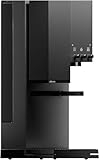
- 1. Three Levels of Automation for Any Skill Level: Choose from Autopilot, Copilot, or Free Solo mode. Autopilot handles the entire brewing process automatically. Copilot provides step-by-step guidance. Free Solo gives you full manual control. This coffee machine works for beginners and professional baristas alike.
- 2. Intuitive User Interface with Tactile Knobs and LED Matrix: The Studio features physical control knobs and a clear LED Matrix display. You can adjust grind size, water temperature, and flow rate in real time without navigating complicated touchscreen menus.
- 3. Full Customization via the xBloom App: Use the xBloom app to create, adjust, save, and share your favorite coffee recipes. Every brewing parameter can be fine-tuned and synced to the machine instantly. Your perfect cup is saved and repeatable.
- 4. Compostable xPod System for Minimal Waste and Maximum Flavor: Each xPod contains carefully selected whole beans and a built-in filter. Tap the recipe card, pour the beans into the grinder, place the pod into the dock, and press start. No capsules, no extra paper filters, no unnecessary waste.
- 5. What Is Included in the Box: The package includes the xBloom Studio, Omni Dripper 2 with Hyperflow Bottom, 10 paper filters, xPod Dock, Magnetic Dosing Cup, default recipe card, quick start guide, cleaning brush, and universal power cord. Everything you need is included.
FAQ
What’s the ideal water temperature for brewing coffee?
The Specialty Coffee Association (SCA) recommends a water temperature between 195°F and 205°F for optimal extraction. This range allows for the best balance of flavors from the coffee grounds.
How often should I descale my coffee maker?
Most manufacturers recommend descaling every 1 to 3 months, depending on your water hardness and usage. Regular descaling prevents mineral buildup, which can affect brew quality and machine lifespan.
Can I use regular tap water in my coffee maker?
While you can, it’s generally better to use filtered water. Tap water often contains chlorine or other minerals that can impart off-flavors to your coffee and contribute to scale buildup in the machine.
What’s the difference between a glass carafe and a thermal carafe?
A glass carafe typically sits on a heating plate, which can scorch coffee if left for too long. A thermal carafe is insulated and keeps coffee hot for longer without needing a heating element, preserving its flavor.
Is a built-in grinder worth it?
A built-in grinder offers the freshest possible coffee, as beans are ground just before brewing. This can significantly improve flavor. However, machines with integrated grinders are often more expensive and require more cleaning.
How much coffee ground should I use per cup?
A common guideline is two tablespoons of ground coffee for every six ounces of water. This can be adjusted to your personal taste preference, but it’s a good starting point for most brew methods.
What this page does NOT cover (and where to go next)
- Specific brand-by-brand reviews or comparisons of individual models.
- Detailed guides on advanced espresso techniques or latte art.
- In-depth discussion of coffee bean origins, roasting, or grinding science.
- Information on commercial-grade coffee equipment for businesses.
- The environmental impact of different coffee maker types or pods.
- Where to find the best coffee beans for your new machine.