
Best Coffee Makers for Delicious Home-Brewed Coffee
Quick Answer
- Look for precise temperature control, usually between 195°F and 205°F.
- A good showerhead design ensures even saturation of coffee grounds.
- Consider the brew method that matches your taste: drip, pour-over, French press, or espresso.
- Capacity matters – how much coffee do you need at once?
- Ease of cleaning is crucial for consistent flavor.
- Durability and build quality mean your maker lasts.
Buying Priorities for Your Coffee Maker
- Brew Method: What kind of coffee do you dig? Drip for convenience, pour-over for control, French press for body, espresso for a kick. Pick the one that fits your morning vibe.
- Temperature Control: This is huge. Coffee needs water between 195°F and 205°F to extract properly. Cheaper makers often don’t hit this mark, leading to bitter or weak coffee. Look for models that claim precise control or have a good reputation for hitting the sweet spot.
- Water Distribution (Showerhead): How the hot water hits the grounds makes a difference. A showerhead that evenly wets all the grounds is key. This prevents channeling, where water just punches holes through the coffee bed, leaving some grounds under-extracted and others over-extracted.
- Capacity: How many cups do you usually brew? Single-serve for one, a 4-cup for a couple, or a 12-cup for a crowd? Get what fits your household size.
- Filter Type: Paper filters offer a clean cup, while metal filters let more oils through, giving a richer body. Some makers use permanent filters, which is good for the planet and your wallet.
- Ease of Cleaning: Nobody wants to scrub a complicated machine every day. Look for removable parts that are dishwasher safe or easy to rinse. A clean maker is a happy maker.
- Build Quality & Durability: A well-built machine feels solid. Stainless steel or BPA-free plastics are good signs. You want something that’s going to last, not feel flimsy.
- Footprint: How much counter space do you have? Some machines are sleek and small, others are beasts. Measure your space before you buy.
- Grinder Integration: Some high-end machines have built-in grinders. This is convenient, but often means you can’t control the grind size as precisely as with a separate burr grinder.
- Carafe Type: Glass carafes are classic but can cool coffee down. Thermal carafes keep coffee hot for hours without a warming plate, which can scorch the coffee.
Feature Comparison for What Coffee Maker Makes the Best Coffee at Home
- Brew Method: Varies widely. Drip machines are common. Pour-over requires manual control. French presses steep grounds directly. Espresso machines use pressure.
- Capacity: Typically ranges from 1 to 14 cups (5 oz per cup). Some single-serve models offer adjustable sizes.
- Temperature Control: Some machines have precise digital controls (e.g., 195°F-205°F). Others rely on heating elements with less accuracy. Check the manual for specifics.
- Filter Type: Most drip makers use paper filters (cone or basket style). Metal filters are an option for some. French presses use a metal mesh. Espresso machines use a portafilter basket.
- Cleaning: Look for removable brew baskets, carafes, and filter holders. Dishwasher-safe parts are a big plus. Descaling procedures vary.
- Footprint: Can range from compact countertop units (under 10 inches wide) to larger, more feature-rich machines.
- Showerhead Design: Some feature wide, multi-stream showerheads for even saturation. Others have simpler single-point water delivery.
- Pre-infusion/Bloom: High-end drip machines may offer a pre-infusion cycle to wet grounds before full brewing, improving extraction.
- Programmability: Many drip machines allow you to set a brew time in advance.
- Carafe Material: Glass carafes are standard. Thermal carafes (stainless steel) are available for better heat retention.
- Grinder: Some machines include a built-in burr grinder for fresh grounds.
- Water Reservoir: Can be fixed or removable. Removable reservoirs make refilling easier.
How to Choose Your Coffee Maker Step-by-Step
1. Define Your Coffee Style:
- What to do: Think about the coffee you love. Do you like a clean, bright cup, or something richer and bolder?
- What “good” looks like: You know if you crave a smooth latte, a strong black coffee, or a mellow cup to start your day.
- Common mistake: Assuming all coffee makers make the same style of coffee.
- How to avoid it: Research brew methods. Drip is versatile, French press is bold, pour-over is nuanced, espresso is concentrated.
2. Assess Your Daily Needs:
- What to do: How many cups of coffee do you typically drink in one go?
- What “good” looks like: You’re not brewing a giant pot for yourself or struggling to make enough for guests.
- Common mistake: Buying a 12-cup maker for a single person or a tiny single-serve for a family.
- How to avoid it: Count your usual servings and match it to the maker’s capacity. A 4-cup maker is often perfect for 1-2 people.
3. Prioritize Temperature Accuracy:
- What to do: Look for machines that consistently brew between 195°F and 205°F.
- What “good” looks like: Your coffee tastes balanced, not sour (under-extracted) or bitter (over-extracted).
- Common mistake: Buying a cheap machine that brews with water that’s too cool or too hot.
- How to avoid it: Read reviews specifically mentioning brew temperature or look for SCA Certified brewers, which have met strict performance standards.
4. Consider Water Distribution:
- What to do: Examine the showerhead design if possible, or read reviews about even saturation.
- What “good” looks like: Coffee grounds are uniformly wet, leading to a well-rounded flavor.
- Common mistake: Overlooking this, leading to uneven extraction and a less-than-ideal taste.
- How to avoid it: Look for wide showerheads or descriptions that emphasize even water flow.
5. Evaluate Filter Preferences:
- What to do: Decide if you prefer the clean taste of paper filters or the richer body from metal filters.
- What “good” looks like: You’re happy with the mouthfeel and clarity of your coffee.
- Common mistake: Not realizing a machine only takes one type of filter and you don’t like it.
- How to avoid it: Check if the machine comes with a reusable filter or if it requires disposable paper filters and if those are readily available.
6. Factor in Counter Space and Aesthetics:
- What to do: Measure the area where the coffee maker will live.
- What “good” looks like: The machine fits comfortably and doesn’t overpower your kitchen.
- Common mistake: Buying a beautiful machine that’s too big for the intended spot.
- How to avoid it: Always check the dimensions and visualize it on your counter.
7. Think About Maintenance:
- What to do: Check how easy the machine is to clean.
- What “good” looks like: You can quickly rinse parts after each use and perform occasional deeper cleaning without a fuss.
- Common mistake: Underestimating the daily cleaning effort required.
- How to avoid it: Look for removable, dishwasher-safe components and simple designs.
8. Set Your Budget:
- What to do: Decide how much you’re willing to spend.
- What “good” looks like: You’ve found a machine that meets your core needs without breaking the bank.
- Common mistake: Spending too much on features you’ll never use, or too little and compromising on quality.
- How to avoid it: Research machines in your price range and focus on the features that matter most to you.
Common Mistakes (and what happens if you ignore them)
| Mistake | What it causes | Fix |
|---|---|---|
| Using old or stale coffee beans | Weak, dull, or bitter coffee; lack of aroma. | Buy fresh beans and grind them just before brewing. Store beans in an airtight container. |
| Incorrect grind size | Too coarse: weak, sour coffee. Too fine: bitter, clogged filter, over-extracted. | Match grind size to brew method (coarse for French press, medium for drip, fine for espresso). |
| Water temperature too low (<195°F) | Under-extraction, resulting in sour, weak coffee. | Use a thermometer or a machine known for accurate temperature control. |
| Water temperature too high (>205°F) | Over-extraction, leading to bitter, burnt-tasting coffee. | Let boiling water cool for 30-60 seconds before pouring, or use a temperature-controlled kettle. |
| Uneven saturation of coffee grounds | Channeling, leading to a mix of weak and bitter flavors. | Use a showerhead design that distributes water evenly; “bloom” the grounds in pour-over. |
| Not cleaning the coffee maker regularly | Rancid oils build up, making coffee taste stale and bitter. | Rinse the brew basket and carafe daily. Descale according to manufacturer instructions. |
| Using tap water with high mineral content | Scale buildup in the machine, affecting performance and coffee taste. | Use filtered or bottled water. Check your local water quality. |
| Rushing the brew process | Incomplete extraction, leading to weak or sour coffee. | Allow the machine to complete its full brew cycle. For manual methods, follow timing guidelines. |
| Grinding coffee too far in advance | Loss of volatile aromatics, resulting in flat, stale-tasting coffee. | Grind only what you need for immediate brewing. |
| Not rinsing the filter | Paper taste can transfer to the coffee. | Rinse paper filters with hot water before adding grounds. |
Decision Rules for Choosing Your Coffee Maker
- If you prefer a clean, bright cup with minimal sediment, then choose a drip coffee maker with paper filters because it filters out most of the coffee oils.
- If you enjoy a full-bodied, rich cup and don’t mind a little sediment, then a French press is your best bet because it steeps the grounds directly in the water.
- If you want maximum control over your brew and appreciate nuanced flavors, then a pour-over setup is ideal because it allows precise control over water flow and temperature.
- If you’re short on time and want a quick cup without fuss, then a single-serve pod machine might work, but be mindful of waste and coffee quality.
- If you drink multiple cups throughout the morning, then a thermal carafe drip coffee maker is a good choice because it keeps coffee hot without scorching it.
- If you have limited counter space, then look for a compact drip coffee maker or a pour-over cone because they take up minimal room.
- If you want to simplify your morning routine, then a programmable drip coffee maker is a smart buy because you can set it to brew before you wake up.
- If you’re a coffee enthusiast who wants the freshest possible brew, then a machine with a built-in burr grinder is a convenient option, though a separate grinder offers more control.
- If you have hard water, then using filtered water with any coffee maker is essential to prevent scale buildup and maintain good taste.
- If budget is a primary concern, then a simple drip coffee maker or a French press offers great value for a delicious cup without high upfront costs.
- If you’re looking for the purest flavor, then invest in a machine that can consistently maintain water temperature between 195°F and 205°F because this is critical for proper extraction.
If you want maximum control over your brew and appreciate nuanced flavors, then a pour-over setup is ideal because it allows precise control over water flow and temperature. The Hario V60 is a classic choice for this.

- Pour Over Coffee: Manual Pour Over Coffee Maker allows you to brew an excellent cup of Coffee in minutes
- Stainless steel: Includes a new and improved permanent, stainless steel mesh filter that helps extract your coffee's aromatic oils and subtle flavors instead of being absorbed by a paper filter
- Coffee Carafe: Made of durable, heat-resistant borosilicate glass with Cork Band detailing that is both functional and elegant; single wall
- Quick and Easy: Simply add coarse ground Coffee to filter, pour a small amount of water in a circular motion over ground Coffee until soaked then add the remaining water and let drip
- Servings: Pour Over Coffee Maker makes 8 cups of Coffee, 4 oz each; dishwasher safe
If you prefer a clean, bright cup with minimal sediment, then choose a drip coffee maker with paper filters because it filters out most of the coffee oils. The Breville Precision Brewer Thermal is a great option for this.
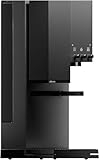
- 1. Three Levels of Automation for Any Skill Level: Choose from Autopilot, Copilot, or Free Solo mode. Autopilot handles the entire brewing process automatically. Copilot provides step-by-step guidance. Free Solo gives you full manual control. This coffee machine works for beginners and professional baristas alike.
- 2. Intuitive User Interface with Tactile Knobs and LED Matrix: The Studio features physical control knobs and a clear LED Matrix display. You can adjust grind size, water temperature, and flow rate in real time without navigating complicated touchscreen menus.
- 3. Full Customization via the xBloom App: Use the xBloom app to create, adjust, save, and share your favorite coffee recipes. Every brewing parameter can be fine-tuned and synced to the machine instantly. Your perfect cup is saved and repeatable.
- 4. Compostable xPod System for Minimal Waste and Maximum Flavor: Each xPod contains carefully selected whole beans and a built-in filter. Tap the recipe card, pour the beans into the grinder, place the pod into the dock, and press start. No capsules, no extra paper filters, no unnecessary waste.
- 5. What Is Included in the Box: The package includes the xBloom Studio, Omni Dripper 2 with Hyperflow Bottom, 10 paper filters, xPod Dock, Magnetic Dosing Cup, default recipe card, quick start guide, cleaning brush, and universal power cord. Everything you need is included.
FAQ
Q: What’s the best brew method for beginners?
A: Drip coffee makers are generally the easiest to use. You add grounds and water, press a button, and walk away. They offer a good balance of convenience and quality.
Q: How important is the coffee maker’s temperature control?
A: It’s very important. Water that’s too cool results in sour coffee, and water that’s too hot can burn the grounds, making it bitter. Aim for 195°F to 205°F.
Q: Should I get a coffee maker with a built-in grinder?
A: It’s convenient, but often a separate burr grinder offers more control over grind size, which is crucial for optimal extraction. Built-in grinders can be a good compromise if space is tight.
Q: Does the type of filter really matter?
A: Yes. Paper filters give a cleaner cup by trapping oils and fine particles. Metal filters let more oils through, resulting in a richer, fuller-bodied coffee.
Q: How often should I clean my coffee maker?
A: You should rinse the carafe and brew basket after every use. Deep cleaning, or descaling, depends on your water hardness and machine usage, but generally every 1-3 months is a good starting point.
Q: What’s the difference between a glass and thermal carafe?
A: Glass carafes are typically placed on a warming plate, which can overcook the coffee. Thermal carafes use insulation to keep coffee hot for hours without direct heat, preserving flavor better.
Q: Is it worth buying an expensive coffee maker?
A: If you’re serious about your coffee and drink it daily, then yes. Higher-end machines offer better temperature control, water distribution, and build quality, all of which contribute to a superior cup.
What This Page Does NOT Cover (and Where to Go Next)
- Specific brand recommendations or model reviews. (Next: Look for reviews of specific models that fit your chosen brew method and budget.)
- Detailed guides on espresso or latte art. (Next: Explore resources dedicated to espresso machines and milk frothing techniques.)
- The science of coffee bean roasting and sourcing. (Next: Dive into coffee bean guides that discuss origin, roast levels, and flavor profiles.)
- Advanced brewing techniques for specific coffee origins. (Next: Seek out specialty coffee blogs and forums for in-depth brewing advice.)
- Maintenance and repair guides for every single model. (Next: Consult the manufacturer’s manual for your specific coffee maker’s care instructions.)