
Best Coffee Grind Size For Drip Coffee Makers
Quick answer
- Medium grind is your sweet spot for most drip coffee makers.
- Think coarse sand or sea salt consistency.
- Too fine, and you’ll get bitter, over-extracted coffee.
- Too coarse, and your coffee will be weak and sour.
- Experimentation is key – slight adjustments make a big difference.
- Always use freshly ground beans for the best flavor.
Who this is for
- Anyone who wants to elevate their morning drip coffee game.
- Home brewers looking to troubleshoot weak or bitter coffee.
- Coffee lovers who are curious about the science behind a good cup.
What to check first
Brewer type and filter type
Your drip machine matters. Most use paper filters, but some have permanent metal ones. Paper filters catch more oils and fines, leading to a cleaner cup. Metal filters let more through, giving a fuller body. Know what you’ve got.
Water quality and temperature
Bad water makes bad coffee, plain and simple. Use filtered water if your tap water tastes off. For drip makers, the ideal temperature is usually between 195-205°F (90-96°C). Most machines aim for this, but older ones might fall short.
Grind size and coffee freshness
This is the main event, right? Freshly roasted beans, ground just before brewing, are king. Stale beans lose their aroma and flavor fast. Grind size is super important, and we’ll dive deep into that.
Coffee-to-water ratio
A good starting point is usually 1:15 to 1:18. That means 1 gram of coffee for every 15-18 grams of water. For a standard 12-cup pot (which is usually around 60 oz), that’s roughly 70-80 grams of coffee. Adjust to your taste.
Cleanliness/descale status
A dirty brewer is a flavor killer. Coffee oils build up, and mineral scale can mess with temperature and flow. Descale your machine regularly according to the manufacturer’s instructions. It’s a game-changer.
Step-by-step (brew workflow)
1. Gather your gear: Get your drip coffee maker, fresh coffee beans, a grinder, filtered water, and your favorite mug.
- What “good” looks like: Everything is clean and ready to go. No stale grounds lingering.
- Common mistake: Using yesterday’s grounds or a dirty carafe. Avoid this by cleaning up after each brew.
To get started, make sure you have your trusty drip coffee maker ready to go. If yours is due for an upgrade, this model is a solid choice for consistent results.
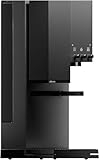
- 1. Three Levels of Automation for Any Skill Level: Choose from Autopilot, Copilot, or Free Solo mode. Autopilot handles the entire brewing process automatically. Copilot provides step-by-step guidance. Free Solo gives you full manual control. This coffee machine works for beginners and professional baristas alike.
- 2. Intuitive User Interface with Tactile Knobs and LED Matrix: The Studio features physical control knobs and a clear LED Matrix display. You can adjust grind size, water temperature, and flow rate in real time without navigating complicated touchscreen menus.
- 3. Full Customization via the xBloom App: Use the xBloom app to create, adjust, save, and share your favorite coffee recipes. Every brewing parameter can be fine-tuned and synced to the machine instantly. Your perfect cup is saved and repeatable.
- 4. Compostable xPod System for Minimal Waste and Maximum Flavor: Each xPod contains carefully selected whole beans and a built-in filter. Tap the recipe card, pour the beans into the grinder, place the pod into the dock, and press start. No capsules, no extra paper filters, no unnecessary waste.
- 5. What Is Included in the Box: The package includes the xBloom Studio, Omni Dripper 2 with Hyperflow Bottom, 10 paper filters, xPod Dock, Magnetic Dosing Cup, default recipe card, quick start guide, cleaning brush, universal power cord, and a 2-Year xbloom brand warranty. Everything you need is included—along with long-term peace of mind.
2. Measure your beans: Weigh out your whole beans based on your desired coffee-to-water ratio. For a 10-cup pot (about 50 oz water), aim for 55-65 grams of coffee.
- What “good” looks like: Accurate measurement ensures consistent results.
- Common mistake: Eyeballing the amount. This leads to weak or too-strong coffee. Use a scale.
3. Grind your beans: Grind the beans to a medium consistency, like coarse sand. Do this just before brewing.
- What “good” looks like: Uniformly sized particles. No fine dust or large chunks.
- Common mistake: Grinding too fine or too coarse. We’ll cover this more.
4. Prepare the filter: Place your paper filter in the brew basket. Rinse it with hot water to remove any papery taste and preheat the brewer. Discard the rinse water.
- What “good” looks like: A clean, well-seated filter. No creases or gaps where water can bypass.
- Common mistake: Forgetting to rinse the paper filter. This can leave a papery taste in your coffee.
5. Add ground coffee: Pour the freshly ground coffee into the rinsed filter. Gently shake the basket to level the grounds.
- What “good” looks like: An even bed of coffee grounds. This promotes even water flow.
- Common mistake: Leaving a mound or depression in the grounds. This causes uneven extraction.
6. Add water: Fill the water reservoir with fresh, filtered water to your desired level.
- What “good” looks like: The correct amount of clean water for your coffee dose.
- Common mistake: Using tap water that tastes funky or not filling the reservoir properly.
7. Start the brew cycle: Turn on your coffee maker.
- What “good” looks like: The machine heats up and begins dripping water over the grounds.
- Common mistake: Forgetting to turn it on! Happens to the best of us after a long night.
8. Monitor the bloom (optional but recommended): Some machines allow you to pause the brew. If yours does, let it drip for about 30 seconds, then pause. This “bloom” releases CO2.
- What “good” looks like: The grounds puff up and release bubbles.
- Common mistake: Not allowing the bloom. This can lead to a less flavorful cup.
9. Resume brewing: Let the coffee maker finish its cycle.
- What “good” looks like: A steady stream of brewed coffee filling the carafe.
- Common mistake: Interrupting the brew cycle too much. Let it run its course.
10. Serve immediately: Once brewing is complete, give the carafe a gentle swirl to mix the coffee. Pour and enjoy.
- What “good” looks like: A hot, aromatic cup of coffee.
- Common mistake: Letting brewed coffee sit on the hot plate for too long. It gets bitter and burnt.
Common mistakes (and what happens if you ignore them)
| Mistake | What it causes | Fix |
|---|---|---|
| Using stale coffee beans | Flat, lifeless flavor; lack of aroma | Buy beans roasted within the last 2-3 weeks and grind fresh. |
| Grinding too fine | Bitter, muddy coffee; clogged filter | Adjust grinder to a coarser setting (medium grind). |
| Grinding too coarse | Weak, sour, watery coffee | Adjust grinder to a finer setting (medium grind). |
| Using poor quality water | Off-flavors; mineral buildup in machine | Use filtered or bottled water. |
| Incorrect coffee-to-water ratio | Coffee too strong or too weak | Use a scale to measure beans and water for consistency. |
| Not cleaning the brewer regularly | Rancid oil taste; slow brewing; poor flavor | Clean your brewer weekly and descale every 1-3 months. |
| Using a paper filter without rinsing | Papery or cardboard taste in the coffee | Rinse paper filters with hot water before brewing. |
| Letting coffee sit on the hot plate | Bitter, burnt, and stale flavor | Transfer coffee to a thermal carafe or drink it soon after brewing. |
| Inconsistent grind size (burr grinder issues) | Uneven extraction, leading to both bitter and sour notes | Ensure your burr grinder is functioning correctly; check for wear. |
| Using pre-ground coffee left out | Significant loss of aroma and flavor compounds | Always grind whole beans right before you brew. |
Decision rules (simple if/then)
- If your coffee tastes bitter, then try a coarser grind because fine grounds over-extract.
- If your coffee tastes weak and watery, then try a finer grind because coarse grounds under-extract.
- If your coffee tastes sour, then try a finer grind because sourness often indicates under-extraction.
- If your coffee tastes muddy, then your grind is likely too fine or your filter is compromised.
- If your coffee has a papery taste, then make sure you’re rinsing your paper filter.
- If your coffee brews very slowly, then your grind might be too fine, clogging the filter.
- If your coffee brews too quickly, then your grind might be too coarse, letting water pass through too fast.
- If your coffee tastes “off” or metallic, then check your water quality or descale your machine.
- If you’re using a new bag of beans, then start with a medium grind and adjust from there.
- If your drip machine is old, then it might not reach optimal brewing temperature, potentially affecting extraction.
- If you prefer a bolder cup, then slightly increase your coffee-to-water ratio (e.g., go from 1:17 to 1:16).
- If you prefer a lighter cup, then slightly decrease your coffee-to-water ratio (e.g., go from 1:17 to 1:18).
FAQ
What is the ideal grind size for a drip coffee maker?
The sweet spot is generally a medium grind, resembling coarse sand or sea salt. This allows for balanced extraction in most automatic drip machines.
Can I use pre-ground coffee for my drip maker?
Yes, but it’s not ideal. Pre-ground coffee loses its freshness much faster than whole beans. If you use it, try to buy it in smaller quantities and use it quickly.
What happens if I grind my coffee too fine for a drip maker?
Grinding too fine will cause the water to flow too slowly through the coffee bed. This leads to over-extraction, resulting in a bitter, harsh, and sometimes muddy-tasting cup of coffee. It can also clog your filter.
What happens if I grind my coffee too coarse for a drip maker?
Grinding too coarse means the water will pass through the coffee bed too quickly. This results in under-extraction, leading to a weak, sour, and watery cup of coffee with very little flavor.
How do I know if my grind size is right?
Your coffee should taste balanced – not too bitter, not too sour, and not watery. Visually, the grounds should look like coarse sand. If you’re getting consistent results, you’re probably doing it right.
Should I buy a blade grinder or a burr grinder?
A burr grinder is highly recommended for drip coffee. It produces a more consistent grind size, which is crucial for even extraction and better flavor. Blade grinders chop beans unevenly.
Does the type of coffee bean affect the grind size?
While the primary grind size recommendation remains medium, some roast levels might benefit from slight adjustments. Darker roasts can be more brittle and might need a slightly coarser grind to avoid bitterness.
How often should I adjust my grind size?
Adjust your grind size if you consistently find your coffee is too bitter or too weak. Small, incremental changes are best. It’s also worth adjusting if you switch to a completely different type of coffee bean or roast level.
What this page does NOT cover (and where to go next)
- Specific recommendations for electric kettle types.
- Detailed explanations of various water filtration systems.
- Advanced brewing techniques like pour-over or Aeropress.
- The science of coffee bean roasting profiles.
- Comparisons of different coffee maker brands or models.