
Aging Paper With Coffee: A Simple Craft Technique
Quick answer
- Coffee is your best friend for that vintage look.
- Use instant coffee for a quick, dark stain.
- Brewed coffee gives a lighter, more natural aged feel.
- Control the darkness by adjusting coffee strength and soak time.
- Blot, don’t rub, for even coloring.
- Dry flat to prevent wrinkles.
- Experiment on scrap paper first.
Who this is for
- Crafters looking to add an aged, vintage vibe to projects.
- Anyone wanting to make new paper look old for journaling or scrapbooking.
- DIY enthusiasts who appreciate a natural, low-cost aging method.
What to check first
Brewer type and filter type
This doesn’t really apply here. We’re not brewing coffee to drink. We’re using the liquid as a dye. So, whether you use a drip machine, French press, or just a mug to steep instant coffee, it’s all good. The goal is just to get dissolved coffee.
Water quality and temperature
For aging paper, tap water is usually fine. You’re not tasting it, so mineral content isn’t a big deal. As for temperature, hot water dissolves coffee grounds or instant coffee faster. But if you’re using brewed coffee, it needs to be cool enough to handle. Room temperature is perfect.
Grind size and coffee freshness
Again, not super critical for this craft. If you’re brewing coffee, a coarser grind might give you a lighter stain if you’re steeping for a short time. Freshness? Nah. Stale coffee works just as well. We’re after the pigment, not the flavor profile.
Coffee-to-water ratio
This is where you get control. More coffee to less water means a darker stain. Think espresso versus a weak drip. For a light antique look, try a tablespoon of instant coffee in a cup of water. For a deep, aged look, double or triple that.
Cleanliness/descale status
Make sure your containers are clean. You don’t want any old coffee residue or soap interfering with the stain. No need to descale anything, though. We’re not heating water in a machine for drinking.
Step-by-step (brew workflow)
1. Gather your supplies. You’ll need paper, coffee (instant or brewed), a container (like a tray or shallow pan), water, and something to blot with (paper towels or a clean cloth).
- What “good” looks like: Everything is ready to go. No scrambling mid-process.
- Common mistake: Forgetting to get enough paper ready. You’ll be stopping to stain more later. Avoid this by laying out all your pieces upfront.
If you’re looking for an all-in-one solution, consider an aging paper kit that often includes various staining agents and tools.
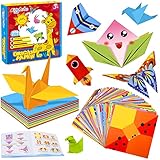
Origami Paper Set, 308PCS Kids Craft Paper Kit with Instructional Book for Girls Age 6,7,8,9,10,11,12, Art Projects Supplies for School Class Craft Lessons- Christmas Birthday Gifts for Boys&Girls
- Colorful Origami Paper Set: Our 308 PCS Kids Origami Paper Set contains 108 double-sided vivid folded paper with 54 different patterns like ice cream, puppy, hat, etc. and 200 practice colored paper in 20 colors,a craft guiding manual. We have everything you need. Colorful and cute origami figures have enough charm, kids will love it!
- Easy to Fold: The origami set has different levels of difficulty, from simple to complex, to guide children step by step. Beginners needn’t worry, the instruction manual shows the steps in great detail and clearly, with images and instructions for each step, easy to follow. If you are an advanced-level crafters, we also have colorful origami paper for you to create. Perfect for playing at home, school or on the go.
- Educational Toys for Kids 6-12 : Children are exposed to paper from the beginning of school, turn an ordinary piece of paper into something else, let them feel the magic of art origami. And keep them entertained for hours without any additional equipment. At the same time, it exercises kids’ hands-on ability, imagination and creativity, and also provides opportunities for parent-child interaction and sharing with friends.
- Safe and Premium: Our colorful origami paper kit is made of high-quality materials, eco-friendly, odor-free and soft edges, safe for kids. The paper is flexible enough to not tear easily and can hold the creases and shape well. Durable and not easy to fade, the box can collect the rest of your unused origami, no mess!
- Ideal Art Craft Gift: Fun art craft supplies for school, classroom crafting activities. Cute origami products can also be used to decorate your room and study. Great economical origami kit. A classic origami game, suitable for Children’s Day gift, birthday gift, Christmas gift, party favors, etc.
2. Prepare your coffee solution. If using instant coffee, mix it with hot water until dissolved. Aim for a strong solution for darker aging. If using brewed coffee, let it cool to room temperature.
- What “good” looks like: A smooth, colored liquid. No undissolved grounds floating around if you can help it.
- Common mistake: Not dissolving instant coffee completely. This leaves gritty spots on your paper. Stir well, or even a quick zap in the microwave (carefully!) can help.
3. Submerge the paper. Carefully lay your paper flat into the coffee solution. Make sure it’s fully saturated.
- What “good” looks like: The paper is completely wet and has sunk into the liquid. No dry spots.
- Common mistake: Folding or creasing the paper as you put it in. This creates unwanted lines. Gently lay it flat, edge by edge.
4. Soak to desired darkness. Let the paper sit in the coffee. A few minutes for a light stain, longer (up to 30 minutes or more) for a deep, old look.
- What “good” looks like: The paper is uniformly colored to your liking.
- Common mistake: Forgetting about it and leaving it in too long. You can always add more time, but you can’t easily take color away. Check it often.
5. Remove the paper. Carefully lift the paper out of the solution. Let excess liquid drip back into the container.
- What “good” looks like: The paper is dripping evenly, not pooling in spots.
- Common mistake: Yanking the paper out too fast. This can tear wet paper. Be gentle and steady.
6. Blot excess moisture. Lay the paper flat on a surface covered with paper towels or a clean cloth. Gently blot the surface to remove excess liquid.
- What “good” looks like: The paper is damp but not soaking wet. The blotter has absorbed a good amount of liquid.
- Common mistake: Rubbing the paper. This can smudge the coffee stain and damage the paper’s surface. Pat or dab gently.
7. Dry the paper. Lay the paper flat on a clean, dry surface, or hang it carefully. Avoid direct heat, which can cause it to wrinkle unevenly.
- What “good” looks like: The paper dries flat and evenly colored.
- Common mistake: Trying to speed dry with a hairdryer on high heat. This often leads to crinkles and an unnatural look. Air drying is best.
8. Repeat for more layers (optional). If you want a deeper, more varied stain, you can repeat steps 3-7. You can also use a brush to apply coffee to specific areas for a more mottled effect.
- What “good” looks like: The paper has a rich, layered look.
- Common mistake: Not letting the first layer dry enough before adding more. This can make the paper too saturated and prone to tearing.
Common mistakes (and what happens if you ignore them)
| Mistake | What it causes | Fix |
|---|---|---|
| Using too little coffee | Faint, uneven color that looks more like a spill. | Use more coffee grounds or instant coffee. Double the strength. |
| Soaking for too short a time | Paper looks barely changed, not aged at all. | Increase soak time. Check every 5-10 minutes. |
| Soaking for too long (weak coffee) | Paper might become too saturated and tear easily. | Remove paper sooner. Use a stronger coffee mix next time. |
| Rubbing the paper while wet | Smudged ink, uneven color, paper damage. | Blot gently. Pat the surface instead of wiping. |
| Drying too quickly with high heat | Wrinkled, crinkled paper that’s hard to work with. | Air dry flat on a protected surface. Use low heat or a fan if needed. |
| Not dissolving instant coffee fully | Gritty spots and uneven color distribution. | Stir thoroughly. Use hot water for dissolving. |
| Using dirty containers or tools | Unwanted splotches or discoloration from other substances. | Always use clean trays, cloths, and water. |
| Not fully saturating the paper | Streaky, uneven color where parts remained dry. | Ensure the entire paper surface is submerged and wet. |
| Not letting paper drip enough | Pooling liquid causes darker spots after drying. | Let excess coffee drip back into the tray before blotting. |
| Using too much water with brewed coffee | Dilutes the stain, making it harder to achieve darkness. | Brew a stronger coffee or use less water in the coffee-to-water ratio. |
Decision rules (simple if/then)
- If you want a light, subtle aged look, then use brewed coffee and soak for only 5-10 minutes because this creates a gentler stain.
- If you need a dark, antique parchment look, then use instant coffee mixed with minimal hot water and soak for 20-30 minutes because this concentrates the pigment.
- If your paper is wrinkling during drying, then try air drying it flat on a mesh screen or between two absorbent cloths because this allows for even moisture release.
- If you see streaks in your color, then re-submerge the paper briefly and blot more evenly because this helps distribute the stain.
- If you want a more varied, mottled look, then dab coffee onto specific areas with a brush after initial submersion because this creates natural-looking imperfections.
- If you’re working with thin, delicate paper, then be extra gentle when removing and blotting because it’s more prone to tearing when wet.
- If you want to achieve a “tea-stained” look, then use weaker brewed coffee or a very dilute instant coffee mixture because this mimics the lighter hue of tea.
- If you want to make the color permanent and prevent smudging later, then ensure the paper is completely dry before handling it for other crafts because residual moisture can reactivate the coffee.
- If you’re staining multiple sheets, then consider using a larger tray or pan so they can lie flat without overlapping too much because this ensures even coloring.
- If you accidentally over-darken a section, then try blotting it immediately with a damp (not wet) cloth to lift some of the color because this can sometimes lighten it.
FAQ
How dark can I make the paper?
You can get it pretty dark, almost black, by using a very concentrated instant coffee solution and soaking for an extended period. Just be mindful that extremely dark paper might become more brittle.
Can I use coffee grounds directly on the paper?
You can, but it’s messier. You’d typically brew a very strong coffee, let the grounds settle, and then use the liquid. Or, you could try dabbing wet grounds onto the paper for a textured effect, but it’s harder to control.
What kind of paper works best?
Most papers will take the stain. Heavier cardstock or watercolor paper will hold up better to the moisture. Thinner papers might wrinkle more.
Will the coffee smell linger?
Yes, there will be a faint coffee aroma. It usually fades over time, especially once the paper is incorporated into a project or sealed.
Can I use this on finished projects?
It’s best to age the paper before you glue, paint, or seal it. Trying to stain something that’s already assembled can lead to uneven results and damage.
How do I avoid watermarks?
Ensure the entire piece of paper is submerged and uniformly wet. After soaking, blot evenly and let it dry flat. Avoid letting liquid pool in one spot.
Can I reuse the coffee solution?
You can, but the color will be weaker each time. It’s good for achieving lighter, layered effects or for less critical projects. For the darkest results, always start with a fresh, strong batch.
What if I want a different color?
This technique is primarily for brown tones. For other colors, you’d need to look into natural dyes or inks.
See also: Understanding Coffee Creamer Flammability Risks.
See also: Dyeing Black Clothes With Coffee A Natural Method.
See also: Coffee Mate And Bloating Exploring The Connection.
What this page does NOT cover (and where to go next)
- Using tea or other natural dyes for different color effects.
- Advanced paper distressing techniques like tearing, sanding, or burning edges.
- Preserving aged paper long-term for archival purposes.
- Specific craft project ideas that utilize aged paper.
- How to seal aged paper to protect it from moisture or fading.