
Adding Alcohol to Your Coffee: Recipes and Tips
Quick answer
- Stick to spirits that complement coffee flavors like whiskey, rum, or brandy.
- Warm your mug before adding the drink.
- Start with a small amount of alcohol, then adjust to your taste.
- Don’t overdo the sugar; let the coffee and spirit flavors shine.
- Consider adding spices like cinnamon or nutmeg for an extra kick.
- Always drink responsibly.
For a classic and warming addition, consider a good quality rum. Its rich notes can beautifully complement your coffee.

- Hardcover Book
- Parragon Books (Author)
- English (Publication Language)
- 192 Pages - 10/11/2022 (Publication Date) - Cottage Door Press (Publisher)
Who this is for
- Anyone looking to elevate their morning or evening coffee routine.
- Home entertainers wanting to impress guests with unique coffee cocktails.
- Coffee lovers curious about new flavor combinations.
What to check first
Brewer type and filter type
Your coffee base matters. A strong, rich brew works best when you’re adding something to it. Whether you’re using a drip machine, French press, or pour-over, make sure your coffee grounds are suited for the method. Paper filters are standard, but metal filters can add a bit more body to your coffee, which can stand up well to alcohol.
Water quality and temperature
Good coffee starts with good water. Filtered water is ideal. For the coffee itself, aim for water that’s around 195-205°F (90-96°C) for optimal extraction. This temperature range is crucial for pulling out the best flavors from your beans, creating a solid foundation for your coffee cocktail.
Grind size and coffee freshness
Freshly ground beans are king. A medium grind usually works well for most brewers. If your coffee tastes stale or bitter, it’s probably not fresh. Use beans roasted within the last few weeks for the best results. Nobody wants a flat base for their spiked coffee.
Coffee-to-water ratio
A general starting point is about 1:15 to 1:18 (coffee to water by weight). For example, use 2 tablespoons of coffee for every 6 oz of water. Too weak, and the alcohol will overpower it. Too strong, and it might be bitter. Dial this in before you start adding spirits.
Cleanliness/descale status
A clean machine means clean flavor. If your brewer has built-up residue or mineral scale, it’ll mess with the taste of your coffee. Regularly descale your machine according to the manufacturer’s instructions. This is non-negotiable for good coffee, spiked or not.
Step-by-step (brew workflow)
1. Brew your coffee.
- What to do: Make a strong, hot cup of coffee using your preferred method.
- What “good” looks like: A rich, aromatic cup of coffee that tastes great on its own.
- Common mistake: Using stale grounds or water that’s not hot enough. Avoid this by using fresh beans and ensuring your water is at the right temperature.
2. Warm your mug.
- What to do: Pour some hot water into your serving mug and let it sit for a minute, then discard the water.
- What “good” looks like: A mug that feels warm to the touch.
- Common mistake: Skipping this step, leading to a lukewarm final drink. A warm mug keeps your coffee hot longer.
3. Add your spirit.
- What to do: Pour your chosen spirit into the warmed mug. A standard pour is usually 1 to 1.5 oz.
- What “good” looks like: The aroma of the spirit mingling with the coffee.
- Common mistake: Adding too much alcohol right away. Start conservative; you can always add more.
4. Add sweeteners (optional).
- What to do: Add sugar, simple syrup, or a sweetener of choice. Start with a small amount, like 1 teaspoon.
- What “good” looks like: A subtle sweetness that balances the coffee and alcohol.
- Common mistake: Drowning the drink in sugar. Let the primary flavors come through.
5. Add cream or dairy (optional).
- What to do: Swirl in a bit of cream, milk, or a dairy alternative.
- What “good” looks like: A smooth, creamy texture and a lighter color.
- Common mistake: Adding cold cream to a hot drink, which can cause separation. Temper it slightly if needed.
6. Add flavorings/spices (optional).
- What to do: A pinch of cinnamon, nutmeg, or a dash of bitters can add complexity.
- What “good” looks like: A hint of spice that complements the other ingredients.
- Common mistake: Overdoing the spices, which can make the drink taste artificial.
7. Stir gently.
- What to do: Stir everything together until well combined.
- What “good” looks like: All ingredients are mixed evenly.
- Common mistake: Vigorous stirring, which can cool the drink down too much or cause spills.
8. Taste and adjust.
- What to do: Take a sip. Does it need more alcohol, sweetness, or cream?
- What “good” looks like: A balanced flavor profile that hits your sweet spot.
- Common mistake: Not tasting and adjusting. This is your drink, make it perfect for you.
9. Garnish (optional).
- What to do: Add a cinnamon stick, whipped cream, or a twist of citrus peel.
- What “good” looks like: A visually appealing finishing touch.
- Common mistake: Using garnishes that don’t complement the flavors.
Common mistakes (and what happens if you ignore them)
| Mistake | What it causes | Fix |
|---|---|---|
| Using stale or poorly brewed coffee | Weak, bitter, or flat-tasting base that can’t support the alcohol | Brew with fresh beans and proper technique; aim for a rich, robust coffee. |
| Not warming the mug | Drink cools too quickly, becoming unappetizing | Pre-warm your mug with hot water to maintain temperature. |
| Adding too much alcohol initially | Overpowers coffee flavor, leading to a harsh or boozy drink | Start with 1 oz, taste, and add more gradually until balanced. |
| Over-sweetening | Masks the nuanced flavors of both coffee and alcohol | Add sweetener incrementally, tasting as you go; simple syrup dissolves better than granulated sugar. |
| Using low-quality spirits | Off-flavors that detract from the overall drink | Opt for decent quality whiskey, rum, brandy, or liqueurs that you’d enjoy on their own. |
| Adding cold cream to hot coffee | Can cause the cream to curdle or separate, creating an unpleasant texture | Temper the cream by whisking it with a little hot coffee before adding it to the main drink. |
| Forgetting to stir properly | Ingredients aren’t evenly distributed, leading to inconsistent flavor | Stir gently but thoroughly to combine all elements. |
| Ignoring the alcohol proof | Misjudging the strength of your drink, leading to unintended potency | Be aware of the alcohol percentage (ABV) of your spirit and adjust your pour accordingly. |
| Using overly complex flavorings | Competes with and detracts from the coffee and spirit notes | Keep added flavors simple and complementary, like cinnamon or a dash of bitters. |
| Not tasting and adjusting | The final drink is unbalanced and not to your personal preference | Taste frequently throughout the process and adjust ingredients as needed. |
| Serving too cold (if not an iced drink) | Reduces aroma and flavor complexity | Ensure your coffee is hot before adding ingredients, and use a warmed mug. |
Decision rules (simple if/then)
- If your coffee tastes bitter, then reduce the amount of coffee grounds or adjust your grind size to be coarser because bitterness often comes from over-extraction.
- If your coffee tastes weak, then increase the coffee-to-water ratio or use a finer grind because weakness usually means under-extraction.
- If you’re using a dark roast coffee, then consider a lighter-bodied spirit like a smooth whiskey or brandy because dark roasts have intense flavors that can clash with heavy spirits.
- If you’re using a lighter roast coffee, then a richer spirit like a dark rum or a coffee liqueur can work well because the lighter roast won’t compete as much.
- If you want a sweeter drink, then use simple syrup instead of granulated sugar because it dissolves instantly and evenly.
- If you’re adding cream, then warm it slightly or temper it with hot coffee first because cold cream can shock the hot liquid and cause separation.
- If you’re unsure about the alcohol amount, then start with 1 oz per serving because you can always add more, but you can’t take it away.
- If you notice separation in your drink, then stir vigorously or add a bit more cream because sometimes it just needs a good mix.
- If you want to enhance the spice notes, then add a cinnamon stick or a star anise pod while the drink is hot because this will infuse the flavors more deeply.
- If you’re sensitive to caffeine, then consider decaf coffee or a smaller serving size because alcohol doesn’t negate the effects of caffeine.
- If your drink tastes too alcoholic, then add a little more coffee or a touch more sweetener because these can help mellow out the alcohol bite.
If you’re using a lighter roast coffee, a rich coffee liqueur can be a fantastic choice to add depth and sweetness.
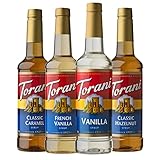
- Coffee Flavor Variety Pack: Perfect for making your own flavored lattes, mochas, cappuccinos and more, this variety pack includes 1 bottle of each: Caramel, French Vanilla, Vanilla and Hazelnut
- Flavoring Syrups: Made with pure cane sugar, natural flavors and cold-filtered water, Torani Original Syrups provide gold-standard flavors and vibrant colors to create amazing drink experiences
- Authentic Coffeehouse Flavor: From caramel to French vanilla to hazelnut—and everything in between—our syrups and sauces are here to help you create tantalizing lattes, cappuccinos, cold brews and frappes
- Find Your Recipe: We are here to help you create tantalizing drinks for every taste, occasion, and mood; Mix up some magic with caramel, lavender, pumpkin pie, hazelnut, chocolate, and many more flavors
- Flavor For All: Discover how Torani can help you make truly creative flavored teas, lemonades, smoothies, milkshakes, Italian sodas, coffees, cocktails, mocktails, snow cones, sparkling waters and more
FAQ
What kind of alcohol goes best with coffee?
Whiskey, rum, brandy, and Irish cream liqueurs are classic pairings. Their warm, rich flavors complement coffee beautifully. Experiment with different types to find your favorite.
How much alcohol should I add?
A good starting point is 1 to 1.5 ounces of spirit per 6-8 oz cup of coffee. Always taste and adjust to your preference.
Can I add alcohol to iced coffee?
Absolutely! Iced coffee cocktails are fantastic. Just make sure your coffee is well-chilled and use a spirit that pairs well with cold beverages.
What if I don’t have a fancy coffee maker?
No worries. Even a simple drip coffee maker or a French press can produce a great base for a coffee cocktail. The key is to brew it strong.
How do I prevent my coffee from getting cold?
Pre-warm your mug, use a high-quality insulated mug, or consider serving your coffee cocktail in a smaller, more potent size.
Are there non-alcoholic ways to spice up my coffee?
Yes! You can add cinnamon, nutmeg, cocoa powder, or flavored syrups like vanilla or caramel for extra flavor without the alcohol.
What’s the best way to sweeten coffee with alcohol?
Simple syrup dissolves best. You can also use brown sugar or maple syrup for added depth of flavor.
What this page does NOT cover (and where to go next)
- Detailed recipes for specific coffee cocktails (e.g., Irish Coffee, Espresso Martini).
- Advanced brewing techniques for espresso-based drinks.
- The science behind coffee and alcohol flavor interactions.
- Specific brand recommendations for spirits or coffee beans.
- Legal or health implications of mixing alcohol and caffeine.