
Achieving the Best Cold Brew Coffee: A Comprehensive Guide
Quick answer
- Use a coarse grind. Think sea salt.
- Stick to a 1:4 coffee-to-water ratio. It’s a solid starting point.
- Let it steep for 12-24 hours. Patience pays off.
- Filter it well. Double filtering is your friend.
- Dilute the concentrate. It’s strong stuff, man.
- Taste and adjust. Your palate is the ultimate guide.
Who this is for
- The home brewer looking to ditch the bitterness and acidity of hot coffee.
- Anyone who wants a smooth, rich coffee concentrate ready to go in the fridge.
- Folks who appreciate a versatile coffee base for iced drinks, cocktails, or even baking.
What to check first
Brewer type and filter type
Most people use a French press, a dedicated cold brew maker, or even just a jar with a fine-mesh strainer. Whatever you’re using, make sure it can handle a coarse grind and can be filtered effectively. Paper filters can clog easily with cold brew grounds, so cloth or metal filters are often preferred.
When choosing your brewing method, ensure it allows for effective filtering. For cold brew, paper filters can clog easily, so reusable cloth coffee filters are often preferred for their durability and eco-friendliness.
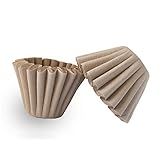
- HIGHT QUILTY - Sturdy sides won't collapse during brewing. This minimizes coffee grounds getting into your coffee.
- SIZE - Made to fit coffee makers from 1 cup up to 4 cup. The dimensions of this filter are: Base Diameter 1.99", Side Height 2.75".
- WIDE COMATIBILITY RANGE-Value pack of 50 counts disposable basket coffee filters.
- EASY CLEAN UP - Disposable filters mean that you can easily throw away without needing to clean out a metal filter.
- APPLICATION - Great for Food Service or office and home use.bring your creativity to DIY beautiful coffee filter flowers.
Water quality and temperature
Use filtered water. Seriously, tap water can add off-flavors. For cold brew, the temperature is, well, cold. Room temperature is fine for steeping, but you’re not aiming for hot water extraction here. Just use what’s readily available.
Grind size and coffee freshness
This is crucial. You want a coarse grind. Think kosher salt or even a bit coarser. Too fine and you’ll get sludge and over-extraction. Freshly roasted beans are always best, but cold brew is a bit more forgiving than hot coffee. Grind right before you brew if you can.
Coffee-to-water ratio
A common starting point is 1:4 by weight. That means 1 part coffee to 4 parts water. For example, 8 oz of coffee to 32 oz of water. This makes a concentrate. You’ll dilute it later. Don’t be afraid to play with this ratio to find your sweet spot.
Cleanliness/descale status
Your brewer needs to be clean. Any old coffee oils will make your cold brew taste stale or rancid. Descale your equipment regularly, especially if you have hard water. A clean slate means clean coffee.
Step-by-step (brew workflow)
1. Measure your coffee. Use a scale for accuracy. A 1:4 ratio is a good starting point for concentrate.
- Good looks like: Precise measurements, ensuring consistency.
- Common mistake: Guessing the amount. This leads to weak or overly strong brews. Avoid it by using a scale.
2. Grind your beans. Aim for a coarse grind, like sea salt.
- Good looks like: Uniform, large particles.
- Common mistake: Using a fine grind. This clogs filters and makes your brew muddy and bitter. Grind coarser than you think.
3. Combine coffee and water. Put your grounds in your brewer and add the measured water.
- Good looks like: All grounds are saturated. Give it a gentle stir to ensure no dry pockets.
- Common mistake: Not saturating all the grounds. Some coffee will be under-extracted. Stir gently after adding water.
4. Steep. Cover your brewer and let it sit at room temperature or in the fridge.
- Good looks like: A patient wait. 12-24 hours is the typical window.
- Common mistake: Rushing the steep time. You won’t get full flavor extraction. Longer is generally better, up to a point.
5. Gently stir (optional, midway). Some people like to give it a gentle stir halfway through steeping.
- Good looks like: A slight disruption of the grounds, not vigorous mixing.
- Common mistake: Stirring too aggressively. This can break up fine particles and lead to a muddy brew.
6. Prepare to filter. Set up your filtering system. A fine-mesh sieve lined with cheesecloth or a paper filter works.
- Good looks like: A clean setup ready to catch the grounds.
- Common mistake: Using a filter that’s too fine for the initial pour. It will clog instantly. Start coarse, then filter finer.
7. Filter the concentrate. Slowly pour the steeped coffee through your filter.
- Good looks like: A steady stream of dark liquid, minimal sediment.
- Common mistake: Pouring too fast. This forces fine particles through the filter. Go slow and steady.
8. Filter again (optional but recommended). For a cleaner brew, filter it a second time through a finer filter, like a paper coffee filter.
- Good looks like: Crystal clear concentrate with no grit.
- Common mistake: Skipping this step. You’ll end up with sediment in your cup. It’s worth the extra effort.
9. Dilute the concentrate. Add water or milk to taste. A 1:1 or 1:2 ratio of concentrate to liquid is common.
- Good looks like: A balanced, drinkable beverage.
- Common mistake: Drinking the concentrate straight. It’s super strong and can be harsh. Dilute it!
10. Serve and enjoy. Pour over ice and add your favorite additions.
- Good looks like: A refreshing, smooth coffee experience.
- Common mistake: Not serving it cold. Cold brew is meant to be cold. Serve over plenty of ice.
Common mistakes (and what happens if you ignore them)
| Mistake | What it causes | Fix |
|---|---|---|
| Using a fine grind | Muddy, bitter coffee; clogged filters; over-extraction | Use a coarse grind (sea salt consistency). |
| Incorrect coffee-to-water ratio | Weak, watery coffee or overly strong, undrinkable concentrate | Start with 1:4 (coffee:water) by weight for concentrate; adjust to taste. |
| Insufficient steep time | Weak, underdeveloped flavor; tastes “sour” rather than smooth | Steep for at least 12 hours, up to 24 hours. |
| Over-steeping | Bitter, over-extracted, sometimes metallic taste | Stick to the 12-24 hour window. Taste it as you go if unsure. |
| Not filtering thoroughly | Gritty, sludgy coffee; sediment in your cup | Filter twice, using a fine-mesh sieve followed by a paper filter if needed. |
| Using poor quality water | Off-flavors that mask the coffee’s natural taste | Use filtered or spring water. |
| Not diluting the concentrate | Extremely strong, harsh coffee that’s hard to drink | Dilute with water, milk, or ice to your preferred strength (start 1:1 or 1:2). |
| Using stale beans or old grounds | Flat, dull flavor; lack of aroma | Use freshly roasted beans and grind them just before brewing. |
| Brewing with hot water | Defeats the purpose of cold brew, resulting in hot coffee extraction | Use room temperature or cold water for steeping. |
| Ignoring cleanliness | Rancid, stale, or off-flavors from old coffee oils | Clean your brewer and filters thoroughly after each use. Descale regularly. |
Decision rules (simple if/then)
- If your cold brew tastes bitter, then you probably used too fine a grind or steeped for too long, because these lead to over-extraction.
- If your cold brew tastes weak, then you likely used too little coffee or didn’t steep long enough, because insufficient grounds or time result in under-extraction.
- If you see a lot of sediment in your cup, then your filtering wasn’t thorough enough, because fine particles passed through your filter.
- If your cold brew concentrate is too strong, then dilute it further with water or milk, because it’s meant to be a concentrate.
- If you want a smoother, less acidic coffee, then cold brew is the way to go, because the cold water extraction process minimizes the release of acids and bitter oils.
- If you’re in a hurry, then cold brew isn’t for you, because it requires a long steeping time.
- If your coffee has an unpleasant “off” flavor, then check your water quality or brewer cleanliness, because these are common sources of unwanted tastes.
- If you prefer a brighter, more complex flavor profile, then hot brewing might be more your speed, because hot water extracts a wider range of volatile compounds.
- If you want to make a large batch, then use a larger container and scale up your coffee and water accordingly, because consistency is key.
- If you want to experiment with different coffee beans, then start with a medium roast, because they often provide a good balance of flavor for cold brew.
- If you find your cold brew concentrate too acidic, then try steeping for a bit longer or using a slightly coarser grind, because these can help mellow out the acidity.
FAQ
How long should I steep my cold brew?
Generally, 12 to 24 hours is the sweet spot. Shorter than that and it might be weak; longer can lead to bitterness.
Can I use any coffee beans for cold brew?
Yes, but medium to dark roasts tend to work well, offering rich, chocolatey notes. Lighter roasts can also be interesting, bringing out more fruity or floral aspects.
What’s the best coffee-to-water ratio?
A common starting point for a concentrate is 1:4 by weight (e.g., 8 oz coffee to 32 oz water). You’ll dilute this later. Adjust to your preference.
Do I need a special cold brew maker?
Nope. A French press, a large jar with a fine-mesh strainer, or even a pitcher with a filter can work. The key is effective filtering.
How do I store cold brew concentrate?
Keep it in an airtight container in the refrigerator. It should last for about 1 to 2 weeks.
Why is my cold brew bitter?
Likely causes are a grind that’s too fine, steeping for too long, or using stale coffee. Double-check your grind size and steep time.
How do I make cold brew less acidic?
Cold brew is naturally less acidic than hot coffee. If it’s still too acidic for you, try a slightly coarser grind or a longer steep time.
Can I use cold brew concentrate in recipes?
Absolutely! It’s fantastic in cocktails, baked goods, or even just as a flavor enhancer in desserts.
What this page does NOT cover (and where to go next)
- Specific recommendations for coffee bean origins or roast profiles.
- Detailed explanations of the chemical compounds involved in coffee extraction.
- Advanced techniques like Japanese-style iced coffee (which involves brewing hot coffee directly over ice).
- Comparisons of different commercial cold brew makers.