
Achieving Fluffy Coffee: The Viral TikTok Method
Quick answer
- Use a quality cold brew maker.
- Freeze strong coffee into ice cubes.
- Blend frozen coffee cubes with a splash of milk or cream.
- Add your favorite sweetener and flavorings.
- Blend until fluffy and airy.
- Serve immediately.
Who this is for
- Coffee lovers who want a fun, visually appealing drink.
- Home baristas looking to experiment with new textures.
- Anyone scrolling TikTok and thinking, “I gotta try that.”
What to check first
Brewer type and filter type
This method starts with cold brew concentrate. Make sure your cold brew maker is clean and uses a filter that lets through a rich, concentrated liquid. Paper filters can sometimes strip out too much. Metal or cloth filters are often better for cold brew concentrate.
Water quality and temperature
Good coffee starts with good water. Use filtered water if your tap water has a strong taste. For cold brew, the water should be cold, obviously. This is key to the slow extraction process.
Grind size and coffee freshness
You’ll need a coarse grind for cold brew. Think breadcrumbs, not sand. Freshly ground beans make a world of difference. Pre-ground coffee can work, but it loses its zing fast.
Coffee-to-water ratio
For cold brew concentrate, you’ll want a higher ratio of coffee to water. A good starting point is 1:4 (coffee to water by weight). So, if you use 4 oz of coffee grounds, use 16 oz of water. This makes a strong base for your fluffy coffee.
Cleanliness/descale status
A clean brewer is a happy brewer. Residue from old coffee can make your new brew taste bitter or off. Run a descaling cycle if your machine recommends it, or give it a good scrub.
Step-by-step (brew workflow)
1. Brew Cold Coffee Concentrate: Add your coarse-ground coffee to your cold brew maker. Pour in cold, filtered water. Stir gently. Let it steep in the fridge for 12-24 hours.
- Good looks like: A dark, rich liquid that smells amazing.
- Common mistake: Rushing the steep time. This results in weak, watery coffee. Let it do its thing.
2. Strain the Concentrate: Pour the steeped coffee through your filter into a clean container. Make sure to get all the liquid out.
- Good looks like: A clear, dark liquid with no grounds.
- Common mistake: Not straining thoroughly. You’ll end up with gritty coffee later.
3. Freeze the Concentrate: Pour the cold brew concentrate into ice cube trays. Freeze until solid. This usually takes at least 4-6 hours.
- Good looks like: Solid, dark coffee cubes.
- Common mistake: Using regular ice cube trays if they’ve held other things. Wash them well or use dedicated coffee trays.
To ensure your coffee cubes freeze perfectly and don’t pick up any unwanted flavors, consider using dedicated ice cube trays. These are often easier to clean and prevent cross-contamination from other items in your freezer.
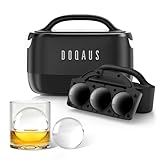
- ✅ Achieve Bar-Quality Clarity with Directional Freezing: Stop settling for cloudy, bubble-filled ice. Our clear ice cube maker utilizes advanced physics to push impurities away, creating 3 crystal-clear spheres and 4 cubes per cycle. It is the secret weapon for the home mixologist wanting presentation-ready drinks without expensive machinery.
- ✅ Preserve Complex Flavors with Slow Dilution: Designed for the purist, this whiskey ice cubes mold produces dense, 2.5-inch ice that melts 40% slower than standard ice. Enjoy your single malt or bourbon chilled but undiluted, ensuring the aromatic profile remains distinct from the first sip to the last.
- ✅ Effortless Release with Premium Hybrid Design: Unlike rigid plastic trays that crack, our flexible silicone ice ball maker mold ensures smooth removal. The non-stick material lets you pop out perfect shapes instantly, making drink preparation seamless for relaxing solo evenings or busy gatherings.
- ✅ Versatile 2-in-1 Capacity for Entertaining: Hosting a cocktail night? This round ice cube mold creates 7 pieces simultaneously, catering to different glass styles. Whether serving an Old Fashioned (sphere) or a Negroni (cube), you will have the right ice shape ready for every guest's preference.
- ✅ The Sophisticated Choice for Gifting: More than just a standard ice mold, this clear ice system is an essential upgrade for any wet bar. Packaged to impress, it creates a tangible experience, making it an ideal gift for fathers, partners, or enthusiasts who value the ritual of a perfectly poured drink.
4. Prepare Your Blender: Grab a sturdy blender. Make sure it’s clean and dry.
- Good looks like: A ready-to-go blender.
- Common mistake: Using a weak blender. It might struggle with frozen cubes.
5. Add Frozen Coffee Cubes: Pop your frozen coffee cubes into the blender. Fill it about halfway to two-thirds full.
- Good looks like: A good amount of coffee ice.
- Common mistake: Overfilling the blender. This can strain the motor and prevent proper blending.
6. Add Liquid Base: Pour in a splash of your chosen liquid. This could be milk, almond milk, oat milk, or even a bit of water. Start with about 2-4 oz.
- Good looks like: Just enough liquid to help things move.
- Common mistake: Adding too much liquid. This will make your coffee more like a regular iced coffee, not fluffy.
7. Add Sweetener & Flavor: Now’s the time for sugar, syrup, or your favorite flavorings. A little goes a long way here.
- Good looks like: Your chosen additions are ready.
- Common mistake: Adding flavors that don’t dissolve well in cold liquids. Stick to syrups or fine powders.
8. Blend Until Fluffy: Start blending on low, then increase speed. Blend until the mixture is thick, airy, and has a mousse-like consistency. This might take 30-60 seconds. You might need to use the tamper if your blender has one.
- Good looks like: A light, frothy, cloud-like texture.
- Common mistake: Not blending long enough. It will be chunky instead of fluffy. Or, blending too long and it melts into liquid.
9. Serve Immediately: Pour your fluffy coffee into a glass. Top with whipped cream or a dusting of cocoa if you’re feeling fancy.
- Good looks like: A beautiful, airy drink.
- Common mistake: Letting it sit too long. It will start to melt and lose its fluffiness. Enjoy it fresh!
Common mistakes (and what happens if you ignore them)
| Mistake | What it causes | Fix |
|---|---|---|
| Using regular brewed coffee | Weak flavor, melts too fast, not concentrated | Brew a proper cold brew concentrate for a strong base. |
| Not freezing cubes solid | Melts too quickly, results in a watery drink | Ensure cubes are fully frozen before blending. |
| Using a weak blender | Inability to break down frozen cubes, motor strain | Use a high-powered blender designed for frozen ingredients. |
| Adding too much liquid base | Dilutes the flavor and fluffiness | Start with a small amount of liquid and add more only if needed. |
| Not blending long enough | Chunky, icy texture, not airy | Blend until the texture is smooth and consistent. |
| Over-blending | Melts the mixture into liquid | Blend just until fluffy, then stop. |
| Using stale or poorly ground coffee | Flat taste, lack of depth | Use fresh, coarse-ground beans for cold brew. |
| Not cleaning the blender thoroughly | Off-flavors, potential contamination | Wash blender parts immediately after use. |
| Using tap water with bad taste | Affects the overall coffee flavor | Use filtered water for a cleaner taste. |
| Skipping the sweetener/flavoring step | Bland or uninspired drink | Add your preferred sweetener and flavorings for taste. |
Decision rules (simple if/then)
- If your cold brew concentrate tastes weak, then increase the coffee-to-water ratio for your next batch because more coffee grounds mean a stronger base.
- If your blender is struggling, then add a tiny bit more liquid base because it needs some help to move the frozen cubes.
- If the texture isn’t fluffy enough, then blend for a bit longer because it needs more air incorporated.
- If the texture is too thin, then you likely added too much liquid base, so reduce it next time.
- If your coffee tastes bitter, then check your cold brew steep time; it might be too long, or the grind might be too fine.
- If you want a richer flavor, then consider using a dark roast coffee for your cold brew base.
- If you’re out of coffee ice cubes, then you can make a strong iced coffee and blend it, but it won’t be as fluffy.
- If you want a dairy-free option, then use oat milk or almond milk as your liquid base.
- If you want a dessert-like drink, then add chocolate syrup and blend it in.
- If your drink melts too fast, then ensure your freezer is at the right temperature and your cubes are fully frozen.
FAQ
What kind of coffee is best for this?
A medium to dark roast works great for cold brew, giving you a rich, bold flavor. Freshly roasted beans, ground coarsely, are ideal.
How long does the fluffy coffee last?
It’s best enjoyed immediately after blending. It starts to melt and lose its fluffiness within minutes.
Can I make this with hot coffee?
This specific TikTok method relies on frozen cold brew concentrate for its unique texture. Hot coffee won’t yield the same fluffy result.
What if I don’t have a cold brew maker?
You can make cold brew by steeping coarse grounds in a jar with cold water for 12-24 hours, then straining it through a fine-mesh sieve lined with cheesecloth.
Is this just a fancy iced coffee?
It’s a bit more involved! The use of frozen cold brew concentrate and specific blending techniques creates a distinct airy, mousse-like texture that’s different from regular iced coffee.
Can I adjust the sweetness and flavor?
Absolutely! This is where you can get creative. Add syrups, sweeteners, extracts, or even a pinch of spice to customize your drink.
What happens if I use pre-ground coffee?
It can work in a pinch, but the flavor won’t be as vibrant. For cold brew, a coarse grind is important, and pre-ground coffee is usually too fine.
What this page does NOT cover (and where to go next)
- Advanced cold brew techniques like specific bloom times or agitation methods.
- Detailed comparisons of different cold brew maker brands.
- Nutritional information for various milk and sweetener additions.
- Recipes for homemade coffee syrups or flavorings.
- The science behind emulsification and foam creation in beverages.