
Achieve Better Flavor: Blooming Coffee in a Drip Maker
Quick answer
- Pre-wet your coffee grounds before the main brew cycle.
- Use just enough hot water to saturate all the grounds.
- Let it sit for 30-60 seconds.
- This releases CO2, leading to more even extraction and better flavor.
- It’s a simple step that makes a big difference.
- Don’t skip this if you want the best cup.
Who this is for
- Home brewers who want to elevate their drip coffee game.
- Anyone who’s noticed their coffee tastes a bit flat or bitter.
- People who already have a drip coffee maker but want more from it.
If you’re looking to upgrade your current setup, consider a high-quality drip coffee maker to enhance your brewing experience.
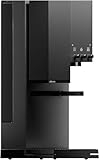
- 1. Three Levels of Automation for Any Skill Level: Choose from Autopilot, Copilot, or Free Solo mode. Autopilot handles the entire brewing process automatically. Copilot provides step-by-step guidance. Free Solo gives you full manual control. This coffee machine works for beginners and professional baristas alike.
- 2. Intuitive User Interface with Tactile Knobs and LED Matrix: The Studio features physical control knobs and a clear LED Matrix display. You can adjust grind size, water temperature, and flow rate in real time without navigating complicated touchscreen menus.
- 3. Full Customization via the xBloom App: Use the xBloom app to create, adjust, save, and share your favorite coffee recipes. Every brewing parameter can be fine-tuned and synced to the machine instantly. Your perfect cup is saved and repeatable.
- 4. Compostable xPod System for Minimal Waste and Maximum Flavor: Each xPod contains carefully selected whole beans and a built-in filter. Tap the recipe card, pour the beans into the grinder, place the pod into the dock, and press start. No capsules, no extra paper filters, no unnecessary waste.
- 5. What Is Included in the Box: The package includes the xBloom Studio, Omni Dripper 2 with Hyperflow Bottom, 10 paper filters, xPod Dock, Magnetic Dosing Cup, default recipe card, quick start guide, cleaning brush, universal power cord, and a 2-Year xbloom brand warranty. Everything you need is included—along with long-term peace of mind.
What to check first
Brewer type and filter type
Your drip maker is the star here. Paper filters are common, but some use metal or cloth. Paper filters absorb more oils, leading to a cleaner cup. Metal and cloth let more oils through, giving a richer body. Know what you’re working with.
Water quality and temperature
Bad water equals bad coffee. Seriously. Use filtered water if your tap water tastes off. For blooming, you want hot water, typically between 195°F and 205°F. Too cool and you won’t get a good bloom. Too hot and you risk scorching the grounds.
Grind size and coffee freshness
Freshly roasted beans are key. Grind them right before you brew. For drip, a medium grind is usually best, like coarse sand. Too fine and water won’t flow well, leading to over-extraction and bitterness. Too coarse, and it’ll be weak.
Coffee-to-water ratio
This is your foundation. A good starting point is 1:15 to 1:18. That means 1 gram of coffee for every 15-18 grams of water. For a standard 12-cup maker, this might be around 60-75 grams of coffee for about 1000 grams (or ml) of water. Adjust to your taste.
Cleanliness/descale status
A dirty machine is a flavor killer. Coffee oils build up, and mineral deposits from water can clog things. Descale your machine regularly. If it’s been a while, give it a good clean. Your coffee will thank you.
Step-by-step: how to bloom coffee in a drip coffee maker
1. Prepare your coffee maker: Ensure it’s clean and has a fresh filter in place. Add your desired amount of coffee grounds to the filter basket.
- What “good” looks like: A clean brew basket with evenly distributed grounds.
- Common mistake: Using a dirty filter or brew basket. Avoid this by rinsing your filter and cleaning your basket after each use.
2. Heat your water: Heat filtered water to the ideal blooming temperature, around 195°F to 205°F.
- What “good” looks like: Water that’s hot but not boiling. If you don’t have a thermometer, let boiling water sit for about 30 seconds.
- Common mistake: Using water that’s too cool or too hot. Too cool won’t bloom effectively; too hot can burn the coffee.
3. Start the bloom: Once the water is ready, carefully pour just enough hot water over the grounds to saturate them completely. You don’t want any dry spots.
- What “good” looks like: All the coffee grounds are wet, and you’ll see them start to expand and bubble a bit. This is the CO2 escaping.
- Common mistake: Pouring too much water at once. This can wash grounds into the carafe or create channels, leading to uneven extraction.
4. Let it bloom: Allow the coffee to sit undisturbed for 30 to 60 seconds. This is the crucial blooming period.
- What “good” looks like: The bubbling subsides, and the grounds look plump.
- Common mistake: Not waiting long enough. If you jump straight to the main brew, you’ll trap CO2 and get a less flavorful cup.
5. Begin the main brew: After the bloom, resume or start the normal brew cycle on your drip coffee maker.
- What “good” looks like: The machine starts dripping coffee into the carafe smoothly.
- Common mistake: Overfilling the water reservoir initially if you’re manually pouring. Ensure you account for the bloom water.
6. Observe the brew: Watch the coffee drip. It should flow at a steady pace.
- What “good” looks like: A consistent flow of coffee, not too fast or too slow.
- Common mistake: The brew is too fast or too slow. This usually points to grind size issues.
7. Finish the brew: Let the entire brew cycle complete.
- What “good” looks like: The machine finishes its cycle, and the coffee is ready.
- Common mistake: Stopping the brew too early. This results in weak coffee.
8. Serve and enjoy: Pour your freshly bloomed coffee and taste the difference.
- What “good” looks like: A balanced, aromatic cup of coffee.
- Common mistake: Letting the coffee sit on a hot plate for too long, which can make it taste burnt.
Common mistakes (and what happens if you ignore them)
| Mistake | What it causes | Fix |
|---|---|---|
| Skipping the bloom | Trapped CO2 leads to uneven extraction, resulting in bitter or sour coffee. | Always pre-wet your grounds for 30-60 seconds before the main brew. |
| Using water that’s too cool | Ineffective CO2 release, poor flavor extraction, weak coffee. | Heat water to 195°F-205°F. If unsure, let boiling water rest for 30 seconds. |
| Using water that’s too hot (boiling) | Can scorch the coffee grounds, leading to a burnt or harsh taste. | Aim for just off the boil (195°F-205°F). |
| Pouring too much water during the bloom | Grounds can wash away, creating channels and uneven extraction. | Use only enough water to saturate all grounds; about twice the weight of the coffee. |
| Not waiting long enough during the bloom | CO2 is still present, hindering proper water-to-coffee contact and extraction. | Wait at least 30 seconds, up to 60 seconds, for the bubbling to subside. |
| Incorrect grind size (too fine) | Water flow is restricted, leading to over-extraction and bitter coffee. | Use a medium grind for drip coffee. Adjust finer only if the brew is consistently weak. |
| Incorrect grind size (too coarse) | Water flows too quickly, leading to under-extraction and weak, sour coffee. | Use a medium grind. Adjust coarser only if the brew is consistently bitter. |
| Using stale coffee beans | Lack of volatile aromatics means less CO2 to release, and flat flavor. | Use freshly roasted beans (within 2-3 weeks of roast date) and grind right before brewing. |
| Not cleaning the coffee maker regularly | Old coffee oils and mineral buildup impart off-flavors. | Descale your machine monthly and clean the brew basket and carafe after each use. |
| Unevenly distributing grounds in the filter | Creates “channels” where water bypasses some grounds, leading to uneven taste. | Gently shake the filter basket to level the grounds after adding them. |
Decision rules (simple if/then)
- If your coffee tastes bitter, then try a slightly coarser grind because too fine a grind causes over-extraction.
- If your coffee tastes weak and sour, then try a slightly finer grind because too coarse a grind causes under-extraction.
- If you notice a lot of channeling (water running through in specific spots), then ensure your grounds are evenly distributed in the filter basket because unevenness leads to inconsistent brewing.
- If your bloom isn’t very bubbly, then check your water temperature to ensure it’s hot enough (195°F-205°F) because cool water won’t release CO2 effectively.
- If your coffee tastes flat even with fresh beans, then ensure you’re using enough coffee relative to water (e.g., 1:17 ratio) because too little coffee leads to a diluted flavor.
- If your bloom is excessively foamy and overflows, then you might be using too much water during the bloom or your coffee is extremely fresh; use slightly less water for the bloom.
- If your drip coffee maker is brewing very slowly, then your grind is likely too fine or the filter is clogged; check both.
- If your coffee maker is dripping very quickly, then your grind is likely too coarse; try a finer grind.
- If your coffee has a burnt taste, then check if your water is too hot or if the coffee has been sitting on a hot plate too long; aim for 195-205°F and remove from heat soon after brewing.
- If you’re just starting out, then begin with a 1:17 coffee-to-water ratio and adjust from there because it’s a good middle ground for most roasts.
FAQ
What exactly is “blooming” coffee?
Blooming is the initial stage of brewing where hot water hits fresh coffee grounds, releasing trapped carbon dioxide (CO2) gas. This process makes the grounds bubble and expand.
Why is blooming important for drip coffee?
Blooming allows the CO2 to escape before the main brew. This prevents it from interfering with water-to-coffee contact, leading to a more even extraction and a better-tasting, less bitter cup.
Can I bloom coffee in any drip maker?
Yes, you can bloom coffee in any drip coffee maker, whether it’s automatic or a pour-over style. The principle is the same: pre-wetting the grounds.
How much water should I use for blooming?
Use just enough hot water to saturate all the coffee grounds evenly. A good starting point is about twice the weight of your coffee grounds.
How long should I let the coffee bloom?
Let the coffee bloom for 30 to 60 seconds. You’ll see it bubble and expand during this time.
What if my coffee doesn’t bubble much during the bloom?
This can happen with older coffee beans that have already degassed. While you might get less visual bloom, the pre-wetting step still helps with even saturation.
Does blooming affect the strength of my coffee?
Blooming itself doesn’t directly change the strength, but it significantly improves the extraction quality. This means you’ll get a more balanced and flavorful cup, which can feel stronger and more satisfying.
Can I skip blooming if I’m in a hurry?
You can, but your coffee will likely suffer. Skipping this step means more CO2 remains, potentially leading to a less optimal flavor profile, often perceived as bitterness.
What this page does NOT cover (and where to go next)
- Specific coffee bean origins and their unique flavor profiles.
- Advanced brewing techniques like espresso or Aeropress.
- Detailed water chemistry and its impact on coffee extraction.
- How to choose the best burr grinder for your needs.