
Coffee And Its Effect On Cortisol Hormone Levels
Quick answer
- Coffee can temporarily increase cortisol levels, especially in the morning or under stress.
- The effect is generally mild and short-lived for most people.
- Tolerance can develop with regular coffee consumption, reducing the cortisol response.
- Your individual stress levels and genetics play a big role.
- For most healthy adults, moderate coffee intake isn’t a major health concern regarding cortisol.
- If you’re sensitive to caffeine or have specific health conditions, it’s worth paying attention.
Key terms and definitions
- Cortisol: A steroid hormone produced by the adrenal glands, often called the “stress hormone.” It plays a role in metabolism, immune response, and regulating blood pressure.
- Caffeine: The natural stimulant found in coffee beans, tea leaves, and other plants. It’s what gives coffee its kick.
- Adrenal Glands: Small glands located on top of each kidney that produce hormones, including cortisol and adrenaline.
- HPA Axis (Hypothalamic-Pituitary-Adrenal Axis): The body’s central stress response system, which regulates cortisol release.
- Circadian Rhythm: Your body’s natural 24-hour sleep-wake cycle. Cortisol levels naturally fluctuate throughout the day, typically peaking in the morning.
- Stress Response: The body’s physiological and psychological reaction to perceived threats or demands.
- Tolerance: A reduced response to a drug or substance after repeated exposure. Your body gets used to it.
- Homeostasis: The tendency of biological systems to maintain a stable, internal environment.
How it works
- Caffeine in coffee stimulates the central nervous system.
- This stimulation can signal the adrenal glands to release cortisol.
- It’s part of the body’s natural “fight or flight” response, even if you’re just waking up.
- The HPA axis is activated, leading to a cascade of hormonal signals.
- This process is similar to how other stressors can trigger cortisol release.
- The effect is usually most pronounced when caffeine is consumed first thing in the morning.
- That’s when your natural cortisol levels are already starting to rise.
- For some, it can feel like an extra boost on top of your morning routine.
If you’re looking to manage your caffeine intake more precisely, consider exploring caffeine supplements. They can offer a controlled way to get your energy boost.
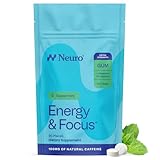
Neuro Energy & Focus Gum, Extra Strength - 100mg Natural Caffeine Gum & Nootropic Energy Supplement with L-Theanine & B Vitamins - Sugar Free, Vegan - Spearmint, 90ct
- Fast-Acting Nootropic - Our energy supplements deliver an extra boost of energy and clarity with a blend of natural caffeine, L-theanine, and vitamin b6 & b12. Your go-to chewing gum for work, exercise, and daily focus!
- Clean Energy - Each piece of our sugar free gum delivers 100mg of natural caffeine from green coffee beans for a smooth energy boost without crashes or jitters.
- The Perfect Balance - With 60mg of L-theanine per piece, our energy and focus formula promotes enhanced focus and stress reduction to smooth energy boosts.
- How to Use - Chew one piece of the caffeine gum whenever focus or energy is lacking. Ideal for mornings, pre-workout, or afternoon slumps. Effects typically kick in within minutes thanks to optimal absorption through the mouth.
- Made by Neuro, Backed by Science - At Neuro, we combine neuroscience with clean, science backed ingredients to help you do more, think better, and feel your best every single day.
What affects the result
- Timing of Consumption: Drinking coffee first thing in the morning can have a more significant impact on cortisol than later in the day. Your body’s natural cortisol rhythm is key here.
- Amount of Caffeine: Higher doses of caffeine are more likely to trigger a cortisol response. A weak brew versus a triple espresso, you know?
- Individual Sensitivity: People vary greatly in how their bodies react to caffeine. Genetics play a role.
- Regularity of Consumption: If you drink coffee daily, your body may develop a tolerance, blunting the cortisol response over time.
- Existing Stress Levels: If you’re already stressed, adding caffeine might amplify the cortisol response. It’s like adding fuel to a fire.
- Hydration: Being dehydrated can sometimes impact hormone regulation, though this is less direct.
- Sleep Quality: Poor sleep can already elevate cortisol, and caffeine might exacerbate this.
- Diet: What you eat with your coffee can influence absorption and metabolism.
- Genetics: Certain genetic variations affect how your body metabolizes caffeine and responds to stress.
- Health Conditions: Conditions like adrenal fatigue or anxiety disorders can make you more sensitive to caffeine’s effects.
- Medications: Some medications can interact with caffeine or affect cortisol levels. Always check with your doc.
- Time of Day: Beyond the morning peak, consuming caffeine late in the day can disrupt sleep, which indirectly affects cortisol.
Pros, cons, and when it matters
- Pro: Temporary Energy Boost: The cortisol release contributes to the alertness and energy you feel after drinking coffee. It’s why we reach for it.
- Con: Can Exacerbate Anxiety: For some individuals, the cortisol spike can increase feelings of nervousness or jitteriness.
- Matters For: Morning Rituals: If you find your mornings are already a rush, adding coffee might make you feel more wired.
- Pro: Potential Cognitive Benefits: Caffeine’s stimulant effects, partly mediated by cortisol, can enhance focus and cognitive function in the short term.
- Con: Sleep Disruption: Elevated cortisol, especially later in the day, can interfere with sleep quality.
- Matters For: Stress Management: If you’re already dealing with chronic stress, consciously managing caffeine intake might be beneficial.
- Pro: Improved Physical Performance: Cortisol can mobilize energy stores, which may benefit athletes.
- Con: Hormonal Imbalance Concerns: For those with specific endocrine issues, understanding coffee’s impact is crucial.
- Matters For: Caffeine Sensitivity: If you’re a known “caffeine sensitive” person, even a small cup might be too much.
- Pro: Social and Cultural Enjoyment: Coffee is a huge part of many people’s lives and social interactions.
- Con: Tolerance Buildup: Over time, the cortisol-raising effect might diminish, requiring more coffee for the same perceived boost.
- Matters For: Sensitive Individuals: People with certain medical conditions or on specific medications should consult a healthcare professional.
Common misconceptions
- Myth: Coffee always causes dangerously high cortisol. False. For most, it’s a temporary, mild increase.
- Myth: Decaf coffee has no effect on cortisol. Incorrect. While caffeine is the primary driver, other compounds in coffee might have minor effects.
- Myth: You must avoid coffee if you have high cortisol. Not necessarily. It depends on your individual response and overall lifestyle.
- Myth: The cortisol effect is permanent. Generally not. Tolerance develops, and the effect is usually short-lived.
- Myth: Only stressed people need to worry about coffee and cortisol. Anyone can experience a cortisol response, though it’s more noticeable when already stressed.
- Myth: Coffee is bad for your hormones, period. It’s more nuanced. Moderate consumption is fine for most.
- Myth: The morning coffee effect is solely due to caffeine. While caffeine is the main player, other factors in coffee might contribute slightly.
- Myth: If you don’t feel jittery, your cortisol isn’t rising. You can have a physiological response without feeling overt symptoms.
- Myth: Cortisol from coffee is the same as chronic stress cortisol. The duration and intensity differ. Coffee’s effect is typically acute.
FAQ
- Does coffee make your cortisol levels go up? Yes, coffee can temporarily increase cortisol levels, especially when consumed in the morning or by individuals sensitive to caffeine.
- How long does the coffee-induced cortisol spike last? The effect is usually temporary, lasting a few hours after consumption.
- Will drinking coffee every day raise my cortisol permanently? Typically, no. Regular consumption often leads to tolerance, reducing the cortisol response over time.
- Is it bad if coffee raises my cortisol? For most healthy individuals, a temporary, mild increase is not a cause for concern. It becomes more relevant if you have existing stress issues or sensitivities.
- Should I avoid coffee if I’m trying to lower my cortisol? It might be beneficial to reduce or time your intake carefully, especially if you notice it affects your stress levels or sleep.
- Does the type of coffee matter (e.g., espresso vs. drip)? While caffeine content varies, the primary effect on cortisol is driven by caffeine. A stronger brew will have more caffeine.
- What’s the best time to drink coffee to minimize cortisol impact? Waiting a few hours after waking up, after your natural cortisol peak, might lessen the impact.
- Are there alternatives to coffee that don’t raise cortisol? Herbal teas or decaffeinated coffee are options, though decaf can still have minor effects for some.
What this page does NOT cover (and where to go next)
- Detailed biological mechanisms of cortisol regulation.
- Specific genetic markers influencing caffeine metabolism.
- Medical advice for managing diagnosed endocrine disorders.
- Comprehensive nutritional plans for stress reduction.
- The impact of coffee on other hormones beyond cortisol.