
How Coffee Can Improve Your Mood and Well-being
Quick answer
- Coffee can definitely make you feel better. It’s not just your imagination.
- The caffeine is the main player, acting as a stimulant.
- It can boost alertness and reduce fatigue. This alone is a mood lifter.
- Coffee also has antioxidants, which are good for your overall health.
- The ritual of making and drinking coffee can be calming.
- For many, it’s a pleasant sensory experience.
Key terms and definitions
- Caffeine: A natural stimulant found in coffee beans. It affects the central nervous system.
- Adenosine: A neurotransmitter that promotes relaxation and sleepiness. Caffeine blocks its receptors.
- Dopamine: A neurotransmitter associated with pleasure and reward. Caffeine can increase its release.
- Antioxidants: Compounds that protect cells from damage. Coffee is a good source.
- Stimulant: A substance that increases activity in the brain and nervous system.
- Placebo effect: A beneficial effect produced by a placebo drug or treatment, which cannot be attributed to the properties of the placebo itself, and must therefore be assumed to be the result of the patient’s belief in that treatment.
- Cortisol: A stress hormone. Caffeine can temporarily increase cortisol levels.
- Neurotransmitter: A chemical messenger that transmits signals from a nerve cell across a synapse to a target cell.
- Bioavailability: The proportion of a drug or other substance which enters the circulation when introduced into the body and so has an active effect.
- Roasting: The process of heating coffee beans to develop their flavor and aroma.
How it works
- When you drink coffee, caffeine gets absorbed into your bloodstream.
- From there, it travels to your brain.
- In the brain, caffeine blocks adenosine receptors. Adenosine makes you feel tired. By blocking it, caffeine keeps you from feeling that tiredness.
- This blocking action can also lead to an increase in other neurotransmitters, like dopamine and norepinephrine.
- Dopamine is linked to pleasure and motivation. That’s a big part of why coffee feels good.
- Norepinephrine is a stimulant that can increase alertness and focus.
- The physical act of brewing and sipping can be a mindful moment. It’s a little break in the day.
- The aroma itself is often pleasant and can trigger positive associations.
- For some, the warmth of the mug is comforting.
- It’s a complex interplay of chemistry and psychology.
The physical act of brewing and sipping can be a mindful moment, especially when enjoyed from a comfortable coffee mug. It’s a little break in the day.
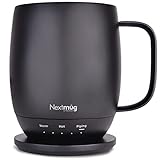
- ALWAYS THE PERFECT TEMPERATURE – The Nextmug will keep your hot coffee, tea or preferred beverage at the perfect temperature wherever you are. Simply select Warm (130° F), Hot (140° F), or Piping (150° F) and enjoy for hours.
- SMART MUG TECHNOLOGY – Long-lasting battery maintains your ideal temperature. LED lights display battery life & real-time temperature. Includes Spill-Resistant Lid & Charging Coaster.
- SUPER SIMPLE – On-board Control Button easily turns mug On/Off & sets the temperature. Takes only seconds to set the mug to your perfect temperature. No app required - no passwords, re-booting or security concerns.
- THE PERFECT GIFT - Give the gift for him and the gift for her that is certain to delight. Perfect for everyone on your list…moms, dads, grandmas, grandpas, teachers, birthdays, graduations and more!
- NEXTMUG CARES - Nextmug cares about our communities and our customers. We care by donating Nextmugs to teachers and first responders . We’re also committed to sustainable packaging by using 100% recyclable materials with all our products. Our dedicated customer service agents are based in the USA and always ready to help.
What affects the result
- Caffeine content: Different beans and brewing methods yield varying caffeine levels. Darker roasts often have less caffeine than lighter ones, surprisingly.
- Your individual sensitivity: Some folks are wired differently. What makes one person jumpy might just perk up another.
- How much you drink: Too much can lead to jitters and anxiety, which definitely don’t make you feel better.
- Time of day: Drinking coffee too late can mess with your sleep, which impacts mood the next day.
- What you add: Sugar and cream can add calories and affect your energy levels differently than black coffee.
- Freshness of the beans: Stale beans lose some of their complexity and aroma, which can impact the overall experience.
- Brewing method: Espresso, drip, French press – they all extract compounds differently, affecting taste and potency.
- Water temperature: Too hot can scorch the grounds, leading to a bitter taste. Too cool won’t extract enough flavor. Aim for around 195-205°F.
- Grind size: Matching the grind to your brewer is key for proper extraction.
- Your current mood and stress levels: Coffee can amplify existing feelings. If you’re already stressed, it might make it worse.
- Your diet: What else you’ve eaten can influence how your body processes caffeine.
- Hydration: Being dehydrated can make caffeine feel harsher.
Pros, cons, and when it matters
- Pro: Increased alertness and focus. Great for tackling tasks or powering through a morning slump.
- Con: Jitters and anxiety. Too much caffeine can make you feel restless and on edge.
- Pro: Improved mood. The dopamine boost can make you feel happier and more optimistic.
- Con: Sleep disruption. Drinking coffee late can lead to insomnia, which is a major mood killer.
- Pro: Antioxidant benefits. Regular, moderate consumption is linked to potential long-term health advantages.
- Con: Digestive issues. Some people experience heartburn or stomach upset.
- Pro: The ritual itself. The act of preparing and enjoying coffee can be a moment of calm and self-care.
- Con: Dependence and withdrawal. Skipping your usual cup can lead to headaches and irritability.
- Pro: Enhanced physical performance. Caffeine is a known ergogenic aid for athletes.
- Con: Increased heart rate and blood pressure. This is usually temporary but can be a concern for some.
- When it matters: Before a big meeting, during a long drive, or when you just need a little pick-me-up.
- When to be cautious: If you’re already feeling anxious, pregnant, or have a heart condition.
Common misconceptions
- Myth: Dark roast coffee has more caffeine. Actually, lighter roasts often retain more caffeine. It’s the bean density and roasting time.
- Myth: Coffee is dehydrating. While it has a mild diuretic effect, it’s generally not enough to cause significant dehydration when consumed in moderation.
- Myth: Coffee is inherently “bad” for you. For most people, moderate coffee consumption is linked to health benefits, not harm.
- Myth: You need to drink it black for health benefits. While sugar adds calories, the core benefits of coffee come from the compounds in the bean itself.
- Myth: Coffee makes you crash harder. While caffeine wears off, the “crash” is often more about a return to normal energy levels after a temporary boost, or influenced by sugar intake.
- Myth: All coffee is the same. The origin, roast, and brewing method create vastly different experiences and effects.
- Myth: You can “sweat out” a caffeine overdose. You can’t. Hydration is good, but it won’t magically remove excess caffeine.
- Myth: Coffee stunts your growth. This is an old wives’ tale with no scientific basis.
- Myth: Instant coffee is just as good. It’s processed differently and generally lacks the nuanced flavor and aroma of brewed coffee.
- Myth: Coffee is addictive like a hard drug. While caffeine can lead to dependence, it’s not considered an addiction in the same severe sense as illicit substances.
FAQ
Does coffee really make you feel happier?
Yes, it can. Caffeine boosts neurotransmitters like dopamine, which are linked to pleasure and reward, giving you a temporary mood lift.
How much coffee is too much?
For most healthy adults, up to 400 milligrams of caffeine per day (about 4 cups of brewed coffee) is considered safe. More than that can lead to negative side effects.
Can coffee help with focus?
Absolutely. By blocking adenosine and increasing alertness, coffee can significantly improve concentration and cognitive function.
Is there a best time of day to drink coffee?
Generally, mid-morning is ideal. Drinking it too early might interfere with your body’s natural wake-up process. Avoid it late in the afternoon or evening if you’re sensitive to sleep disruption.
Does coffee have any health benefits beyond mood?
Yes, coffee is packed with antioxidants and has been linked to a reduced risk of certain diseases, like type 2 diabetes and Parkinson’s.
What if I get the jitters after drinking coffee?
This means you might be sensitive to caffeine or have had too much. Try drinking less, switching to a lower-caffeine option, or making sure you’re well-hydrated.
Can coffee help with exercise performance?
Definitely. Caffeine can improve endurance, reduce perceived exertion, and boost power output. It’s a common pre-workout drink for a reason.
Does adding milk and sugar negate the benefits?
Not entirely. While they add calories and can impact your energy levels differently, the core benefits from the coffee itself remain. However, excessive sugar can lead to energy crashes.
What’s the difference between caffeine and coffee?
Caffeine is the active compound in coffee that provides the stimulant effect. Coffee is the beverage made from roasted coffee beans, which contains caffeine along with many other flavor compounds.
Can coffee make you feel tired later?
While caffeine blocks tiredness temporarily, once it wears off, you might feel your usual level of fatigue returning, or even a slight dip if you’re not used to it or had a lot.
What this page does NOT cover (and where to go next)
- Specific health conditions and how coffee might affect them. (Consult a doctor for personalized advice).
- Detailed comparisons of specific coffee bean origins and their flavor profiles. (Explore specialty coffee resources).
- The science behind advanced brewing techniques like pour-over or siphon. (Look into home barista guides).
- The history of coffee cultivation and trade. (Dive into coffee history books or documentaries).
- Recipes for coffee-based drinks beyond simple additions. (Search for coffee recipe collections).