
Does Coffee Help With Weight Loss?
Quick answer
- Coffee contains caffeine, a natural stimulant.
- Caffeine can boost your metabolism temporarily.
- It may also help burn fat for energy.
- But it’s not a magic bullet for weight loss.
- Healthy diet and exercise are still key.
- Black coffee has zero calories. Additives can pack on pounds.
Key terms and definitions
- Metabolism: The process your body uses to convert food and drink into energy.
- Caffeine: A stimulant found naturally in coffee beans, tea leaves, and cocoa beans.
- Thermogenesis: The process where your body generates heat, burning calories.
- Fat Oxidation: The process of breaking down stored fat for energy.
- Basal Metabolic Rate (BMR): The number of calories your body burns at rest.
- Appetite Suppressant: Something that reduces the feeling of hunger.
- Adipose Tissue: Body fat.
- Insulin Sensitivity: How well your cells respond to insulin, a hormone that regulates blood sugar.
- Chlorogenic Acids: Antioxidants found in coffee that may have health benefits.
- Empty Calories: Calories from food or drink that provide little to no nutritional value.
How it works
- Coffee’s main player is caffeine. It’s a stimulant.
- Caffeine hits your nervous system. It tells your brain to release adrenaline.
- Adrenaline signals your fat cells to break down fat. This releases fatty acids into your bloodstream.
- Your body can then use these fatty acids for fuel. Think of it as tapping into your energy reserves.
- Caffeine can also give your metabolism a little nudge. It might temporarily increase your resting metabolic rate. This means you burn a few more calories even when chilling.
- Some studies suggest caffeine can increase thermogenesis. That’s your body producing heat, which burns calories.
- It might also play a role in appetite suppression. You might feel less hungry after a cup.
- But these effects are usually short-lived. They aren’t a substitute for a solid diet.
If you’re sensitive to coffee but still want the metabolic boost, consider a high-quality caffeine supplement. These can offer a controlled dose without the coffee jitters.
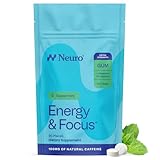
- Fast-Acting Nootropic - Our energy supplements deliver an extra boost of energy and clarity with a blend of natural caffeine, L-theanine, and vitamin b6 & b12. Your go-to chewing gum for work, exercise, and daily focus!
- Clean Energy - Each piece of our sugar free gum delivers 100mg of natural caffeine from green coffee beans for a smooth energy boost without crashes or jitters.
- The Perfect Balance - With 60mg of L-theanine per piece, our energy and focus formula promotes enhanced focus and stress reduction to smooth energy boosts.
- How to Use - Chew one piece of the caffeine gum whenever focus or energy is lacking. Ideal for mornings, pre-workout, or afternoon slumps. Effects typically kick in within minutes thanks to optimal absorption through the mouth.
- Made by Neuro, Backed by Science - At Neuro, we combine neuroscience with clean, science backed ingredients to help you do more, think better, and feel your best every single day.
What affects the result
- Coffee Type: Black coffee is your friend. Lattes, mochas, and frappuccinos? Not so much. Those add sugar and fat, piling on calories.
- Additives: Cream, sugar, syrups, whipped cream – they all add up fast. They can turn a calorie-free drink into a dessert.
- Amount Consumed: Drinking a cup or two is one thing. Downright chugging pots all day might lead to jitters and sleep issues, which aren’t good for weight management.
- Individual Sensitivity: We all react differently to caffeine. Some folks get a big metabolic boost, others barely notice. Genetics play a role here.
- Tolerance: If you drink coffee daily, your body might get used to the caffeine. The metabolic effects might become less pronounced over time.
- Timing: Drinking coffee before a workout might help you push harder, burning more calories. Morning coffee might also kickstart your metabolism for the day.
- Dietary Habits: Coffee alone won’t shed pounds if you’re still eating junk. It needs to be part of a balanced approach.
- Exercise Routine: Pairing coffee with physical activity can enhance fat burning. The caffeine provides energy for longer, more intense workouts.
- Sleep Quality: Poor sleep messes with hormones that control appetite and metabolism. Coffee can’t fix bad sleep.
- Hydration: Drinking enough water is crucial for metabolism. Don’t let coffee replace your water intake.
- Genetics: Some people are “fast metabolizers” of caffeine, others are “slow.” This impacts how long and how strongly it affects them.
- Overall Health: Underlying health conditions can influence how your body responds to coffee and processes food.
Pros, cons, and when it matters
- Pro: Calorie-Free Base: Black coffee has virtually zero calories. A great base for a morning ritual.
- Con: Sugar & Fat Trap: Adding milk, sugar, and syrups turns it into a calorie bomb. This actively works against weight loss.
- Pro: Metabolism Boost: Caffeine can temporarily increase your metabolic rate. A little extra calorie burn.
- Con: Temporary Effect: The boost is short-lived. Don’t rely on it for long-term weight management.
- Pro: Fat Burning Aid: May help mobilize stored fat for energy, especially before exercise.
- Con: Not a Fat Burner: It doesn’t directly melt fat off your body. It just helps your body access it.
- Pro: Appetite Suppression: Some people feel less hungry after coffee. This can help manage calorie intake.
- Con: Can Cause Jitters/Anxiety: Too much caffeine can lead to unpleasant side effects that aren’t helpful for overall well-being.
- Pro: Enhances Exercise Performance: Gives you more energy to tackle workouts, leading to more calories burned.
- Con: Sleep Disruption: Drinking coffee too late can mess with your sleep, which is bad for weight loss.
- Pro: Antioxidants: Coffee contains beneficial compounds that are good for your health overall.
- Con: Addiction/Withdrawal: Relying heavily on coffee can lead to dependence and withdrawal headaches.
- When it Matters: Coffee matters most when consumed black or with minimal, healthy additions. It matters when used to fuel workouts or as part of a mindful eating plan. It doesn’t matter if it’s loaded with sugar and cream.
While coffee offers a temporary boost, a dedicated metabolism booster can provide sustained support for your body’s calorie-burning processes. Look for one with natural ingredients.

- Metabolism Makeover: With regular use, URO Metabolism + Probiotic Support Capsules help support metabolism, curb cravings, and support a healthy gut balance.*
- Science-Backed Ingredients: Activate your metabolism and curb cravings with clinically-studied doses of chromium picolinate, caffeine, green coffee bean extract and B. lactis Fit probiotics.*
- Just One a Day: Take 1-2 capsules once daily, or as directed by a healthcare professional. Use in conjunction with a healthy diet and regular exercise.
- Our Happiness Commitment: URO Metabolism + Probiotic Support Capsules are only made with the good stuff: including the highest quality ingredients that are 100% vegan, third-party tested, gluten-free, non-GMO, and sugar-free. If you don’t love these supplements within 30 days, we’ll be happy to help!
- Who Is O Positiv?: Our proactive, symptom-targeting products make habit-based health easy. It’s not magic, it’s science—across periods & menopause, vaginal & digestive health, O Positiv makes supplements right here in the U.S.A. with research-backed ingredients for results you can feel.
Common misconceptions
- Myth: Coffee melts fat. Nope. It helps your body access fat for fuel, but it doesn’t magically dissolve it.
- Myth: Coffee is a miracle weight loss drink. It’s a tool, not a solution. Diet and exercise are the real heavy lifters.
- Myth: All coffee is healthy for weight loss. Only if it’s black. Those fancy coffee shop drinks are loaded with sugar and fat.
- Myth: You can drink unlimited coffee. Too much caffeine can cause jitters, anxiety, and sleep problems. Not good for your body or your weight goals.
- Myth: Caffeine is the only good thing in coffee. Chlorogenic acids and other antioxidants are also present and have health benefits.
- Myth: Coffee dehydrates you. While it has a mild diuretic effect, the water in coffee usually offsets it. Staying hydrated is still key, though.
- Myth: Coffee boosts metabolism forever. The effect is temporary. Don’t expect it to keep burning calories all day long.
- Myth: If you drink coffee, you don’t need to exercise. Exercise is fundamental for weight loss and overall health. Coffee is just a potential helper.
- Myth: Cold brew is inherently better for weight loss. The brewing method doesn’t significantly impact its calorie content or weight loss potential. It’s what you add to it.
- Myth: Coffee makes you lose weight by making you poop. While it can stimulate bowel movements, this isn’t a significant factor in actual fat loss.
FAQ
- Can coffee make me lose weight?
Coffee, specifically the caffeine in it, can temporarily boost your metabolism and help your body use fat for energy. However, it’s not a magic solution and works best as a supplement to a healthy diet and exercise plan.
- How much coffee should I drink for weight loss?
Most studies suggest 1-3 cups of black coffee per day. Too much can lead to side effects like jitters and sleep disruption, which can hinder weight loss efforts. Always listen to your body.
- What’s the best time to drink coffee for weight loss?
Drinking coffee 30 minutes to an hour before a workout can help you perform better and burn more calories. Morning coffee can also give your metabolism a gentle start to the day. Avoid it too close to bedtime.
- Does adding milk and sugar to coffee ruin its weight loss benefits?
Yes, it absolutely can. Milk, cream, sugar, and syrups add calories, fat, and sugar, which can quickly turn a zero-calorie drink into a calorie-dense one, working against your weight loss goals.
- Will coffee suppress my appetite?
For some people, caffeine can temporarily reduce feelings of hunger. This might help you consume fewer calories overall, but the effect varies from person to person.
- Is decaf coffee also good for weight loss?
Decaf coffee still contains some beneficial antioxidants, but it lacks the caffeine that provides the metabolic and fat-burning boost. It’s a good option if you want to avoid caffeine’s side effects, but it won’t offer the same potential weight loss advantages.
- Can I replace meals with coffee?
Absolutely not. Coffee is a beverage and does not provide the essential nutrients your body needs. Replacing meals with coffee is unhealthy and unsustainable for weight loss.
- What about coffee with MCT oil or butter (bulletproof coffee)?
While some people use it for energy, bulletproof coffee is very high in calories due to the added fat. It can be filling but might not be the best choice for straightforward calorie reduction for weight loss unless carefully managed within your daily intake.
What this page does NOT cover (and where to go next)
- Specific coffee blends or roasts for optimal flavor. Explore different beans and brewing methods for taste.
- Detailed nutritional breakdowns of various coffee drinks. Check the menu or brand websites for specific details.
- The long-term health effects of high caffeine consumption. Consult a healthcare professional for personalized advice.
- Recipes for coffee-based weight loss diets. Focus on balanced nutrition first.
- Specific exercise routines to pair with coffee. Find a fitness plan that suits your lifestyle.