
Brewing Coffee With Chicory: A Flavorful Alternative
Quick answer
- Chicory root, roasted and ground, can be brewed like coffee.
- It offers a bold, slightly bitter flavor, often with earthy or chocolatey notes.
- It’s naturally caffeine-free, a big plus for some.
- You can brew it solo or blend it with coffee beans for a unique taste.
- Start with a coarser grind than espresso, similar to drip coffee.
- Experiment with ratios; 1:15 chicory to water is a good starting point.
Who this is for
- Anyone looking for a caffeine-free coffee alternative.
- Coffee lovers wanting to explore new, earthy flavors.
- Campers and hikers who want a robust brew without the jitters.
If you’re looking for a caffeine-free coffee alternative, chicory is an excellent choice. It provides a rich, satisfying flavor without the jitters.
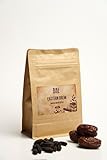
- CLOSE TO COFFEE TASTE: Experience a delightful Turkish-style sip with this coffee substitute; its flavor profile is made from healthy date seeds but resembles traditional coffee; perfect for those seeking a non coffee alternative
- CAFFEINE-FREE DELIGHT: Enjoy the rich aroma crafted from decaffeinated date seeds, you can enjoy the delicious taste of coffee without compromising on taste or experiencing side effects from caffeine
- VEGAN FRIENDLY CHOICE: Our herbal beverage is ideal for vegans or those following a plant-based diet; enjoy the closer-to-coffee taste without any animal products
- EASY TO MAKE: Our coffee alternative is made just like regular Turkish coffee; simply add one to two teaspoons of our ground Eastern Brew to your cezve filled with water for a perfect brew
- ORGANIC & HEALTHY: A healthy coffee alternative, date seeds are a natural source of antioxidants and polyphenols, which may help promote heart health; gluten-free, no artificial ingredients, colors, or flavors
What to check first
Brewer type and filter type
Your brewing method matters. French press? Pour-over? Drip machine? Each has its sweet spot for chicory. A coarser grind works well for immersion methods like French press, while a medium grind is better for drip or pour-over. Paper filters can sometimes trap finer chicory particles, leading to a muddier cup. Metal filters or cloth filters might let more of that earthy goodness through.
Water quality and temperature
Just like with coffee, good water makes good chicory. Filtered water is always the way to go. Aim for water that’s just off the boil, around 195-205°F (90-96°C). Too hot, and you risk scorching that roasted root. Too cool, and you won’t extract enough flavor.
Grind size and coffee freshness
Chicory, when roasted, is brittle. You’ll want a grind size that suits your brewer. For most methods, think medium to coarse, like you’d use for drip coffee. If you buy whole roasted chicory root, grind it just before brewing. Pre-ground stuff loses its punch fast, just like coffee.
Coffee-to-water ratio
This is where you get to play. A good starting point for straight chicory is around a 1:15 ratio of chicory to water by weight. So, for every 15 grams of water, use 1 gram of chicory. If you’re blending with coffee, adjust based on how much coffee flavor you want to retain.
Cleanliness/descale status
This is non-negotiable. Any residual coffee oils or mineral buildup will make your chicory brew taste… well, not great. Give your brewer a good clean and descale it if needed. A clean brewer means the true flavor of the roasted chicory can shine.
Step-by-step (brew workflow)
Here’s how to brew a solid cup of chicory, assuming you’re using a pour-over method. Adjustments for other brewers are minor.
1. Heat your water. Get it to that sweet spot, 195-205°F (90-96°C).
- What “good” looks like: Water is steaming, but not a rolling boil.
- Common mistake: Using boiling water. This can scald the chicory and make it bitter. Let it sit for 30-60 seconds after boiling.
2. Prepare your filter. Place your paper or cloth filter in the brewer. Rinse it thoroughly with hot water.
- What “good” looks like: The filter is wet and any papery taste is gone.
- Common mistake: Not rinsing the filter. This can leave a papery taste in your cup.
3. Add your chicory. Measure your roasted chicory and add it to the filter. A good starting point is about 2 tablespoons per 6 oz of water.
- What “good” looks like: The chicory is evenly distributed in the filter.
- Common mistake: Tamping down the chicory. This can restrict water flow. Just let it settle naturally.
4. Bloom the chicory. Pour just enough hot water over the grounds to saturate them. Wait about 30 seconds.
- What “good” looks like: The grounds puff up and release CO2, looking bubbly.
- Common mistake: Skipping the bloom. This helps release trapped gases for a more even extraction.
5. Begin pouring. Pour the remaining water slowly and steadily in a circular motion, starting from the center and moving outward.
- What “good” looks like: A consistent, controlled pour. Avoid pouring directly down the sides of the filter.
- Common mistake: Pouring too fast or all at once. This can lead to uneven extraction and weak brew.
6. Let it drip. Allow all the water to filter through the grounds.
- What “good” looks like: The dripping slows to a trickle, and the bed of grounds looks relatively even.
- Common mistake: Leaving it too long. Once the dripping stops, remove the brewer to avoid over-extraction.
7. Discard the grounds. Carefully remove the filter with the spent chicory.
- What “good” looks like: The grounds are mostly spent and easy to remove.
- Common mistake: Not discarding promptly. Letting it sit can lead to bitter flavors seeping back into the brew.
8. Serve and enjoy. Pour your brewed chicory into your favorite mug.
- What “good” looks like: A rich, dark liquid with a pleasant aroma.
- Common mistake: Adding too much sweetener or milk too soon. Taste it plain first to appreciate its unique flavor.
Common mistakes (and what happens if you ignore them)
| Mistake | What it causes | Fix |
|---|---|---|
| Using boiling water | Scorched, bitter, unpleasant flavor | Let water cool for 30-60 seconds after boiling. Aim for 195-205°F (90-96°C). |
| Not rinsing the filter | Papery or metallic taste in the final brew | Always rinse paper or cloth filters with hot water before adding grounds. |
| Grinding too fine | Cloudy brew, over-extraction, bitter taste | Use a medium to coarse grind, similar to drip coffee. Check your brewer’s recommendations. |
| Grinding too coarse | Weak, watery brew with little flavor | Adjust grind size for better extraction. You might need a finer grind for some pour-over methods. |
| Not blooming the chicory | Uneven extraction, potentially sour notes | Pour a small amount of hot water over grounds and let sit for 30 seconds before continuing the pour. |
| Pouring water too quickly | Channeling, weak brew, uneven extraction | Pour water slowly and steadily in a circular motion. |
| Over-extraction (brewing too long) | Bitter, astringent, harsh flavor | Remove brewer once dripping slows to a trickle. Don’t let it sit and drip indefinitely. |
| Using stale or old chicory | Flat, lifeless flavor, lacks aroma | Use freshly roasted and ground chicory. Store it in an airtight container away from light and heat. |
| Incorrect coffee-to-chicory ratio | Too weak or too strong, flavor imbalance (if blended) | Start with 1:15 ratio (chicory:water) and adjust to your preference. |
| Dirty brewing equipment | Off-flavors, stale taste, reduced aroma | Clean your brewer thoroughly after every use. Descale periodically. |
Decision rules (simple if/then)
- If your chicory brew tastes bitter, then try a coarser grind because fine grinds can over-extract.
- If your chicory brew tastes weak, then try a finer grind or increase the amount of chicory because under-extraction leads to a thin flavor.
- If you’re sensitive to caffeine, then brew chicory on its own because it’s naturally caffeine-free.
- If you want to reduce caffeine but keep some coffee flavor, then blend chicory with coffee beans in a ratio you like because it mellows the caffeine impact.
- If your pour-over is draining too fast, then check your grind size and ensure it’s not too coarse because fast draining means under-extraction.
- If your pour-over is draining too slow, then check your grind size and ensure it’s not too fine because a too-fine grind can clog the filter.
- If your chicory has an odd taste, then clean your brewer thoroughly because residue can ruin the flavor.
- If you’re brewing with a French press, then use a coarser grind because immersion methods handle coarser grinds well.
- If you want a richer, more full-bodied cup, then consider using a metal filter or French press because they allow more oils and fine particles through.
- If your chicory is too acidic, then try a slightly lower water temperature because higher temperatures can extract more acids.
FAQ
Is chicory healthy?
Chicory root contains inulin, a type of fiber that can be good for gut health. It’s also naturally caffeine-free. However, it’s not a magic bullet; moderation is key.
Can I drink chicory every day?
For most people, yes. Since it’s caffeine-free, you don’t have to worry about caffeine jitters or sleep disruption. Always listen to your body, though.
What does chicory taste like?
It’s often described as bold, earthy, and slightly bitter, with notes that can range from chocolatey to nutty depending on the roast. It’s definitely different from coffee, but in a good way for many.
How do I store roasted chicory root?
Keep it in an airtight container, just like coffee beans. Store it in a cool, dark place to maintain freshness and flavor.
Can I use chicory in an espresso machine?
You can, but you’ll need a very fine grind, and it might require some dialing in. Many find it works better in drip or French press. Be cautious, as it can potentially clog some machines.
What’s the difference between chicory and coffee?
The main difference is that chicory is made from roasted chicory root, while coffee comes from roasted coffee beans. Chicory is naturally caffeine-free and has a distinct earthy flavor.
How much chicory should I use?
A good starting point is a 1:15 ratio of chicory to water by weight. For volume, try about 2 tablespoons of ground chicory per 6 oz of water. Adjust to your taste.
Can I blend chicory with other herbs?
Absolutely. People sometimes blend it with dandelion root or other roasted roots for added complexity. It’s a great base for experimentation.
What this page does NOT cover (and where to go next)
- Specific brands of roasted chicory root and their flavor profiles. (Next: Explore specialty coffee and tea shops, or online retailers that focus on unique ingredients.)
- Advanced roasting techniques for chicory at home. (Next: Look for resources on home roasting, though chicory roasting is less common than coffee.)
- Detailed nutritional breakdowns or medicinal claims about chicory. (Next: Consult health and nutrition resources for scientific data.)
- Recipes for baked goods or other culinary uses of chicory. (Next: Search for “chicory recipes” for baking and cooking ideas.)
- The history of chicory as a coffee substitute. (Next: Explore historical food and beverage resources.)