
Coffee Roasting Effects: Does It Increase Bean Size?
Quick answer
- Roasting coffee beans does cause them to expand in size, but the increase is relatively small.
- The primary expansion comes from internal moisture turning into steam and creating pressure.
- This expansion also leads to a decrease in bean density and weight.
- The degree of size increase depends on roast level, bean origin, and processing.
- While size changes, the most significant transformations during roasting are chemical, impacting flavor and aroma.
Key terms and definitions
- Green Coffee Beans: Unroasted coffee beans, typically dense and grassy in aroma.
- Roasting: The process of applying heat to green coffee beans to develop their characteristic flavor and aroma.
- First Crack: An audible popping sound that occurs during roasting as moisture rapidly turns to steam and expands the bean.
- Second Crack: A quieter, more rapid series of pops that occurs at darker roast levels, indicating further cellular breakdown.
- Chaff: The papery outer skin of the coffee bean that separates during roasting.
- Expansion: The physical increase in the volume of a coffee bean as it is heated.
- Density: The mass of a substance per unit volume. Roasted beans are less dense than green beans.
- Moisture Content: The amount of water present in the coffee bean, which significantly impacts roasting behavior.
- Volatile Compounds: Aromatic and flavorful chemical compounds that are released or created during roasting.
- Cellular Structure: The microscopic arrangement of cells within the coffee bean, which changes dramatically during roasting.
How it works
- Green coffee beans contain about 8-12% moisture.
- As heat is applied, this moisture begins to evaporate.
- Around 300-350°F (150-175°C), the internal moisture turns into steam.
- The steam builds pressure inside the bean’s cellular structure.
- This pressure causes the bean to expand, much like popcorn.
- The “First Crack” signifies the point where enough steam pressure has built to rupture the bean’s cell walls, leading to audible popping.
- Further heating can cause additional expansion, especially at darker roast levels.
- The physical structure of the bean changes, becoming more porous and brittle.
- This expansion is accompanied by significant chemical changes, developing hundreds of aromatic compounds.
- The bean’s color transforms from green to yellow, then to various shades of brown and eventually black at very dark roasts.
Understanding how a coffee roaster works is key to grasping why beans expand. The heat from the roaster causes internal moisture to turn into steam, building pressure and leading to expansion.

- Fresh and flavorfull coffee guaranteed - Why roast coffee at home? Commercially roasted whole bean coffee starts to lose flavor in just three days but green (un-roasted) beans stay fresh for about 2 years. Our Fresh Roast coffee roasting products provide the "Freshest Roast on Earth"
- Roast any kind of coffee even espresso up to 8oz / 226 Grams (Wet Processed). Precise Real-Time Temperature Display. Nine Level Power Settings for perfect coffee roasting control. Roast Exotic green coffee beans from decaffeinated, organic, fair trade varieties from around the world.
- Easy to use for the novice and fully adjustable for experienced roasters. Roast 14-28 Cups of coffee in less than 10 minutes. Speed roast fluid motion system ensures fast even roasting. Unlock you coffee's hidden flavor with convection fan control, variable heat settings in our easy to use speed roast system.
- Beans are roasted to your liking combine different bean varieties and roasting styles to create special blends for yourself, family and friends. Custom coffee blends make thoughtful gifts. Making mind blowing fresh roasted coffee has never been easier or more affordable to do at home.
- Fresh Roast Home Roasting Supplies LLC is a USA based family owned and operated company that believes that life is too short to have sub par coffee. We offer high quality products for serious coffee connoisseurs and communicate closely with our customers to provide a top level experience and service.
What affects the result
- Roast Level: Lighter roasts show less expansion than medium or dark roasts, which undergo more internal pressure development and cellular breakdown.
- Bean Origin and Variety: Different coffee species (Arabica, Robusta) and even specific varietals have unique cellular structures and moisture content that influence expansion.
- Processing Method: Washed, natural, and honey-processed beans can have slightly different moisture levels and densities, impacting how they roast and expand.
- Initial Moisture Content: Beans with higher initial moisture will generally experience more significant expansion due to greater steam production.
- Roasting Temperature Profile: The rate at which temperature increases and is held affects how quickly moisture turns to steam and the extent of expansion.
- Roasting Time: Longer roast times allow for more moisture evaporation and continued cellular transformation, potentially leading to more expansion.
- Bean Density: Denser beans may expand differently than less dense beans.
- Altitude of Origin: Beans grown at higher altitudes are often denser and can behave differently during roasting.
- Bean Size (Pre-Roast): While not the primary driver, the initial size of the green bean can play a minor role in the final expanded size.
- Cooling Rate: Rapid cooling after roasting helps to “set” the expanded structure of the bean.
- Airflow in the Roaster: Proper airflow is crucial for even heat transfer and can influence the rate and degree of expansion.
- Bean Age (Green): Older green beans may have lost some moisture, potentially affecting their expansion characteristics.
Pros, cons, and when it matters
- Pro: Visual Indicator of Roast: Bean expansion is a visual cue for roasters to gauge roast development.
- Con: Reduced Bean Count per Weight: Because beans expand and lose weight (due to moisture loss), you’ll have fewer roasted beans than green beans for the same weight, impacting yield calculations.
- Pro: Aroma Development: The expansion process is intrinsically linked to the development of desirable volatile aromatic compounds.
- Con: Potential for Uneven Roasting: If expansion is too rapid or uneven, it can lead to inconsistent roasting within a batch.
- Pro: Improved Grindability: Roasted beans are more brittle and easier to grind than dense green beans.
- Con: Density Loss: The decrease in density means roasted beans take up more volume, which can affect how much coffee you can fit into a grinder hopper or storage container.
- Matters for Roasters: Understanding expansion is critical for controlling roast profiles and predicting batch yields.
- Matters for Home Brewers: While you don’t directly control expansion, knowing it happens helps understand why your roasted beans look and weigh differently than they did before roasting.
- Pro: Texture Change: The internal structure becomes more porous, which is essential for proper water extraction during brewing.
- Con: Chaff Production: The expansion and cracking process releases chaff, which needs to be managed.
- Matters for Quality Control: Consistent expansion can be an indicator of consistent bean quality and roasting practices.
- Pro: Flavor Development: The physical changes are inseparable from the chemical transformations that create coffee’s complex flavors.
Roasted beans are more brittle and easier to grind than dense green beans, making them ideal for your coffee bean grinder. This improved grindability is a direct benefit of the roasting process.
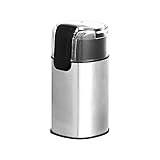
- Electric coffee bean grinder appliance for home use
- Can grind 30 grams/1 ounce of beans for drip coffee brewing in 10 seconds
- Grind coffee beans, herbs, spices, grains, nuts, and more
- Clear safety lid allows you to easily see the results in progress
- Heavy-duty stainless steel grind blade
Common misconceptions
- Misconception: Roasting makes beans significantly larger. While they expand, the increase is usually only about 20-50% in volume, not doubling or tripling.
- Misconception: The size increase is the most important change. Flavor, aroma, and chemical composition undergo far more dramatic and significant transformations.
- Misconception: All beans expand the same amount. Variations in bean origin, density, and moisture mean expansion rates differ greatly.
- Misconception: Expansion is only due to heat. It’s primarily the rapid vaporization of internal moisture into steam that causes the expansion.
- Misconception: Roasted beans are heavier. Roasted beans are lighter by weight than their green counterparts due to moisture loss, even though they are larger in volume.
- Misconception: Bigger beans mean better coffee. Bean size is not a direct indicator of quality; flavor and aroma are.
- Misconception: Chaff is a byproduct of expansion only. Chaff is the bean’s natural protective layer that separates during roasting, and expansion can facilitate its release.
- Misconception: You can reverse the expansion. Once roasted and expanded, the bean’s structure is permanently altered.
- Misconception: Roasting makes beans swell like a sponge. The expansion is more of a structural breakdown and puffing due to internal steam pressure.
- Misconception: The color change is the only visual cue. Expansion is another key visual indicator of the roasting process.
FAQ
Q: Does roasting coffee make the bean bigger?
A: Yes, roasting coffee beans causes them to expand in size. This happens as the internal moisture turns to steam and creates pressure within the bean.
Q: How much bigger do coffee beans get when roasted?
A: The volume increase is typically in the range of 20% to 50%. The exact amount varies depending on the bean and roast level.
Q: Why do coffee beans expand when roasted?
A: The primary reason is the rapid conversion of internal moisture into steam. This steam builds pressure inside the bean, causing its cellular structure to expand and rupture.
Q: Does roasting make beans lighter or heavier?
A: Roasted beans are lighter than green beans. This is because a significant amount of moisture is lost during the roasting process, outweighing the gain in volume.
Q: Does the type of coffee bean affect how much it expands?
A: Yes, different coffee species (like Arabica and Robusta) and even specific varieties have different densities and moisture content, leading to variations in expansion.
Q: Is bean expansion a sign of good or bad roasting?
A: Bean expansion is a natural part of the roasting process. Consistent and controlled expansion can be an indicator of a well-executed roast, but it’s not the sole determinant of quality.
Q: Can I tell the roast level just by how much a bean has expanded?
A: Expansion is one factor, but it’s not the only one. Color, aroma, and the presence of oil on the surface are also important indicators of roast level.
Q: What is “First Crack” in coffee roasting?
A: First Crack is an audible popping sound that occurs during roasting. It signifies that enough internal steam pressure has built up to break the bean’s cell walls, causing it to expand.
Q: Does the origin of the coffee bean influence its expansion?
A: Yes, factors like the altitude at which coffee is grown can affect bean density, which in turn can influence how the bean expands during roasting.
What this page does NOT cover (and where to go next)
- Detailed chemical reactions occurring during roasting. For this, explore resources on coffee chemistry and Maillard reactions.
- Specific roasting profiles for different bean origins or desired flavor outcomes. Consult advanced roasting guides or roaster forums.
- The impact of roasting on specific nutrient content. Look into coffee’s nutritional aspects in scientific journals.
- How to calibrate a home roaster for precise expansion control. Refer to your roaster’s manual or specialized home roasting communities.
- The economics of green bean purchasing versus roasted bean yield. This is best explored in coffee business or supply chain resources.