
The Effects Of Excessive Coffee Consumption On Your Body
Quick answer
- Consuming excessive amounts of coffee can lead to a range of physical and psychological effects, often related to its stimulant properties.
- Symptoms of overconsumption can include jitters, anxiety, rapid heart rate, digestive issues, and disrupted sleep patterns.
- While coffee can enhance alertness and focus, too much can overwhelm these benefits, leading to negative consequences.
- The concept of feeling “high” from coffee is generally not accurate; rather, it’s an overstimulation of the nervous system.
- Individual tolerance varies significantly based on genetics, body weight, and regular caffeine intake.
- Moderation is key to enjoying coffee’s benefits without experiencing its adverse effects.
Key terms and definitions
- Caffeine: A naturally occurring stimulant found in coffee beans, tea leaves, and cocoa beans, known for its ability to increase alertness and reduce fatigue.
- Stimulant: A substance that raises levels of physiological or nervous system activity.
- Central Nervous System (CNS): The brain and spinal cord, which caffeine primarily affects.
- Adenosine: A neurotransmitter that promotes relaxation and sleepiness; caffeine blocks its receptors.
- Tolerance: The body’s reduced responsiveness to a drug after repeated use, requiring higher doses for the same effect.
- Withdrawal: Unpleasant physical and psychological symptoms that occur when regular caffeine users stop consuming it.
- Anxiety: A feeling of worry, nervousness, or unease, typically about an imminent event or something with an uncertain outcome, which can be exacerbated by caffeine.
- Insomnia: Persistent problems falling or staying asleep, often worsened by late-day caffeine consumption.
- Diuretic: A substance that promotes the production of urine, which caffeine can have a mild effect as.
- Tachycardia: An abnormally rapid heart rate.
How it works
- When you drink coffee, caffeine is absorbed into your bloodstream and travels to your brain.
- In the brain, caffeine primarily works by blocking adenosine receptors.
- Adenosine is a chemical that builds up in your brain throughout the day, signaling tiredness.
- By blocking adenosine, caffeine prevents it from binding to its receptors, making you feel more awake and alert.
- This blockage also leads to an increase in other neurotransmitters like dopamine and norepinephrine.
- Dopamine is associated with pleasure and reward, which can contribute to the mood-lifting effects of coffee.
- Norepinephrine is a stress hormone that increases alertness and focus, but in excess, can cause jitters.
- The overall effect is a stimulation of the central nervous system, increasing heart rate, blood pressure, and brain activity.
- This heightened state is what people often perceive as increased energy or focus.
- However, when this stimulation becomes too intense due to excessive intake, it can lead to negative physical and mental responses.
What affects the result
- Amount of Coffee Consumed: The most direct factor; more coffee means more caffeine.
- Caffeine Content Per Serving: Different coffee beans, roasts, and brewing methods yield varying caffeine levels. An 8 oz cup of drip coffee can range from 95 to over 200 mg of caffeine.
- Individual Sensitivity: Genetics play a significant role in how quickly your body metabolizes caffeine. Some people are fast metabolizers, while others are slow.
- Body Weight: Larger individuals may tolerate more caffeine than smaller individuals.
- Regular Caffeine Intake: Frequent consumers develop tolerance, meaning they need more caffeine to feel the same effects and may experience fewer negative symptoms at higher doses compared to occasional drinkers.
- Time of Day: Consuming coffee late in the day can significantly impact sleep quality due to caffeine’s long half-life.
- Other Caffeine Sources: Consuming other caffeinated beverages or foods (tea, soda, chocolate, energy drinks) on top of coffee can lead to a cumulative effect.
- Medications: Certain medications can interact with caffeine metabolism, either increasing or decreasing its effects.
- Hydration Levels: Dehydration can sometimes amplify the perceived effects of caffeine.
- Stress Levels: If you are already feeling stressed, the stimulant effects of caffeine can exacerbate feelings of anxiety.
- Diet: Consuming coffee on an empty stomach may lead to faster absorption and more pronounced effects.
- Pregnancy and Breastfeeding: Caffeine metabolism is slower during pregnancy, and it can be passed to a fetus or infant, requiring significantly reduced intake.
Pros, cons, and when it matters
- Pro: Increased Alertness and Focus: Moderate caffeine intake can sharpen cognitive functions, making tasks requiring concentration easier. This is beneficial for work, studying, or driving.
- Con: Jitters and Anxiety: Excessive caffeine can overstimulate the nervous system, leading to restlessness, shakiness, and heightened feelings of anxiety or panic. This is counterproductive for tasks requiring calm precision.
- Pro: Improved Physical Performance: Caffeine can enhance endurance and reduce perceived exertion during exercise. This matters for athletes or those engaging in strenuous physical activity.
- Con: Sleep Disruption: Consuming too much caffeine, especially later in the day, can lead to difficulty falling asleep and reduced sleep quality, impacting overall health and cognitive function the next day.
- Pro: Mood Enhancement: For some, caffeine can provide a temporary mood boost due to dopamine release. This can be helpful for combating mild fatigue-related blues.
- Con: Digestive Upset: Coffee is acidic and can stimulate the digestive tract. Too much can cause heartburn, stomachaches, or diarrhea for sensitive individuals.
- Pro: Antioxidant Properties: Coffee contains antioxidants that may offer health benefits over the long term, though this is not directly related to the acute effects of consumption.
- Con: Increased Heart Rate and Blood Pressure: While often temporary, excessive caffeine can cause a noticeable increase in heart rate and a rise in blood pressure, which can be concerning for individuals with pre-existing cardiovascular conditions.
- Pro: Social and Ritualistic Enjoyment: Coffee often plays a role in social interactions and daily routines, providing comfort and a sense of normalcy.
- Con: Dependence and Withdrawal: Regular high intake can lead to physical dependence, with withdrawal symptoms like headaches and fatigue upon cessation. This matters when trying to reduce intake or quit.
- Pro: Enhanced Productivity: For many, the cognitive boost from coffee translates to increased productivity in daily tasks.
- Con: Exacerbation of Existing Conditions: For individuals prone to anxiety disorders, panic attacks, or certain heart conditions, excessive coffee consumption can significantly worsen their symptoms.
Common misconceptions
- Misconception: Drinking too much coffee makes you “high” like a drug.
- Reality: While caffeine is a stimulant that can make you feel energetic and euphoric, it doesn’t produce the same psychoactive effects or receptor interactions as illicit drugs that cause a true “high.” It’s overstimulation, not intoxication.
- Misconception: All coffee has the same amount of caffeine.
- Reality: Caffeine content varies greatly depending on the bean type (Robusta generally has more than Arabica), roast level (lighter roasts often retain more caffeine), brewing method (espresso has less volume but higher concentration), and serving size.
- Misconception: Coffee is inherently unhealthy.
- Reality: In moderation, coffee can be part of a healthy diet and may even offer some health benefits due to its antioxidant content. The negative effects are primarily associated with excessive consumption.
- Misconception: You can build unlimited tolerance to caffeine.
- Reality: While tolerance develops, there’s a limit to how much more caffeine your body can process before experiencing significant negative side effects. Tolerance can also fluctuate.
- Misconception: Caffeine is addictive in the same way as hard drugs.
- Reality: Caffeine can cause physical dependence and withdrawal symptoms, but it doesn’t typically lead to the compulsive, destructive drug-seeking behavior associated with addiction to substances like opioids or methamphetamine.
- Misconception: Black coffee has zero calories.
- Reality: While black coffee itself is very low in calories (typically less than 5 per cup), any additions like milk, cream, sugar, or syrups will significantly increase the calorie count.
- Misconception: Decaf coffee has no caffeine.
- Reality: Decaffeinated coffee still contains a small amount of caffeine, typically around 2-15 mg per 8 oz cup, which is significantly less than regular coffee but not zero.
- Misconception: Coffee dehydrates you.
- Reality: While caffeine has a mild diuretic effect, the fluid consumed in coffee generally offsets this effect. Moderate coffee consumption does not lead to dehydration for most people.
- Misconception: You need to drink coffee to be productive.
- Reality: While caffeine can enhance productivity for some, adequate sleep, good nutrition, and effective time management are more foundational to sustained productivity.
FAQ
Q: Can drinking too much coffee make you feel anxious or jittery?
A: Yes, excessive caffeine intake is a common cause of anxiety, nervousness, and jitters. This happens because caffeine stimulates the central nervous system, leading to an overproduction of stress hormones like adrenaline. If you experience these symptoms, reducing your coffee intake is recommended.
If you’re looking for a way to manage caffeine intake or experience its effects more predictably, consider caffeine supplements. They offer a controlled dose, which can be helpful when trying to avoid the jitters and anxiety associated with excessive coffee consumption.
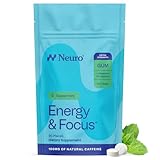
- Fast-Acting Nootropic - Our energy supplements deliver an extra boost of energy and clarity with a blend of natural caffeine, L-theanine, and vitamin b6 & b12. Your go-to chewing gum for work, exercise, and daily focus!
- Clean Energy - Each piece of our sugar free gum delivers 100mg of natural caffeine from green coffee beans for a smooth energy boost without crashes or jitters.
- The Perfect Balance - With 60mg of L-theanine per piece, our energy and focus formula promotes enhanced focus and stress reduction to smooth energy boosts.
- How to Use - Chew one piece of the caffeine gum whenever focus or energy is lacking. Ideal for mornings, pre-workout, or afternoon slumps. Effects typically kick in within minutes thanks to optimal absorption through the mouth.
- Made by Neuro, Backed by Science - At Neuro, we combine neuroscience with clean, science backed ingredients to help you do more, think better, and feel your best every single day.
Q: How much coffee is considered “too much”?
A: For most healthy adults, the U.S. Food and Drug Administration (FDA) suggests that up to 400 milligrams of caffeine per day (about 4-5 cups of regular coffee) is generally not associated with dangerous, negative effects. However, individual tolerance varies greatly, and some people may experience negative effects at much lower amounts.
Q: Will drinking a lot of coffee make me feel euphoric or “high”?
A: While coffee can boost mood and energy, it doesn’t produce a euphoric “high” in the way that recreational drugs do. The feeling is more akin to heightened alertness and stimulation rather than a mood-altering intoxication.
Q: What are the physical signs of drinking too much coffee?
A: Common physical signs include a rapid or irregular heartbeat, tremors or shakiness, digestive upset (like stomachaches or diarrhea), headaches, and frequent urination. You might also feel restless or unable to sit still.
Q: Can I develop a tolerance to coffee’s effects?
A: Yes, regular consumption of caffeine can lead to tolerance. This means you may need to drink more coffee over time to achieve the same level of alertness or focus you once felt with smaller amounts.
Q: What happens if I suddenly stop drinking coffee after consuming a lot?
A: You may experience caffeine withdrawal symptoms. These can include headaches, fatigue, irritability, difficulty concentrating, and muscle pain. These symptoms typically start 12-24 hours after your last dose and can last for a few days.
Q: Does coffee affect my sleep quality?
A: Yes, caffeine is a stimulant that can interfere with sleep. If consumed too close to bedtime, it can make it harder to fall asleep and reduce the quality of your sleep, even if you do manage to drift off.
Q: Is it safe to drink coffee if I have heart problems?
A: If you have heart conditions, it’s crucial to consult with your doctor about safe caffeine consumption levels. Caffeine can temporarily increase heart rate and blood pressure, which may be problematic for some individuals.
What this page does NOT cover (and where to go next)
- Specific health conditions and how caffeine may interact with them; consult a healthcare professional for personalized medical advice.
- Detailed nutritional breakdowns of different coffee drinks; refer to specific product information or nutrition databases.
- Recommendations for specific coffee brands or types of coffee makers; explore product reviews and brewing guides for those topics.
- The complex neurochemical pathways of caffeine in the brain beyond basic stimulation; delve into neuroscience resources for advanced understanding.
- Legal or ethical considerations surrounding caffeine production and consumption; research agricultural or societal studies.