
Non-Alcoholic Indulgence: Irish Coffee Without Booze
Quick Answer
- Use a high-quality coffee as your base.
- Choose a rich, non-alcoholic sweetener like maple syrup or agave.
- Top with a homemade whipped cream or a dairy-free alternative.
- Add a hint of spice like nutmeg or cinnamon for warmth.
- Consider a splash of non-alcoholic vanilla or almond extract.
- Serve in a pre-warmed mug for the best experience.
Who This Is For
- Anyone who loves the comforting taste of Irish coffee but wants to skip the alcohol.
- Designated drivers or those abstaining from alcohol for personal reasons.
- Coffee lovers looking for a sophisticated, warm, and flavorful drink.
What to Check First
Brewer Type and Filter Type
Your coffee is the foundation. Whether you’re using a drip machine, pour-over, or French press, make sure it’s clean. A dirty brewer can impart stale flavors. For pour-over, a good quality paper filter is usually best. For French press, the built-in metal filter is the way to go.
Water Quality and Temperature
Good water makes good coffee. If your tap water tastes off, use filtered water. For Irish coffee, you want your coffee hot, but not boiling. Aim for around 195-205°F (90-96°C) right before brewing.
Grind Size and Coffee Freshness
Freshly ground beans are key. A medium grind is usually good for drip and pour-over. For French press, go a bit coarser. The coffee should have been roasted recently, ideally within the last few weeks. Old coffee tastes flat.
Coffee-to-Water Ratio
A good starting point is about 1:15 to 1:17. That means for every gram of coffee, use 15-17 grams of water. For a standard 8 oz cup, that’s roughly 2 tablespoons of coffee to 6 oz of water. Adjust to your taste.
Cleanliness/Descale Status
This is huge. Residue from old coffee oils or mineral buildup from water can ruin your drink. If you haven’t descaled your coffee maker in a while, now’s the time. A clean machine means a clean taste.
Step-by-Step: How to Make Irish Coffee Without Alcohol
1. Brew Your Coffee: Make a strong, hot cup of coffee. A medium-dark roast often works well for that classic Irish coffee vibe.
- What “good” looks like: A rich, aromatic, and piping hot cup of coffee.
- Common mistake: Using weak or lukewarm coffee. Avoid this by brewing fresh and keeping it hot.
2. Warm Your Mug: Pour some hot water into your Irish coffee glass or mug. Let it sit for a minute, then discard the water.
- What “good” looks like: A mug that feels warm to the touch, ready to keep your drink hot.
- Common mistake: Not warming the mug. Your drink will cool down way too fast.
3. Sweeten the Base: Add your non-alcoholic sweetener to the bottom of the warmed mug. For that Irish feel without alcohol, try maple syrup, agave nectar, or even a simple syrup infused with a little brown sugar. Start with about 1-2 teaspoons.
- What “good” looks like: A liquid sweetener that will easily dissolve into the hot coffee.
- Common mistake: Using granulated sugar that doesn’t dissolve well. This leaves gritty bits at the bottom.
For that Irish feel without alcohol, try maple syrup, agave nectar, or even a simple syrup infused with a little brown sugar. If you’re looking for a natural sweetener, this agave nectar is a great choice.
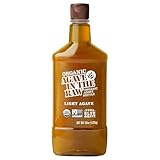
- ORGANIC LIGHT AGAVE SWEETENER: Enjoy your sweet moments. With notes of butterscotch and a golden hue, Organic Light Agave In The Raw is perfect for all your sweetening needs.
- A HEALTHY SUGAR ALTERNATIVE: Made with 100% raw blue agave nectar hand-harvested in Jalisco Mexico from agave plants free from pesticides and antibiotics. USDA Organic, Non-GMO Project Verified, kosher, plant-based and low glycemic index.
- A BETTER WAY TO DRIZZLE: Organic Light Agave In The Raw is great for sweetening smoothies, fruits, drinks, salads and more. It makes a great topping and you can bake or cook with it too.
- SWEETER THAN SUGAR: Organic Light Agave In The Raw is about 25% sweeter than sugar so a little can go a long way. The organic agave nectar blends easily in beverages and helps to moisten when baking.
- NO NONSENSE, JUST NATURAL SWEETENERS: Founded in 1970 when we began the search for a less processed sugar, In The Raw has 50+ years of sweetener expertise. Today, we offer a variety of versatile sweeteners plucked from the earth for every occasion.
4. Add Flavor Enhancers (Optional): If you like, stir in a tiny splash of non-alcoholic vanilla extract, almond extract, or even a drop of coffee liqueur flavoring syrup. Just a drop or two is plenty.
- What “good” looks like: A subtle aroma that complements the coffee and sweetener.
- Common mistake: Overdoing the extracts. You want a hint, not a mouthful of perfume.
5. Pour the Coffee: Carefully pour your hot, brewed coffee over the sweetener and flavorings in the mug. Fill it about three-quarters of the way full.
- What “good” looks like: The liquids combining smoothly, creating a beautiful base.
- Common mistake: Filling the mug too full, leaving no room for cream.
6. Prepare Your Cream: Whip up some heavy cream until soft peaks form. You can add a tiny bit of powdered sugar if you like it sweeter, but don’t overdo it. For a dairy-free option, use chilled full-fat coconut cream.
- What “good” looks like: Cream that’s thick enough to float but still pourable.
- Common mistake: Whipping the cream too stiff, making it hard to drink.
7. Float the Cream: Gently spoon or pour the whipped cream over the back of a spoon onto the surface of the coffee. You want a nice, thick layer that floats.
- What “good” looks like: A beautiful, creamy layer sitting atop the dark coffee.
- Common mistake: Pouring the cream too quickly, causing it to sink into the coffee.
8. Garnish (Optional): Dust with a tiny bit of fresh nutmeg or cinnamon.
- What “good” looks like: A delicate sprinkle that adds aroma and visual appeal.
- Common mistake: Using old, pre-ground spices that have lost their flavor.
9. Serve and Enjoy: Present your non-alcoholic Irish coffee immediately. The goal is to sip through the cream and into the warm, sweet coffee below.
- What “good” looks like: A comforting, delicious drink that hits the spot.
- Common mistake: Letting it sit too long, allowing the cream to fully meld or the coffee to cool.
Common Mistakes (and What Happens If You Ignore Them)
| Mistake | What it Causes | Fix |
|---|---|---|
| Using stale or pre-ground coffee | Flat, bitter, or papery taste. Lacks aromatic complexity. | Buy whole beans and grind them just before brewing. Check the roast date on the bag. |
| Using tap water with off-flavors | Your coffee will taste like your tap water. | Use filtered or bottled water. It makes a surprisingly big difference. |
| Coffee brewed too hot or too cold | Too hot: burns the grounds, leads to bitterness. Too cold: under-extraction, weak, sour coffee. | Aim for 195-205°F (90-96°C) water. Let boiling water sit for about 30 seconds before pouring. |
| Incorrect grind size | Too fine: over-extraction, bitter, cloggy. Too coarse: under-extraction, weak, sour. | Match grind to your brewer. Medium for drip/pour-over, coarser for French press. Experiment to find what works best. |
| Dirty coffee maker or grinder | Stale oils and residue impart off-flavors, making even good coffee taste bad. | Clean your equipment regularly. Descale your coffee maker periodically. A clean grinder is essential. |
| Not warming the mug | The drink cools down too quickly, diminishing the experience. | Fill the mug with hot water while you brew your coffee, then discard before adding ingredients. |
| Using granulated sugar that won’t dissolve | Gritty texture at the bottom of the mug. Uneven sweetness. | Use a liquid sweetener like maple syrup or agave, or make a simple syrup. If using sugar, stir it in thoroughly with a little hot coffee first. |
| Over-whipping the cream | Cream is too stiff, hard to sip through, and can become buttery or grainy. | Whip to soft peaks. It should still be pourable or spoonable, not stand up like a meringue. |
| Pouring cream too aggressively | Cream sinks into the coffee, creating a muddy appearance and less distinct layers. | Pour the cream slowly over the back of a spoon held just above the coffee surface. This helps it float. |
| Using old, stale spices for garnish | The garnish adds no aroma or flavor, or worse, a dusty taste. | Use fresh ground nutmeg or cinnamon. A tiny pinch is all you need. |
| Incorrect coffee-to-water ratio | Too little coffee: weak, watery drink. Too much coffee: overly strong, bitter, or difficult to extract. | Start with 1:15 to 1:17 ratio (coffee to water by weight) and adjust based on your preference and the coffee beans. |
Decision Rules
- If your coffee tastes bitter, then try a coarser grind or less coffee.
- If your coffee tastes sour or weak, then try a finer grind or more coffee.
- If your coffee tastes stale, then check your bean freshness and clean your grinder.
- If your coffee maker has mineral buildup, then descale it before brewing.
- If you want a richer sweetener base, then use maple syrup or brown sugar simple syrup.
- If you want a lighter, dairy-free cream topping, then use chilled full-fat coconut cream.
- If your drink cools down too fast, then make sure to pre-warm your mug.
- If you’re sensitive to caffeine, then use decaf coffee beans.
- If you want a more complex flavor, then add a tiny splash of non-alcoholic vanilla or almond extract.
- If your whipped cream is too thin, then whip it a bit longer until soft peaks form.
- If your whipped cream is too stiff, then you’ve over-whipped it; gently stir in a teaspoon of milk or cream to loosen it.
- If you’re unsure about your water quality, then use filtered water for a cleaner taste.
FAQ
What kind of coffee should I use for a non-alcoholic Irish coffee?
A medium to dark roast coffee works best. It has a bolder flavor that stands up well to the sweetness and cream. Freshly roasted beans will give you the best aroma and taste.
Can I use regular milk instead of cream?
Regular milk won’t create the same floating layer. For the classic look and texture, you need something with a higher fat content, like heavy cream or full-fat coconut cream.
How do I make sure the cream floats?
The key is to whip the cream to soft peaks and then pour or spoon it gently over the back of a spoon. The coffee needs to be hot, and the cream needs to be sufficiently thick but still pourable.
What’s the best non-alcoholic sweetener?
Maple syrup offers a natural, rich sweetness that complements coffee well. Agave nectar is another good option. You can also make a simple syrup with brown sugar for a deeper flavor.
Can I add spices to the coffee itself?
Yes, you can! Stirring a tiny pinch of cinnamon or nutmeg into the coffee before adding the cream can add another layer of warmth and flavor. Just don’t overdo it.
How much coffee should I use per cup?
A good starting point is about 2 tablespoons of ground coffee for every 6 ounces of water. You can adjust this based on how strong you like your coffee.
What if I don’t have a coffee maker?
You can still make a great base using instant coffee dissolved in hot water, though the flavor won’t be as nuanced. A French press or AeroPress are also excellent manual brewing options.
How do I avoid a bitter taste?
Bitterness often comes from over-extraction. Make sure your grind size is appropriate for your brewing method and that your water isn’t too hot. Using quality beans also helps.
What This Page Does Not Cover (And Where to Go Next)
- Detailed comparisons of different coffee bean origins and their flavor profiles.
- Advanced brewing techniques for specific coffee makers like espresso machines.
- Recipes for homemade coffee liqueurs (even non-alcoholic versions).
- Detailed guides on milk steaming and latte art.
- The history of Irish coffee or its alcoholic variations.