
What Makes Irish Coffee Truly Irish?
Quick Answer
- Irish coffee isn’t just coffee with whiskey. It’s a specific balance.
- The key ingredients are hot black coffee, Irish whiskey, sugar, and cream.
- Proper technique matters. Think layers, not a mixed drink.
- The coffee needs to be strong and hot. No weak stuff here.
- Irish whiskey is non-negotiable for the authentic taste.
- Sugar sweetens and helps the cream float.
For an authentic Irish coffee, using genuine Irish whiskey is non-negotiable. Its unique smooth profile is key to the drink’s signature taste.
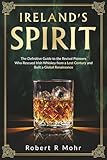
- Mohr, Robert R (Author)
- English (Publication Language)
- 170 Pages - 11/10/2025 (Publication Date) - Independently published (Publisher)
Key Terms and Definitions
- Irish Coffee: A hot drink made with black coffee, Irish whiskey, sugar, and a layer of cream on top.
- Irish Whiskey: Whiskey distilled in Ireland, often triple-distilled, giving it a smoother profile.
- Demerara Sugar: A type of raw cane sugar with large crystals, often used for its rich flavor and caramel notes.
- Black Coffee: Coffee brewed without milk or cream.
- Whipped Cream: Heavy cream whipped until it holds soft peaks. It should be unsweetened or lightly sweetened.
- Layering: The technique of carefully adding ingredients so they remain distinct, especially the cream on top.
- Hot Beverage: Served at a temperature suitable for drinking while warm.
- Hot Toddy: A drink made with liquor, honey, and spices, often served hot, but different from Irish coffee.
- Barista: A person who prepares and serves espresso-based coffee drinks.
- Mulligan Stew: A type of stew historically made with whatever ingredients were available, not related to coffee drinks.
How Irish Coffee Works
- It starts with a base of hot, strong black coffee. This provides the body and warmth.
- Then, Irish whiskey is stirred in. This adds the signature kick and distinct flavor.
- Sugar is dissolved into the coffee and whiskey mixture. It balances the bitterness and provides a touch of sweetness.
- Crucially, unsweetened or lightly sweetened heavy cream is floated on top. This creates a cool, velvety contrast to the hot drink.
- The cream should be thick enough to float but not so stiff it won’t melt slightly into the coffee.
- The goal is to sip through the cream and into the warm, boozy coffee below.
- Each sip delivers a different sensation – the cool cream, then the warm, sweet, and spirited coffee.
- It’s designed to be a contemplative drink, savored slowly.
What Affects Your Irish Coffee
- The Coffee: Use a dark roast, strong brew. Think French press or a good drip. No watery stuff.
- The Whiskey: It has to be Irish whiskey. The smooth, often triple-distilled character is key. Brands like Jameson, Bushmills, or Tullamore D.E.W. are classics.
- The Sugar: Granulated or demerara sugar works best. It needs to dissolve well and add sweetness without being cloying. Brown sugar can work but might change the flavor profile.
- The Cream: Use heavy whipping cream. It needs to be cold and whipped just enough to hold its shape but still be pourable. Don’t over-whip it into stiff peaks.
- Temperature: The coffee and whiskey need to be hot, but not scalding. The cream should be cold. This temperature contrast is part of the experience.
- The Ratio: Getting the balance right between coffee, whiskey, and sugar is crucial. Too much of one thing throws it off.
- The Glass: A heatproof glass mug is traditional. It lets you see the layers and keeps the drink warm.
- Freshness: Freshly brewed coffee is always best. Stale coffee tastes flat.
- Water Quality: Good water makes good coffee. Filtered water is a solid choice.
- Technique: Layering the cream carefully is essential. Pour it over the back of a spoon to keep it on top.
- Sweetness Level: Adjust sugar to your taste, but remember the cream adds a touch of richness too.
- Whiskey Type: While Irish whiskey is the standard, the specific brand will impact the subtle notes.
Pros, Cons, and When It Matters
- Pro: Deliciously warming and comforting, especially on a cold night.
- Con: Can be high in calories and sugar, depending on preparation.
- Pro: Offers a sophisticated way to enjoy both coffee and spirits.
- Con: Requires specific ingredients for an authentic taste.
- Pro: Relatively easy to make once you nail the technique.
- Con: The cream layer can be tricky to get right consistently.
- Pro: A classic cocktail with a rich history.
- Con: Not suitable for those who dislike coffee or whiskey flavors.
- Pro: Can be adapted slightly for personal preference (sugar, whiskey choice).
- Con: Not a quick, grab-and-go drink; it’s meant to be savored.
- Pro: Impressive to serve to guests.
- Con: The alcohol content means it’s an adult beverage only.
- Pro: A great way to finish a meal.
- Con: Might be too rich for some palates as a regular drink.
Common Misconceptions
- Myth: Any coffee will do. Reality: Strong, hot black coffee is essential for the right flavor and texture.
- Myth: You can use any whiskey. Reality: Irish whiskey is what defines an “Irish” coffee. Other whiskies change the drink fundamentally.
- Myth: The cream should be stiffly whipped. Reality: It should be softly whipped, pourable, and unsweetened or lightly sweetened to float properly.
- Myth: It’s just a coffee with a shot of whiskey. Reality: The balance of ingredients and the layering technique are critical.
- Myth: You should stir it all together before drinking. Reality: The layers are meant to be experienced. Sip through the cream.
- Myth: Brown sugar is the best choice. Reality: While it can work, demerara or granulated sugar are more traditional and dissolve cleaner.
- Myth: It’s a dessert drink that replaces coffee. Reality: It’s a coffee drink, often enjoyed after dinner or as a special treat.
- Myth: You can make it with instant coffee. Reality: While technically possible, the flavor will be significantly compromised.
FAQ
Q: What kind of coffee should I use?
A: Use a strong, hot, black coffee. A dark roast brewed using a French press or a quality drip machine works well. Avoid weak or watery coffee.
Q: Does it have to be Irish whiskey?
A: Yes, for an authentic Irish coffee, use Irish whiskey. Its smooth, triple-distilled character is what gives the drink its signature taste.
Q: How do I get the cream to float?
A: Whip heavy cream until it holds soft peaks. Pour it slowly over the back of a warmed spoon held just above the coffee surface. The cream should be cold and not over-whipped.
Q: Can I make it less sweet?
A: Absolutely. Adjust the amount of sugar to your preference. Some people use very little or even no sugar, letting the cream and whiskey provide richness.
Q: What’s the best glass to use?
A: A heatproof glass mug is traditional. It allows you to see the beautiful layers and keeps the drink warm. Make sure it’s sturdy enough for hot liquids.
Q: Is it okay to add other flavors?
A: While traditionalists stick to the four main ingredients, some enjoy adding a touch of nutmeg or cinnamon on top of the cream. Experiment, but know it deviates from the classic.
Q: Can I use milk instead of cream?
A: You could, but it won’t create the same rich, velvety layer. Heavy cream is essential for the proper texture and floating effect.
Q: How much whiskey is typically used?
A: A standard serving is usually around 1 to 1.5 ounces of Irish whiskey per cup of coffee. Adjust to your taste and tolerance.
What This Page Does Not Cover (and Where to Go Next)
- Specific brand recommendations for Irish whiskey or coffee beans. (Explore coffee and whiskey blogs for detailed reviews.)
- Advanced latte art techniques for cream topping. (Look for resources on milk frothing and pouring.)
- Detailed historical accounts of the drink’s origin. (Search for articles on the history of Irish coffee.)
- Recipes for alcoholic or non-alcoholic coffee beverages other than Irish coffee. (Check out general cocktail or mocktail recipe sites.)
- The science behind coffee extraction or whiskey distillation. (Consult brewing guides or spirit encyclopedias.)