
Why Does Coffee Make Pee Burn?
Quick answer
- When coffee seems to cause a burning sensation during urination, it’s often related to the acidity of the coffee itself.
- Other factors like dehydration, diet, and underlying health conditions can also contribute.
- The compounds in coffee that can irritate the bladder are primarily acids and caffeine.
- Staying hydrated and moderating coffee intake are the first steps to addressing the issue.
- If symptoms persist or worsen, it’s important to consult a healthcare professional.
What this problem usually is (and is not)
This issue, often described as a burning sensation during urination after drinking coffee, is usually a sign of bladder irritation. The acidity of coffee, along with its stimulant properties, can affect sensitive individuals. It is not necessarily a sign of infection, though it can sometimes mimic those symptoms. This is not a universal reaction; many people can drink coffee without experiencing any discomfort. The intensity of the sensation can vary greatly from person to person.
Likely causes (triage list)
Coffee-Related Factors
- Acidity of the coffee: Darker roasts tend to be less acidic than lighter roasts. Some coffee beans are naturally more acidic.
- To confirm: Try switching to a different type of roast or bean to see if the sensation changes.
- Caffeine content: Caffeine is a diuretic and a stimulant, which can affect bladder sensitivity.
- To confirm: Compare the burning sensation after drinking caffeinated coffee versus decaffeinated coffee.
- Additives: Sugar, artificial sweeteners, creamers, or flavorings added to coffee can also be irritants.
- To confirm: Drink plain black coffee for a few days and note any changes.
If caffeine is suspected as a culprit, consider trying decaffeinated coffee to see if it makes a difference. You can find a variety of decaffeinated coffee options on Amazon.
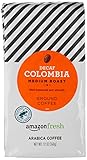
- Balanced, full-bodied medium roast with a smooth finish
- One 12-ounce bag of ground coffee
- Decaffeinated
- 100% Arabica coffee grown in Colombia
- Roasted and packed in the U.S.A.
Hydration and Diet
- Dehydration: When you are not drinking enough fluids, your urine becomes more concentrated, which can increase its irritant potential.
- To confirm: Increase your daily water intake and see if the burning subsides.
- Other dietary irritants: Spicy foods, citrus, alcohol, and carbonated beverages can also irritate the bladder.
- To confirm: Keep a food diary to track what you eat and drink alongside your coffee consumption.
Underlying Health Factors
- Urinary Tract Infection (UTI): While not directly caused by coffee, a UTI can make your urinary tract more sensitive to irritants like coffee.
- To confirm: A UTI typically presents with other symptoms like frequent urination, cloudy urine, or pain. Medical diagnosis is necessary.
- Interstitial Cystitis (IC) or Bladder Pain Syndrome (BPS): These chronic conditions cause bladder pain and pressure, and coffee is a known trigger for many sufferers.
- To confirm: This is a medical diagnosis; consult a doctor if you suspect IC/BPS.
- Overactive Bladder (OAB): Coffee can sometimes exacerbate symptoms of OAB, leading to urgency and frequency, which may be perceived as burning.
- To confirm: OAB is diagnosed by a healthcare professional.
Fix it step-by-step (brew workflow)
This workflow focuses on adjusting your coffee preparation and consumption habits to mitigate potential irritation.
1. Assess Current Coffee Habits:
- What to do: Note the type of coffee you’re drinking (roast level, origin), how much you consume, and what you add to it.
- What “good” looks like: A clear understanding of your current routine.
- Common mistake: Not being specific enough about your coffee (e.g., just saying “I drink coffee”).
- Avoid it: Write down the brand, roast, and any additions for a few days.
2. Increase Water Intake:
- What to do: Aim to drink at least 8-10 glasses (64-80 oz) of water throughout the day, especially before and after coffee.
- What “good” looks like: Your urine is pale yellow, and you feel generally well-hydrated.
- Common mistake: Drinking water only when you feel thirsty.
- Avoid it: Keep a water bottle handy and sip regularly, even if you don’t feel parched.
To ensure you’re staying adequately hydrated, keeping a reusable water bottle handy is a great strategy. This makes it easy to sip water throughout the day, especially before and after your coffee.

- 30-ounce insulated stainless steel water bottle with extra features: includes a 2-in-1 spout that lets you choose how you drink; push-button, leak-proof lid that locks for all your adventures
- Choose your sip style—straw or swig: Patented 2-in-1 FreeSip spout is one of a kind; it lets you sip upright through the built-in straw or swig by tilting back the spout
- Hygienic push-button lid and easy carry handle: closed lid keeps spout covered and clean between sips; ergonomic bucket handle makes transport easy for sports, campsites, road trips, school, and work
- Keeps water cold and fits where you need: Triple-layer insulation keeps drinks colder up to 24 hours; wide opening for easy cleaning and extra ice; cupholder friendly base fits most car cupholders
- Safe materials and simple care instructions: BPA, lead, and phthalate-free for safe drinking; hand wash the cup,lid is dishwasher safe and can be easily disassembled; not for use with hot liquids
3. Switch to Lower Acidity Coffee:
- What to do: Try dark roasts, or coffees specifically labeled as “low acid.” Some cold brews are also less acidic.
- What “good” looks like: You notice a reduction in burning sensations when drinking the new coffee.
- Common mistake: Assuming all dark roasts are low acid.
- Avoid it: Read descriptions or ask your barista/roaster about acidity levels.
4. Reduce Coffee Consumption:
- What to do: Gradually decrease the number of cups you drink per day, or reduce the strength of your brew.
- What “good” looks like: Symptoms lessen as you consume less coffee.
- Common mistake: Quitting cold turkey, which can lead to withdrawal symptoms.
- Avoid it: Taper off slowly over a week or two.
5. Eliminate Additives:
- What to do: For a trial period, drink your coffee black, without sugar, artificial sweeteners, cream, or flavorings.
- What “good” looks like: A noticeable improvement in your symptoms after removing these additions.
- Common mistake: Forgetting about a small amount of creamer or a sugar packet.
- Avoid it: Be strict about avoiding all additions during the trial.
6. Consider Decaffeinated Coffee:
- What to do: If caffeine is suspected, try switching to decaf for a week.
- What “good” looks like: The burning sensation disappears or significantly reduces with decaf.
- Common mistake: Not realizing that decaf still contains a small amount of caffeine.
- Avoid it: Understand that for some, even trace amounts can be an issue, but it’s a good test.
7. Monitor Other Diet Irritants:
- What to do: Keep a log of other foods and drinks that might irritate your bladder, such as spicy foods, citrus, alcohol, and carbonated drinks.
- What “good” looks like: Identifying other potential triggers that, when combined with coffee, worsen symptoms.
- Common mistake: Focusing solely on coffee and ignoring other obvious irritants.
- Avoid it: Be honest and thorough in tracking your entire diet.
8. Consult a Healthcare Professional:
- What to do: If symptoms persist despite these changes, or if you experience other urinary symptoms (pain, frequency, urgency, cloudy urine), see a doctor.
- What “good” looks like: Receiving a diagnosis and appropriate medical advice.
- Common mistake: Delaying medical consultation, hoping the problem will resolve on its own.
- Avoid it: Seek professional help promptly if home remedies don’t work.
Prevent it next time
- Stay Hydrated: Drink plenty of water throughout the day.
- Moderate Intake: Limit your daily coffee consumption.
- Choose Wisely: Opt for lower-acidity coffee beans or darker roasts.
- Go Black: Minimize or eliminate sugar, artificial sweeteners, and dairy.
- Listen to Your Body: Pay attention to how different coffees and brewing methods affect you.
- Consider Decaf: Try decaffeinated options if caffeine is a suspected irritant.
- Track Your Diet: Be mindful of other bladder irritants like spicy foods and alcohol.
- Regular Cleaning: Keep your coffee maker clean to prevent residue buildup.
- Safe Brewing Practices: Ensure your coffee maker is functioning correctly and avoid electrical hazards.
- Seek Medical Advice: Don’t hesitate to consult a doctor if symptoms are persistent or severe.
Common mistakes (and what happens if you ignore them)
| Mistake | What it causes | Fix |
|---|---|---|
| Ignoring dehydration | Concentrated urine, increased bladder irritation, and burning sensation. | Increase daily water intake significantly. |
| Consuming highly acidic coffee | Direct irritation to the bladder lining, leading to burning. | Switch to darker roasts, cold brew, or low-acid coffee brands. |
| Adding sugar or artificial sweeteners | These can be irritants for some individuals, exacerbating bladder sensitivity. | Drink coffee black for a trial period; observe symptom changes. |
| Drinking too much coffee | Overstimulation of the bladder and increased exposure to irritants. | Reduce the number of cups per day or brew weaker coffee. |
| Not considering other dietary triggers | Coffee’s effect is amplified by other irritants like spicy foods or alcohol. | Keep a food diary to identify and eliminate other potential bladder irritants. |
| Assuming it’s always coffee’s fault | Delaying diagnosis of underlying conditions like UTIs or IC/BPS. | Consult a healthcare professional if symptoms persist or are severe. |
| Using flavored syrups or creamers | Artificial ingredients and high sugar content can be significant irritants. | Stick to plain coffee or use natural, non-irritating additions sparingly. |
| Not cleaning the coffee maker regularly | Stale grounds and mineral buildup can affect taste and potentially increase acidity. | Follow manufacturer instructions for cleaning and descaling your coffee maker. |
| Drinking coffee on an empty stomach | Can increase stomach acidity, which may indirectly affect bladder sensitivity. | Eat a small meal or snack before or with your coffee. |
| Ignoring symptoms of dehydration | Reduced urine output and increased concentration, worsening irritation. | Prioritize water intake throughout the day, especially when consuming coffee. |
Decision rules (simple if/then)
- If you experience burning every time you drink coffee, then try switching to a decaffeinated, low-acid coffee because these factors are common irritants.
- If burning occurs only with certain types of coffee, then the acidity or roast level of that specific coffee is likely the primary cause.
- If symptoms improve significantly after increasing water intake, then dehydration was likely a major contributing factor.
- If you experience burning and frequent urination/urgency, then consider reducing coffee intake and monitoring for other dietary irritants.
- If symptoms persist despite trying low-acid coffee, decaf, and staying hydrated, then it’s advisable to consult a healthcare professional to rule out underlying conditions.
- If burning is accompanied by cloudy or foul-smelling urine, then this strongly suggests a urinary tract infection that requires medical attention.
- If you notice burning only when adding sweeteners or creamers, then those additives are the most probable cause.
- If you have a history of bladder issues or chronic pain, then coffee is a common trigger, and you should discuss management strategies with your doctor.
- If symptoms are mild and infrequent, then simply moderating your coffee intake and ensuring adequate hydration may be sufficient.
- If you notice that cold brew coffee causes less irritation, then its lower acidity is likely the reason, and you should favor this brewing method.
- If you experience burning shortly after drinking coffee and have not had enough fluids, then increasing your water intake immediately is a good first step.
FAQ
Q: Is coffee bad for your bladder?
A: Coffee is not inherently “bad” for everyone’s bladder. However, its acidity and caffeine content can act as irritants for some individuals, leading to discomfort.
Q: Can caffeine cause a burning sensation when I pee?
A: Caffeine is a diuretic and a stimulant. For sensitive individuals, it can increase bladder activity and potentially contribute to irritation, which may manifest as a burning sensation.
Q: What is the most acidic type of coffee?
A: Generally, lighter roasts and coffees from certain regions (like some African beans) tend to be more acidic. Darker roasts are typically less acidic.
Q: How much water should I drink if I’m drinking coffee?
A: It’s recommended to drink at least 8-10 glasses (64-80 oz) of water daily. When consuming coffee, ensure you’re drinking water before and after to stay well-hydrated.
Q: Can artificial sweeteners make my pee burn?
A: Yes, artificial sweeteners can be bladder irritants for some people. If you add them to your coffee, try eliminating them to see if your symptoms improve.
Q: What if I suspect I have a UTI?
A: If you have symptoms like burning, frequent urination, urgency, cloudy urine, or fever, you should see a doctor immediately. Coffee can worsen UTI symptoms, but it doesn’t cause the infection itself.
Q: Are there specific coffee brewing methods that are better for sensitive bladders?
A: Cold brewing coffee typically results in a less acidic beverage compared to hot brewing methods. Some people also find that French press or pour-over methods allow for more control over the brew.
Q: How long does it take to see if a change in coffee habits helps?
A: It can vary, but often you might notice a difference within a few days to a week of consistently making changes to your coffee type, intake, or additives.
Q: Can stress make bladder irritation worse?
A: Stress can exacerbate many bodily functions, including bladder sensitivity. While not a direct cause, stress can make you more aware of or sensitive to irritants like coffee.
Q: What if my symptoms don’t improve with any of these changes?
A: If your symptoms persist, it’s crucial to consult a healthcare provider. They can help diagnose any underlying medical conditions and recommend appropriate treatment.
What this page does NOT cover (and where to go next)
- Medical diagnosis of specific urinary tract conditions: This page provides general advice. For diagnoses like Interstitial Cystitis, UTIs, or Overactive Bladder, consult a healthcare professional.
- Specific brand recommendations for low-acid coffee: While general types are mentioned, specific product endorsements are beyond the scope. Explore coffee retailers or specialty coffee blogs for brand reviews.
- Detailed nutritional information for coffee additives: This article focuses on irritant potential. For precise nutritional breakdowns, refer to product labels or dietary resources.
- Management of severe or chronic bladder pain: This guide offers home-based solutions. Persistent or severe pain requires professional medical management.