
Why Coffee Makers Heat Water So Quickly
Quick answer
- Coffee makers use a heating element, usually a metal coil, to transfer heat directly to water.
- They are designed with a narrow water path, minimizing the volume that needs heating.
- The heating element is often in direct contact with the water reservoir or tubing.
- They prioritize speed over precise temperature control in many basic models.
- Electrical resistance in the element generates heat efficiently when current flows.
- This setup is a simple, effective way to get hot water fast for brewing.
Key terms and definitions
- Heating Element: A resistor that converts electrical energy into heat. In coffee makers, it’s typically a metal coil.
- Thermoblock: A metal block with a heating element and water channels. Water passes through it to get heated.
- Boiling Point: The temperature at which a liquid turns into a gas. For water at sea level, it’s 212°F (100°C).
- Resistance Heating: The process where electrical current flowing through a material with resistance generates heat.
- Thermal Conductivity: How well a material transfers heat. Metals are good conductors.
- Water Reservoir: The tank where you put the water before brewing.
- Brew Cycle: The entire process from heating water to dripping coffee into the carafe.
- Insulation: Material used to prevent heat loss. Some brewers use it to keep water hot.
- Wattage: The power consumption of an appliance, indicating how much energy it uses. Higher wattage often means faster heating.
- Flow Rate: How quickly water moves through the brewing system.
How it works
- Most drip coffee makers use a simple heating element. It’s usually a metal coil wrapped around a tube.
- When you turn the machine on, electricity flows through this coil.
- The coil resists the flow of electricity, converting that energy into heat.
- Cold water from the reservoir is drawn up into a tube that passes through or around the heating element.
- As the water flows through the hot section, it heats up rapidly.
- This hot water is then pushed up and over the coffee grounds in the brew basket.
- Some higher-end machines use a thermoblock. This is a metal block with internal channels for water and a powerful heating element. Water heats up as it’s forced through the thermoblock.
- The design focuses on getting water to brewing temperature quickly for the short brew cycle.
- The heating element is often directly exposed to the water or very close to it, maximizing heat transfer.
- This direct heating method is efficient for the task of brewing coffee.
Most drip coffee makers use a simple heating element for quick brewing. Consider upgrading to a modern drip coffee maker for efficient morning routines.
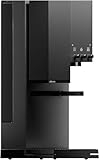
- 1. Three Levels of Automation for Any Skill Level: Choose from Autopilot, Copilot, or Free Solo mode. Autopilot handles the entire brewing process automatically. Copilot provides step-by-step guidance. Free Solo gives you full manual control. This coffee machine works for beginners and professional baristas alike.
- 2. Intuitive User Interface with Tactile Knobs and LED Matrix: The Studio features physical control knobs and a clear LED Matrix display. You can adjust grind size, water temperature, and flow rate in real time without navigating complicated touchscreen menus.
- 3. Full Customization via the xBloom App: Use the xBloom app to create, adjust, save, and share your favorite coffee recipes. Every brewing parameter can be fine-tuned and synced to the machine instantly. Your perfect cup is saved and repeatable.
- 4. Compostable xPod System for Minimal Waste and Maximum Flavor: Each xPod contains carefully selected whole beans and a built-in filter. Tap the recipe card, pour the beans into the grinder, place the pod into the dock, and press start. No capsules, no extra paper filters, no unnecessary waste.
- 5. What Is Included in the Box: The package includes the xBloom Studio, Omni Dripper 2 with Hyperflow Bottom, 10 paper filters, xPod Dock, Magnetic Dosing Cup, default recipe card, quick start guide, cleaning brush, universal power cord, and a 2-Year xbloom brand warranty. Everything you need is included—along with long-term peace of mind.
What affects how does a coffee maker heat water so fast
- Heating Element Design: The shape and material of the heating element matter. A coil that maximizes contact with the water path heats more efficiently.
- Wattage: Higher wattage means more power, which generally translates to faster heating. A 1000-watt brewer will heat water quicker than a 700-watt one.
- Water Path Volume: The amount of water that needs to be heated at any one time is kept small. Think of a narrow tube versus a big tank.
- Material of the Heating Chamber: Metals like aluminum or copper are used because they conduct heat really well. They transfer heat to the water fast.
- Direct Contact: The heating element is often in direct contact with the water tubing or reservoir. This direct transfer is super efficient.
- Water Flow Rate: The speed at which water moves through the heating element affects how hot it gets. A slower flow might get hotter, but the brewer is designed for a specific, fast flow.
- Insulation: While some machines might have insulation to keep water hot, the primary goal for speed is efficient, direct heating.
- Ambient Water Temperature: Starting with colder water will naturally take a bit longer to heat than water that’s already slightly warm.
- Mineral Buildup (Scale): Over time, mineral deposits can form on the heating element, acting as an insulator and slowing down heat transfer. Regular descaling is key.
- Machine’s Thermostat: While basic machines prioritize speed, some have thermostats that regulate temperature. This can influence how long it takes to reach the target heat.
- Pump Strength: In some systems, the pump pushes water through the heating element. A stronger pump can affect flow and heating time.
- Brew Basket Design: While not directly heating, the way the brew basket is designed can influence the overall brew time, which is linked to how quickly water is delivered.
The design of your coffee maker heating element significantly impacts how fast water heats. Regular descaling helps maintain its efficiency.

- Genuine Oem Replacement Part
- Bunn Offers Profitable, Reliable Beverage Equipment And Outstanding Post-Purchase Support Wherever Customers Are Served
- Use Genuine Oem Parts For Safety Reliability And Performance
- From The Brand Name: Bunn
Pros, cons, and when it matters
- Pro: Speed: This is the main benefit. You get hot water for your coffee in just a couple of minutes. Great for busy mornings.
- Con: Temperature Consistency: Basic machines might not hold a perfectly consistent temperature. This can impact extraction.
- Pro: Simplicity: The direct heating mechanism is straightforward, meaning fewer parts to break.
- Con: Potential for Overheating: In some very basic models, water can get too hot, leading to bitter coffee.
- Pro: Affordability: The technology is relatively cheap to implement, making coffee makers more accessible.
- Con: Energy Efficiency: Heating water very quickly can sometimes be less energy-efficient than slower, more controlled heating methods.
- When it matters: If you’re always rushing out the door, the speed is a lifesaver.
- When it matters: If you’re a coffee snob who obsesses over precise water temperature for optimal extraction, you might need a more advanced brewer.
- When it matters: For a quick, no-fuss cup at home or in an office, this speed is exactly what you want.
- When it matters: If you’re camping or on a road trip, a fast-heating coffee maker is a huge convenience.
- Pro: Immediate Use: You don’t have to wait for a kettle to boil separately. The coffee maker does it all in one go.
- Con: Limited Control: You often can’t adjust the heating temperature. It is what it is.
Common misconceptions
- Myth: Coffee makers boil the water. Most aim for a temperature below boiling, around 195-205°F (90-96°C), which is better for brewing.
- Myth: They use a special, super-fast heating technology. It’s usually just a simple, powerful resistive heating element.
- Myth: The water gets hot instantly. While fast, it still takes a minute or two depending on the machine and water volume.
- Myth: All coffee makers heat water to the same temperature. There’s a range, and cheaper models are less precise.
- Myth: The speed is due to a tiny water tank. The speed comes from the efficient heating element and narrow water path, not necessarily a small tank.
- Myth: You need to pre-heat the water. The machine is designed to heat cold water efficiently.
- Myth: The heating element is dangerous. They are designed with safety features, but always follow manufacturer instructions.
- Myth: Faster heating means better coffee. Not necessarily. Precise temperature control is often more important for taste.
- Myth: The water is heated by steam. While steam is involved in boiling, the primary heating method is direct contact with a hot element.
- Myth: The speed is a marketing gimmick. It’s a functional design choice to meet user demand for quick coffee.
FAQ
Q: How hot does the water actually get?
A: Most drip coffee makers aim for water between 195°F and 205°F (90°C to 96°C). This range is considered ideal for extracting flavor from coffee grounds. Some basic models might run a bit hotter or cooler.
Q: Does a higher wattage mean faster heating?
A: Generally, yes. Higher wattage means the heating element can deliver more power, which heats the water more quickly.
Q: Can I adjust the water temperature on my coffee maker?
A: On most standard drip coffee makers, no. The temperature is set by the manufacturer. More advanced or specialized brewers might offer temperature control.
Q: Why does my coffee taste bitter or sour?
A: This can be related to water temperature. Bitter coffee might mean the water was too hot or brewed too long. Sour coffee could mean the water wasn’t hot enough, or the brew was too fast.
Q: How often should I clean my coffee maker’s heating element?
A: It’s good practice to descale your coffee maker every 1-3 months, depending on your water hardness. Mineral buildup can slow down heating and affect taste. Check your manual for specific recommendations.
Q: Is it safe to leave my coffee maker plugged in?
A: Most modern coffee makers have auto-shutoff features for safety. However, it’s always a good idea to unplug appliances when not in use for extended periods, especially if you’re concerned about electrical safety.
Q: Does the type of coffee maker affect how fast the water heats?
A: Yes. Drip coffee makers are designed for speed. Espresso machines heat water very quickly under pressure, while pour-over methods require you to heat water separately, often in a kettle.
Q: What’s the difference between a heating element and a thermoblock?
A: A heating element is typically a coil that heats water as it passes through. A thermoblock is a solid metal block with internal channels and a heating element, designed for rapid and consistent heating, often used in espresso machines and some high-end drip brewers.
What this page does NOT cover (and where to go next)
- Specific temperature ranges for different coffee brewing methods (like pour-over vs. French press).
- Detailed explanations of thermal dynamics and heat transfer coefficients.
- Comparisons of specific coffee maker brands and their heating speeds.
- Troubleshooting complex electrical issues with your coffee maker.
- Recipes for coffee drinks or brewing techniques.