
Why Coffee Consumption Leads to Excessive Sweating
Quick answer
- Caffeine is a stimulant. It ramps up your nervous system.
- This can trigger your body’s fight-or-flight response. Sweating is part of that.
- Your body might be sensitive to caffeine. Even a small amount can cause a reaction.
- Dehydration can make sweating worse. Coffee is a diuretic.
- Some people have underlying medical conditions. These can be aggravated by caffeine.
- It’s usually a normal reaction, but pay attention to your body.
What this problem usually is (and is not)
This is usually about your body’s natural reaction to caffeine. It’s a known side effect for many. Think of it as your system getting a jolt.
This is generally not a sign of a broken coffee maker. Your machine is probably fine. The issue is with how your body processes the coffee.
It’s also not usually a sign of a serious medical emergency, unless you have other symptoms. But it’s good to know what’s happening.
Don’t confuse it with heatstroke or severe illness. Those come with other, more concerning signs.
Why Does Coffee Make Me Sweat So Much? (Triage)
Let’s break down why that cup of joe might be making you feel like you’re running a marathon.
Caffeine and Your Nervous System
- Stimulant effect: Caffeine directly stimulates your central nervous system. This can increase your heart rate and metabolic rate.
- How to check: Notice if sweating happens shortly after drinking coffee, and if other stimulant effects like jitters or increased alertness occur.
- Adrenaline release: The nervous system stimulation can trigger the release of adrenaline. This is part of the “fight or flight” response.
- How to check: Does the sweating feel sudden or intense, similar to a brief moment of stress or excitement?
Individual Sensitivity and Metabolism
- Caffeine metabolism speed: Some people break down caffeine faster or slower than others. This affects how long and how intensely you feel its effects.
- How to check: Compare your reaction to others who drink similar amounts of coffee. Do they experience the same thing?
- Personal sensitivity: You might just be more sensitive to caffeine’s effects, even if you don’t feel like a big coffee drinker.
- How to check: Try reducing your intake or switching to decaf to see if the sweating subsides.
If you suspect caffeine sensitivity, consider trying a high-quality decaffeinated coffee to see if the sweating subsides.
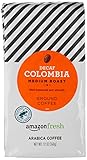
- Balanced, full-bodied medium roast with a smooth finish
- One 12-ounce bag of ground coffee
- Decaffeinated
- 100% Arabica coffee grown in Colombia
- Roasted and packed in the U.S.A.
Hydration and Diuretic Effects
- Diuretic properties: Coffee can act as a mild diuretic, meaning it can make you urinate more. This can lead to dehydration if not balanced.
- How to check: Are you drinking enough water throughout the day, especially when you drink coffee?
- Dehydration: When your body is dehydrated, it can sometimes overcompensate by sweating more to regulate temperature.
- How to check: Does the sweating seem worse on days you’re not drinking much water otherwise?
To combat the diuretic effects of coffee and stay hydrated, keep a reliable water bottle handy and sip throughout the day.

- 30-ounce insulated stainless steel water bottle with extra features: includes a 2-in-1 spout that lets you choose how you drink; push-button, leak-proof lid that locks for all your adventures
- Choose your sip style—straw or swig: Patented 2-in-1 FreeSip spout is one of a kind; it lets you sip upright through the built-in straw or swig by tilting back the spout
- Hygienic push-button lid and easy carry handle: closed lid keeps spout covered and clean between sips; ergonomic bucket handle makes transport easy for sports, campsites, road trips, school, and work
- Keeps water cold and fits where you need: Triple-layer insulation keeps drinks colder up to 24 hours; wide opening for easy cleaning and extra ice; cupholder friendly base fits most car cupholders
- Safe materials and simple care instructions: BPA, lead, and phthalate-free for safe drinking; hand wash the cup,lid is dishwasher safe and can be easily disassembled; not for use with hot liquids
Coffee Type and Additives
- Brewing method: While less common, some brewing methods might extract compounds differently. This is usually a minor factor for sweating.
- How to check: Have you recently switched brewing methods and noticed a change?
- Additives: Sugar, cream, or artificial sweeteners can sometimes affect your body’s response, though this is less directly linked to sweating.
- How to check: Did you add anything new or different to your coffee?
Underlying Factors (Less Common)
- Blood sugar fluctuations: For some, coffee can affect blood sugar. Rapid changes can sometimes trigger sweating.
- How to check: Do you have issues with blood sugar regulation? Does sweating occur around meal times?
- Anxiety or stress: Caffeine can exacerbate feelings of anxiety or stress, which in turn can cause sweating.
- How to check: Do you feel more anxious or stressed after drinking coffee?
Fix it step-by-step (brew workflow)
This isn’t about fixing your coffee maker, but about managing your coffee consumption to reduce sweating.
1. Assess your current intake:
- What to do: Honestly track how much coffee you drink daily. Note the size of your cups.
- What “good” looks like: A clear understanding of your baseline consumption.
- Common mistake: Underestimating how much you actually drink. Avoid by writing it down.
2. Consider your sensitivity:
- What to do: Think about how you feel after coffee. Jitters? Fast heart rate? Sweating?
- What “good” looks like: Recognizing your body’s typical reaction.
- Common mistake: Dismissing mild symptoms as “normal.” Avoid by paying attention to subtle cues.
3. Start with a smaller amount:
- What to do: If you usually drink a 12 oz mug, try an 8 oz cup.
- What “good” looks like: You still enjoy the coffee but experience less intense effects.
- Common mistake: Going from a large amount to nothing, which might not be sustainable. Avoid by making gradual changes.
4. Try decaf or half-caf:
- What to do: Switch one of your daily cups to decaf or a blend.
- What “good” looks like: Reduced sweating while still getting some coffee flavor.
- Common mistake: Assuming decaf has zero caffeine. Avoid by checking labels; “decaf” still has trace amounts.
5. Hydrate before and after coffee:
- What to do: Drink a glass of water before your coffee and another afterwards.
- What “good” looks like: Staying well-hydrated prevents your body from overreacting to the diuretic effect.
- Common mistake: Only drinking water when you feel thirsty. Avoid by proactively hydrating.
6. Space out your coffee intake:
- What to do: Instead of drinking two cups back-to-back, spread them out over several hours.
- What “good” looks like: A more sustained, less intense caffeine buzz, and less sudden sweating.
- Common mistake: Gulping down coffee quickly. Avoid by savoring your brew.
7. Avoid coffee on an empty stomach:
- What to do: Have some breakfast before your first cup of coffee.
- What “good” looks like: Smoother absorption of caffeine, potentially reducing the intensity of side effects.
- Common mistake: Using coffee as a quick breakfast. Avoid by eating something first.
8. Observe and adjust:
- What to do: Keep a mental note or journal of how you feel after each change.
- What “good” looks like: You’ve found a coffee routine that minimizes unwanted sweating.
- Common mistake: Giving up after one attempt. Avoid by being patient with your body’s adjustments.
9. Consider other stimulants:
- What to do: Look at other sources of caffeine or stimulants in your diet (tea, soda, energy drinks, chocolate).
- What “good” looks like: Identifying if coffee is the sole trigger or part of a larger picture.
- Common mistake: Blaming only coffee when multiple factors are at play. Avoid by taking a holistic look.
10. Consult a doctor if concerned:
- What to do: If sweating is severe, persistent, or accompanied by other symptoms, see a healthcare professional.
- What “good” looks like: Peace of mind or diagnosis of any underlying issues.
- Common mistake: Self-diagnosing serious conditions. Avoid by seeking professional medical advice when needed.
If you’re looking to reduce coffee intake but still need a controlled caffeine boost, caffeine supplements can offer a precise dosage without the other compounds found in coffee.
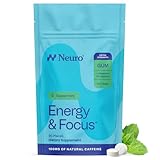
- Fast-Acting Nootropic - Our energy supplements deliver an extra boost of energy and clarity with a blend of natural caffeine, L-theanine, and vitamin b6 & b12. Your go-to chewing gum for work, exercise, and daily focus!
- Clean Energy - Each piece of our sugar free gum delivers 100mg of natural caffeine from green coffee beans for a smooth energy boost without crashes or jitters.
- The Perfect Balance - With 60mg of L-theanine per piece, our energy and focus formula promotes enhanced focus and stress reduction to smooth energy boosts.
- How to Use - Chew one piece of the caffeine gum whenever focus or energy is lacking. Ideal for mornings, pre-workout, or afternoon slumps. Effects typically kick in within minutes thanks to optimal absorption through the mouth.
- Made by Neuro, Backed by Science - At Neuro, we combine neuroscience with clean, science backed ingredients to help you do more, think better, and feel your best every single day.
Prevent it next time
- Hydrate consistently: Drink plenty of water throughout the day, especially around coffee times.
- Moderate caffeine intake: Don’t overdo it. Know your limits.
- Listen to your body: Pay attention to how coffee makes you feel.
- Consider decaf options: Mix in decaf or half-caf to reduce overall caffeine load.
- Space out your drinks: Sip slowly and spread out your coffee consumption.
- Eat before coffee: Avoid drinking on an empty stomach.
- Be mindful of additives: Sometimes, sugar or cream can play a minor role.
- Check other caffeine sources: Are you getting caffeine from other drinks or foods?
- Manage stress: High stress combined with caffeine can amplify sweating.
- Consult a doc: If sweating is extreme or concerning, get professional advice.
Common mistakes (and what happens if you ignore them)
| Mistake | What it causes | Fix |
|---|---|---|
| Drinking too much coffee | Excessive sweating, jitters, anxiety, sleep issues | Reduce intake, switch to decaf, space out cups. |
| Ignoring body signals | Persistent sweating, discomfort, potential dehydration | Pay attention to how you feel; adjust intake or timing. |
| Not drinking enough water | Dehydration, which can worsen sweating | Increase water intake throughout the day, especially before and after coffee. |
| Drinking coffee on an empty stomach | Faster caffeine absorption, potentially intense side effects | Eat a small meal or snack before your coffee. |
| Not distinguishing between regular and decaf | Continued high caffeine intake | Read labels carefully; decaf still has trace amounts, but significantly less. |
| Assuming all coffee is the same | Not accounting for different caffeine levels | Be aware that espresso, cold brew, and drip coffee can have different caffeine concentrations. |
| Not considering other caffeine sources | Cumulative stimulant effect | Track intake from tea, soda, energy drinks, and chocolate alongside coffee. |
| Not managing stress levels | Amplified caffeine side effects like sweating | Practice relaxation techniques, get enough sleep, and be mindful of stress triggers. |
| Relying solely on coffee for energy | Over-reliance and potential caffeine crash | Diversify energy sources: balanced diet, exercise, adequate sleep. |
| Dismissing sweating as a minor issue | Potential dehydration or masking underlying issues | Treat it as a signal to adjust your habits or consult a doctor if severe. |
Decision rules (simple if/then)
- If you sweat a lot immediately after drinking coffee, then you are likely experiencing a caffeine sensitivity reaction because caffeine is a stimulant.
- If you also feel jittery or have a fast heart rate, then your reaction is definitely caffeine-related because these are common stimulant side effects.
- If you’ve recently increased your coffee intake, then the increased amount is a likely culprit for increased sweating because your body isn’t used to it.
- If you’re not drinking much water, then dehydration could be making your sweating worse because your body is trying to regulate temperature.
- If you switch to decaf and the sweating stops, then caffeine was the primary cause because decaf has very little caffeine.
- If you drink coffee on an empty stomach and sweat more, then eating beforehand might help because it can slow caffeine absorption.
- If you notice sweating is worse in warm weather or after exercise, then it’s likely your body’s normal thermoregulation kicking in, possibly amplified by caffeine.
- If you have other concerning symptoms like dizziness or chest pain, then you should stop drinking coffee and consult a doctor immediately because these could indicate a more serious issue.
- If you drink coffee and feel anxious, then reducing intake might help because caffeine can exacerbate anxiety for some people.
- If you’ve tried reducing coffee and staying hydrated without success, then it’s wise to talk to a doctor to rule out other medical conditions.
FAQ
Q: Is sweating after coffee dangerous?
A: Usually, no. It’s a common side effect of caffeine’s stimulant properties. However, if it’s severe or comes with other symptoms, it’s worth checking with a doctor.
Q: How much caffeine is too much?
A: For most healthy adults, up to 400 mg of caffeine per day is generally considered safe. That’s about 4 cups of brewed coffee. Your personal tolerance may be lower.
Q: Does the type of coffee matter?
A: Yes, different brewing methods and bean types can have slightly different caffeine levels. Cold brew and espresso often have higher concentrations per ounce.
Q: Can additives like sugar or cream cause sweating?
A: While not a direct cause like caffeine, some people’s bodies react to large amounts of sugar or dairy, which could indirectly influence how they feel.
Q: Will decaf coffee make me sweat?
A: Decaf coffee still contains trace amounts of caffeine. For highly sensitive individuals, even this small amount might cause mild effects, but it’s much less likely to cause significant sweating.
Q: How can I enjoy coffee without sweating?
A: Try reducing your intake, drinking it slower, staying well-hydrated, and considering decaf or half-caf options.
Q: Is this related to my coffee maker?
A: Almost certainly not. Your coffee maker’s job is to brew coffee. Your body’s reaction to the caffeine is the cause of the sweating.
Q: What if I sweat a lot even without coffee?
A: If excessive sweating is a general issue for you, it’s best to consult a healthcare professional to explore potential underlying causes.
Q: Can I build a tolerance to caffeine’s sweating effect?
A: Some people find their bodies adjust over time, but significant sensitivity often remains. Moderation is key.
What this page does NOT cover (and where to go next)
- Specific medical diagnoses: This page focuses on common reactions to caffeine. If you have persistent or severe sweating, consult a doctor for a proper diagnosis.
- Detailed caffeine content of specific brands/brews: While general levels are discussed, exact amounts vary widely. Check product information or brewing guides for specifics.
- Troubleshooting coffee maker issues: This article is about your body’s reaction, not your brewing equipment. If your maker has problems, check its manual or manufacturer support.
- Advanced brewing techniques: We’re focusing on managing side effects, not perfecting your pour-over technique. Look for brewing guides for that.
- Other stimulant effects: While we touch on anxiety, a deep dive into the psychological effects of stimulants is beyond this scope.