
Who Makes Waffle House Coffee?
Quick answer
- Waffle House coffee is a custom blend, roasted and supplied by Royal Cup Coffee, a Birmingham, Alabama-based company.
- The blend is designed for a consistent, classic diner coffee experience.
- It’s a medium roast, likely a mix of Arabica and Robusta beans, optimized for drip brewing.
- You cannot buy the exact Waffle House blend directly from Royal Cup as a consumer.
- The distinctive taste comes from a combination of the blend, the brewing method, and the consistent service.
- Achieving a similar taste at home involves using a quality medium roast, proper grind, and consistent brewing practices.
Who this is for
- Home brewers curious about replicating the iconic Waffle House coffee experience.
- Coffee enthusiasts interested in the specifics behind popular diner coffee.
- Anyone looking to improve their daily drip coffee routine with practical tips.
What to check first
Brewer type and filter type
The classic Waffle House coffee is made with commercial-grade drip coffee makers, likely utilizing flat-bottom filters. At home, a standard automatic drip coffee maker with a flat-bottom basket filter is your best bet for a similar extraction. Cone filters can produce a slightly different flow rate and extraction.
- Good: A clean automatic drip coffee maker with a flat-bottom filter basket, using a paper filter.
- Mistake: Using a French press or pour-over will yield a very different result, as will a permanent mesh filter which allows more sediment.
To achieve a similar extraction to Waffle House coffee at home, a standard automatic drip coffee maker is your best bet. Consider investing in a quality drip coffee maker to elevate your daily brew.
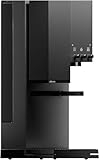
- 1. Three Levels of Automation for Any Skill Level: Choose from Autopilot, Copilot, or Free Solo mode. Autopilot handles the entire brewing process automatically. Copilot provides step-by-step guidance. Free Solo gives you full manual control. This coffee machine works for beginners and professional baristas alike.
- 2. Intuitive User Interface with Tactile Knobs and LED Matrix: The Studio features physical control knobs and a clear LED Matrix display. You can adjust grind size, water temperature, and flow rate in real time without navigating complicated touchscreen menus.
- 3. Full Customization via the xBloom App: Use the xBloom app to create, adjust, save, and share your favorite coffee recipes. Every brewing parameter can be fine-tuned and synced to the machine instantly. Your perfect cup is saved and repeatable.
- 4. Compostable xPod System for Minimal Waste and Maximum Flavor: Each xPod contains carefully selected whole beans and a built-in filter. Tap the recipe card, pour the beans into the grinder, place the pod into the dock, and press start. No capsules, no extra paper filters, no unnecessary waste.
- 5. What Is Included in the Box: The package includes the xBloom Studio, Omni Dripper 2 with Hyperflow Bottom, 10 paper filters, xPod Dock, Magnetic Dosing Cup, default recipe card, quick start guide, cleaning brush, universal power cord, and a 2-Year xbloom brand warranty. Everything you need is included—along with long-term peace of mind.
Water quality and temperature
Water makes up over 98% of your coffee, so its quality is paramount. Use filtered water to avoid off-flavors from chlorine or minerals. For drip brewing, the ideal water temperature is typically between 195°F and 205°F. Most automatic drip brewers are designed to reach this range, but older or cheaper models might struggle.
- Good: Filtered water (like from a Brita or refrigerator dispenser) heated to the optimal brewing temperature.
- Mistake: Using tap water with strong chlorine taste or hard water can impart undesirable flavors and scale your machine. Water that’s too hot can over-extract, too cool can under-extract.
Grind size and coffee freshness
Waffle House coffee is brewed from freshly ground beans, though they likely arrive pre-ground at the restaurant for efficiency. For home brewing, a medium grind is appropriate for drip coffee makers. The coffee should be fresh, ideally ground just before brewing. Stale coffee loses its aromatic compounds rapidly.
- Good: Medium grind, resembling coarse sand, for drip brewers. Coffee beans ground within minutes of brewing.
- Mistake: A grind that’s too fine can lead to over-extraction and bitterness; too coarse results in weak, watery coffee. Using coffee that’s been open for weeks or months will taste flat.
Coffee-to-water ratio
A common starting point for drip coffee is a ratio of 1:16 to 1:18 coffee to water by weight. For a stronger, diner-style brew, you might lean towards the higher end of coffee concentration. A good rule of thumb is 1-2 tablespoons of coffee per 6 ounces of water.
- Good: Approximately 2 tablespoons (about 10-12 grams) of coffee per 6 ounces of water, adjusted to your taste.
- Mistake: Too little coffee makes for a weak, insipid cup. Too much can lead to an overly bitter, muddy brew.
Cleanliness/descale status
A clean coffee maker is crucial for good-tasting coffee. Mineral buildup (scale) can impede heating and water flow, while old coffee oils can become rancid and taint new brews. Regularly clean your machine and descale it every 1-3 months, depending on your water hardness.
- Good: A coffee maker free of visible residue, with a clear water reservoir and no mineral deposits.
- Mistake: Brewing in a dirty machine will always result in off-tasting coffee, regardless of bean quality.
Step-by-step (brew workflow for a Waffle House-style coffee)
1. Gather your ingredients and equipment.
- Good: Have your drip coffee maker, fresh filtered water, a medium roast coffee (whole bean or pre-ground medium), and a measuring spoon/scale ready.
- Mistake: Realizing you’re out of filters or your water reservoir is empty halfway through. Plan ahead.
2. Fill your coffee maker with filtered water.
- Good: Measure the exact amount of cold, filtered water you need for your desired number of cups.
- Mistake: Using hot water (which can lead to poor extraction) or unfiltered tap water (which can impart off-flavors).
3. Grind your coffee beans (if applicable).
- Good: Grind your medium roast beans to a medium consistency, resembling coarse sand, just before brewing. Use a burr grinder for consistency.
- Mistake: Grinding too fine (over-extraction) or too coarse (under-extraction). Using pre-ground coffee that’s been open for weeks.
4. Add coffee to the filter basket.
- Good: Place a clean paper filter in the basket and add your measured coffee grounds evenly. Aim for about 2 tablespoons per 6 ounces of water.
- Mistake: Overfilling the basket, which can cause grounds to overflow during brewing. Not using enough coffee.
5. Place the carafe on the warming plate.
- Good: Ensure the carafe is correctly positioned to catch the brewed coffee.
- Mistake: Forgetting to put the carafe in place, leading to a messy overflow.
6. Start the brewing cycle.
- Good: Press the brew button and allow the machine to complete its cycle uninterrupted.
- Mistake: Opening the brew basket mid-cycle, which can disrupt extraction and cause hot water to splash.
7. Serve immediately.
- Good: Pour your coffee into pre-warmed mugs as soon as it’s done brewing for the best flavor.
- Mistake: Letting the coffee sit on the warming plate for too long, which can “cook” the coffee and develop a bitter, burnt taste.
8. Clean your equipment.
- Good: Discard grounds and rinse the filter basket and carafe with warm water. Wipe down the machine.
- Mistake: Leaving old grounds and coffee residue in the machine, which can harbor bacteria and impart stale flavors to future brews.
Common mistakes (and what happens if you ignore them)
| Mistake | What it causes | Fix |
|---|---|---|
| Using stale coffee beans/grounds | Flat, lifeless, and flavorless coffee; lack of aroma. | Buy freshly roasted beans, store in an airtight container, grind just before brewing. |
| Incorrect grind size (too fine) | Over-extraction, bitterness, muddy texture, slow drip. | Adjust grinder to a coarser setting; aim for consistency like coarse sand. |
| Incorrect grind size (too coarse) | Under-extraction, weak, watery, sour coffee. | Adjust grinder to a finer setting; ensure consistent particle size. |
| Using unfiltered tap water | Off-flavors (chlorine, minerals), scale buildup in machine. | Use filtered water (e.g., Brita, refrigerator filter). |
| Wrong coffee-to-water ratio (too little coffee) | Weak, thin, watery, and unappetizing coffee. | Increase coffee dosage; aim for 1-2 tbsp per 6 oz water. |
| Wrong coffee-to-water ratio (too much coffee) | Overly strong, bitter, sometimes sludgy coffee. | Decrease coffee dosage; find your preferred balance. |
| Not cleaning coffee maker regularly | Rancid oil buildup, mineral scale, off-flavors, slow brewing. | Rinse components daily, deep clean weekly, descale every 1-3 months. |
| Letting coffee sit on warming plate too long | Burnt, acrid, bitter taste; “cooked” coffee. | Serve immediately; turn off warmer or transfer to an insulated carafe. |
| Water temperature too low | Under-extraction, sour, thin coffee. | Ensure your brewer heats water to 195-205°F; consider a better machine. |
| Water temperature too high | Over-extraction, bitter, harsh coffee. | Check your brewer’s specs; if manual, let water cool slightly after boil. |
Decision rules (simple if/then)
- If your coffee tastes weak and sour, then your grind is likely too coarse or you’re using too little coffee because under-extraction occurs.
- If your coffee tastes bitter and harsh, then your grind is likely too fine or your water is too hot because over-extraction occurs.
- If your coffee has a strange chemical or metallic taste, then you should descale your machine or check your water source because mineral buildup or chlorine can be the culprit.
- If your coffee lacks aroma and tastes flat, then your coffee beans are likely stale or not ground fresh because aromatic compounds dissipate quickly.
- If your coffee maker takes a long time to brew, then it likely needs descaling because mineral buildup restricts water flow.
- If you want to replicate the Waffle House coffee taste, then use a medium roast, medium grind, and a drip coffee maker because this setup mimics their commercial brewing.
- If your brewed coffee is cloudy or has sediment, then your grind might be too fine or your filter isn’t seated properly because fine particles are escaping.
- If you’re consistently getting inconsistent results, then weigh your coffee and water because volumetric measurements can be imprecise.
- If your coffee tastes burnt after sitting for a while, then remove it from the warming plate immediately after brewing because prolonged heat degrades flavor.
- If your coffee smells great but tastes bland, then your water quality might be poor or your brewing temperature is off because proper extraction needs good water and heat.
FAQ
Is Waffle House coffee a special blend?
Yes, Waffle House coffee is a custom blend specifically created for them by Royal Cup Coffee. It’s designed to deliver a consistent, familiar diner-style coffee experience.
Can I buy the exact Waffle House coffee blend?
Generally, no. The specific blend is proprietary to Waffle House and Royal Cup Coffee. You won’t find it marketed directly to consumers under the “Waffle House Coffee” label.
What kind of beans are in Waffle House coffee?
While the exact composition is a trade secret, it’s widely believed to be a blend of Arabica and Robusta beans. Robusta often adds body and a caffeine kick, common in diner-style blends.
What roast level is Waffle House coffee?
It’s typically described as a medium roast. This provides a balanced flavor profile without being overly dark or acidic, appealing to a broad range of tastes.
How does Waffle House make their coffee so consistent?
Consistency comes from their custom blend, commercial-grade brewing equipment, strict adherence to brewing ratios, and regular cleaning and maintenance of their machines.
What’s the best way to store coffee to keep it fresh for a Waffle House-style brew?
Store whole beans in an airtight container in a cool, dark place, away from light, heat, and moisture. Avoid the refrigerator or freezer for daily use as condensation can degrade quality.
Does the type of water really make a difference for coffee?
Absolutely. Water makes up over 98% of your coffee. Filtered water free of impurities like chlorine and excessive minerals is crucial for a clean, true-to-bean flavor.
Why does my homemade coffee never taste as good as diner coffee?
Diner coffee often benefits from commercial brewers that maintain precise temperatures and extraction times, along with specific blends optimized for their equipment. Also, the overall diner atmosphere plays a role in perception.
What this page does NOT cover (and where to go next)
- Detailed reviews of specific drip coffee maker brands or models.
- In-depth science of coffee extraction and thermodynamics.
- Advanced coffee brewing methods like pour-over, espresso, or French press.
- Specific recommendations for coffee bean origins or varietals.
- The history of Waffle House or Royal Cup Coffee.
- How to make coffee shop-style milk drinks.